

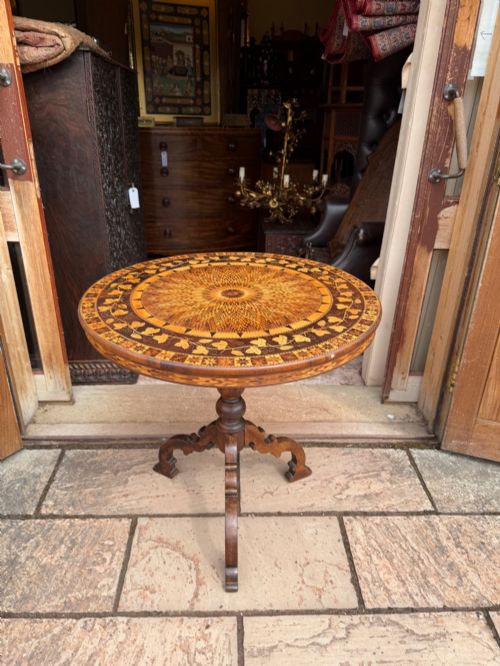

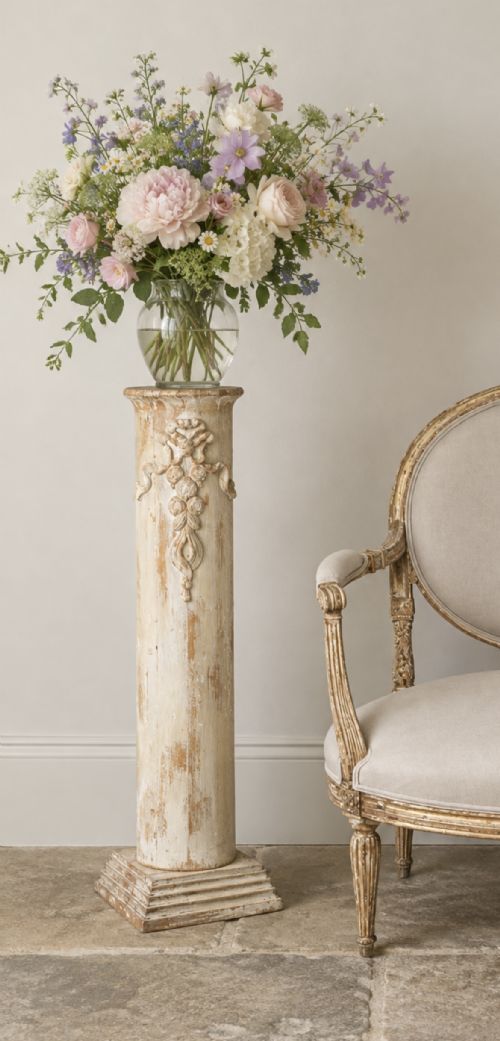
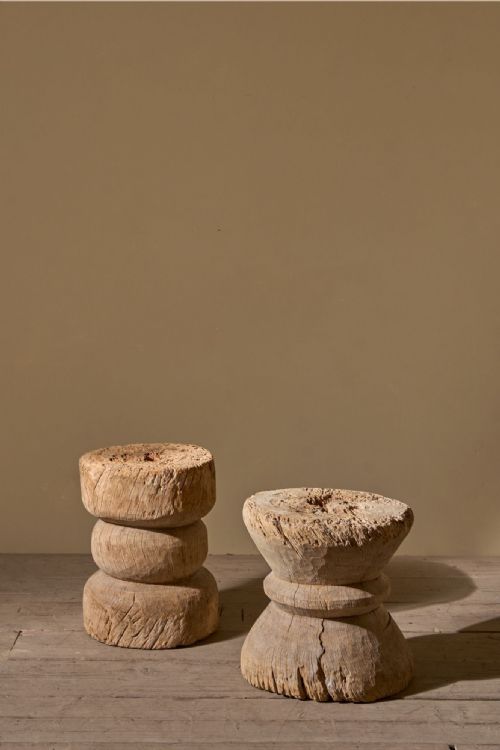
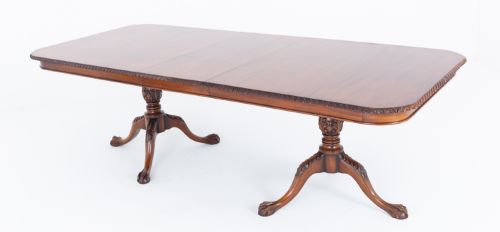
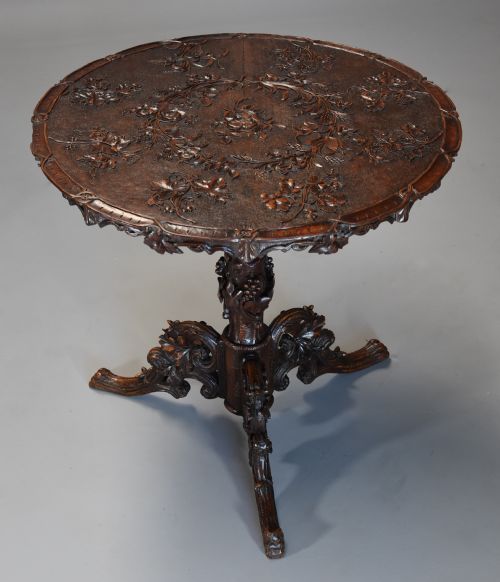

Carved Timber Pedestals
Carved timber pedestals bring sculptural presence and functional height to a room, holding everything from urns to lamps with solid architectural weight.
Carved Timber Pedestals
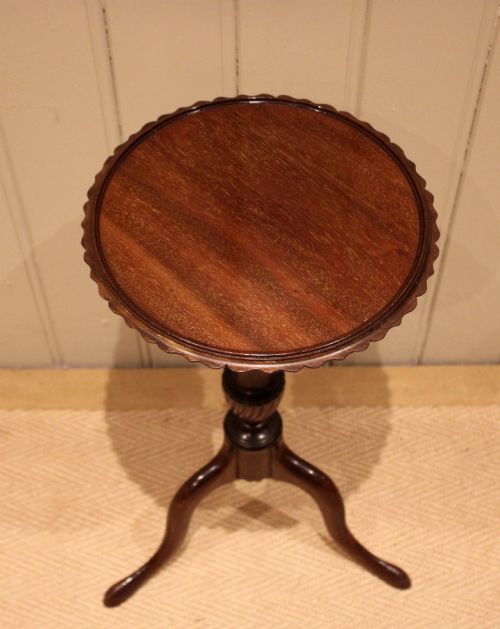
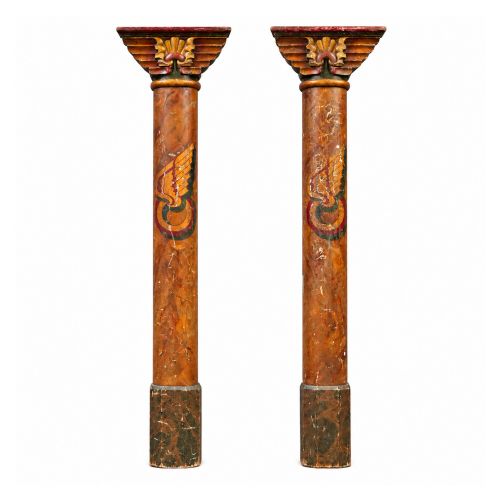
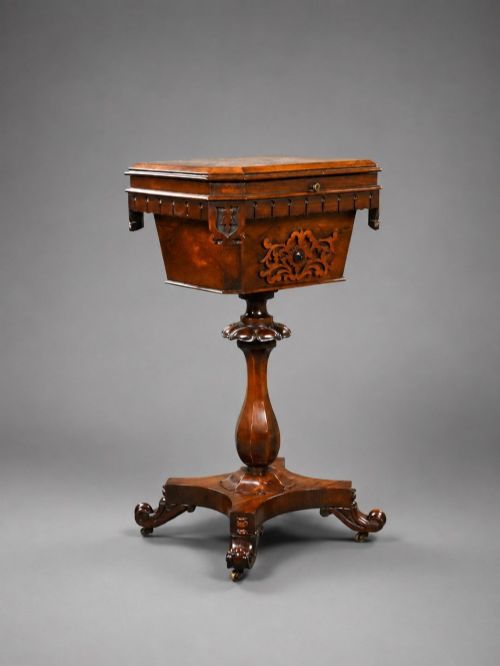
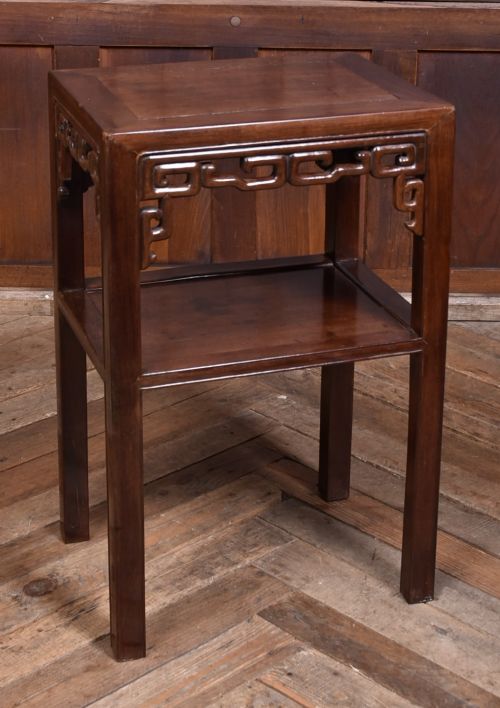
When you search for carved timber pedestals, you encounter a diverse array of supports, columns, plant stands, and torcheres designed to elevate objects in a space. The selection spans centuries of craftsmanship, ranging from ornate Victorian mahogany columns to Chinese hardwood vase stands and rustic nineteenth-century designs.
The forms frequently double as plant stands, figural displays, or architectural fragments repurposed for interior display. You will regularly find pieces originating from nineteenth-century European workshops as well as Asian export pieces featuring inset marble tops.
What varies in quality
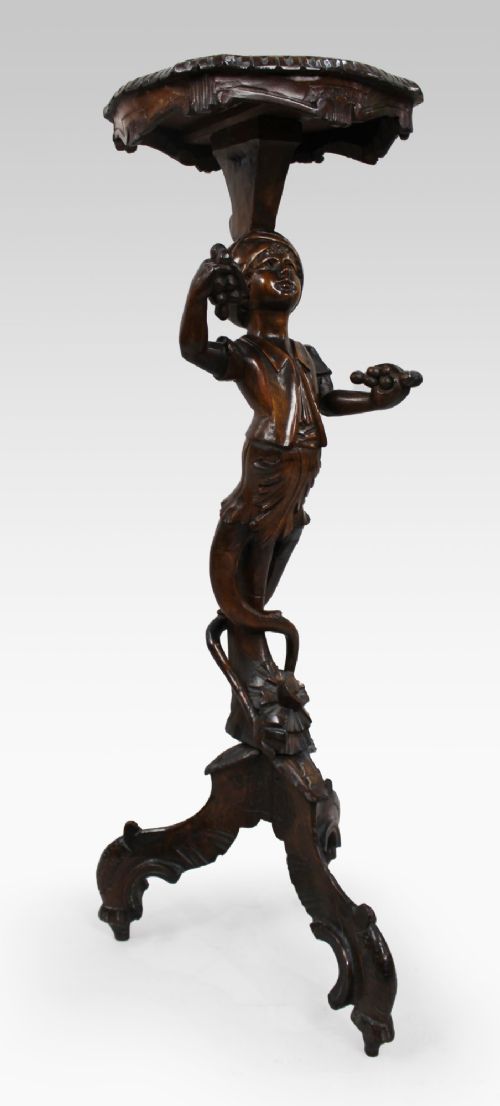
The depth and crispness of the carving separate standard turned columns from exceptional sculptural works. Superior examples display undercut foliage and expressive figural work that show the hand of a skilled sculptor rather than routine machine production.
Proportion and timber selection heavily influence the distinction between ordinary utility stands and fine decorative art. Dense, well-figured woods paired with integrated elements like inset marble tops indicate a higher tier of manufacture.
Listings feature woods such as mahogany, walnut, rosewood, and linden wood, alongside marble inserts and brass elements.
Valentino Besarel
The Carved Timber Pedestals Glossary
- Torchiere
- A tall stand or candlestick originally designed to carry a torch or lamp. These pieces provide high elevation for urns, busts, and floral arrangements.
- Caryatid
- A sculpted female figure serving as an architectural support taking the place of a column or pillar. They add classical drama to pedestals and table bases.
- Hardwood
- Timber derived from broad-leaved trees such as mahogany, walnut, and rosewood. These dense woods resist denting and allow for intricate, sharp carving.
- Inlay
- A decorative technique where contrasting materials like mother of pearl or different woods are embedded into the surface. This method creates geometric or floral patterns flush with the main timber.
- Jardiniere
- An ornamental pot or stand for plants and flowers. These structures elevate greenery to display level within a room.
Carved Timber Pedestals: Frequently Asked Questions
How were carved timber pedestals used historically?
These supports held lighting, urns, sculptures, and plants in prominent reception rooms and hallways. They raised decorative objects to eye level to showcase fine art and natural specimens.
Domestic interiors utilised torcheres and plant stands to break up flat wall lines and introduce vertical interest into room corners.
What woods appear most often in these stands?
Mahogany, walnut, and rosewood dominate nineteenth-century European pieces, offering deep colour and strength. Asian export pieces frequently utilise dense tropical hardwoods suited for intricate hand carving.
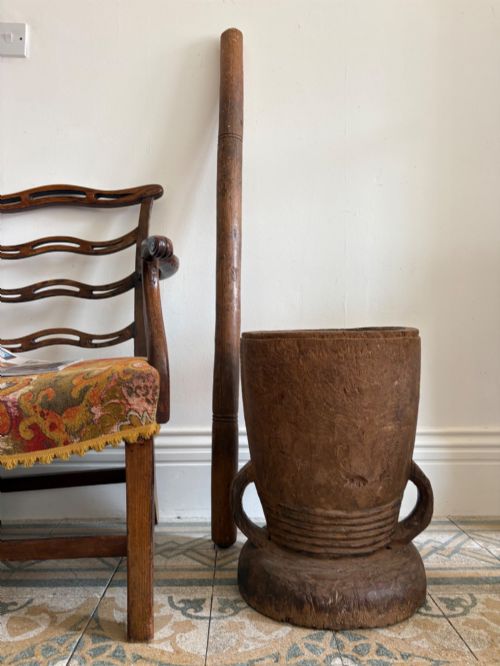
Alternative materials like linden wood, birch, and rustic timber appear in specific regional and Black Forest pieces.
How do I distinguish nineteenth-century styles?
Victorian and William IV examples often display heavy classical revival motifs, rich mahogany, or burr walnut veneers. Edwardian and later pieces tend toward lighter constructions or regional folk art traditions.
Chinese and Japanese export pieces incorporate distinctive marble inserts, pragmatic vase stand designs, and traditional motifs.
How do I live with a carved pedestal safely?
Place heavier stone-topped or solid wood columns on even flooring to prevent tipping under top-heavy displays. Ensure that potted plants placed on wooden stands use waterproof saucers to protect antique timber surfaces from moisture rings.
Keep pieces away from direct heat sources to prevent timber from drying out or splitting over time.