
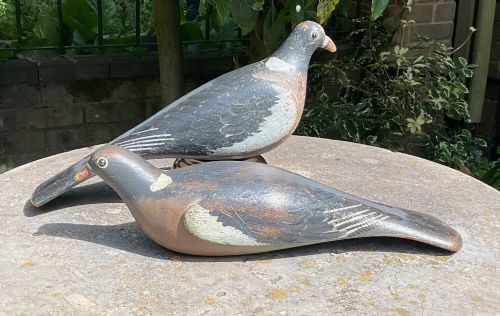
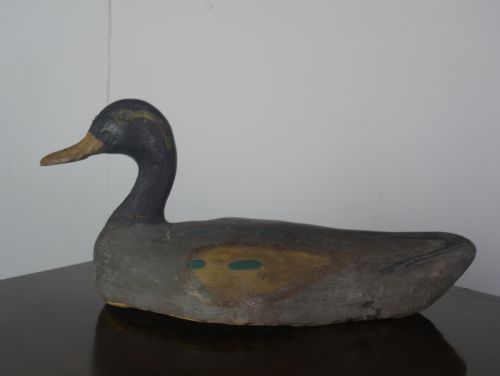


Carved Timber Bird Sculpture
A carved timber bird sculpture brings rustic charm and traditional handcraft directly into the home, ranging from working decoys to decorative folk art.
Carved Timber Bird Sculpture
A carved timber bird sculpture encompasses working decoys, decorative figures, and folk art carvings originating from the nineteenth and early twentieth centuries. These pieces reflect utilitarian roots and traditional craftsmanship across various international styles, including English, Scandinavian, and Black Forest traditions.
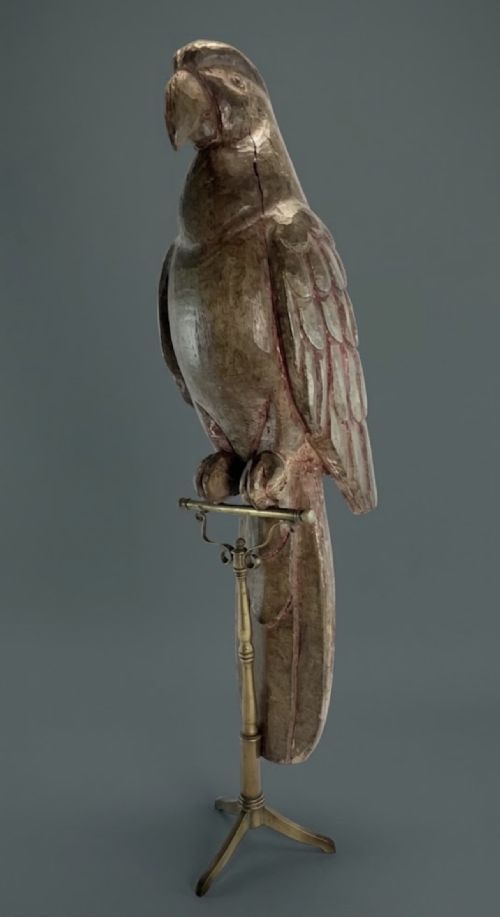
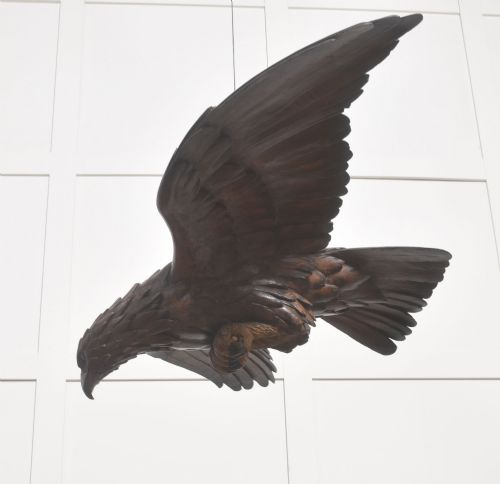
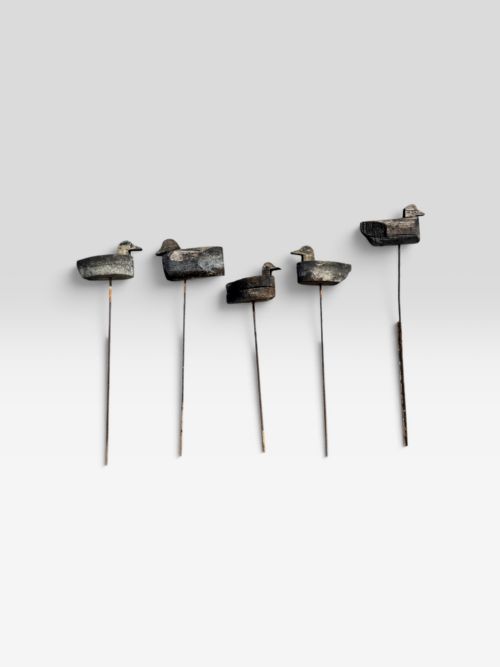
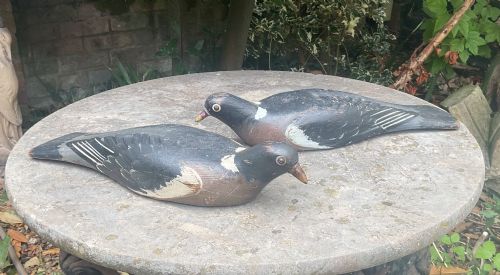
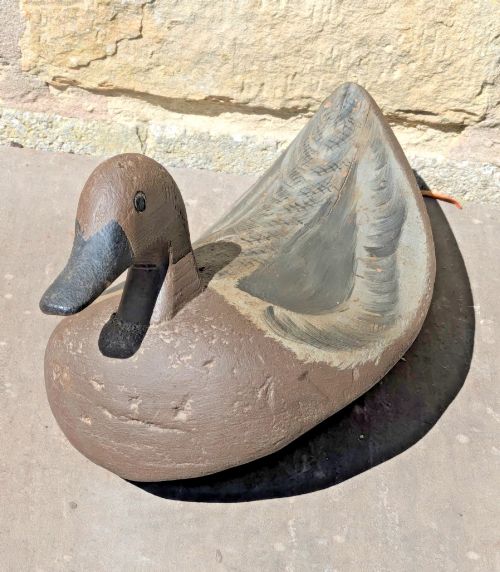
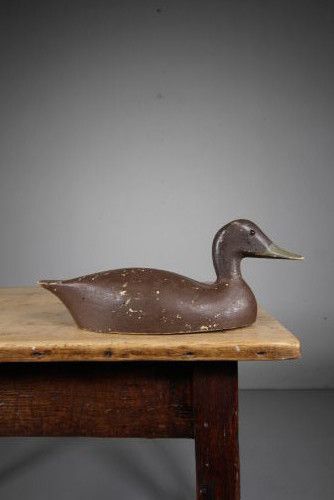
Buyers will most frequently encounter working decoys such as ducks, pigeons, and geese alongside decorative figures like parrots, herons, and eagles. These sculptures span periods from the Victorian era through the Edwardian years and into the 1930s.
How they were made
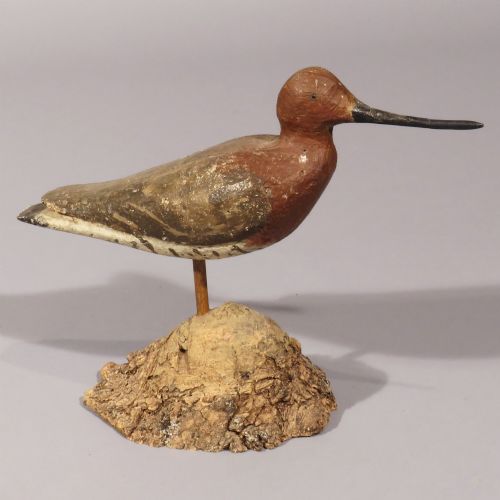
Carvers shaped these figures primarily from pine, hardwood, and general timber, utilising hand tools to achieve organic forms and textural details. Some pieces incorporate glass eyes or brass stands to enhance their realism and display presence.
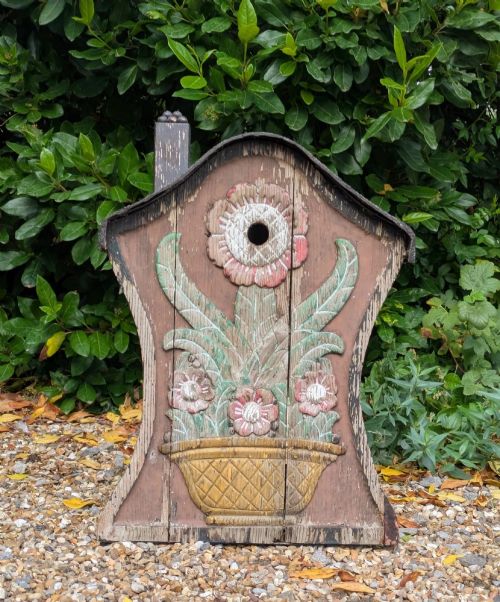
Surface decoration frequently involves hand painting and polychrome finishes applied directly to the wood, sometimes supplemented by delicate penwork. These applied pigments survive in varying states, showing authentic wear from their functional origins.
Listings feature works from the Victorian and Edwardian eras, alongside pieces dated through the 1920s and 1930s.
What varies in quality
The sophistication of the carving separates exceptional sculptures from simpler utilitarian items, particularly in the rendering of anatomy, feather detail, and overall posture. Master carvers captured the alert stance and characteristic silhouette of each species with distinct economy of line.
The survival and character of original painted surfaces dictate desirability among collectors. Untouched historical patination and authentic pigment retain far more visual interest than later surface refurbishments.
The Carved Timber Bird Sculpture Glossary
- Decoy
- A carved or moulded figure used to attract wildfowl by mimicking real birds. These working objects form a significant portion of early timber bird sculptures.
- Folk art
- Artistic work produced from an indigenous culture or peasant tradition without professional academic training. These pieces emphasise functional utility and regional decorative styles.
- Black Forest carving
- Intricate woodwork originating from the mountainous regions of central Europe, often depicting realistic animals and wildlife. This style is known for deep relief and dynamic composition.
- Chinoiserie
- European artistic style reflecting Chinese motifs and decorative techniques. It appears on select nineteenth-century sculptures through refined penwork and hardwood execution.
Carved Timber Bird Sculpture: Frequently Asked Questions
How do I date a timber bird?
Dating relies on examining tool marks, timber selection, and the composition of the painted surface. Nineteenth-century examples often display hand-hewn shaping beneath aged patination.
Later pieces from the Edwardian period or the 1930s show shifts in regional carving habits and pigment formulas. Comparing the species style against known folk art traditions clarifies the timeframe.
Where should I display my sculpture?
These sculptures suit prominent placement on mantelpieces, bookshelves, or dedicated side tables where their silhouettes can be viewed clearly. Pairing them with natural materials enhances their rustic aesthetic.
Keep pieces away from direct heat sources and strong sunlight to protect the historic wood and any remaining painted decoration from fading or drying out.
Are all these sculptures English?
Origin varies across the available pieces, encompassing English country traditions alongside Scandinavian, French, and Black Forest examples. Each region developed distinct approaches to carving and surface decoration.
Chinese hardwood sculptures also appear, demonstrating international variations in subject matter like Mandarin ducks. Reviewing the specific regional style helps identify the geographic origin of each piece.