

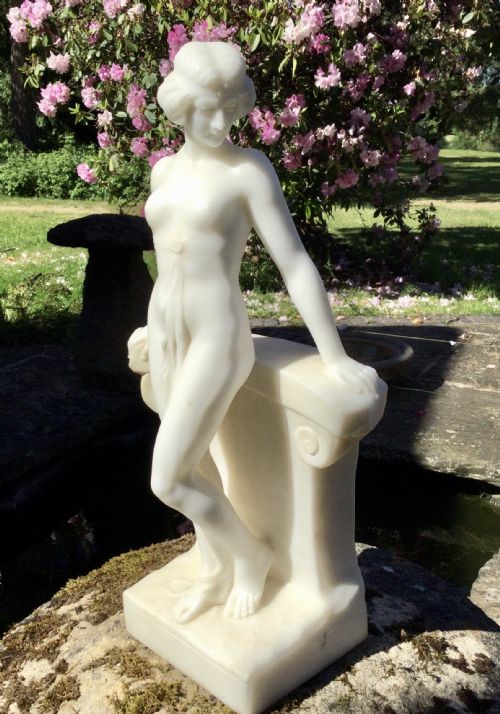

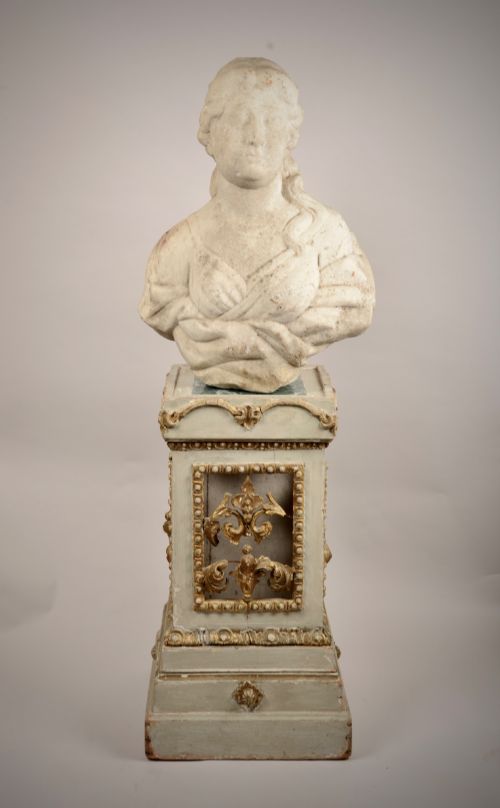
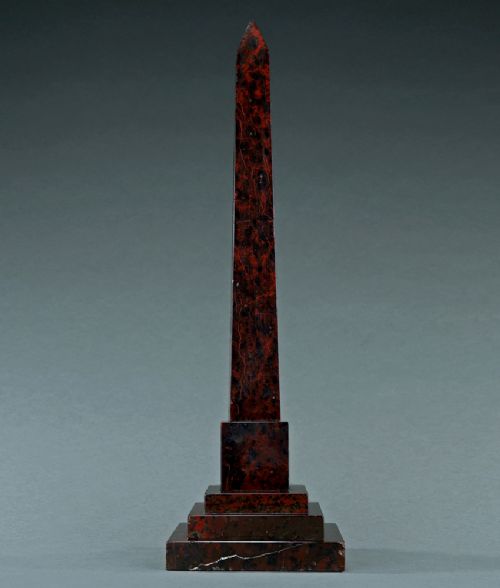
Carved Stone Pedestal
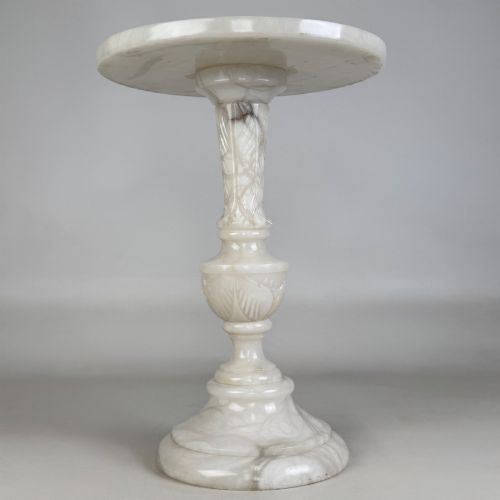
A carved stone pedestal elevates sculpture, urns and lamps, bringing classical form and solid weight to interior rooms and garden terraces alike.
Carved Stone Pedestal
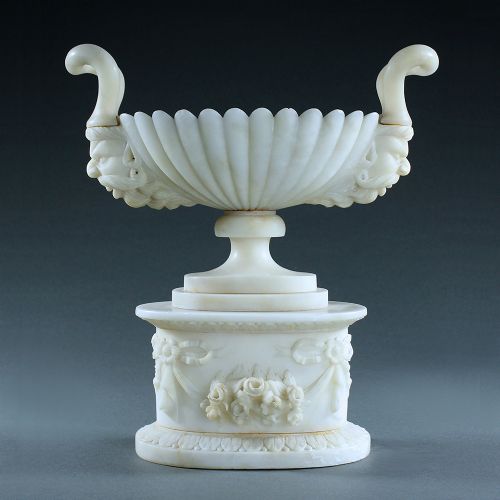
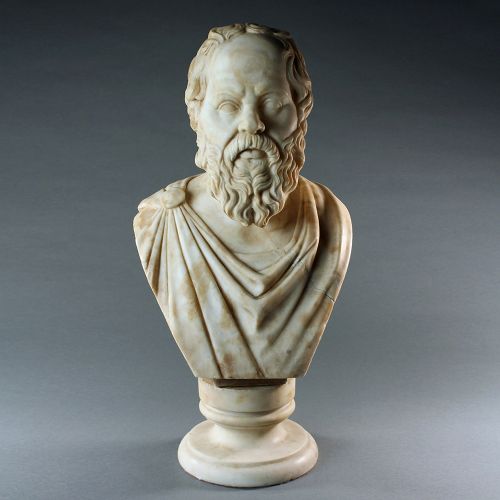
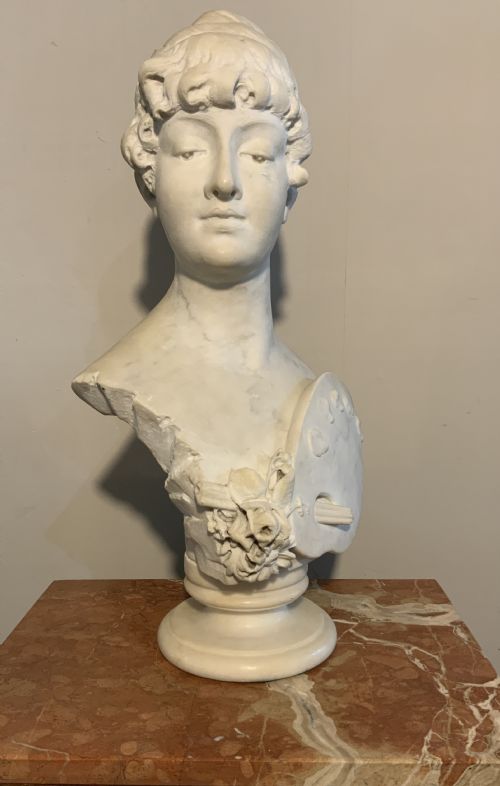
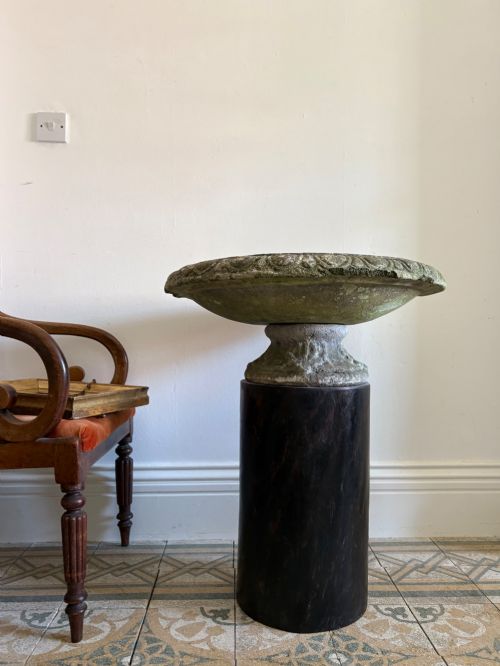
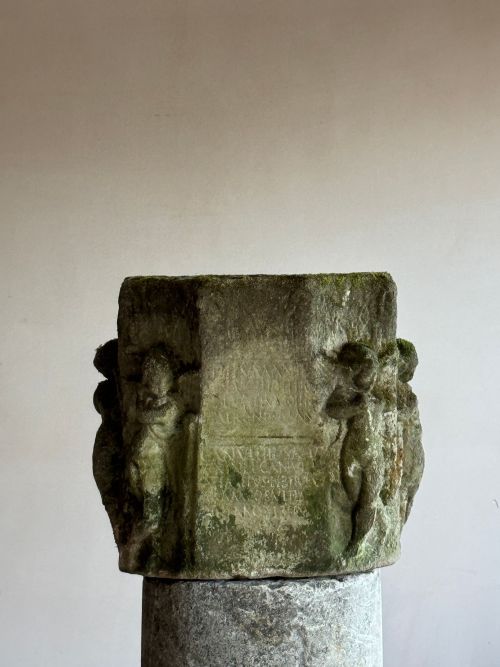
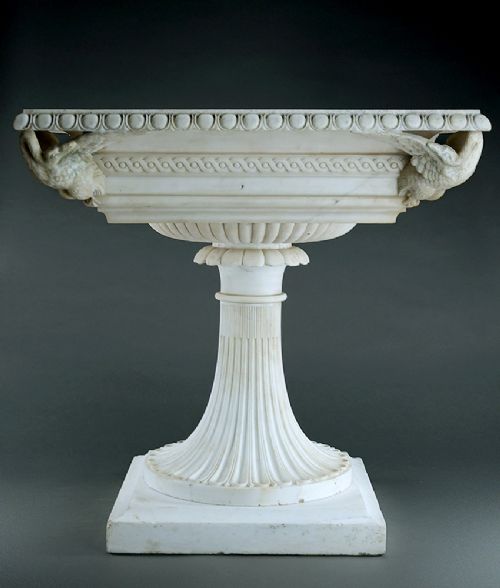
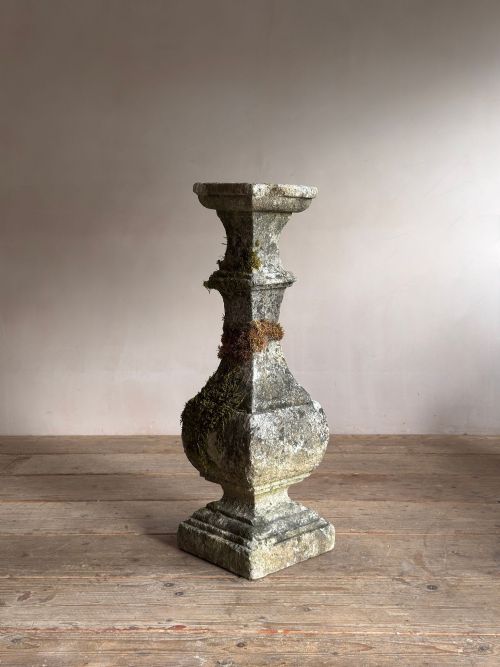
A carved stone pedestal provides a stable architectural base for displaying busts, tazze, and decorative urns within a room or garden. These supports range from tall structural columns to lower square plinths designed to carry heavy sculptural weight.
The selections span multiple centuries, originating from workshops that favoured traditional classical proportions. Many examples emerge from nineteenth-century Italian traditions, often connected to the Grand Tour souvenir trade.
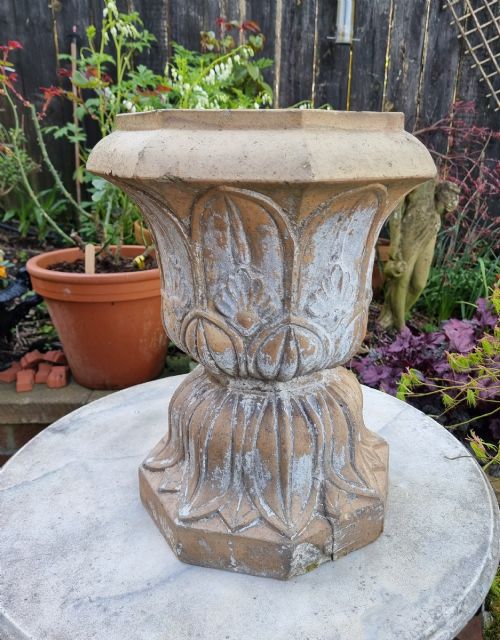
Alongside monolithic carved stone, buyers encounter reconstituted stone, cast varieties, and regional sandstones or limestones. These range from interior marble display columns to weathered garden staddle stones and birdbaths.
What varies in quality
The refinement of the chisel work separates routine architectural masonry from master sculpture. Crisp acanthus leaves, sharp fluting, and balanced proportions distinguish superior carved stone pedestals from simpler utilitarian supports.
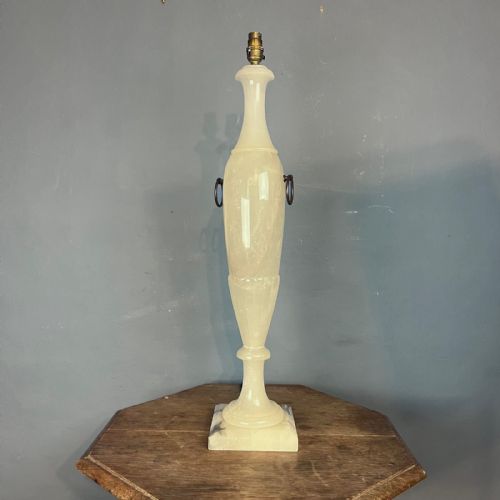
The selection of the raw mineral material dictates the visual depth of the object. Richly figured marbles, translucent alabasters, and dense serpentine stones achieve a presence that basic cast materials lack.
Carved Stone Pedestal Retail Price Guide 2026
Typical asking prices for carved stone pedestal among the pieces listed under this phrase on Sellingantiques today, from the lower quarter to the upper quarter. They describe what is for sale here now, not the wider market.
Listings feature items carved from Carrara marble, alabaster, serpentine, limestone, and cast stone across the seventeenth to twentieth centuries.
John Wenlock Rollins
The Carved Stone Pedestal Glossary
- Pedestal
- An architectural support or base for a column, statue, or urn. It typically consists of a base, a central shaft or dado, and a projecting cap.
- Tazza
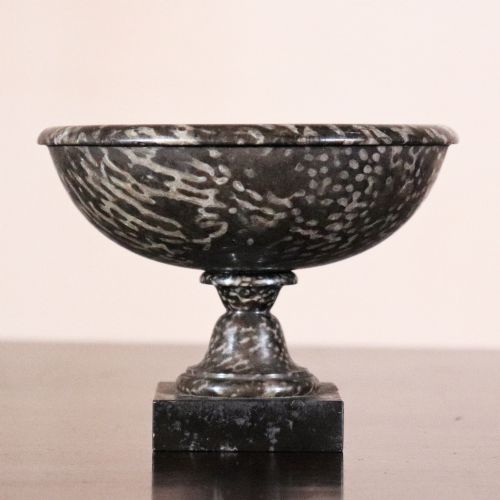
- A shallow saucer-shaped vessel mounted on a stem and foot, frequently carved from marble or alabaster during the Grand Tour period.
- Pietra Dura
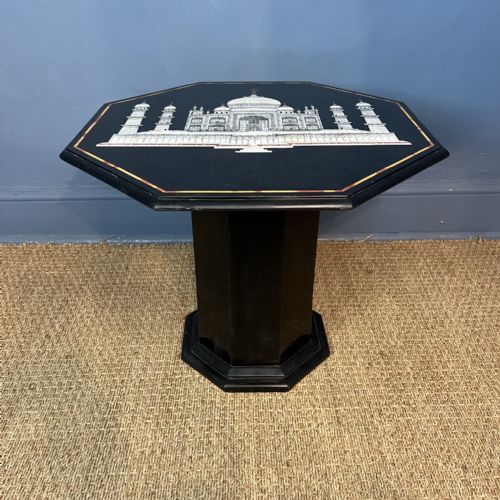
- An artistic technique of using cut and fitted, highly polished coloured stones to create geometric or figurative images.
- Scagliola
- A composite material made from selenite, glue, and pigments, imitated to resemble marble and other fine stones for architectural columns and pedestals.
- Verde Antico
- A dark green serpentine breccia marble utilised by classical and revivalist carvers for columns and decorative architectural elements.
Carved Stone Pedestal: Frequently Asked Questions
How do I choose the right height for a carved stone pedestal?
Consider the scale of the object placed on top and the height of surrounding furniture. Taller columns suit standing busts, while lower plinths better showcase large urns or architectural models.
Ensure the top surface dimensions match or slightly exceed the base of the object resting upon it to maintain visual stability.
Can I use an indoor marble pedestal outside in the garden?
Indoor pieces carved from softer stones like alabaster or fine Carrara marble suffer frost damage and weathering outdoors. Exterior garden settings require robust materials such as cast stone, limestone, or sandstone.
Protect interior items from moisture fluctuations to prevent surface deterioration and structural weakening.
How should I clean a historic marble or alabaster pedestal?
Dust surfaces regularly with a soft, dry cloth to prevent dirt accumulation in carved crevices. Avoid abrasive cleaners, acidic solutions, and excessive water, particularly on soluble alabaster.
Consult a professional conservator for deeper cleaning or to address stubborn marks on nineteenth-century surfaces.
What indicates a Grand Tour souvenir piece?
Nineteenth-century travellers returning from Italy frequently acquired miniature columns, tazze, and architectural models carved from locally sourced stones like alabaster and rosso antico. These items often feature finely detailed turning and polished finishes designed for display on cabinet tops.
Their scale is typically smaller than full-size architectural elements found in buildings.