


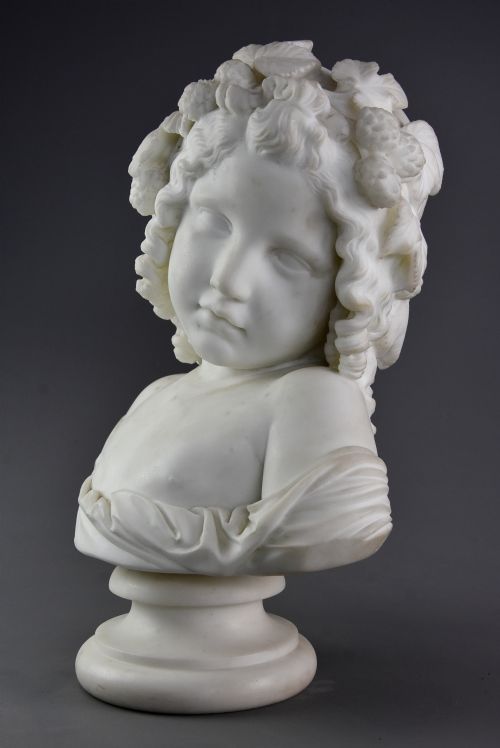
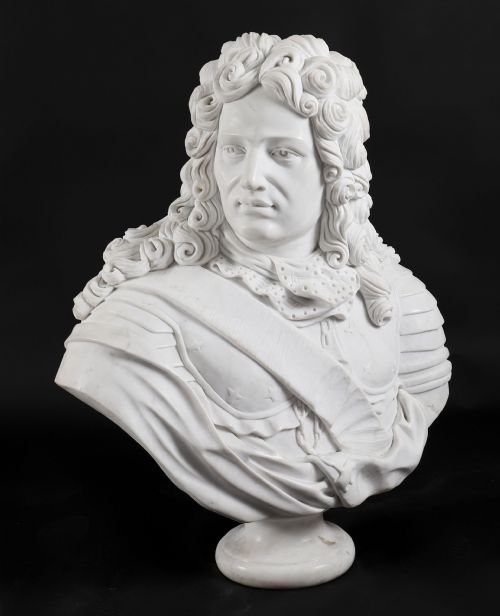

Carved Stone Bust
A carved stone bust brings classical presence and enduring portraiture into a room.
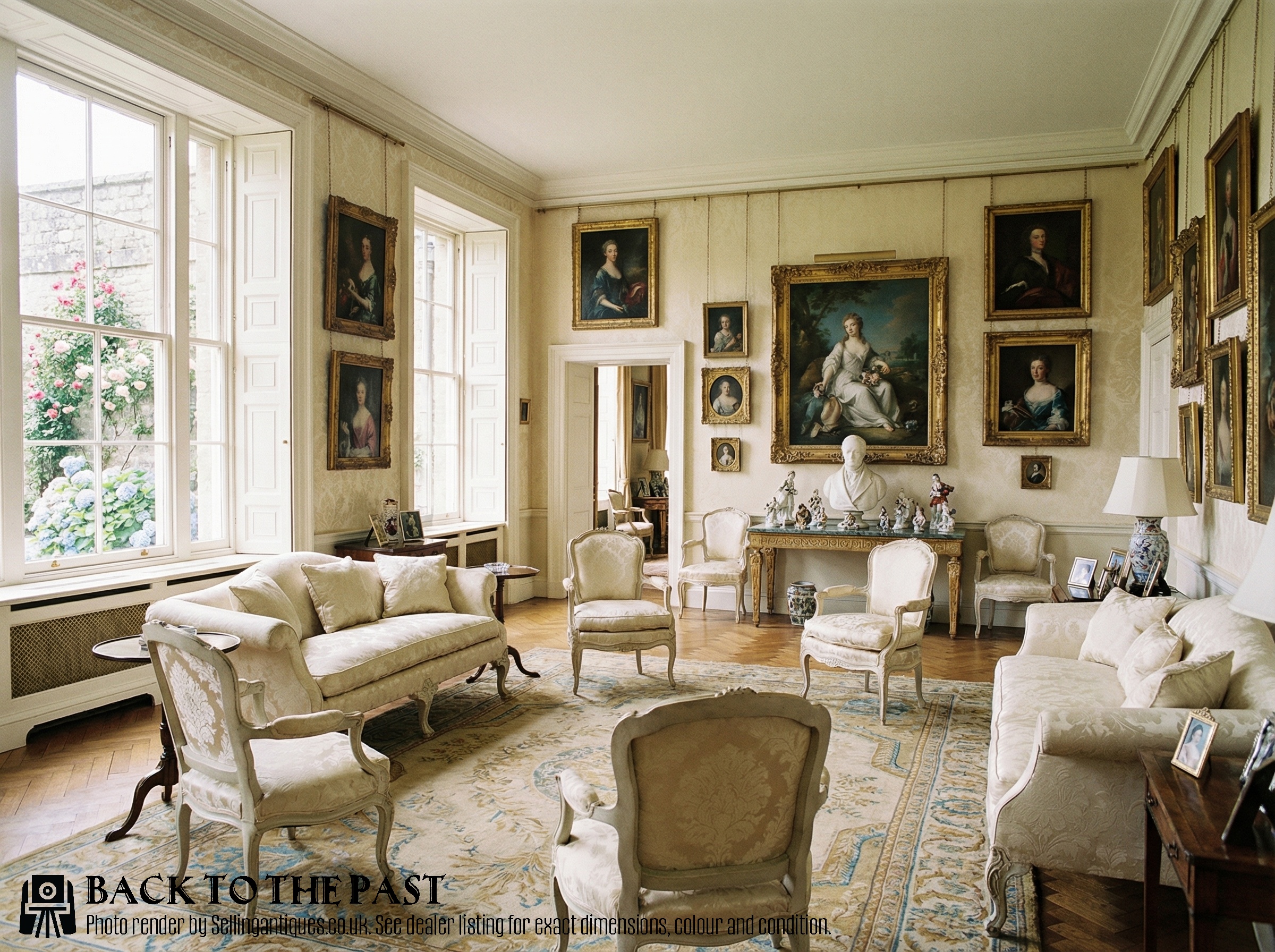
Carved Stone Bust
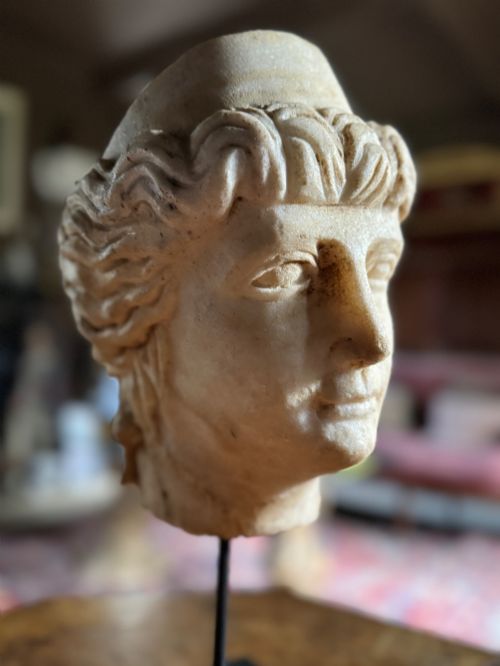
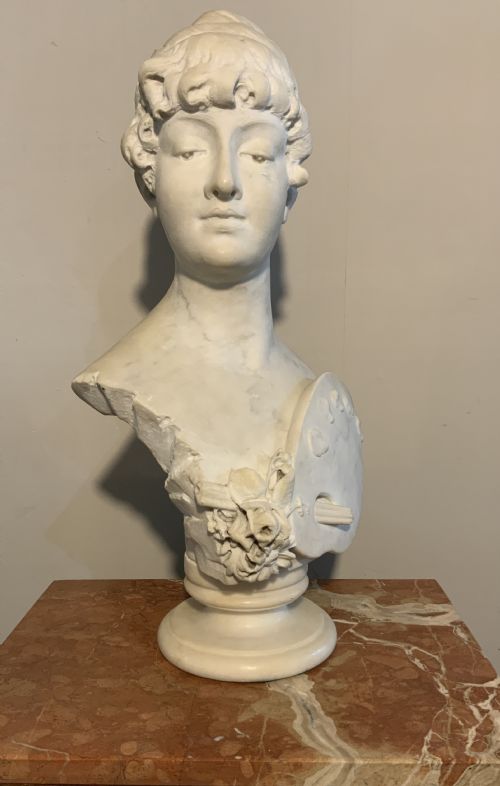
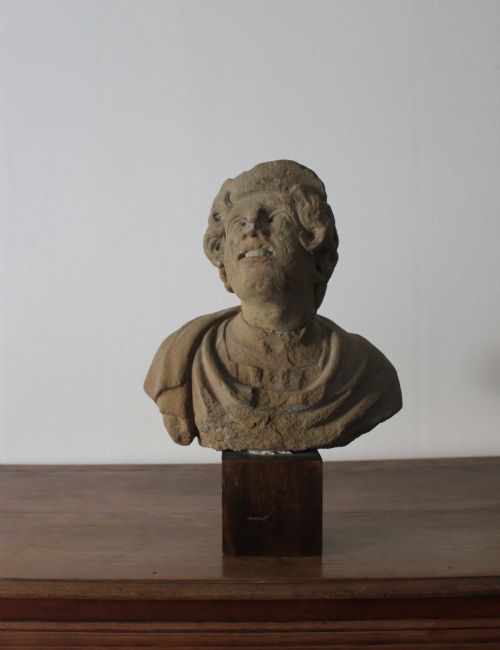
A carved stone bust captures the likeness of historical figures, literary icons, and anonymous subjects in solid materials. When exploring carved stone bust options, buyers encounter everything from ancient limestone fragments to grand nineteenth-century neoclassical portraiture.
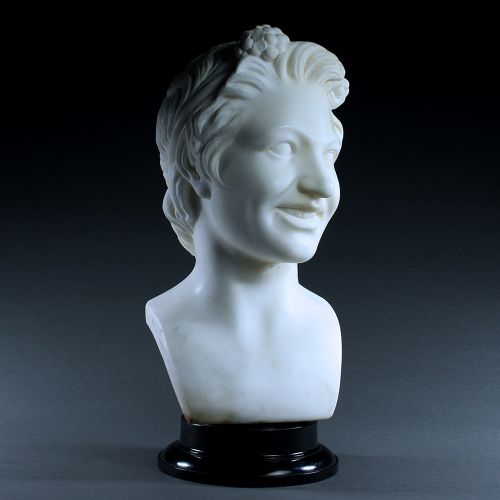
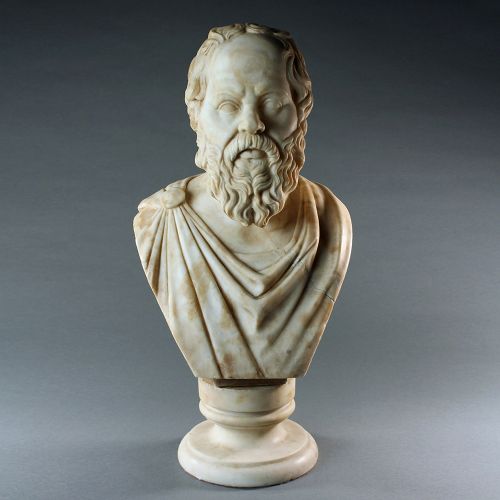
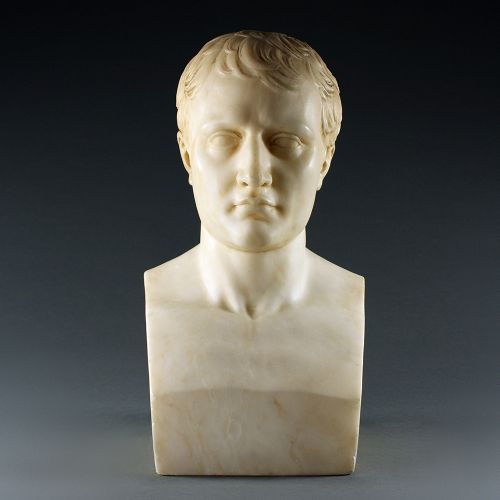
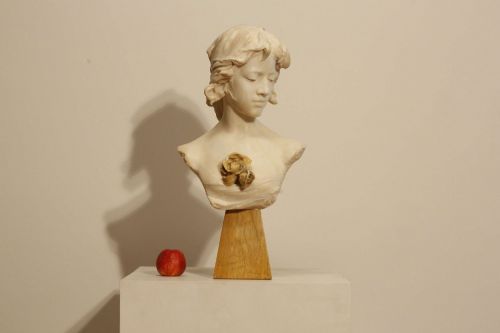
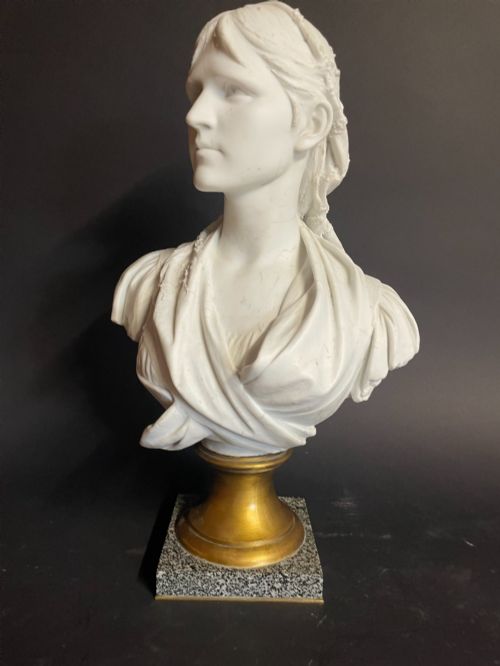
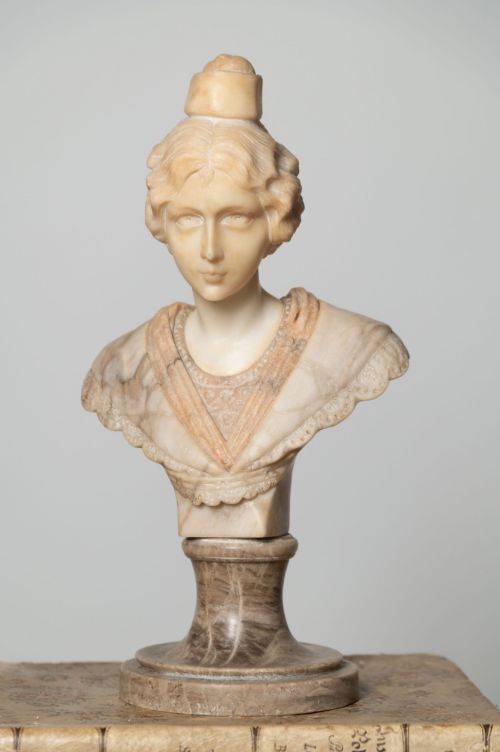
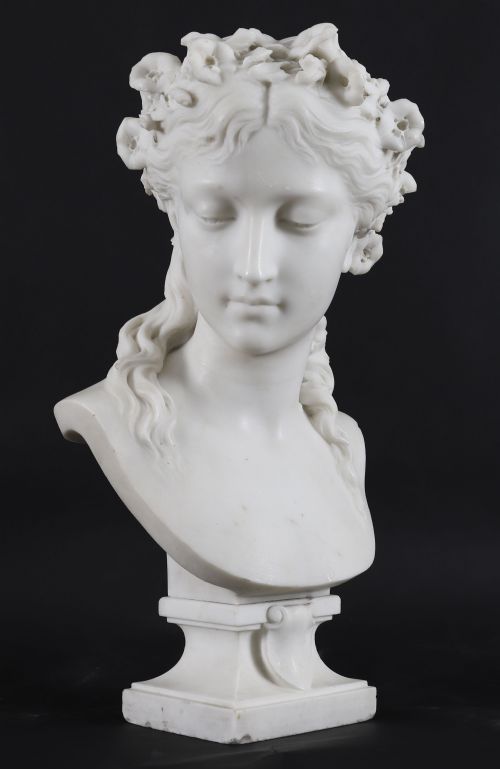
Nineteenth-century examples dominate the selection, heavily influenced by neoclassical tastes and Grand Tour souvenirs from Italy. These pieces frequently depict mythological figures, noblemen in armour, and young girls carved from bright white marble or translucent alabaster.
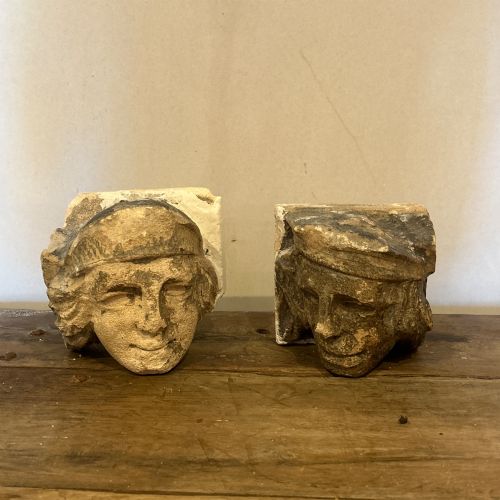
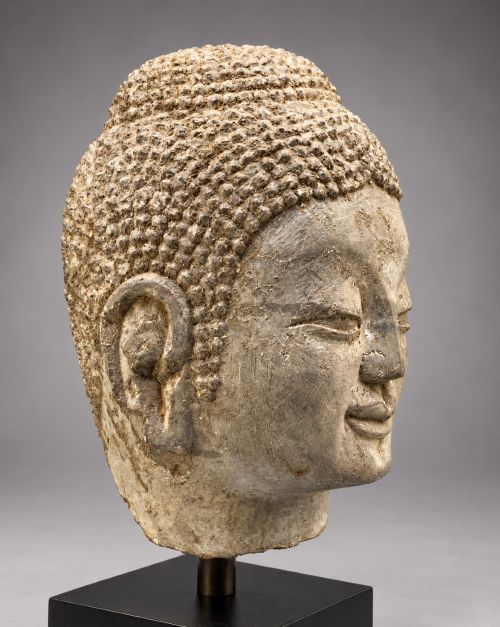
Earlier medieval fragments and Asian stone sculptures also appear, alongside twentieth-century library busts of figures such as Dante Alighieri. The form ranges from monumental civic portraits down to smaller domestic library pieces designed for interior display.
Materials and carving techniques
Sculptors utilised white marble, Carrara marble, alabaster, and various limestones to shape these portraits. Alabaster provides a softer, warm translucency that catches light differently than dense, uniform Carrara marble.
Artisans employed chisels, rasps, and drills to carve the stone, finishing the surfaces with abrasives to achieve smooth flesh tones or textured drapery. Signatures and dates incised directly into the material often record the hand of the maker or the workshop origin.
Carved Stone Bust Retail Price Guide 2026
Typical asking prices for carved stone bust among the pieces listed under this phrase on Sellingantiques today, from the lower quarter to the upper quarter. They describe what is for sale here now, not the wider market.
Library busts of Dante Alighieri let you quietly debate Italian poetry with a stony-faced fourteenth-century master every single day.
Factors influencing quality
The sensitivity of the carving dictates the success of the portrait, particularly in the rendering of facial expressions, hair, and the folds of clothing. Superior works capture a convincing lifelike quality and anatomical precision rather than rigid, mechanical symmetry.
The choice and purity of the stone directly affect the final appearance, with flawless white marble commanding greater attention than stone marred by heavy natural veining or old repairs. Documented signatures by known sculptors elevate the standing of a piece within the field.
Houdon·Eugene Aizelin·J Francis·Auguste Henri Carli·R Mattei·John Wenlock Rollins·Mieczyslaw Leon Zawiejski
The Carved Stone Bust Glossary
- Carrara marble
- A type of white or blue-grey marble quarried in the city of Carrara in Tuscany, prized by sculptors for its fine grain and uniform appearance.
- Alabaster
- A fine-grained, translucent stone that is softer than marble, frequently utilised for nineteenth-century portrait busts and decorative carvings.
- Neoclassical
- A Western cultural movement drawing inspiration from the classical art and culture of ancient Greece and Rome, prevalent in sculpture during the eighteenth and nineteenth centuries.
- Corbel
- A structural piece of stone jutting from a wall to carry a superincumbent weight, often carved into figurative or architectural shapes in medieval buildings.
- Grand Tour
- A traditional trip of Europe undertaken by upper-class European young men of sufficient status, resulting in the acquisition of classical antiquities and Italian marble sculptures.
Carved Stone Bust: Frequently Asked Questions
How do I date a marble bust?
Dating relies on stylistic clues, clothing, hairstyle, and the tooling marks left on the underside or back of the stone. Nineteenth-century pieces often reflect neoclassical ideals, while earlier fragments show distinct weathering and tool use characteristic of medieval or ancient work.
Signatures, census records of the depicted subject, and remnants of old collection labels can also help narrow down the specific decade of creation.
What is the difference between marble and alabaster?
Marble is a metamorphic rock formed from recrystallised carbonate minerals, offering high durability and a solid, opaque appearance. Alabaster is a softer mineral that transmits light slightly due to its inherent translucency.
Because alabaster scratches more easily than marble, it requires gentler handling during cleaning and placement.
How should I clean and maintain a stone sculpture?
Dusting gently with a soft, dry microfibre cloth removes everyday particles without harming the delicate surface finish. Avoid using water, household detergents, or chemical cleaners, as these can stain porous stone or degrade softer alabaster.
Professional conservation is recommended for removing stubborn grime or securing old repairs.