



Carved Stone Basin
A carved stone basin brings quiet permanence to a garden or interior, offering centuries of utility translated into sculpture.
Carved Stone Basin
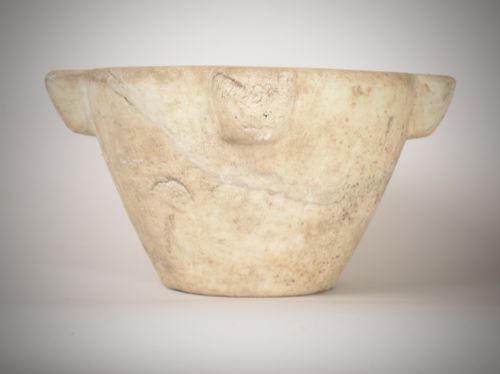
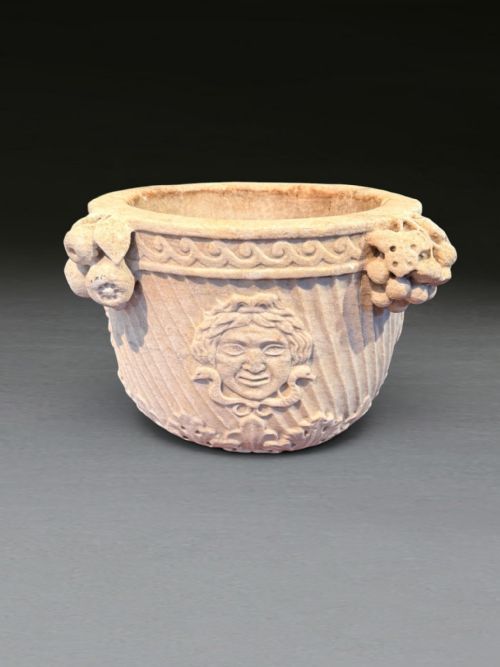
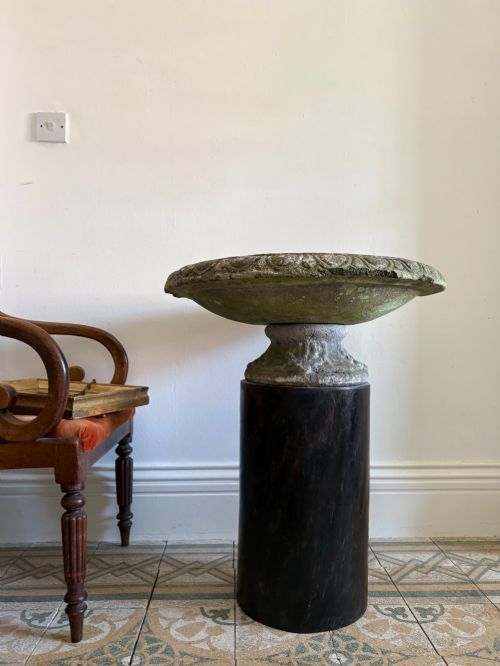
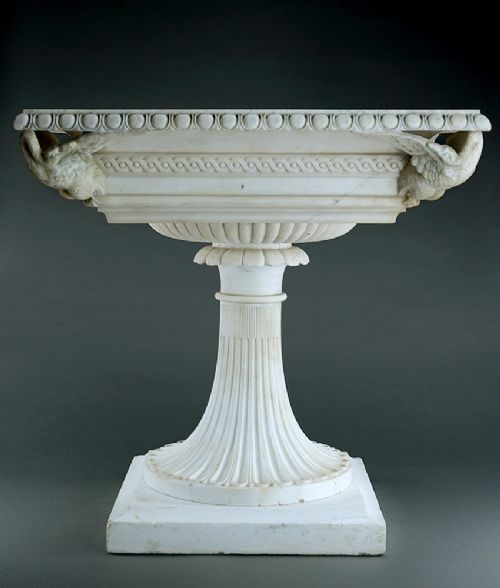
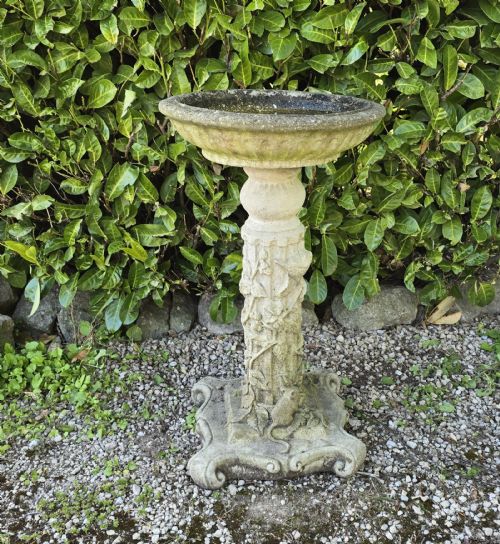
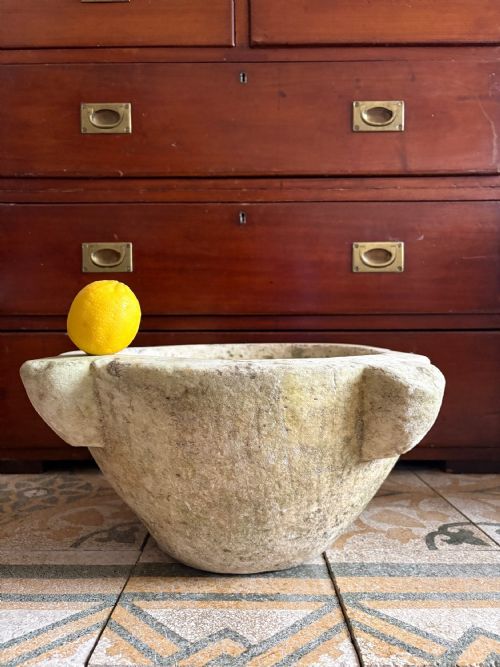
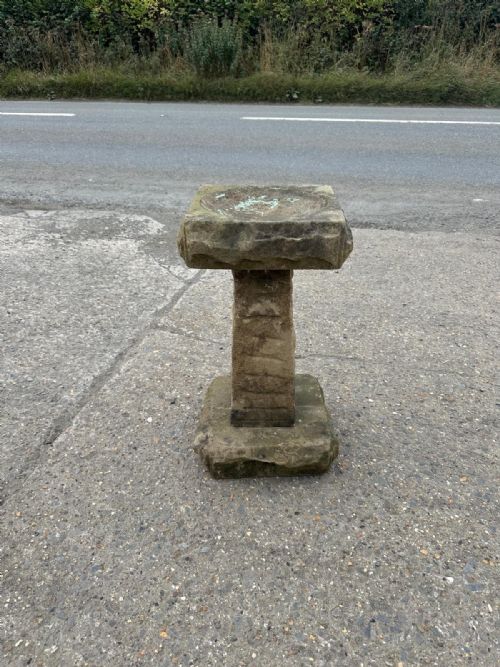
A carved stone basin encompasses utilitarian kitchenware, monumental garden planters, and devotional fonts shaped from natural and cast mineral deposits. When exploring a carved stone basin on this page, buyers most frequently encounter heavy seventeenth to nineteenth-century mortars, weathering garden bird baths, and neoclassical marble vessels.
The utility of these objects shifted across centuries from domestic kitchen food preparation and apothecary grinding to formal landscaping and terrace display. Many surviving examples carry the rich patination of age, showing deep tool marks from manual chiselling or centuries of exposure to the elements.
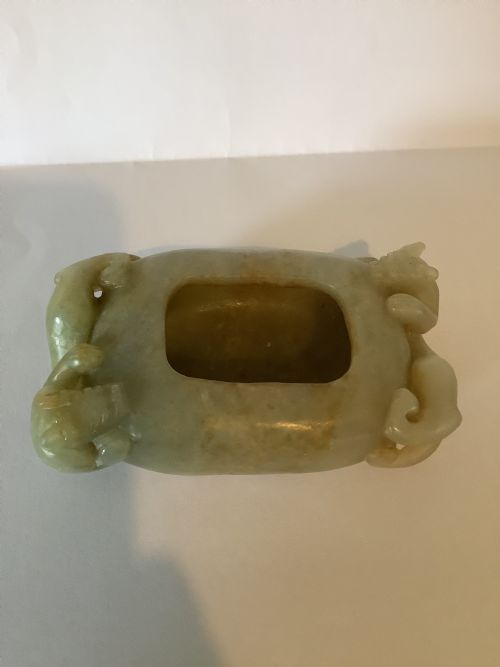
Origins span English country workshop production, Italian Renaissance quarries, and Chinese scholar objects fashioned from jade. Forms range from low round mortars and deep cisterns to raised tazzas on pedestals and reclaimed structural troughs.
Materials and construction
Masons utilised dense natural materials including hard sandstones, Purbeck stone, and various grades of marble such as Carrara and Sienna. The reduction of solid block stone required heavy mallets, tooth chisels, and abrasive friction to hollow deep cavities.
Later nineteenth and twentieth-century examples introduce cast stone and reconstituted stone mixes poured into moulds to replicate older carved forms. Jade pieces demand precision abrasive drilling and polishing techniques distinct from architectural stonemasonry.
Current listings demonstrate a broad chronological span, running from pre-sixteenth century fragments up to mid-twentieth century garden stone.
Assessing quality and character
Quality rests in the harmony of proportion, the crispness of surviving carved detail, and the depth of natural weathering acquired over time. Superior pieces demonstrate confident handling of the chisel, where handles, rims, and pedestals integrate structurally with the main vessel.
The choice of raw mineral matter dictates the baseline quality, with fine-grained white marble and figured Sienna holding higher sculptural status than utilitarian sandstone. Historical association, such as marble sourced from Grand Tour excavations or documented Italian workshops, further elevates an object.
The Carved Stone Basin Glossary
- Mortar
- A heavy bowl-shaped vessel traditionally used with a pestle for crushing and grinding substances. Older kitchen and apothecary examples display deep interior scoring from heavy daily use.
- Labrum
- A large Roman-style basin or bath typically supported on a pedestal, revived during the neoclassical period. Grand Tour travellers frequently collected these marble showpieces for estate gardens.
- Tazza
- A shallow ornamental saucer-like basin mounted on a stem and foot. Italian carvers utilised marble to elevate these forms for display on garden terraces.
- Cistern
- A large storage reservoir for water or liquids, often carved with relief panels or neoclassical swags. These architectural elements functioned inside grand houses before moving outdoors.
- Purbeck stone
- A fossiliferous limestone quarried in Dorset, prized for its durability and dark polish. It appears frequently in British garden bird baths and troughs.
Carved Stone Basin: Frequently Asked Questions
How do I clean an old stone basin?
Gentle washing with warm water and a soft bristle brush removes accumulated organic debris without harming the surface patination. Avoid harsh chemical cleaners or pressure washers, which strip away centuries of weathering and soften the stone structure.
Allow the basin to dry naturally to inspect the mineral grain. Preserving lichen and moss growth on garden pieces maintains their visual character and historical appearance.
Can these stone basins stay outside in winter?
Most natural stone and dense marble basins tolerate cold weather if drained completely before freezing temperatures arrive. Trapped standing water that freezes inside the cavity expands and can crack even the hardest sandstone or cast stone.
Elevating heavy troughs slightly off the ground on slate shims prevents moisture absorption from damp soil. Placing vulnerable items under cover during severe frost adds an extra layer of protection.
How do I distinguish old stone from modern cast stone?
Natural carved stone displays continuous tool marks, slight asymmetries, and mineral veining unique to hand-hewn extraction from a quarry block. Under close inspection, the surface reveals natural crystalline structures rather than uniform aggregate particles.
Cast stone and reconstituted pieces often show small surface air bubbles left by the pouring process and repetitive mould seams. The edges on cast items tend to feel more uniform and lack the organic wear of manual use.