
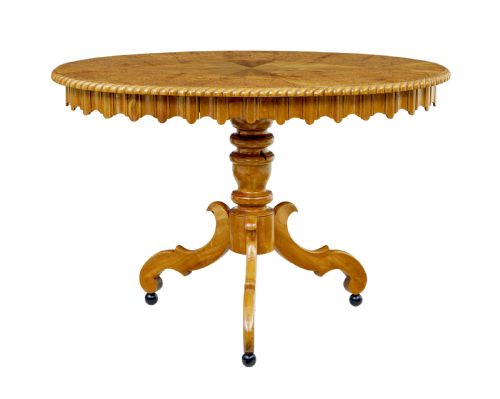
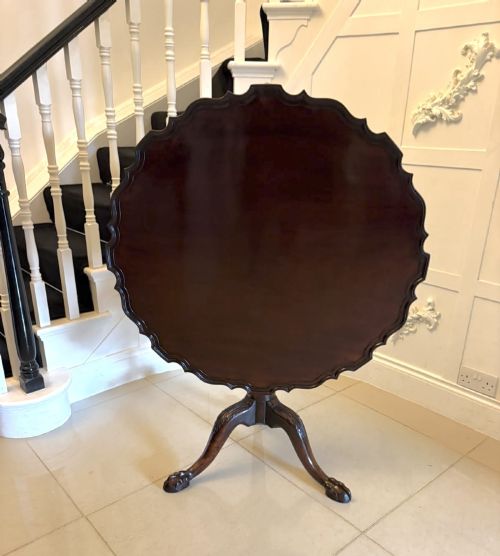
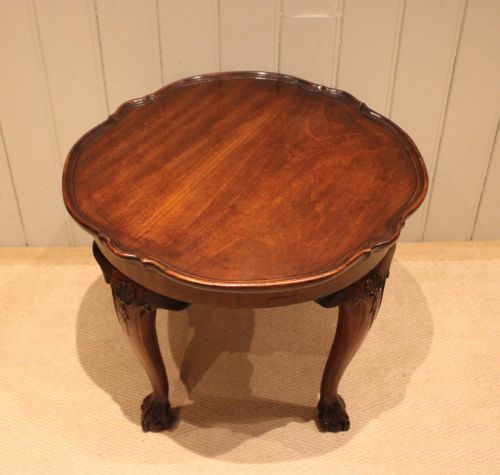
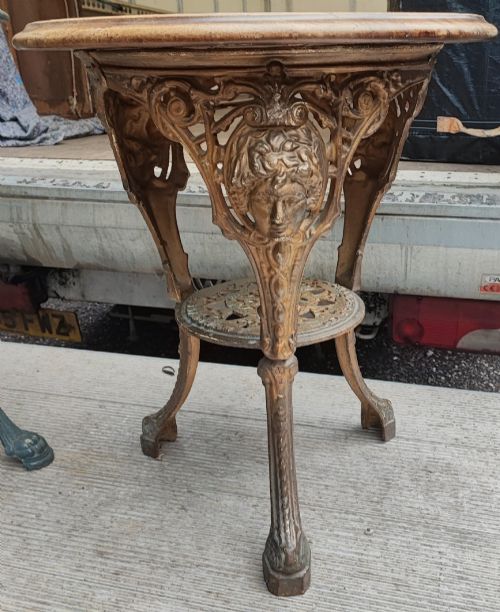

Carved Round Side Table
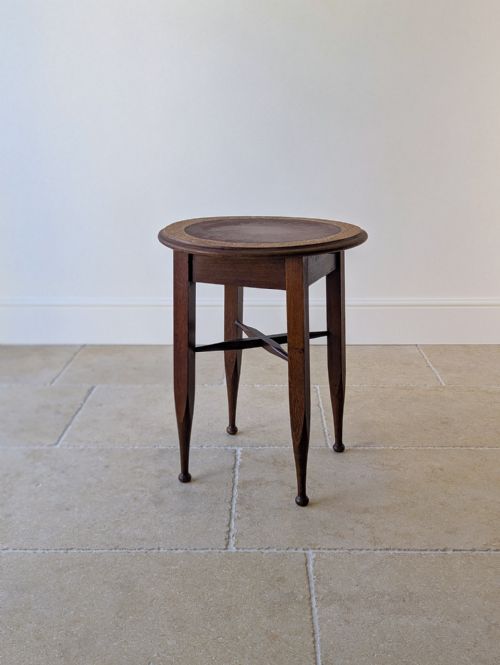
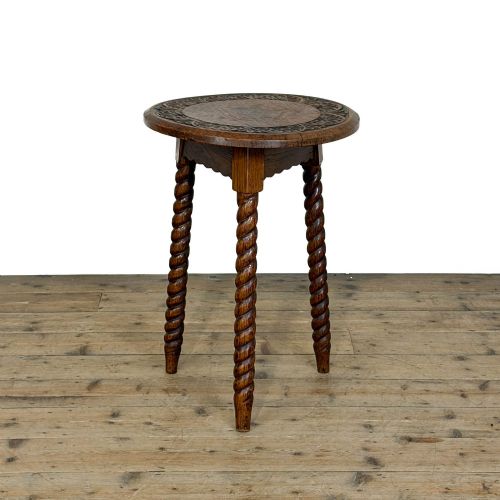
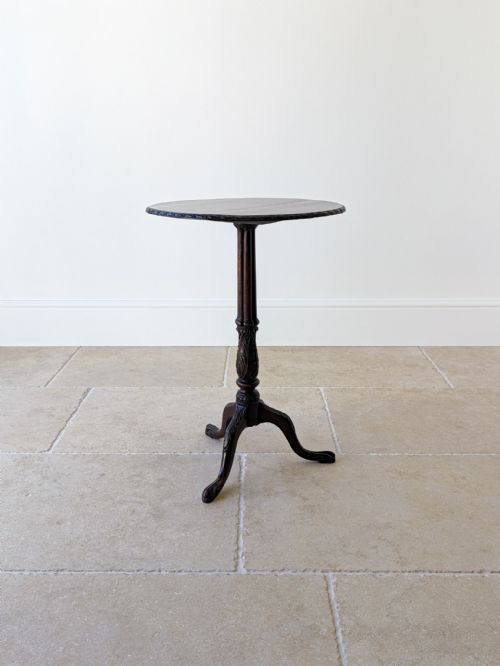
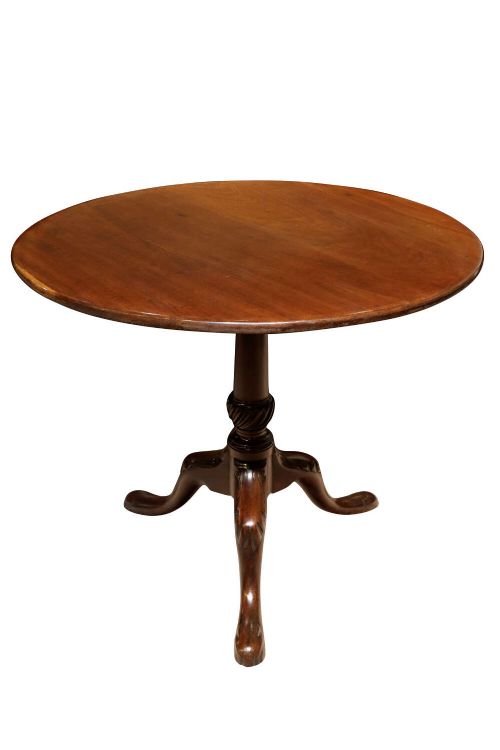
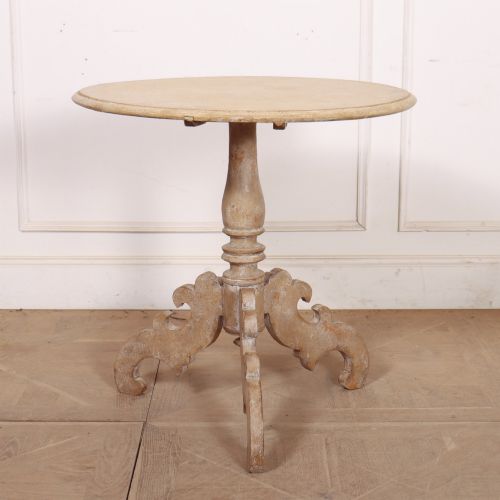
These carved round side table examples combine compact proportions with timber surfaces, offering practical display space for lamps and drinks.
Materials and construction methods
Cabinetmakers relied on hardwoods like mahogany, walnut, and oak for structural stability and fine surface carving. Timbers were selected for distinct grain patterns, including burr walnut and figured mahogany, which added visual depth to tabletop surfaces.
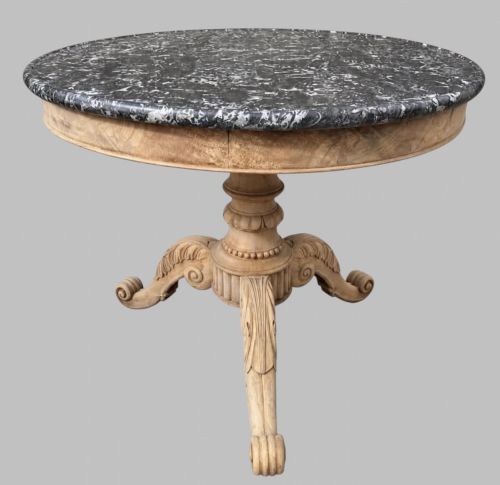
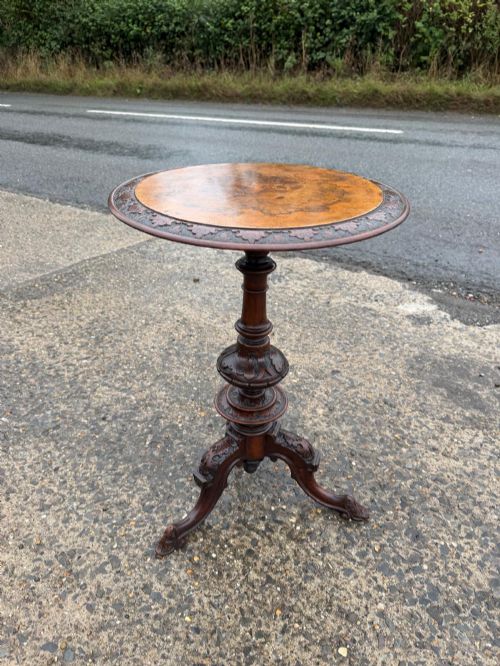
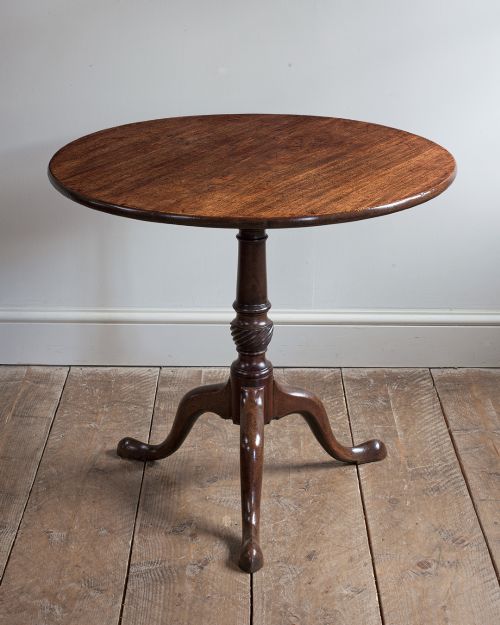
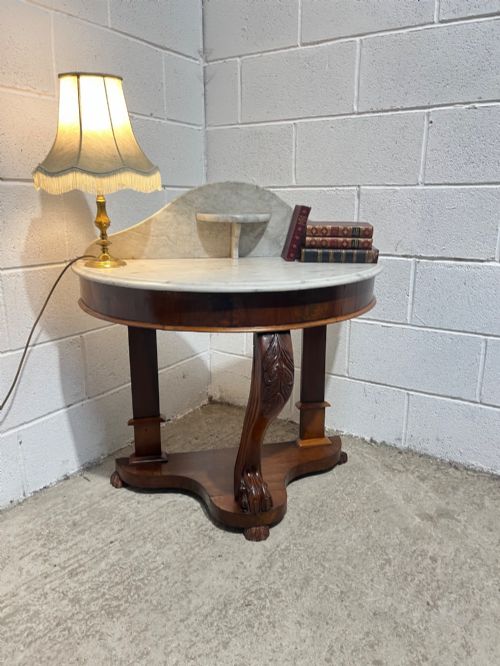
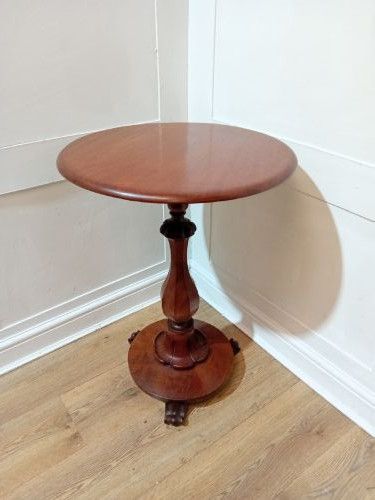
Pedestal construction typically involved a turned central column supported by three legs, occasionally utilising tilt-top mechanisms for storage convenience. Workshops also integrated inset materials such as marble and leather into wooden frames for specialised surfaces.
Distinctions in craftsmanship
The distinction between standard workshop output and superior examples lies in the crispness of the carving and the selection of timber veneers. Finely figured burr walnut and well-defined mahogany grain denote higher grade production.
Structural integrity depends on the rigidity of the central pillar joint and the alignment of tripod feet. Superior pieces maintain stable balance without wobble, displaying precise joinery that withstands daily use.
Several tilt-top examples still fold upright, proving our ancestors appreciated clever space-saving furniture just as much as we do.
Liberty of London·Waring & Gillow
The Carved Round Side Table Glossary
- Tripod table
- A small freestanding table supported by three legs radiating from a central pillar. These pieces gained popularity during the eighteenth and nineteenth centuries for versatile placement.
- Gueridon
- A small French table, often round and supported by a single central column or pillar. Originating in the seventeenth century, these tables frequently featured marble tops.
- Tilt-top table
- A table designed with a hinged mechanism allowing the surface to fold vertical when not in use. This clever engineering saved floor space in compact period rooms.
- Piecrust table
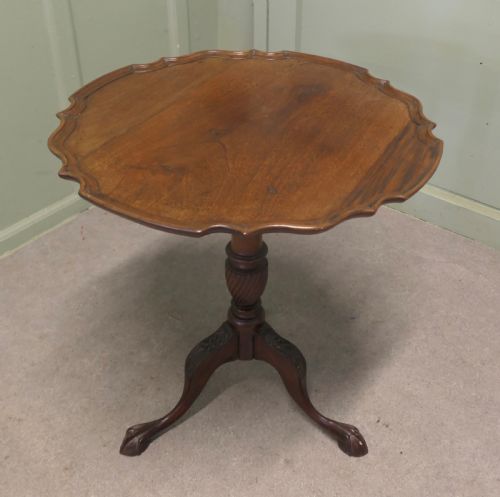
- A small occasional table featuring a raised, carved, and scalloped edge resembling pastry work. This decorative moulding required skilled hand carving from solid timber.
- Occasional table
- A light, easily movable table designed for periodic use in various domestic settings. These items served multiple functions including lamp and wine placement.
Carved Round Side Table: Frequently Asked Questions
What is a gueridon table?
A gueridon is a small circular table originating from French interior design, typically supported by a single central pedestal column. These pieces frequently incorporate marble tops and fine wood veneers.
Historically utilised for holding candles or decorative objects, they function well today as compact lamp tables in living spaces.
How do tilt-top tables work?
Tilt-top tables utilise a wooden or brass catch mechanism beneath the surface that allows the tabletop to pivot from horizontal to vertical. This design enabled historical owners to store the furniture flat against walls when not in use.
Buyers should inspect the pivoting block and pivot pin to ensure the mechanism operates securely without excessive play.
Where should I place a tripod table?
Tripod tables fit comfortably beside armchairs, in small corners, or between seating arrangements due to their compact circular footprints and slender three-legged bases. Their balanced proportions allow them to occupy minimal floor space.
They serve effectively as lamp stands, drink supports, or display surfaces for small decorative objects without crowding a room.
How do I identify a Victorian lamp table?
Victorian lamp tables frequently display turned wooden pedestals, tripod legs, and dense hardwoods such as mahogany or walnut. Carved details on the edge or base reflect the revival styles popular during the nineteenth century.
Checking the underside reveals traditional construction methods, including hand-cut joinery and period fixings that distinguish nineteenth-century production.