





Carved Rosewood Shelf
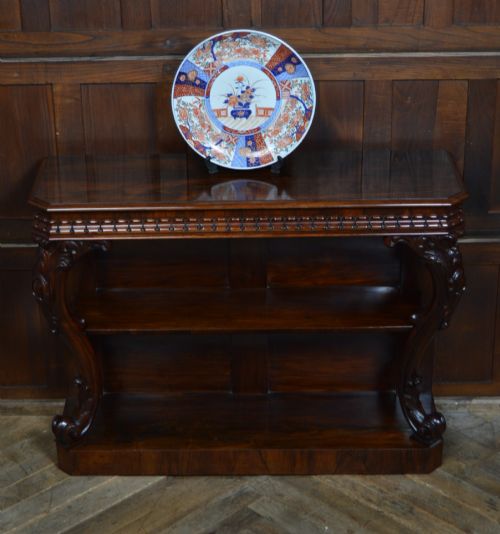
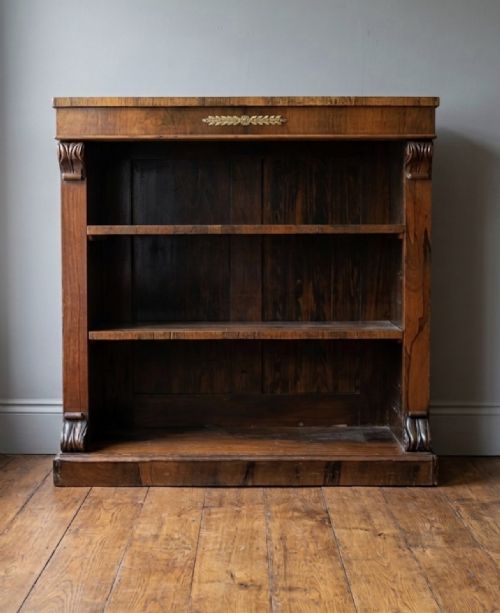
A carved rosewood shelf brings deep grain and architectural tiers to a room, functioning as a sturdy stage for books and decorative objects.
Carved Rosewood Shelf
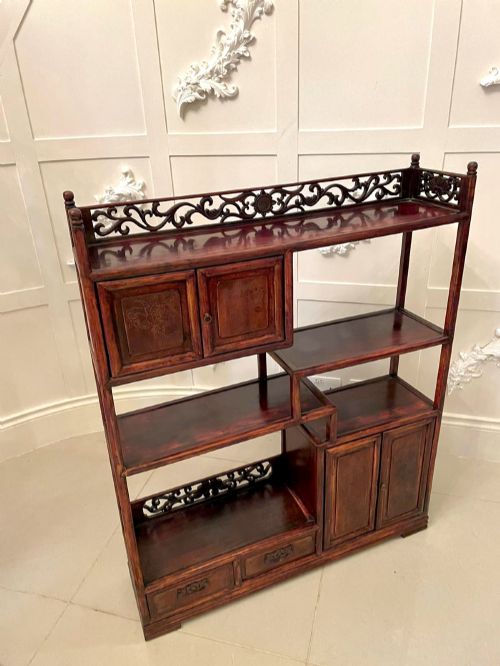
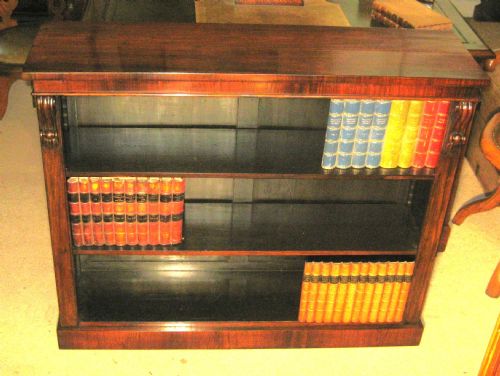
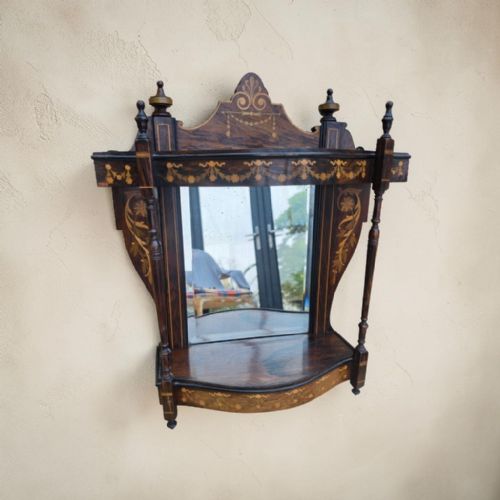
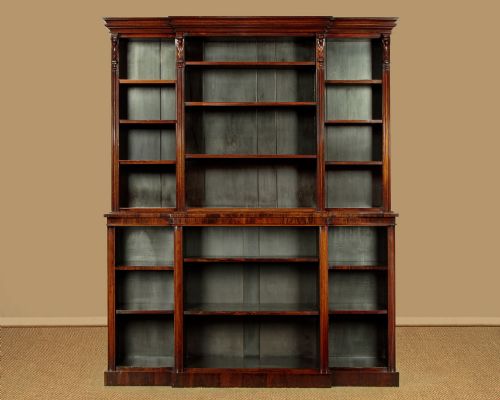
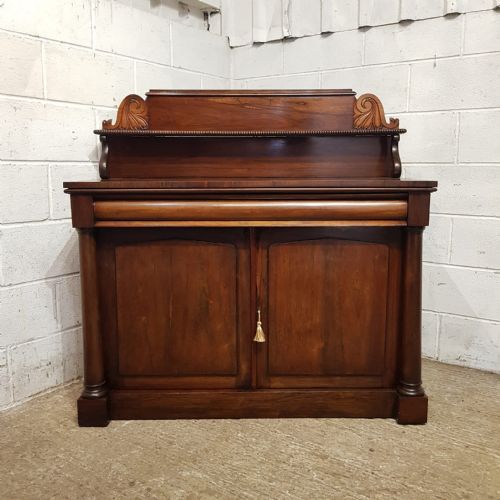
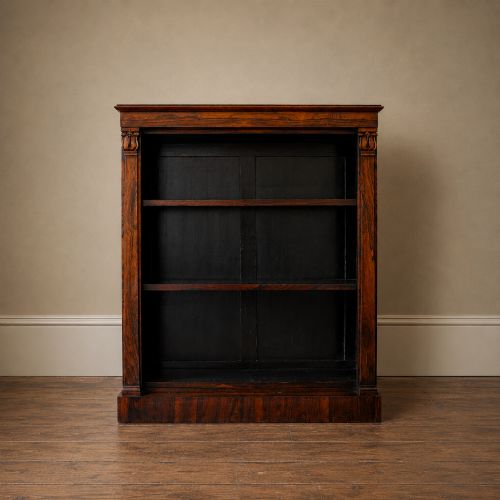
When you search for a carved rosewood shelf, you encounter pieces spanning the Regency, Victorian, and Edwardian periods, alongside Chinese and Japanese examples from the nineteenth century. These objects include open bookcases, tiered whatnots, wall brackets, and display cabinets designed to hold books, ceramics, and ornaments.
The most common versions on this page are nineteenth-century Victorian and Regency open bookcases, alongside multi-tiered whatnots and wall-mounted brackets. Makers constructed these pieces from solid timber or rosewood veneer applied over secondary hardwoods.
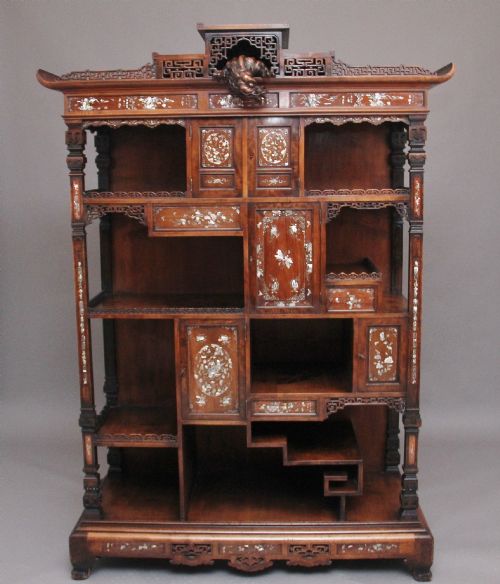
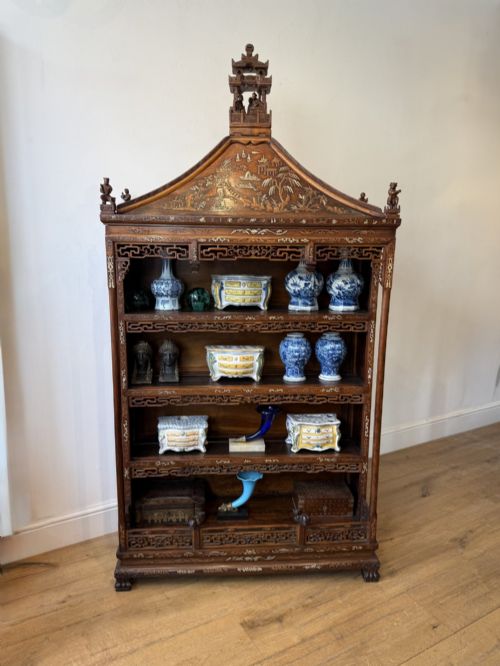
Forms range from simple hanging bracket shelves to elaborate breakfront bookcases with adjustable shelves and carved corbels. Anglo-Indian and East Asian pieces introduce dense hand-carved motifs and pagoda-style silhouettes to the selection.
How they were made
Cabinet makers utilised dense rosewood and rosewood veneer applied to hardwood carcases, often incorporating architectural mouldings and turned supports. Timber selection focused on rich grain patterns and deep natural colouration.
Carving was executed by hand, producing crisp leaf motifs, corbels, and pierced galleries on whatnots and bookcases. Structural joints relied on traditional cabinet-making methods to support heavy volumes and display pieces.
The selection includes both British Regency and Victorian library furniture alongside Japanese Meiji period shodana cabinets.
What varies in quality
The distinction between ordinary and exceptional pieces rests on the depth and crispness of the hand-carved detail, particularly on corbels, brackets, and uprights. Superior items exhibit finely turned columns, well-figured timber veneer, and robust structural integrity.
Proportion and utility define the upper tier of the range, seen in bookcases with smoothly operating adjustable shelving and whatnots possessing balanced, stable tiers. Lesser examples display plain surfaces, heavy restorations, or unrefined secondary timbers.
Robert Strahan·Gillows
The Carved Rosewood Shelf Glossary
- Whatnot
- A moveable set of open shelves used for displaying ornaments and small objects, popular throughout the nineteenth century. They often feature three or more tiers supported by turned columns.
- Rosewood
- A heavy, dense timber valued for its dark purple-brown colour and contrasting black grain lines. It takes a high polish and was favoured for fine cabinet work.
- Breakfront
- A piece of furniture where the central section projects forward from the flanking wings. This architectural arrangement creates depth and shadow on bookcases and cabinets.
- Corbel
- A structural bracket projecting from a wall to support a weight, frequently carved with scroll or leaf designs. On bookcases, they visually anchor the uprights to the shelves.
- Shodana
- A Japanese display cabinet featuring asymmetrical shelving, cupboards, and sliding doors. These pieces often incorporate elaborate carved motifs and were produced during the Meiji period.
Carved Rosewood Shelf: Frequently Asked Questions
How do I care for a rosewood shelf?
Dust the timber regularly with a soft, dry cloth to prevent accumulation in carved recesses. Avoid placing the shelf near direct heat sources or strong sunlight to protect the polish and prevent wood movement.
Apply high-quality beeswax sparingly when the timber appears dry, buffing it gently to maintain the natural lustre of the rosewood grain.
Were these shelves made for books?
Many nineteenth-century pieces served specifically as open bookcases or library tables intended to house heavy volumes. Adjustable shelving allowed owners to customise shelf heights for different book sizes.
Other variants, such as whatnots and wall brackets, were designed primarily for displaying ceramics, decorative glassware, and ornaments rather than heavy reading material.
How do I distinguish Regency from Victorian pieces?
Regency pieces often display classical restraint, clean architectural lines, and influences from ancient Greek and Roman design. They frequently date from the early nineteenth century.
Victorian pieces tend to feature heavier carving, more ornate turned supports, and exuberant decorative details that reflect mid-to-late nineteenth-century tastes.
Can these shelves support heavy items?
Solid rosewood and hardwood shelves built during the nineteenth century possess substantial structural strength for everyday use. Wall-mounted brackets require secure fixing to solid masonry or wall studs to bear significant weight safely.
Freestanding bookcases and whatnots distribute weight across multiple uprights and feet, making them stable platforms for collections of books and decorative objects.