
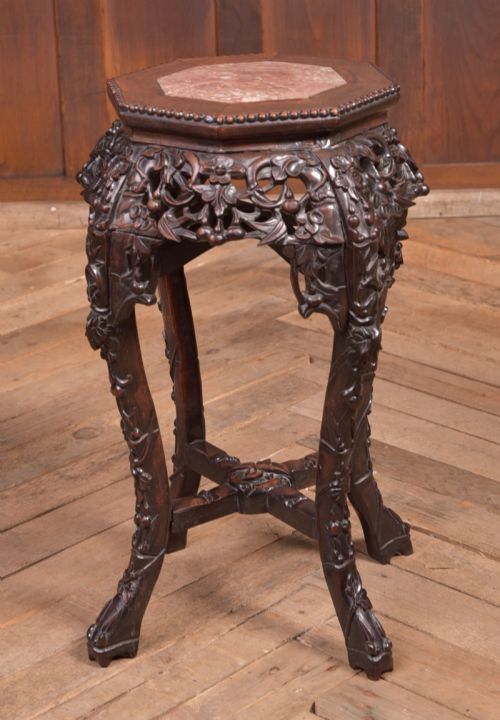
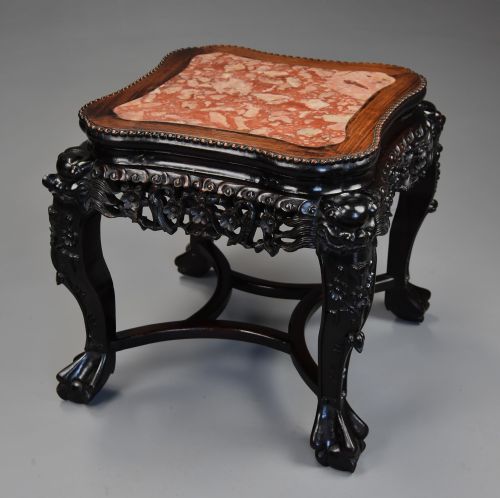
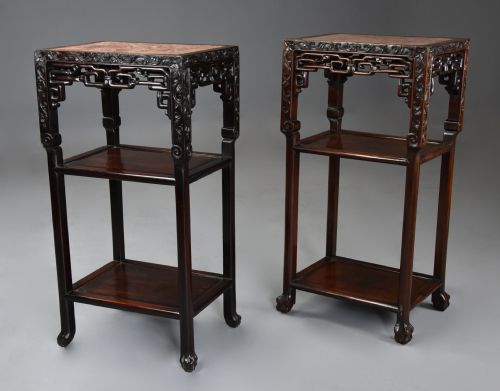
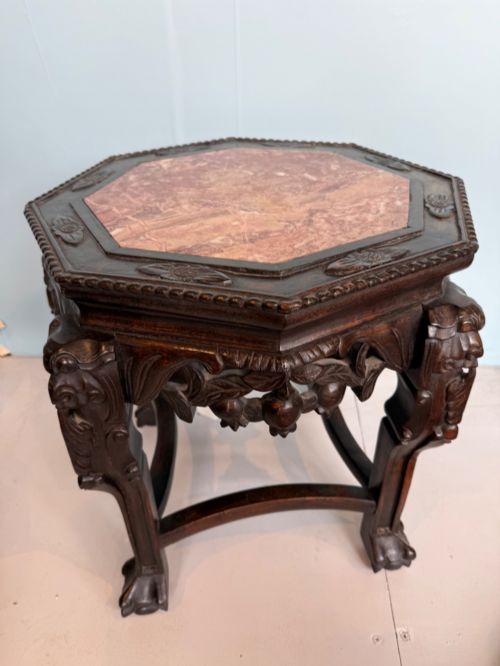


Carved Rosewood Marble Table
A carved rosewood marble table brings dense hardwood and cool stone together, offering a sturdy surface for plants or lamps.
Carved Rosewood Marble Table
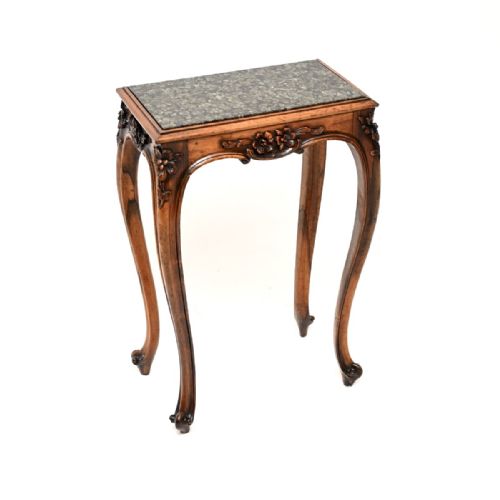
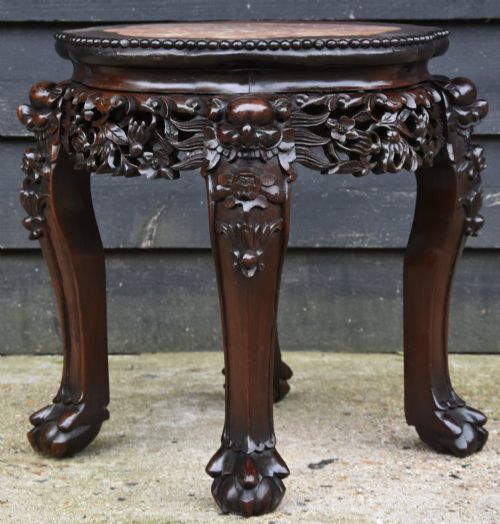
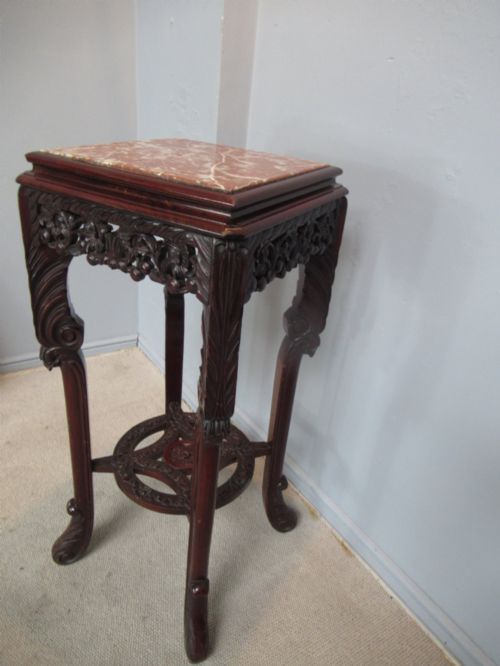
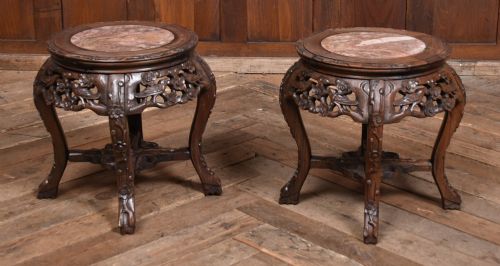
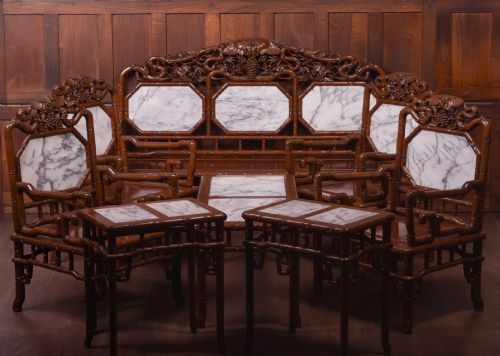
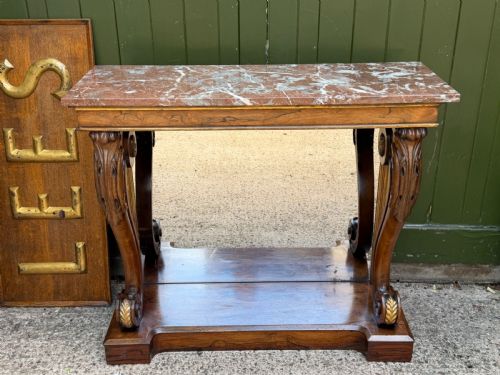
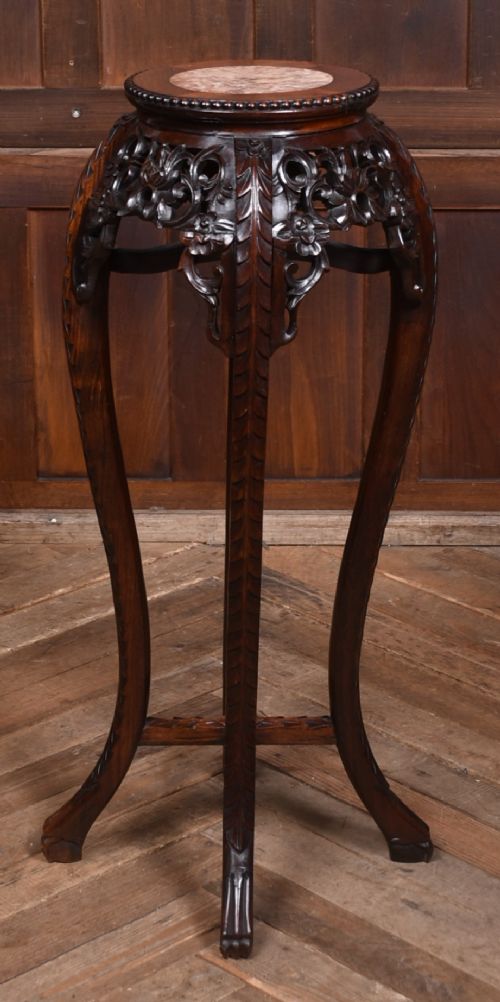
A carved rosewood marble table encompasses a variety of forms designed to display objects within a room. Buyers searching this phrase most frequently encounter nineteenth century Chinese hardwood stands and plant tables featuring inset stone tops alongside Regency and Victorian console or side tables.
The selection ranges from small pot stands and jardiniere pedestals to larger rectangular centre tables and side tables. Many originate from Chinese export workshops or Qing Dynasty traditions, utilising dense timber frames paired with smooth marble panels.
European variants also appear, particularly Regency and Victorian pieces employing rosewood frames with figured marble surfaces. These diverse forms share a heavy reliance on durable hardwoods combined with cool, polished stone.
Evaluating the pieces
Quality separates through the crispness of the hand-carving and the thickness of the selected timber. Superior examples display deep, sharply defined botanical or geometric relief work rather than shallow or soft moulding.
The choice of marble and how well it sits within the surrounding wooden rebate also dictates standard. Tightly fitted stone panels with rich natural veining distinguish finer tables from simpler utilitarian stands.
Several plant stands on this page spent decades holding heavy ferns before finding a second life supporting modern table lamps.
The Carved Rosewood Marble Table Glossary
- Rosewood
- A heavy, dense tropical timber prized for its dark grain and durability. It takes a high polish and resists wear.
- Jardiniere stand
- A tall table or pedestal specifically constructed to hold a heavy plant pot or floral arrangement. These usually feature a round or square marble inset top to protect the wood from moisture.
- Padouk
- An exotic tropical hardwood similar to rosewood, used extensively in Chinese furniture making. It provides a robust reddish-brown frame for stone panels.
- Console table
- A wall-mounted or freestanding table designed to stand against a vertical surface. Many period examples pair rosewood bases with decorative mirror backs and marble tops.
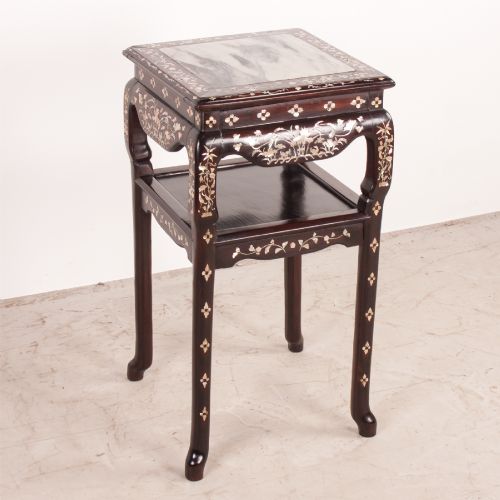
- Mother-of-pearl inlay
- Organic shell material embedded into carved wooden channels to create shimmering decorative patterns. This technique appears on select occasional tables.
Carved Rosewood Marble Table: Frequently Asked Questions
How do I clean the marble top?
Wipe the stone surface using a soft, damp cloth with mild soapy water. Avoid acidic cleaners or harsh chemicals that can etch the polished finish.
Dry the marble thoroughly with a clean microfiber towel to prevent water spots. Ensure no moisture seeps into the surrounding wooden frame.
Can these tables hold heavy lamps?
Most of these tables were built to support substantial items like ceramic planters, heavy vases, and bronze lamps. The dense hardwood frames provide significant weight-bearing capacity.
Larger centre and console tables offer even greater stability for everyday items. Smaller pot stands remain well-balanced due to their solid timber construction.
Where should I place a plant stand?
Position plant stands near natural light sources where potted foliage can thrive without blocking foot traffic. The marble insert protects the timber frame from accidental water spills during watering.
Keep them away from direct heat sources such as radiators to protect the antique rosewood timber from drying out. Ensure the floor surface is level so the tall stand remains stable.
How do I distinguish Chinese export pieces?
Chinese export furniture often displays traditional motifs, pierced aprons, and dense hardwoods like padouk or rosewood made for Western markets. The construction techniques utilise traditional mortise and tenon joints without metal fasteners.
Examine the carving style and wood patination for nineteenth-century characteristics. These pieces combine traditional Chinese forms with European room layouts.