


Carved Timber Flower Stand
These carved timber flower stand examples offer heavy hardwood pedestals and occasional tables designed to hold plants and urns.
Carved Timber Flower Stand
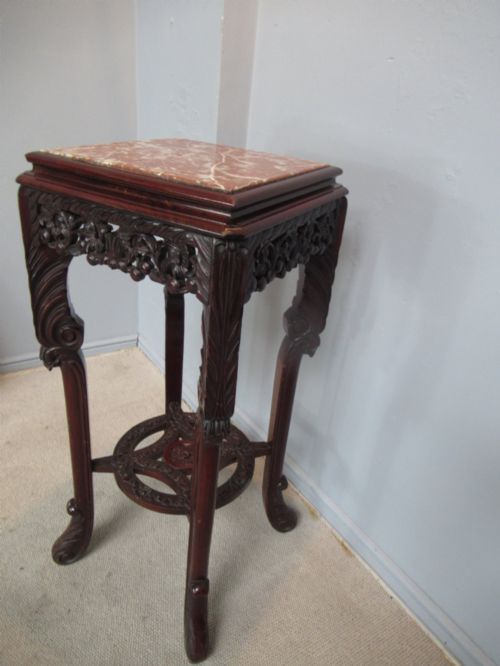
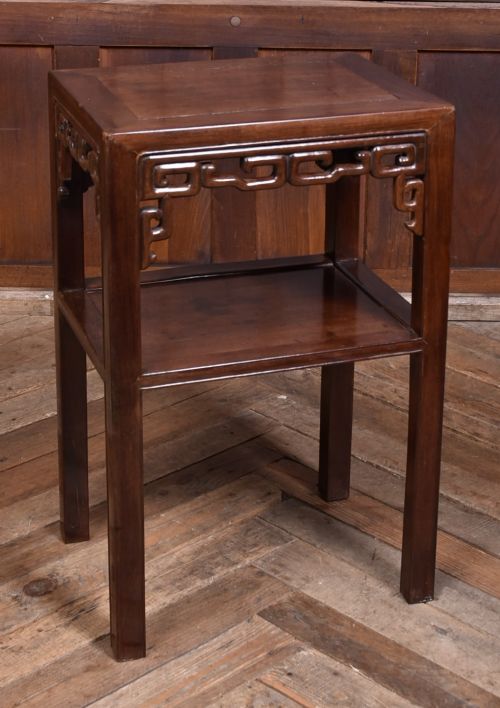
A carved timber flower stand takes the form of plant stands, jardiniere stands, occasional tables, and pedestals designed to elevate greenery and decorative vessels within a room. When searching for a carved timber flower stand, buyers encounter pieces originating primarily from Chinese export workshops, the Victorian era, and the Black Forest tradition.
Makers utilised dense timbers to support heavy marble inserts and ceramic pots without wobbling. Buyers find both single stands and matched pairs suitable for framing architectural doorways or corners.
How they were made
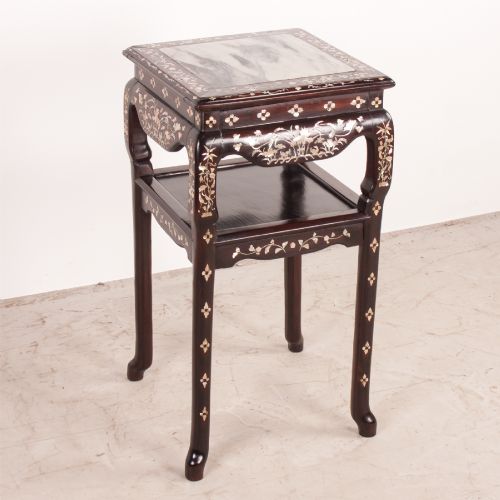
Craftsmen shaped dense woods including rosewood, walnut, mahogany, and huali hardwood using traditional joinery and deep carving techniques. Many oriental examples incorporate inset marble tops designed to resist water damage from damp plant pots.
Decoration often includes intricate mother-of-pearl inlay embedded directly into the timber surface alongside elaborate floral and figurative carvings. Workshops employed seasoned timber to handle the weight of stone panels and the stresses placed upon tall, slender pedestal legs.
Some nineteenth-century makers inlaid tiny shimmering sea shells into dark timber just to make a plant pot look like it sat upon the ocean floor.
What varies in quality
The depth and crispness of the carving dictate much of the visual distinction across these stands, with sharper relief work marking out superior examples. The choice of timber also plays a role, as heavy huali hardwood or rich rosewood demonstrates a higher grade of material selection than standard domestic softwoods.
The integration of the marble top influences the overall standard, particularly how flush the stone sits within the wooden frame. Intricate mother-of-pearl inlay work that remains complete without missing segments indicates careful preservation and superior initial execution.
The Carved Timber Flower Stand Glossary
- Jardiniere stand
- A tall piece of furniture built specifically to hold a decorative ceramic plant pot or flower container. These stands often feature elevated platforms and water-resistant tops.
- Huali hardwood
- A prized fragrant timber utilised in Chinese furniture manufacturing known for its strength and rich grain patterns. Craftsmen favoured it for heavy decorative tables and stands.
- Mother-of-pearl inlay
- A decorative technique embedding shimmering shell fragments into carved recesses within a wooden surface. This method creates contrasting patterns that catch ambient light.
- Pedestal
- A structural support column or base used to elevate statues, vases, or floral arrangements above floor level. They provide stable vertical presence in interior spaces.
- Chinese export
- Goods manufactured in China specifically for Western markets during the nineteenth century and earlier. These items combined traditional Eastern craftsmanship with European functional preferences.
Carved Timber Flower Stand: Frequently Asked Questions
Where should I place a plant stand?
These stands fit well in corners, beside seating furniture, or framing architectural doorways where they can support heavy ceramic pots and decorative vases.
Ensure the placement keeps the timber away from direct heat sources and excessive moisture to protect the polished wood surfaces.
Can these stands hold heavy pots?
Most nineteenth-century examples utilise dense hardwoods like rosewood and walnut alongside solid stone inserts built to carry substantial weight.
Check the diameter of the top platform to ensure your chosen vessel sits securely without overhang.
What is a jardiniere stand?
A jardiniere stand functions as an elevated platform specifically constructed to display potted plants and floral arrangements inside domestic rooms.
They frequently incorporate marble tops to prevent water damage from overflowing saucers.