
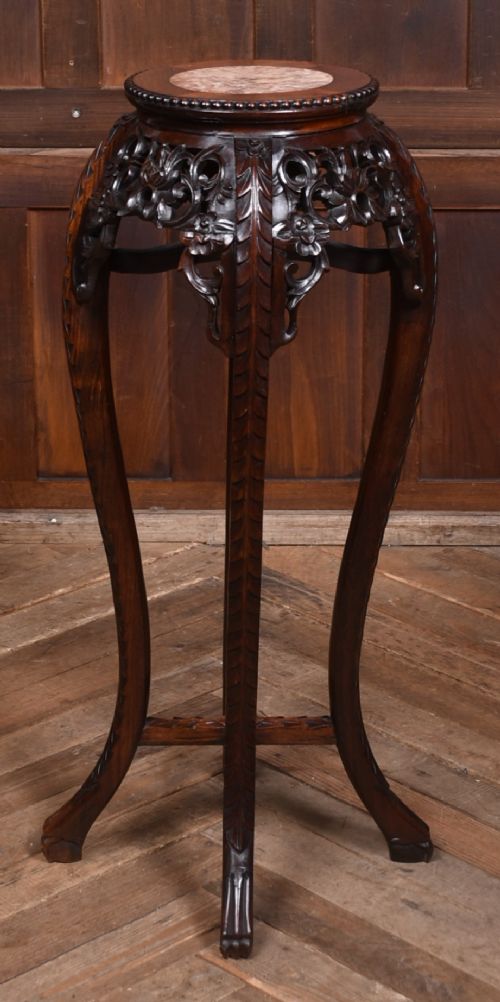


Antique Chinese Urn Pedestal
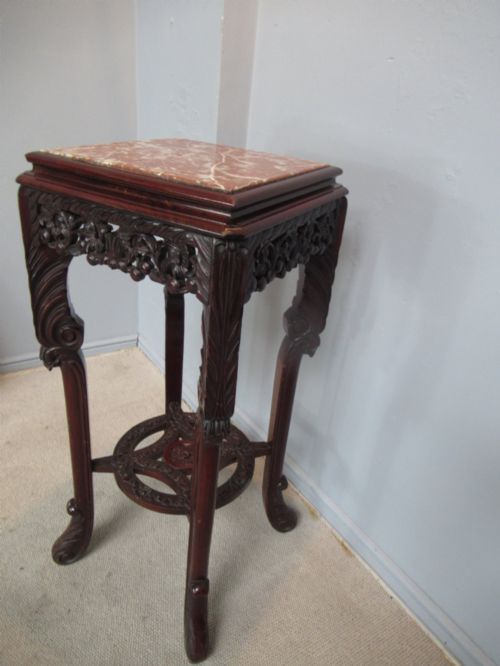
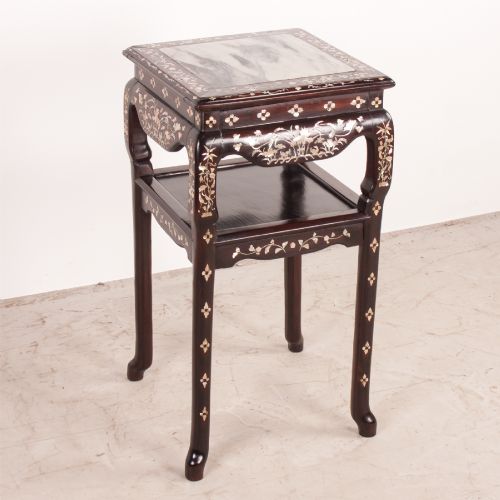
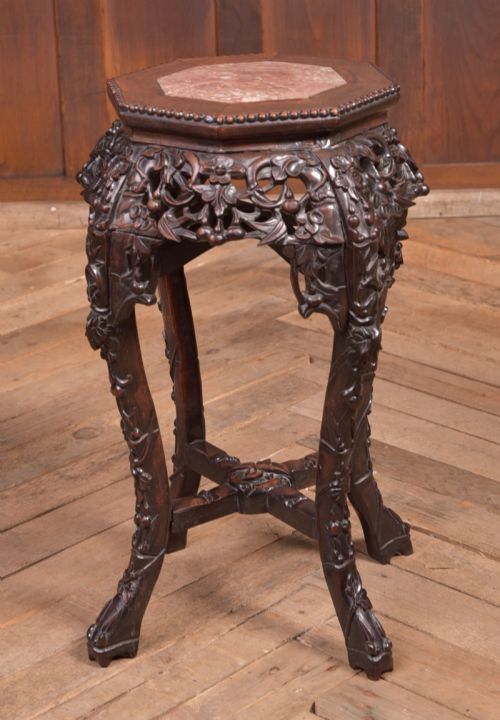
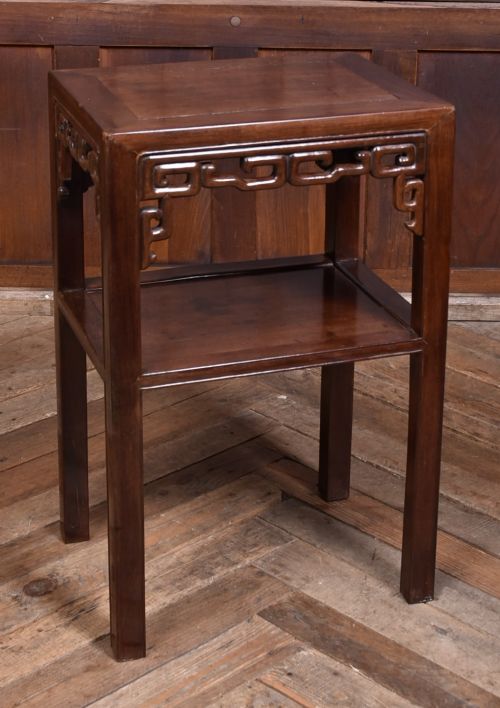
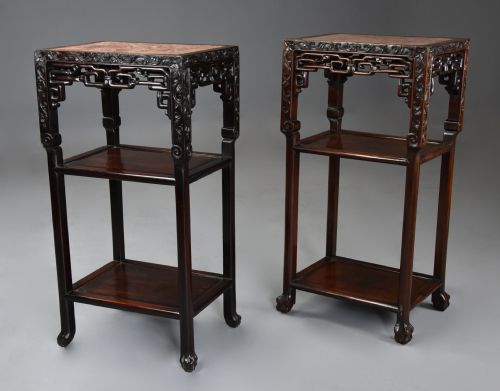
An antique chinese urn pedestal holds a heavy vessel or plant above the floor, bringing carved wood and inset stone into a room.
Antique Chinese Urn Pedestal
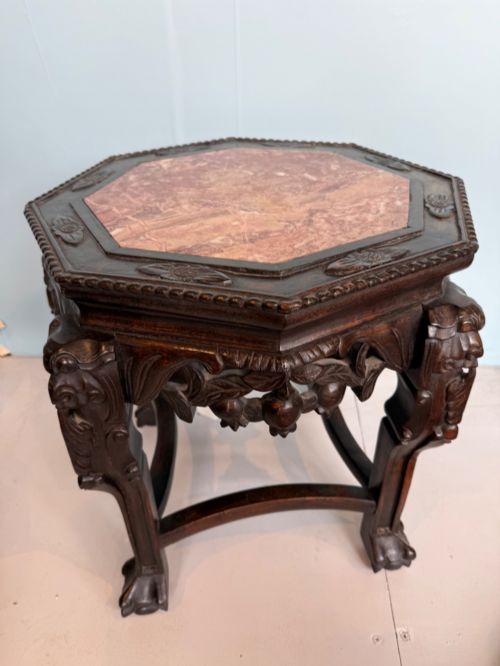
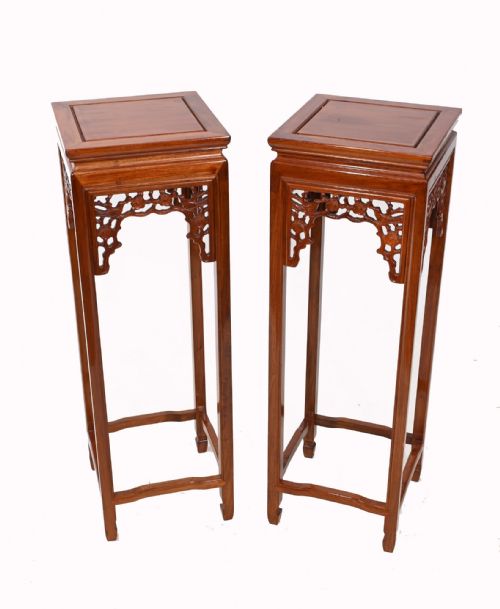
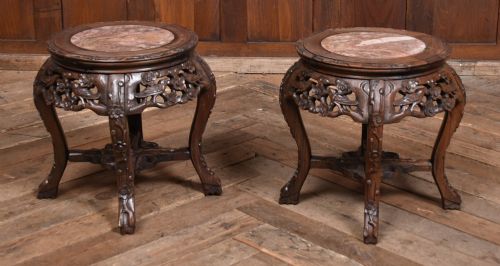
Buyers seeking an antique chinese urn pedestal encounter low plant stands, tall jardiniere supports, and small occasional tables designed to elevate decorative objects. The pieces originate primarily from the nineteenth century, including Victorian and Edwardian periods, alongside Chinese Qing Dynasty production.
Most examples function as plant stands, vase supports, or side tables, taking rectangular, square, or round forms. The proportions range from low tabletop vessels to monumental floor-standing pedestals.
Makers constructed these items to display heavy porcelain pots, bronzes, and temple vases securely within domestic interiors. The surviving inventory leans heavily towards nineteenth-century hardwood and marble combinations.
Materials and construction methods
Carpenters utilised dense exotic timbers such as hardwood, rosewood, padouk, and hongmu, selecting them for strength and deep natural grain. These woods support heavy marble inserts without warping.
Workers set smooth marble or rouge marble slabs directly into the timber tops to provide a cool, flat surface for ceramic vessels. Artisans also applied dark lacquer and mother of pearl inlay to enrich the surface texture.
Recorded forms include floor vases, plant stands, and rectangular occasional tables produced during the Qing Dynasty and Chinese Export periods.
What separates standard pieces from the finest examples
The depth and crispness of the wood carving distinguish superior stands from simpler production. Master carvers rendered floral motifs, foliage, and pierced aprons with sharp relief and clean undercut details.
The choice of inset stone and timber selection separates high-end workshop pieces from routine exports. Matched pairs and unusual proportions, such as monumental heights or complex rectangular frames, indicate higher original status.
The Antique Chinese Urn Pedestal Glossary
- Jardiniere stand
- A tall piece of furniture designed specifically to hold a large plant container or ceramic bowl. These items often feature circular tops and sturdy cabriole legs.
- Padouk
- A heavy, durable tropical hardwood with a reddish tint, utilised by Chinese cabinetmakers for structurally demanding stands. It takes a fine polish without losing its dense grain.
- Qing Dynasty
- The final imperial dynasty of China, spanning from sixteen forty-four to nineteen twelve, encompassing the primary period of export furniture seen here. Pieces from this era often display traditional carving motifs.
- Torchere
- A tall stand originally intended to carry a candle or lamp, later adapted for tall vases and floral arrangements. The form emphasises vertical height over surface area.
- Rouge marble
- A deep red or reddish-brown limestone with white or grey veining, frequently imported and set into Chinese hardwood table tops.
Antique Chinese Urn Pedestal: Frequently Asked Questions
What were antique chinese urn pedestals used for?
These pieces served to elevate heavy porcelain fishbowls, bronze vessels, and large indoor plants above floor level to protect delicate flooring and improve visibility.
Households placed them in principal reception rooms, hallways, and covered verandas to display decorative items and balance interior proportions.
How do I care for marble top stands?
Wipe the wooden frames and marble inserts with a dry or barely damp cloth, avoiding harsh chemical polishes that damage traditional finishes.
Keep the timber away from direct heat sources and sudden humidity changes to prevent the dense woods from splitting around the stone insets.
How can I tell nineteenth century pieces apart?
Examine the weight and density of the timber, as nineteenth-century workshops relied on heavy Asian hardwoods rather than lighter secondary softwoods.
Check the fit of the marble slab within the wooden frame, noting hand-carved joinery marks and the depth of the relief work on the apron and legs.
Where should I place a pedestal in a modern room?
Position a tall jardiniere stand in an empty corner or beside seating to introduce vertical height and organic texture through carved wood.
Lower tables function effectively as lamp stands or small side surfaces next to armchairs, providing a stable stone top for everyday use.