



Antique Asian Plant Pedestal
These antique asian plant pedestal pieces are elevated platforms designed to display heavy urns, vases, and interior flora with stability and status.
Antique Asian Plant Pedestal
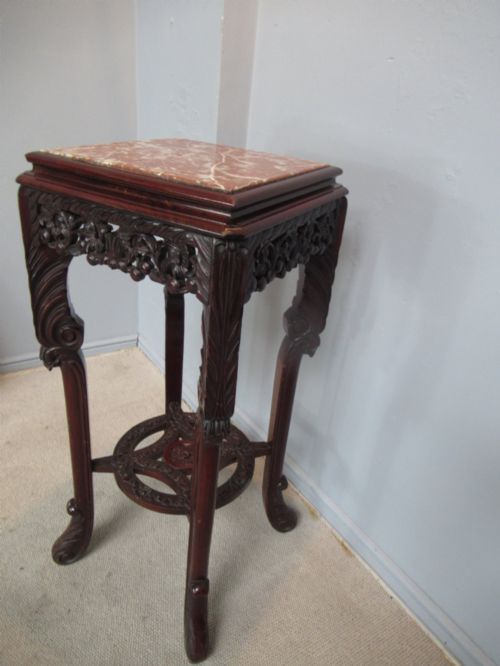
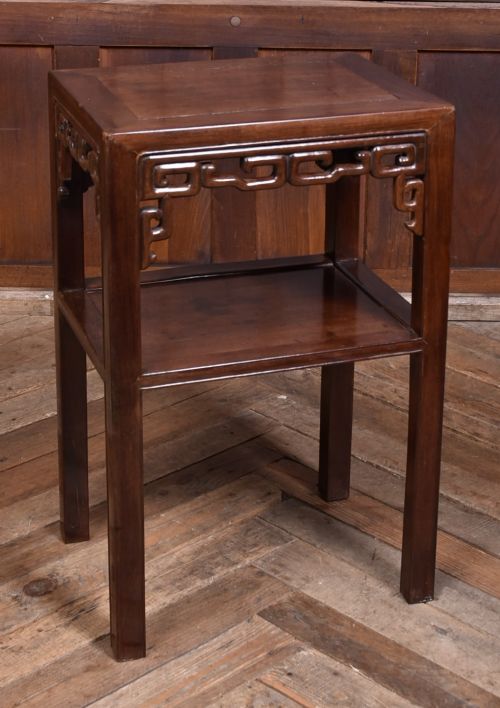
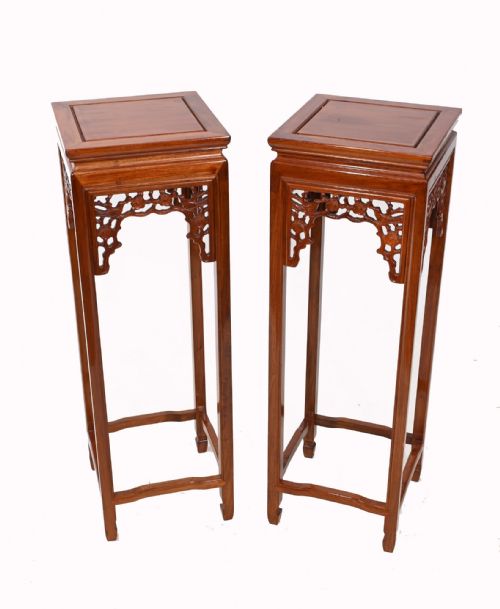
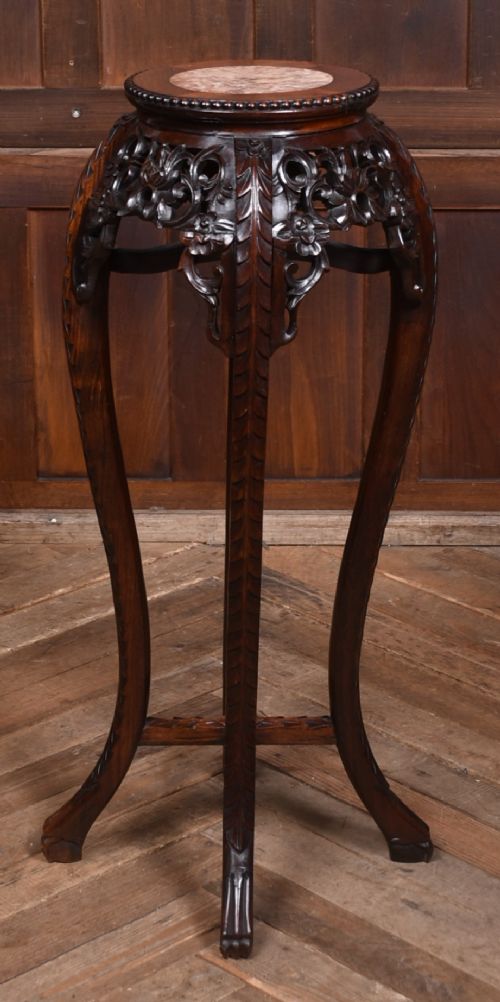
An antique asian plant pedestal takes the form of a small freestanding table, jardiniere stand, or torchère designed specifically to hold heavy pots, vases, and urns. The items seen most frequently span the nineteenth century through the early twentieth century, originating from Chinese and Japanese workshops.
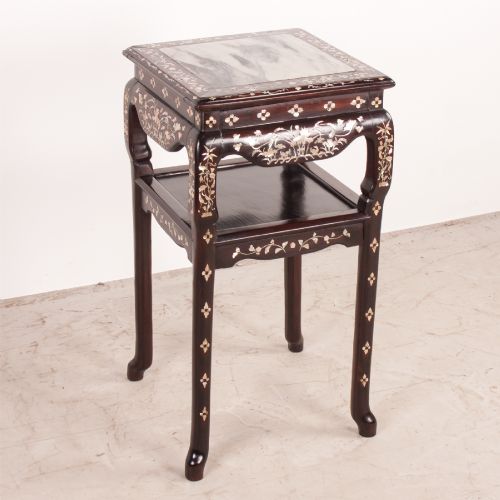
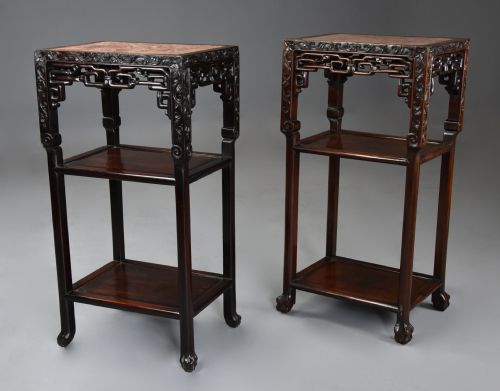
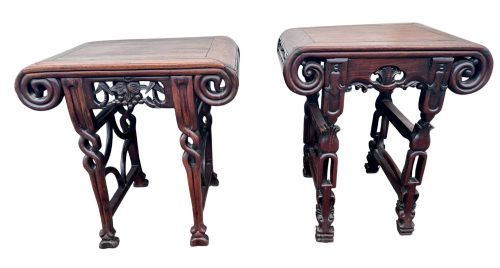
The primary shapes encountered on this page include round, square, and multi-legged occasional tables, often featuring inset tops meant to withstand moisture from watering plants. Buyers will also find matching pairs intended for symmetrical room placement, alongside taller torchère pedestals.
Stylistic influences heavily reflect traditional Chinese designs, notably the Qing Dynasty, alongside Meiji period Japanese pieces and export variations made for Western homes. These forms serve practical uses as side tables or lamp stands while remaining decorative focal points in domestic interiors.
Materials and construction methods
Makers utilised dense timbers such as hardwood, rosewood, huali, hongmu, and ebonised elm to bear the heavy weight of stone and ceramic vessels. These sturdy woods often received intricate hand-carved ornamentation depicting foliage, dragons, or traditional motifs.
Many examples incorporate contrasting inset panels of marble, quartz, mother of pearl, or cloisonné enamel directly into the wooden framework. Lacquer and paint finishes also appear, providing smooth protective surfaces alongside exposed carved grain.
An unusually deep quartz top sits atop a gnarled rootwood table, proving nature did most of the carving.
Distinctions in quality and execution
The degree of crispness and depth in the hand-carved woodwork separates standard items from exceptional ones. Finer pieces display deeply undercut foliage and balanced proportions that maintain structural integrity despite slender legs.
Material selection dictates the upper tier of execution, particularly the density of the hardwood and the quality of the inset marble or quartz. Well-matched grain and tightly fitted joints without excessive adhesive indicate superior cabinetmaking.
The Antique Asian Plant Pedestal Glossary
- Torchère
- A tall, slender stand or pedestal designed to support a lamp, vase, or jardiniere. These elevated pieces lift greenery or light sources to eye level in a room.
- Jardiniere
- An ornamental pot or container for holding flowers or plants. The stands built for them usually feature water-resistant inset tops like marble.
- Huali
- A fragrant, highly valued Chinese hardwood utilised in fine furniture making. It provides durability and rich grain patterns for heavy pedestals.
- Cloisonné
- An ancient technique for decorating metalwork objects with coloured glass paste separated by strips of metal wire. These panels occasionally form the inset tops of Japanese drum tables.
- Rootwood
- A natural material fashioned from the gnarled underground growth of trees. Artisans shape these organic forms into irregular, highly textured tables and stands.
Antique Asian Plant Pedestal: Frequently Asked Questions
What is an antique asian plant pedestal used for?
These elevated stands provide a sturdy platform for displaying heavy ceramic planters, bronze vessels, and floral arrangements inside the home. They lift plants off the floor to showcase them properly and protect interior flooring from moisture.
Beyond holding greenery, they function successfully as small side tables, lamp stands, or occasional tables in living spaces. Their compact footprints allow them to fit easily into corners or beside seating furniture.
How do I identify a Qing Dynasty stand?
Qing Dynasty stands typically exhibit dense hardwoods like huali or hongmu combined with deep, traditional hand-carving. They frequently feature inset marble tops designed to hold damp plant pots safely without damaging the wood.
Many examples incorporate scholarly motifs or dragon carvings reflecting the decorative arts of the period. Construction methods rely on traditional joinery rather than modern fixings.
Are these stands strong enough for heavy pots?
These pedestals were engineered specifically to bear the considerable weight of large ceramic jardiniere pots and stone ornaments. The dense hardwoods and sturdy leg construction provide the necessary load-bearing capacity for substantial items.
However, checking the tightness of the joinery and the stability of the legs remains advisable before placing exceptionally heavy stone or metal urns on older tables.
How do I care for marble top plant stands?
Cleaning marble requires a soft, damp cloth and mild soap while avoiding harsh chemical cleaners that can etch the polished stone surface. Using a protective coaster or pad underneath wet plant pots prevents moisture rings from forming over time.
Treating the surrounding hardwood frame with appropriate furniture wax keeps the timber nourished and maintains its natural sheen without building up residue.