

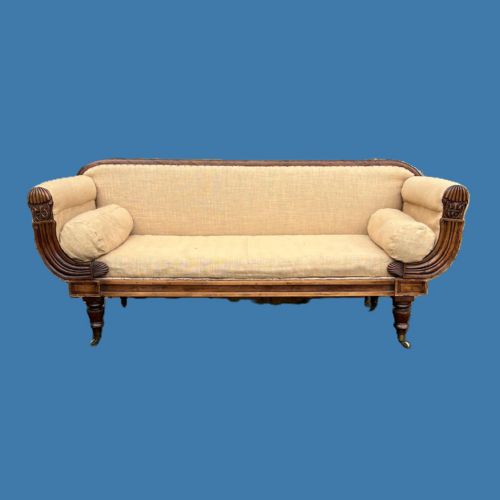


Carved Rosewood Daybed
A carved rosewood daybed offers a commanding architectural presence, combining dense timber and deep relief work for both seating and reclining.
Carved Rosewood Daybed
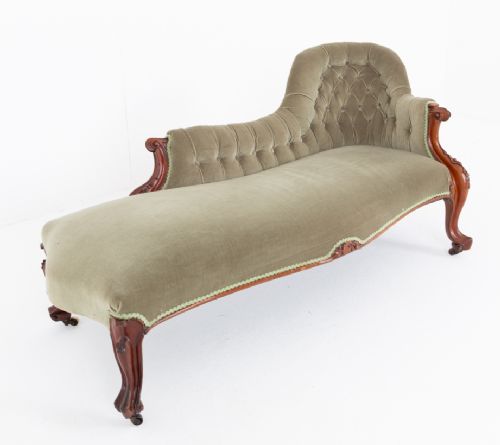
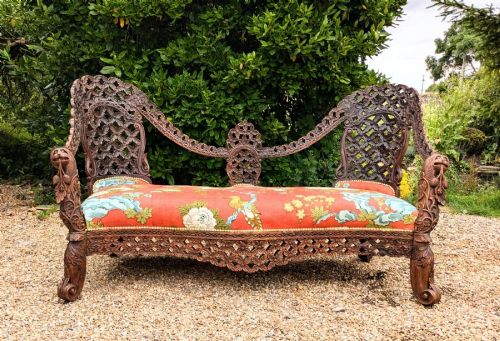
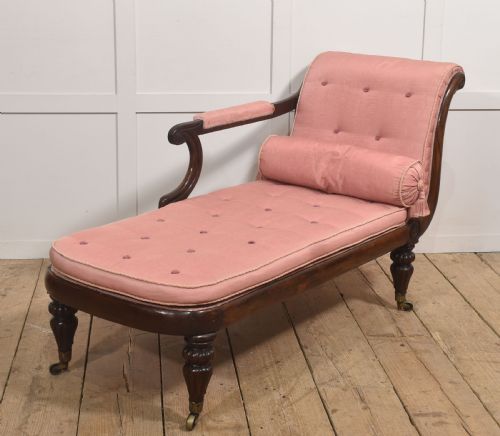
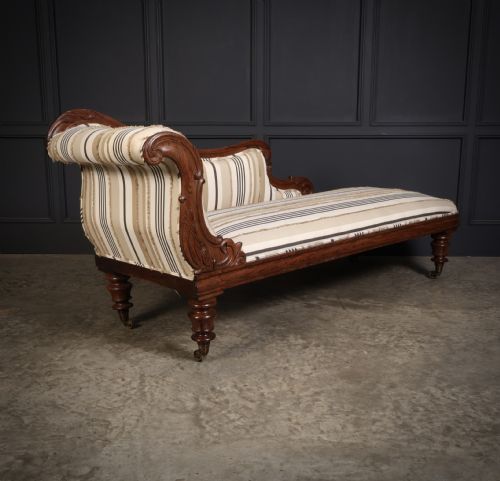
A carved rosewood daybed encompasses an array of nineteenth-century seating forms, including chaise longues, scroll-back benches, and Chinese kang tables. These pieces serve as both functional furniture and sculptural focal points within a room.
Buyers encountering this selection will most frequently find nineteenth-century Victorian, William IV, and Anglo-Indian examples alongside Chinese Qing dynasty pieces. The forms range from upholstered English chaise longues to rigid wooden benches and scroll-end tables.
Originating from diverse workshops across Britain, India, and China, these daybeds reflect distinct regional tastes in timber manipulation. British and Anglo-Indian pieces often feature plush upholstery, whilst Chinese examples showcase exposed hardwood frames.
Materials and construction
Construction relies upon dense hardwoods, principally rosewood and huali, selected for their structural stability and capacity for intricate hand-carving. Secondary framing utilises simulated rosewood or generic hardwoods in specific campaigns.
Joinery techniques vary by regional origin, joining heavy timbers to support deep relief carving depicting dragons, scrolls, and foliage. Surface decoration is integrated directly into the structural framework of the daybed rather than applied as separate veneer.
At least one nineteenth-century daybed doubles as an opium table, proving that historic relaxation took many forms across the globe.
Assessing quality
Quality reveals itself in the depth, crispness, and continuity of the hand-carved relief work across the rosewood frame. Finer pieces maintain sharp sculptural details that remain uniform across concealed and prominent sections alike.
The integrity of the timber and the cohesion of the regional style dictate the standing of a piece within its category. Superior examples preserve their original joinery and material surfaces without heavy structural compromises.
H. Goodall & Sons
The Carved Rosewood Daybed Glossary
- Chaise Longue
- An upholstered long chair designed for reclining, typically featuring a single raised end and popular throughout the nineteenth century.
- Kang Table
- A low Chinese platform table or daybed used for sitting and resting, often carved from dense hardwoods like huali.
- Scroll Back
- A furniture backrest curved outward in a spiral scroll shape, frequently seen on nineteenth-century Anglo-Indian and English seating.
- Simulated Rosewood
- Common timber painted or stained to imitate the grain and colour of genuine rosewood, often utilised in campaign furniture.
Carved Rosewood Daybed: Frequently Asked Questions
How were these daybeds originally used?
These pieces functioned primarily for daytime resting, lounging, and formal entertaining in nineteenth-century domestic interiors. Their placement ranged from drawing rooms in Britain to reception spaces in colonial India and China.
Depending on the regional design, they accommodated either reclining with upholstery or seated gathering upon carved wooden platforms.
How do I care for a rosewood daybed?
Maintain the timber by keeping the daybed away from direct sunlight and sudden changes in room humidity. Regular dusting with a dry, soft cloth preserves the polish without introducing moisture.
Upholstered variants require professional textile cleaning, whilst exposed hardwood frames benefit from occasional application of appropriate conservation wax.
How do I distinguish Victorian from Anglo-Indian pieces?
Victorian examples typically adhere to European revivalist styles with heavy upholstery and structured frames. Anglo-Indian pieces incorporate deeper, denser foliage carving reflecting regional colonial craftsmanship.
The choice of timber and the specific motif vocabulary provide clear indicators of the workshop's geographic origin.
Are these daybeds suitable for daily seating?
These historical pieces accommodate regular sitting and reclining, provided their structural joints remain sound and stable. Upholstered versions offer softer support, whilst wooden platform designs require cushions for extended daily comfort.
Inspect the joinery periodically to ensure the dense rosewood frame bears weight safely.