
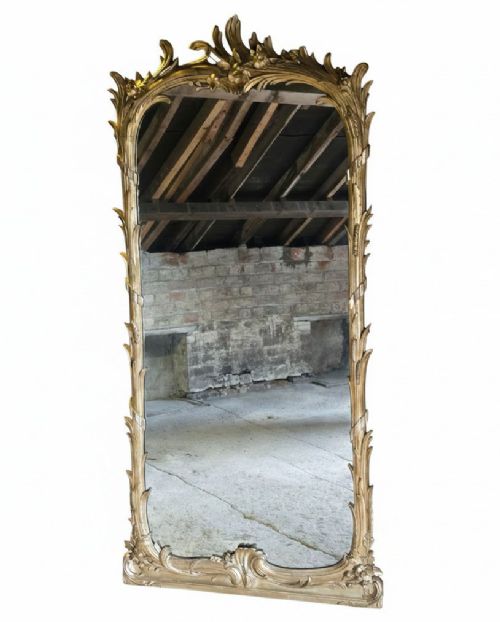
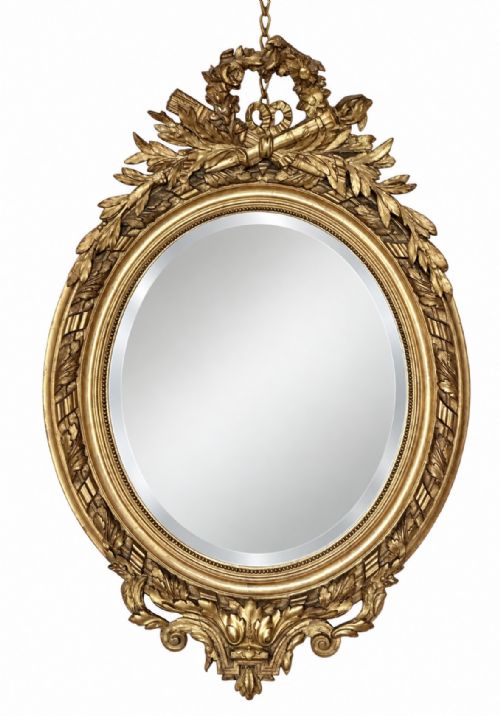
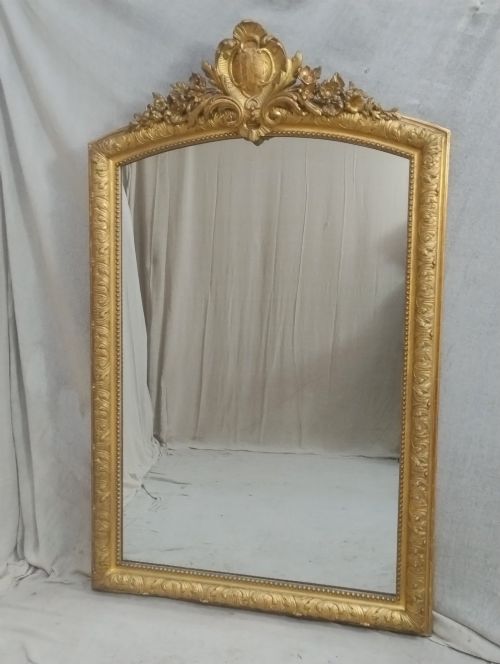


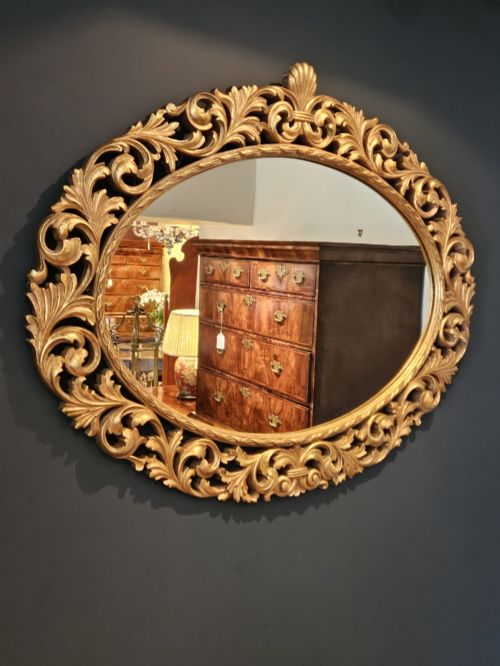
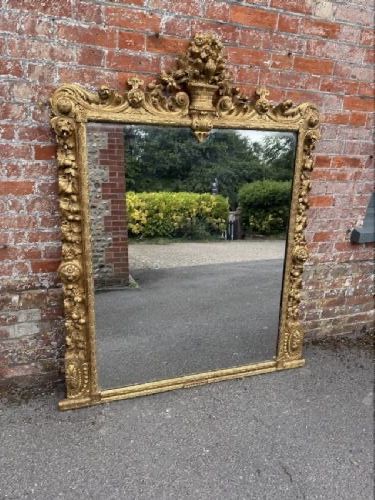
Carved Rococo Wall Mirror
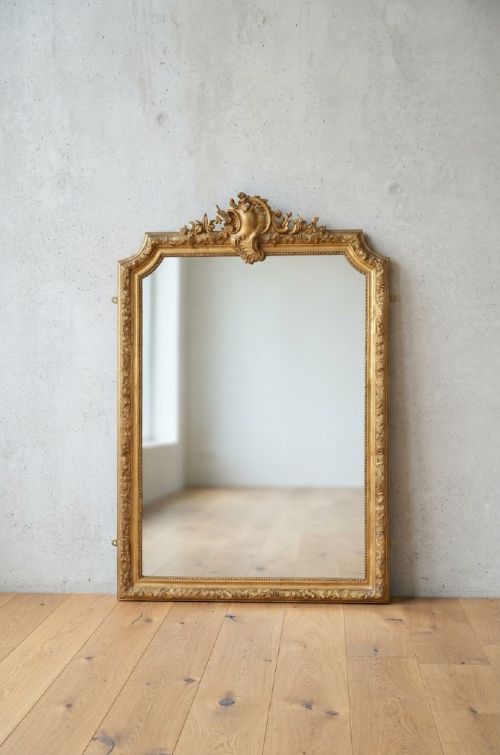
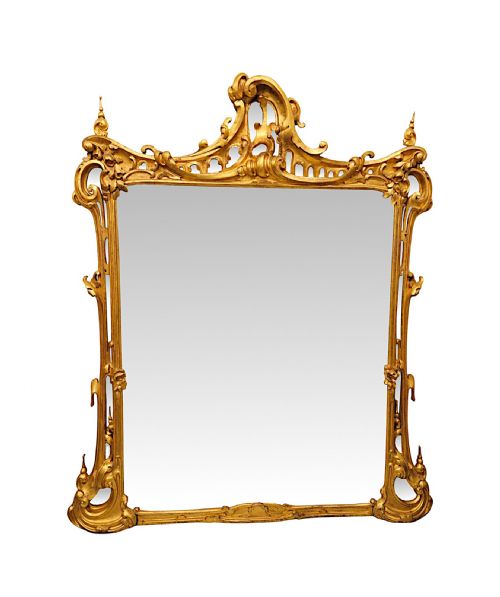
A carved rococo wall mirror brings organic asymmetry, scrolling foliage and gilded opulence into a room.
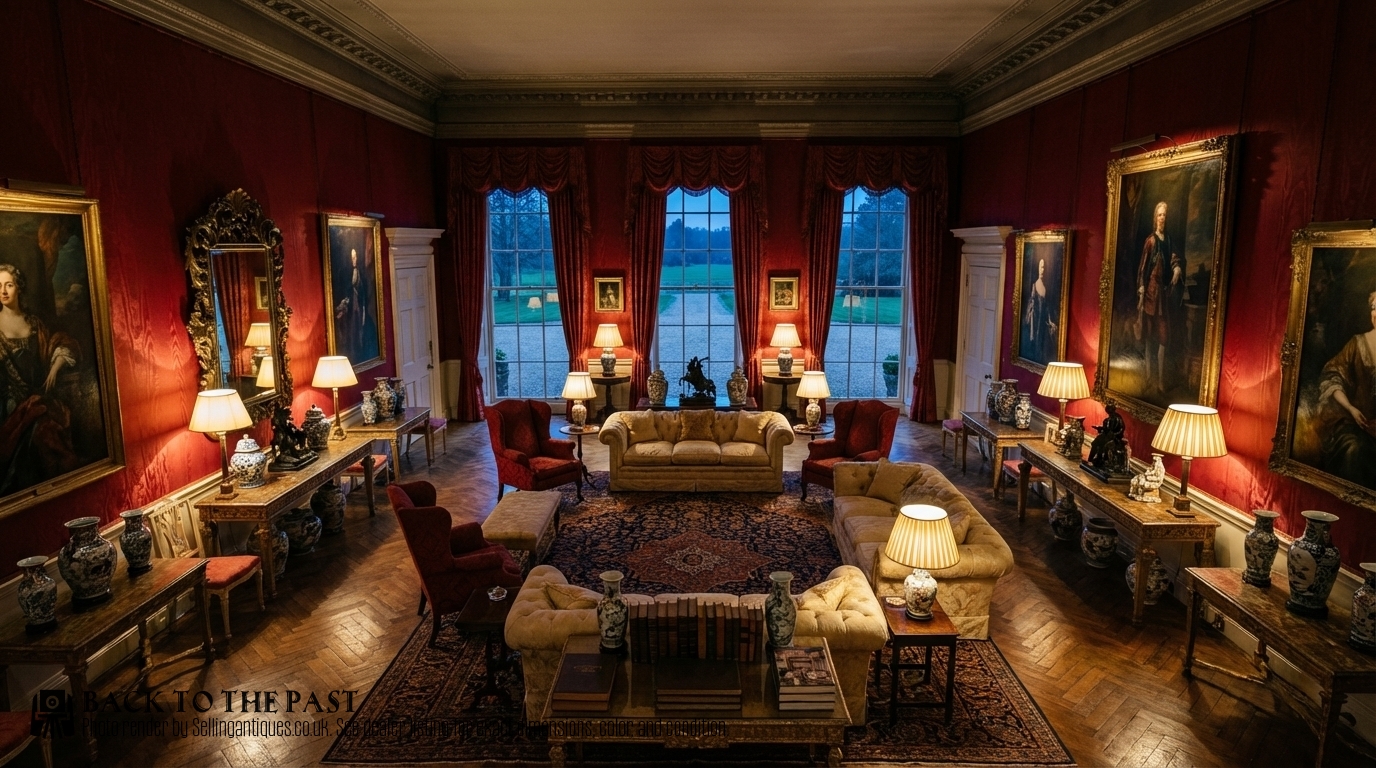
Carved Rococo Wall Mirror
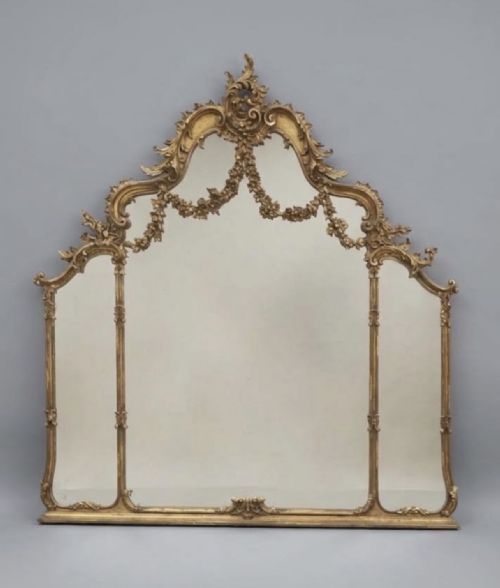
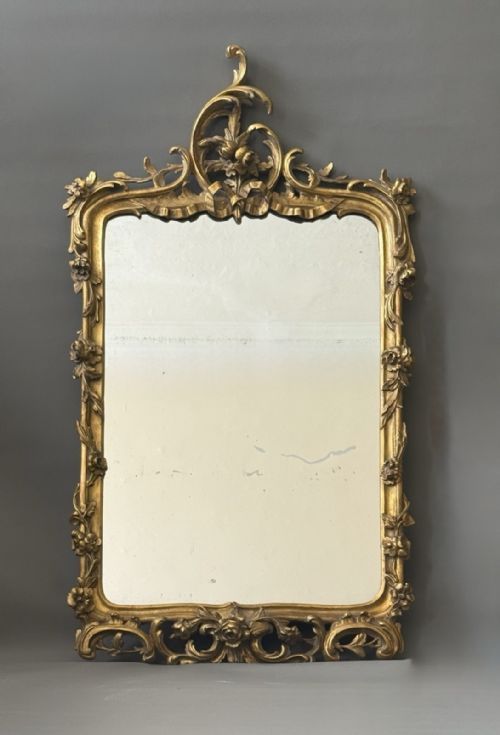
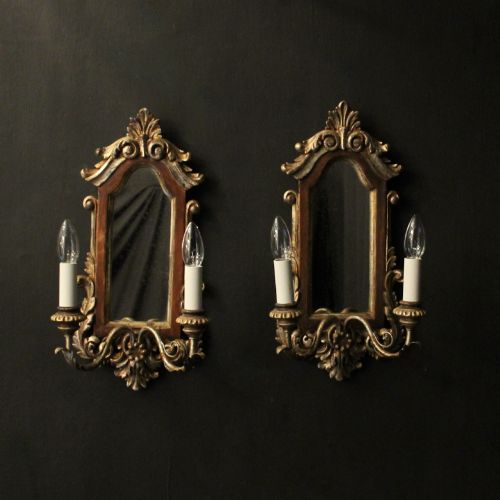
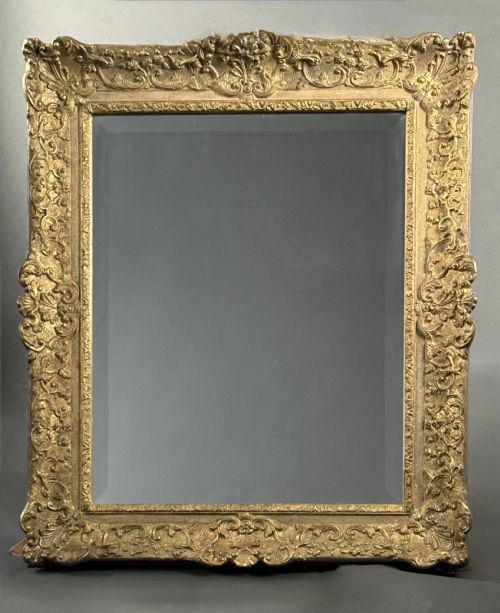
A carved rococo wall mirror is defined by spirited asymmetrical scrolls, C-scrolls and naturalistic leaf motifs that capture the theatrical flair of the mid-eighteenth century and its later revivals. When searching for a carved rococo wall mirror, buyers encounter grand overmantels, tall pier glasses, and smaller Italian or French wall pieces dating predominantly from the nineteenth century alongside earlier examples.
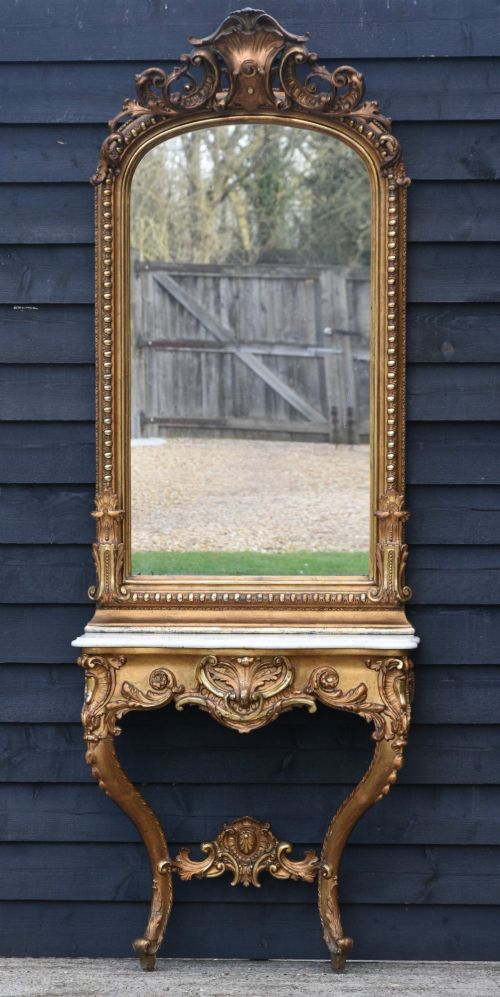
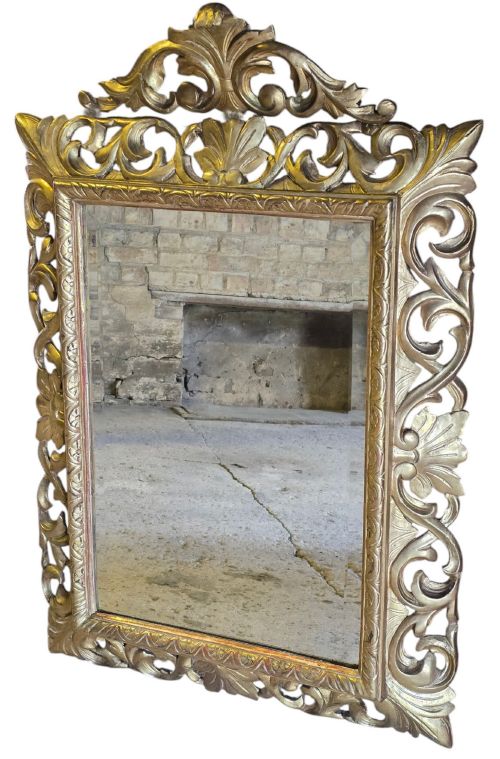
The prevalent forms on this page include large giltwood overmantels designed to sit above a fireplace, soaring French leaner mirrors, and intricate Florentine frames. These pieces lean heavily into Rococo Revival and French Chateau aesthetics, bringing dramatic scale and reflective light to interior spaces.
Originating largely from French and Italian workshops, these mirrors combine structural timber or gesso with elaborate hand-carved ornamentation. Whether mounted above a console table or hung alone as a statement piece, they serve as focal points that reflect both light and historical craftsmanship.
Materials and Construction
Makers shaped these frames from solid timbers such as oak, mahogany, walnut, or beech, which provided a sturdy structural foundation for intricate carving. Skilled artisans applied layers of gesso over the wood to build up smooth surfaces for detailed relief work.
Gilding involved applying thin sheets of gold leaf or silver-gilt onto the prepared gesso base, often burnished to catch the light. Early examples incorporated delicate mercury glass plates, while later iterations utilised bevelled mirror plates framed by composition ornaments.
Listings feature items spanning the eighteenth, nineteenth, and early twentieth centuries, constructed from giltwood, gesso, glass, and marble in various revival styles.
Markers of Quality
Quality rests in the depth, crispness and vitality of the hand-carving, where fluid, undercut scrolls reveal the artisan's hand rather than a uniform moulded finish. Superior pieces exhibit harmonious proportions and complex layering of gold leaf over well-modelled gesso.
The integrity of the frame construction and the preservation of the original antique mirror plate - complete with natural foxing or age spots - distinguish exceptional works from standard decorative items. Heavy, deeply carved giltwood frames with robust joinery command greater appreciation than lighter, composition-heavy alternatives.
The Carved Rococo Wall Mirror Glossary
- Giltwood
- Timber that has been coated with gold leaf or gold paint. This technique provides a luminous, reflective surface highly characteristic of formal European mirrors.
- Gesso
- A plaster-like mixture applied to wood frames to create a smooth surface for carving and gilding. It allows for crisp, detailed relief ornamentation.
- Overmantel Mirror
- A large mirror specifically designed to hang on the wall directly above a mantelpiece. These pieces often span the width of the fireplace below.
- Mercury Glass
- Glass produced by pouring a liquid mercury amalgam between two glass sheets or coating the back. It creates a cloudy, atmospheric reflection seen in older mirrors.
- Trumeau Mirror
- A decorative wall mirror integrated into a wood-panelled wall or featuring an upper painted panel. This French style combines painting and looking-glass in a single vertical format.
Carved Rococo Wall Mirror: Frequently Asked Questions
How do I hang a heavy giltwood mirror?
Large carved mirrors require professional wall anchoring into structural studs or masonry using heavy-duty brackets. The substantial weight of timber and gesso demands secure load-bearing fixings to prevent accidents.
Position the mirror at a height that reflects eye-level light or balances the proportions of surrounding furniture, such as a mantelpiece or console table.
What is foxing on a mirror?
Foxing refers to the small brown spots, cloudiness, or mottled ageing that develops on old silvered mirror plates over decades. This oxidation is a natural chemical reaction and a sign of antique authenticity.
Collectors often prize original foxed mercury glass for the gentle, distorted character it brings to a room's interior aesthetic.
How do I tell an 18th-century mirror from a 19th-century revival piece?
Eighteenth-century originals typically feature hand-carved pine or softwood frames with distinct tool marks and earlier construction methods like pinned mortise and tenon joints. Nineteenth-century Rococo Revival pieces often incorporate heavier composition ornament, machine-sawn timbers, and standardised dimensions.
Examining the backboards, screws, and the composition of the gesso layer helps clarify the exact period of manufacture.
Where should I place an overmantel mirror?
An overmantel mirror traditionally sits centrally above a fireplace, anchoring the vertical space of the chimney breast. It bounces natural daylight around the room and creates an illusion of greater depth.
Ensure the width of the mirror aligns harmoniously with the mantel shelf below for a balanced architectural composition.