

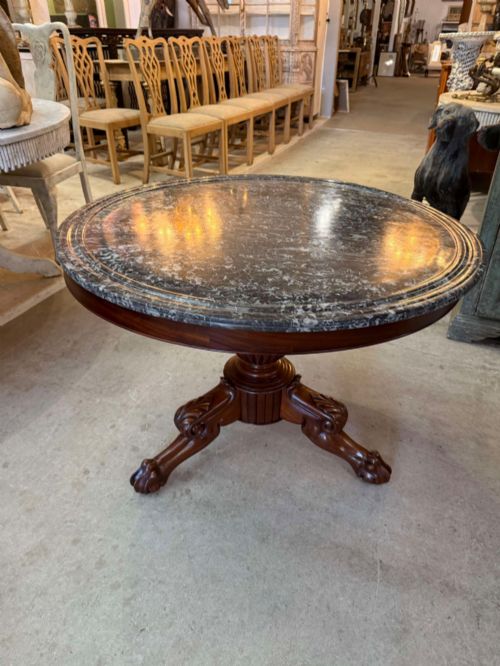
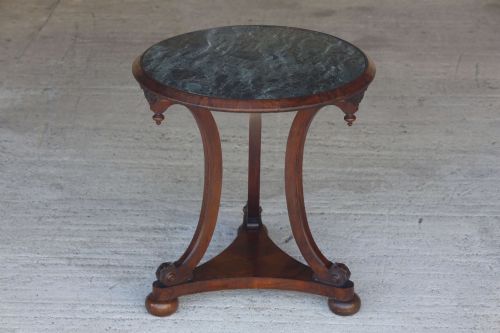
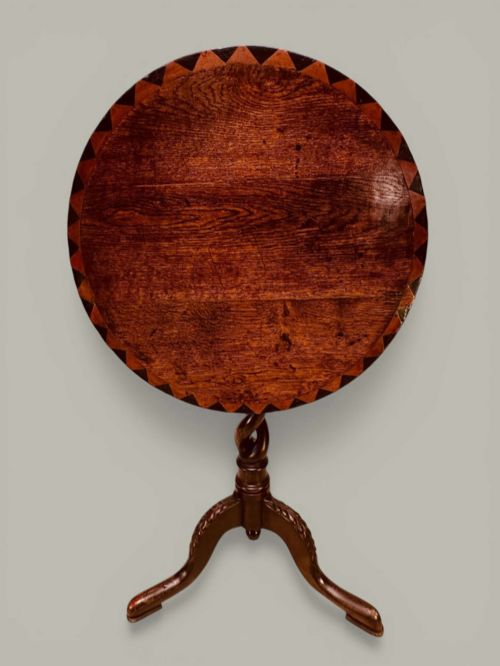
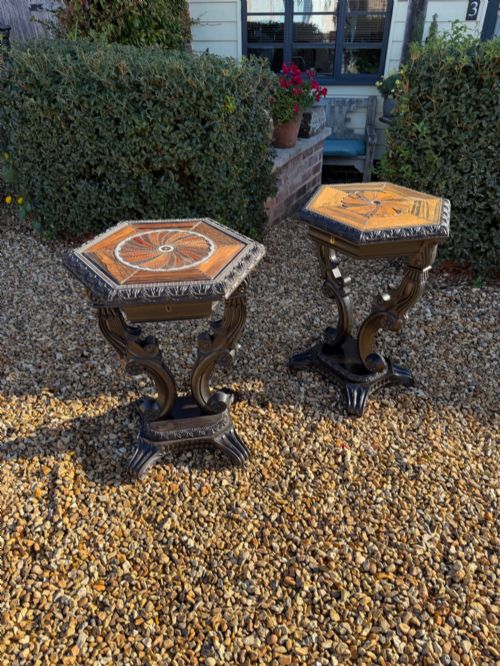
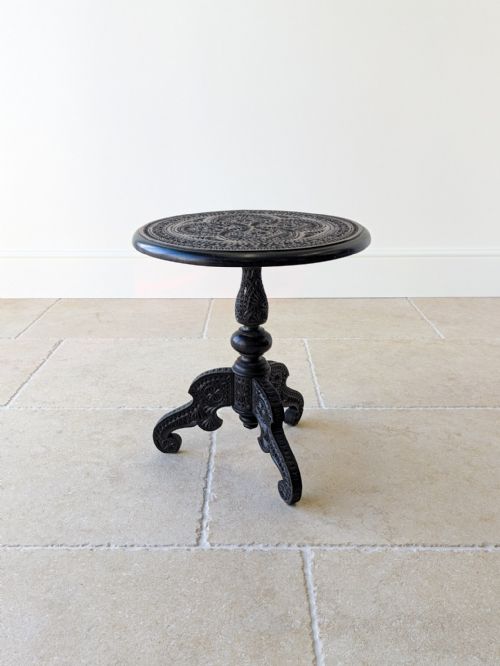
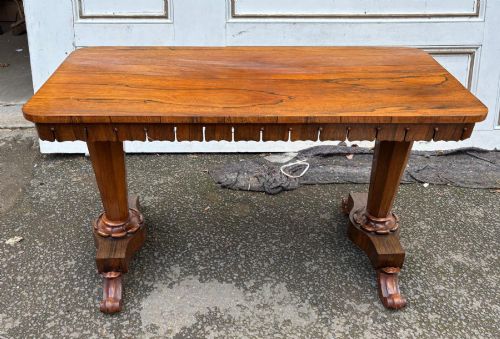

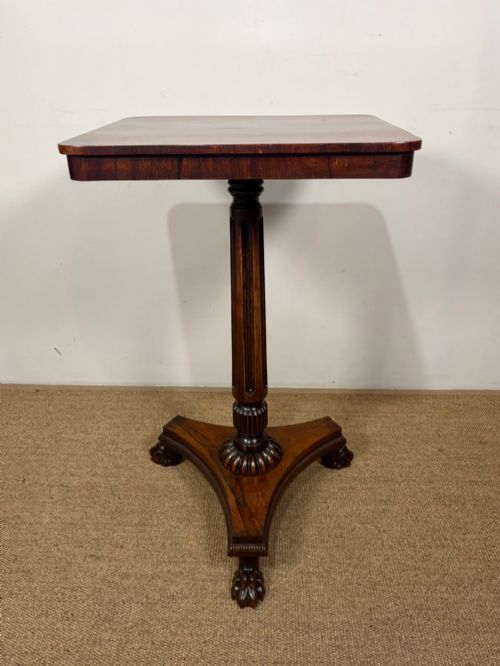
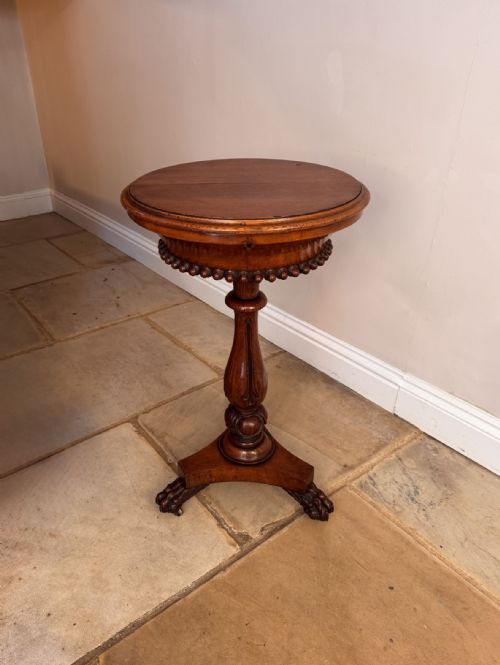
Carved Pedestal Occasional Table
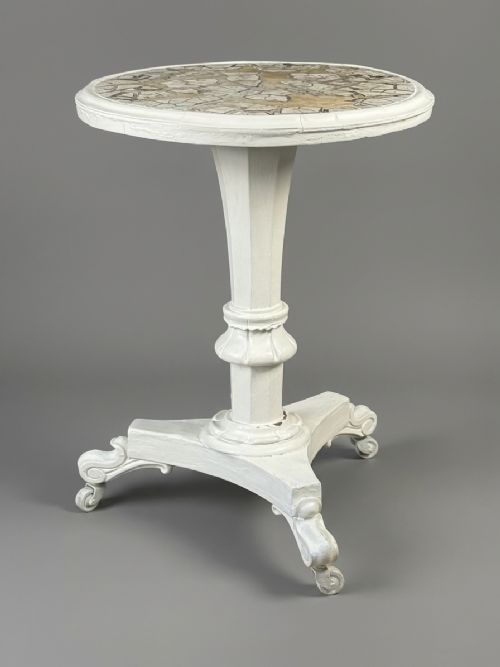
A carved pedestal occasional table brings compact surface space and rich timber grain to a room, standing on a single central support.
Carved Pedestal Occasional Table
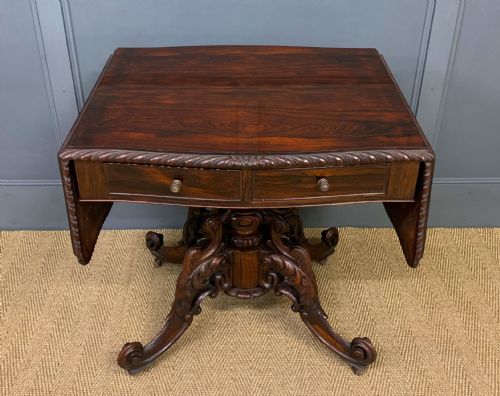
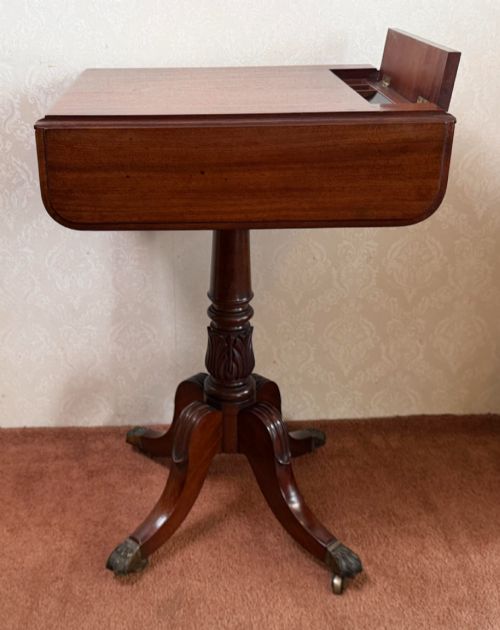
When you search for a carved pedestal occasional table, you encounter movable small tables designed for specific domestic tasks or general placement beside seating. The selection spans the nineteenth century and the Edwardian era, taking forms such as lamp tables, wine tables, and sewing tables with central pillars. Victorian walnut and mahogany examples dominate the offerings, often featuring circular or octagonal tops supported by tripod legs or weighted bases.
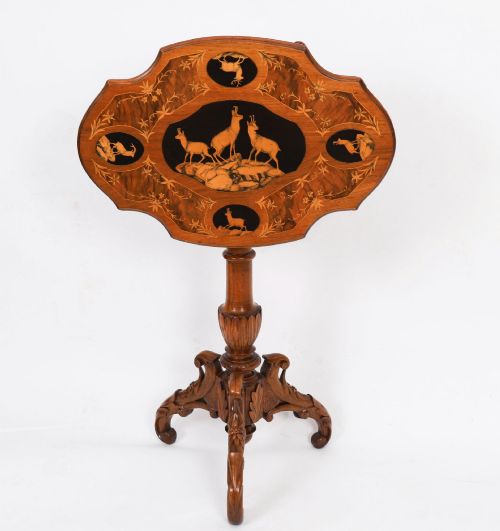
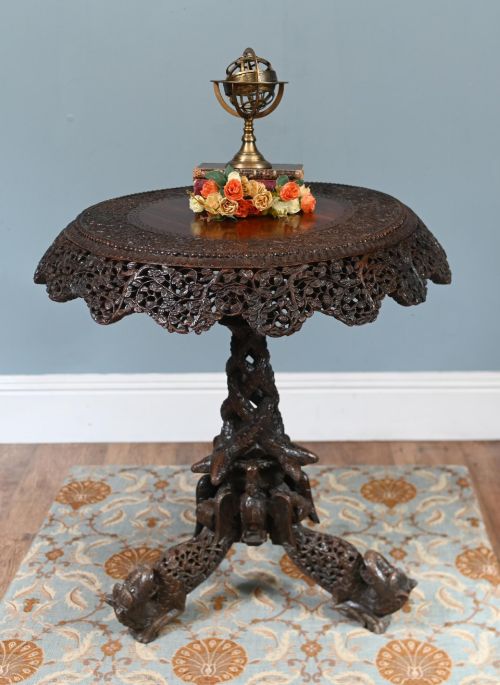
Makers and regional workshops also produced distinctive variants, including Anglo-Indian and Burmese teak tables alongside Dutch marquetry and Swiss Black Forest pieces. Forms range from tilt-top breakfast and tea tables to small plant stands and drum tables with drawers. Buyers find both simple utilitarian pieces in oak and elaborately inlaid marquetry surfaces intended for formal reception rooms.
How they were made
Cabinetmakers utilised dense timbers such as mahogany, walnut, rosewood, and burr walnut for stability and decorative grain patterns. Tops were frequently set upon turned, barley twist, or carved pillars anchored to tripod or platform bases. Marquetry inlay, brass fittings, and marble inserts appeared on finer examples, while joinery relied on traditional mortise and tenon construction.
Regional workshops incorporated carved ornamentation into teak, elm, and ebony, reflecting specific stylistic movements from Arts and Crafts to Chippendale Revival. Surfaces received hand-rubbed polish to enhance the natural figure of the wood.
Carved Pedestal Occasional Table Retail Price Guide 2026
Typical asking prices for carved pedestal occasional table among the pieces listed under this phrase on Sellingantiques today, from the lower quarter to the upper quarter. They describe what is for sale here now, not the wider market.
Listings feature mahogany, walnut, and rosewood alongside exotic timbers such as teak, ebony, and burr birch.
What varies in quality
The degree of hand-carved detail and the selection of timber veneers determine the standing of an individual piece. Burr walnut and figured rosewood command attention for their intricate grain patterns, whereas plain oak or mahogany represent simpler utility tables. The rigidity of the central pillar connection to the base dictates structural integrity.
Execution of marquetry inlay and the presence of secondary woods further distinguish standard production from exceptional workshop output. Tables retaining original brass hardware, stable tilt mechanisms, and undamaged carved columns sit higher in the range.
Liberty & Co·Bulstrode Cambridge
The Carved Pedestal Occasional Table Glossary
- Tilt-top
- A table top hinged to tip vertically when not in use. This mechanism allowed the furniture to stand flat against a wall to save floor space.
- Tripod base
- A support structure comprising three legs radiating from a central pillar. It ensures stability on uneven floors.
- Marquetry
- Decorative veneer patterns formed from pieces of wood, shell, or ivory fitted into a wood foundation. It creates pictorial or geometric designs across the table surface.
- Sofa table
- A rectangular occasional table designed to stand in front of or behind a sofa. It usually incorporates drop leaves and small drawers.
- Wine table
- A small freestanding circular table intended for holding a glass or bottle. These pieces typically feature slender pedestals and compact tops.
Carved Pedestal Occasional Table: Frequently Asked Questions
What is a pedestal occasional table?
A pedestal occasional table is a small, movable piece of furniture supported by a single central pillar rather than four corner legs. These tables served various functions around the home, including holding lamps, books, or drinks.
Craftsmen produced them in diverse shapes, from circular and octagonal tops to tilt-top mechanisms designed for compact storage.
How do I date a Victorian table?
Dating a Victorian table involves examining the timber species, construction methods, and prevailing decorative styles of the period. Pieces from the mid-nineteenth century frequently employ solid mahogany or rosewood with hand-turned pillars.
Later Victorian examples often incorporate burr walnut veneers, elaborate marquetry, or machine-assisted joinery alongside revival motifs.
Where should I place a wine table?
A wine table fits comfortably beside an armchair, sofa, or in an empty corner where surface space is required without bulk. Their small footprint allows them to function effectively as lamp stands or display surfaces for decorative objects.
Due to their central pillar construction, they slide easily into narrow gaps between seating furniture.