



Carved Panel Cupboard Bookcase
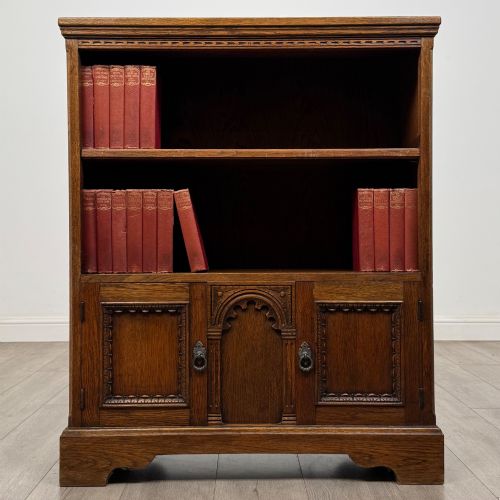
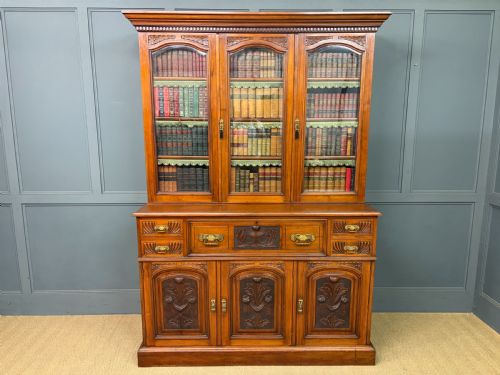
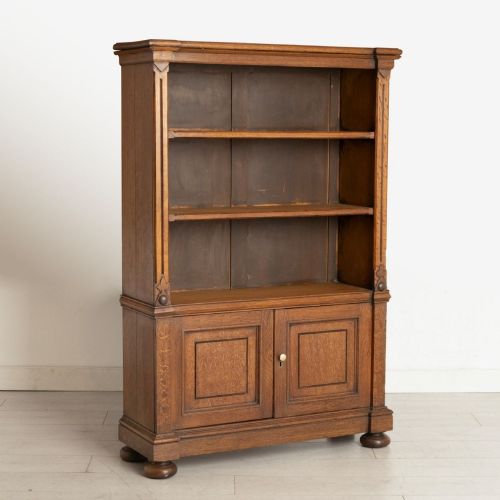
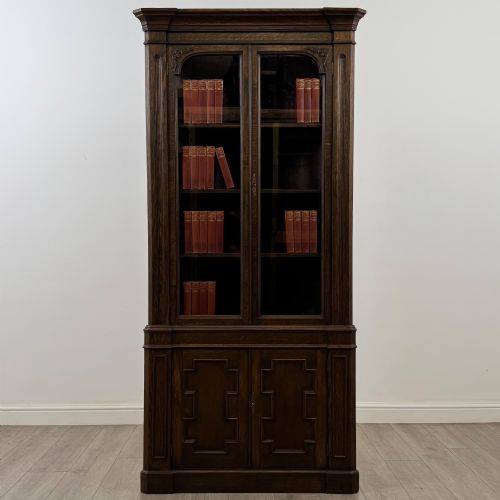
A carved panel cupboard bookcase combines storage and display, offering timberwork and architectural presence for the home.
Carved Panel Cupboard Bookcase
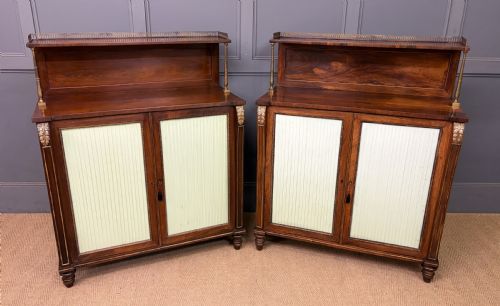
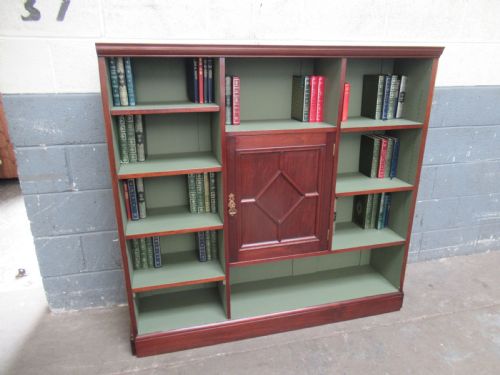
A carved panel cupboard bookcase brings together closed lower cabinetry and upper shelving, serving as a dual-purpose storage piece for books and domestic items. When searching for a carved panel cupboard bookcase, buyers encounter forms ranging from side cabinets and corner units to tall library bookcases. The selection spans periods from the eighteenth century through the nineteenth and twentieth centuries, including Edwardian and Regency examples.
The objects listed display a variety of regional and stylistic influences, such as Jacobean Revival, Tudor Revival, and Danish designs. Timber choices heavily lean towards oak, mahogany, and rosewood, often enhanced with brass or iron hardware and glass panelling. These cabinets function practically while anchoring a room with period character and architectural weight.
How they were made
Construction relies primarily on solid hardwoods such as oak, mahogany, walnut, and rosewood, selected for structural stability and rich grain. Carpenters utilised traditional joinery techniques to build robust frames capable of supporting heavy books and internal contents over centuries.
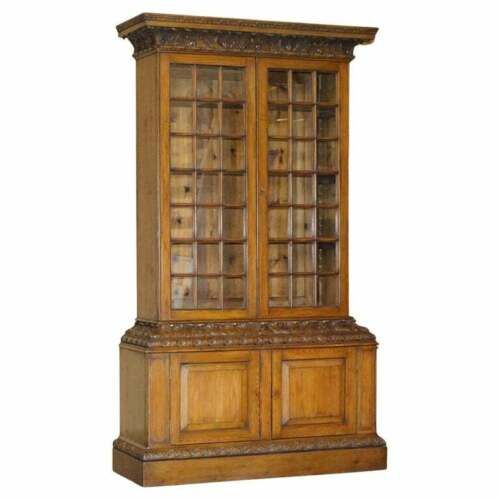
Surface enrichment involves hand-carved panels, mouldings, and applied decorative elements executed in styles reflecting the period, from Jacobean Revival to Victorian. Metal fixtures in brass and iron provide functional hinges and handles, while glass is fitted into doors for display sections.
Samuel Pepys makes an unexpected appearance in the records, memorialised through a library bookcase created after the original.
What varies in quality
Quality rests upon the selection of timber and the precision of the cabinetmaker's joinery, which dictates the structural longevity of the bookcase. Finer examples exhibit deeply articulated hand-carving on panels and well-proportioned cornices that respect historical styles without clumsy execution.
The integrity of original hardware, glass panes, and backboards distinguishes superior pieces from heavily altered or restored items. Consistency in timber grain across the doors and sides points to thoughtful material selection by the maker.
The Carved Panel Cupboard Bookcase Glossary
- Jacobean Revival
- A nineteenth-century stylistic movement emulating seventeenth-century English furniture. It employs dark oak, geometric moulding, and heavy carved panels.
- Side Cabinet
- A low furniture form designed for storage, often featuring doors and shelving. These pieces function independently or alongside larger bookcase configurations.
- Rosewood
- A dense, heavily figured exotic timber utilised in Regency and nineteenth-century furniture. Its dark grain provides a striking finish for formal reception rooms.
- Bleached Oak
- Oak timber treated to lighten its natural tone, a finish seen on eighteenth-century French pieces. This process highlights the grain while softening the overall visual weight of the wood.
Carved Panel Cupboard Bookcase: Frequently Asked Questions
What is a carved panel cupboard bookcase?
A carved panel cupboard bookcase is a dual-function furniture piece that combines enclosed lower cabinetry with upper shelving for books and display objects. The integration of carved wooden panels distinguishes these pieces from plain utilitarian shelving units.
They serve as prominent focal points in libraries, studies, and living rooms, offering both concealed storage and open display capacity.
How do I date a wooden bookcase?
Dating relies on examining the timber species, construction joinery, and decorative style markers present in the piece. Eighteenth-century examples often feature bleached oak and French proportions, whereas nineteenth-century pieces may display revival styles like Jacobean or Victorian.
Hardware such as brass hinges and locks also provides chronological clues, though replacements are common over long periods of use.
Are these bookcases suitable for modern homes?
These bookcases provide practical vertical storage that fits comfortably into contemporary living spaces and studies. Their robust construction handles heavy book collections while adding textural warmth through traditional timber grains.
Placing them away from direct heat sources and strong sunlight preserves the polished wood surfaces and prevents timber movement.
What woods were used in these cabinets?
Makers relied on durable hardwoods including oak, mahogany, walnut, and rosewood depending on the period and regional workshop traditions. Oak dominates early and revival pieces, while mahogany and rosewood appear frequently in Regency and Victorian designs.
Secondary timbers were often employed for internal shelving and backboards to ensure structural balance without unnecessary weight.