



Carved Overmantel Mirror
A carved overmantel mirror anchors a room above a fireplace, bringing historic presence and reflected light to an interior.
Forms and Origins
A carved overmantel mirror is designed specifically to sit above a mantelpiece, serving as the visual anchor of a domestic interior. These pieces originate predominantly from the nineteenth century, including Victorian, Edwardian, and Regency periods.
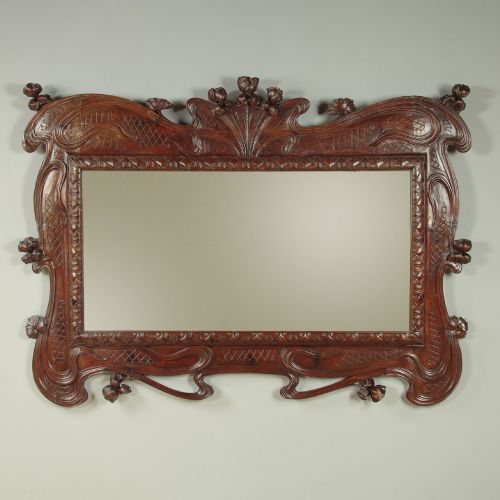
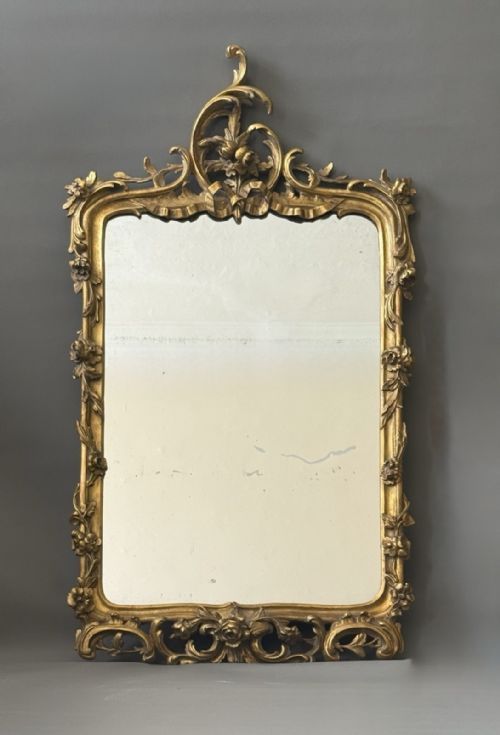
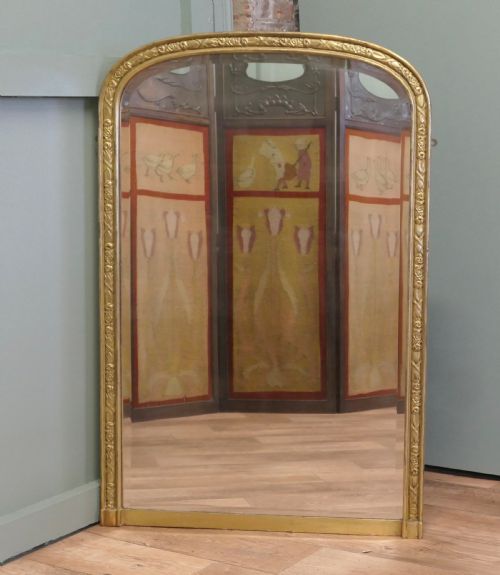
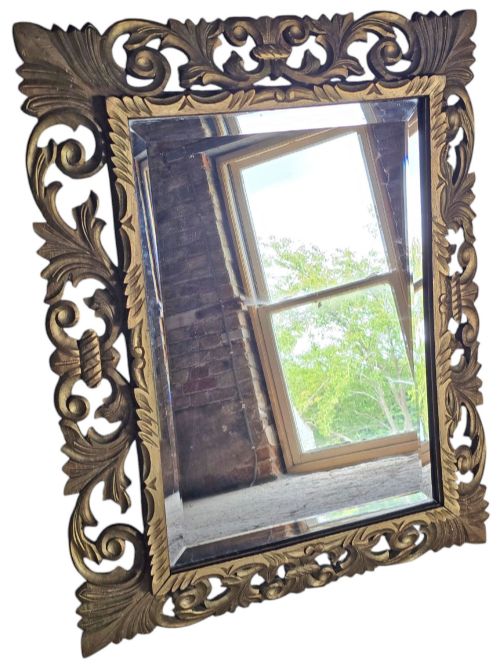
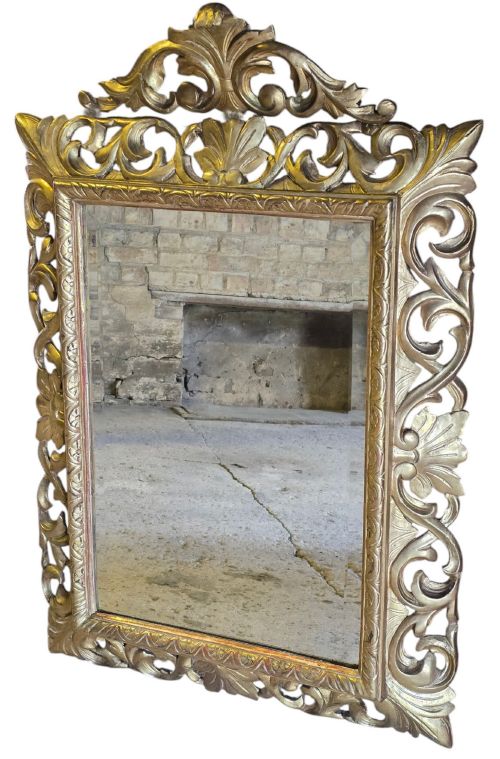
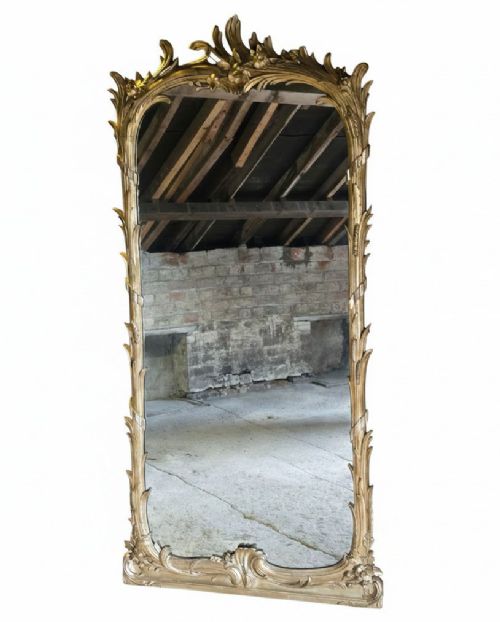
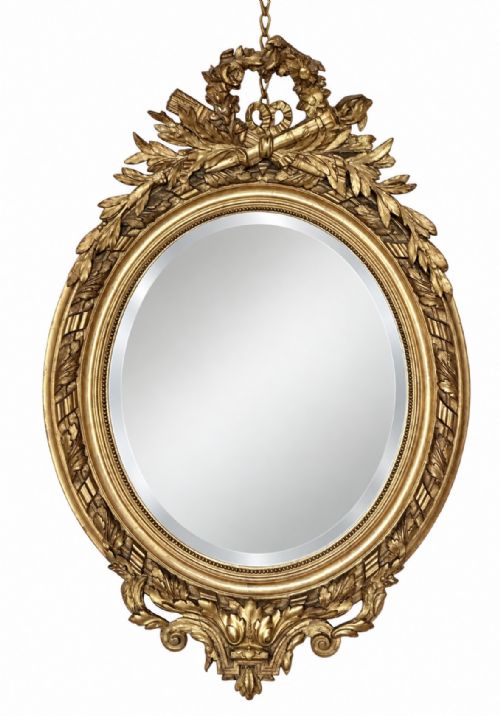
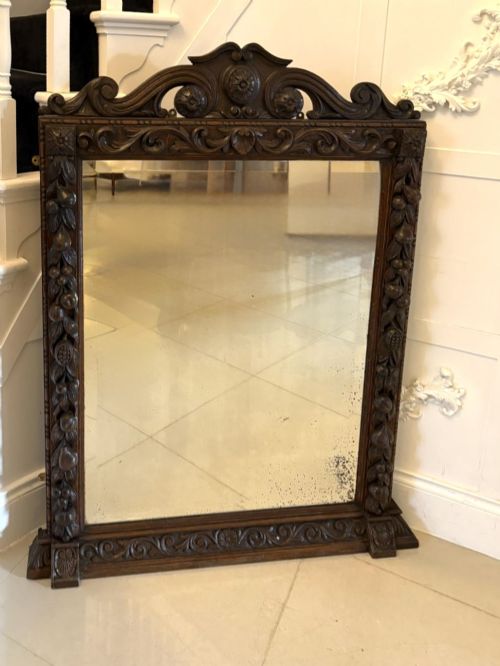
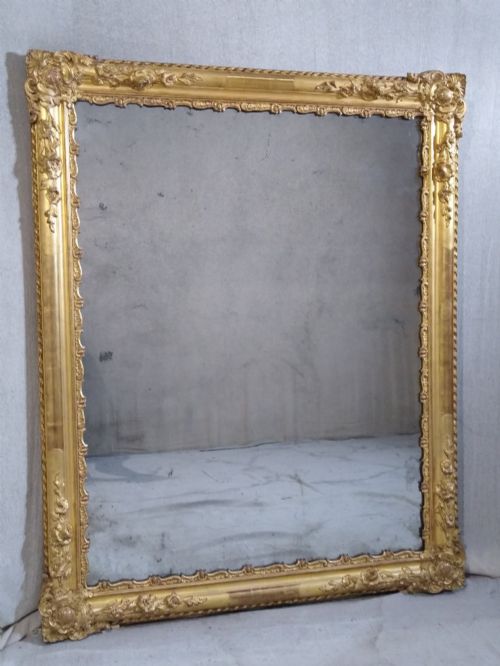
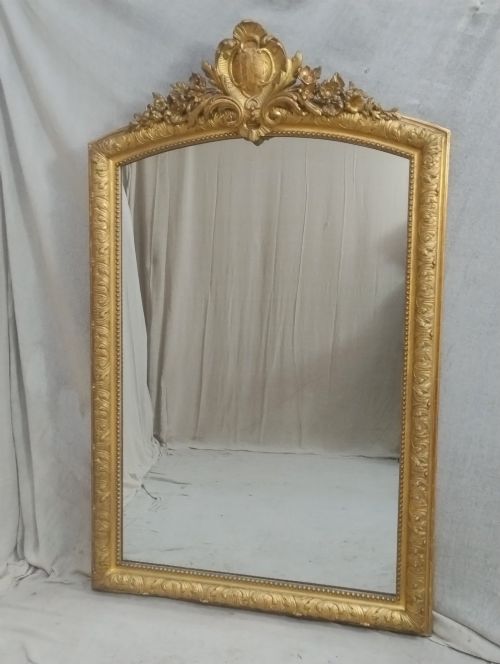
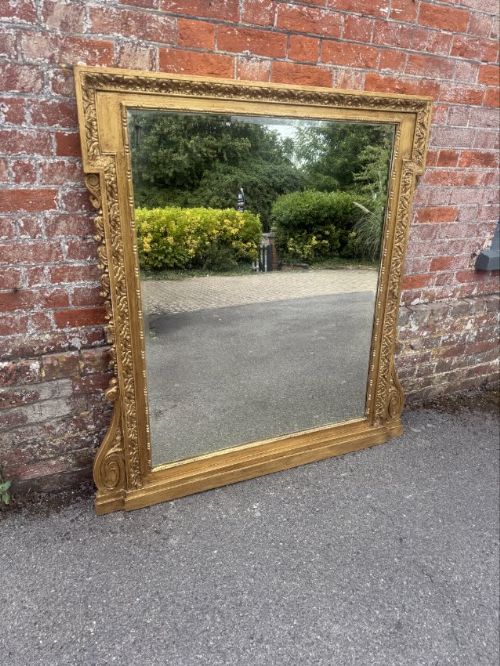
You are most likely to encounter Victorian and Edwardian examples on this page, often framed in giltwood, painted wood, or walnut. Formats range from arched tops and triptych plates to large rectangular designs originating from English and French workshops.
Materials and Construction
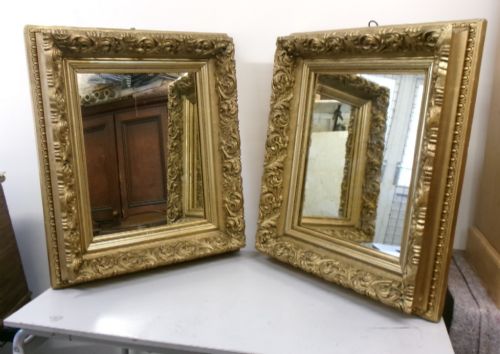
Makers built the structural frames from timbers such as oak, walnut, pine, and rosewood, applying gesso to form intricate decorative motifs. Giltwood surfaces combined thin gold leaf laid over a prepared bole ground, while other pieces received painted finishes or simulated marble effects.
Glass plates were set directly into the carved wooden carcasses, occasionally framed by distinctive details like faux bamboo or tulip motifs.
Retail Price Guide 2026
Typical UK retail prices for carved overmantel mirror, calculated from the Sellingantiques database of over a million retail prices indexed since 2003. This retail price guide relies exclusively on Sellingantiques data; no external sources or auction records are used, so the figures do not describe the wider market.
Keep an eye out for carved mythical ouroboros snakes and winged griffins hiding within the woodwork.
Judging Quality
Quality rests in the depth and sharpness of the hand-carving across the wood and gesso, alongside the integrity of the original gilding or painted surface. Finer examples display harmonious proportions that complement a hearth, rather than appearing heavy or disjointed.
The character of the glass plate also distinguishes pieces, with original foxed or silvered mirrors offering an authentic aged depth that machine-made replacements lack.
E James
The Carved Overmantel Mirror Glossary
- Overmantel mirror
- A large wall mirror designed specifically to be hung or placed upon the mantelpiece above a fireplace.
- Gesso
- A plaster-like mixture applied to wooden frames to provide a smooth base for subsequent gilding or painting.
- Giltwood
- Timber that has been coated with a thin layer of gold leaf, creating a luminous metallic finish.
- Foxed glass
- Mirror glass showing age-related spots, darkening, or speckling where the reflective backing has oxidized over time.
- Triptych
- A mirror plate divided into three distinct vertical sections, often seen in larger overmantel formats.
Frequently Asked Questions
How do I hang a heavy overmantel mirror?
Due to their substantial weight, these mirrors require secure fixing directly into masonry or robust wall studs using appropriate brackets.
Professional installation ensures the heavy timber frame and glass plate remain safely supported above your fireplace.
Were these mirrors always meant for fireplaces?
While specifically proportioned for placement above mantelpieces, many period examples functioned equally well as large wall mirrors.
Their elongated horizontal or tall arched formats allowed them to fill expansive wall spaces in principal rooms.
What indicates a Victorian overmantel mirror?
Victorian pieces frequently feature rich giltwood frames, heavy gesso ornamentation, or dark woods like walnut and oak.
Stylistic cues range from mid-century arched tops to late-century carved details including mythical motifs and botanical elements.