


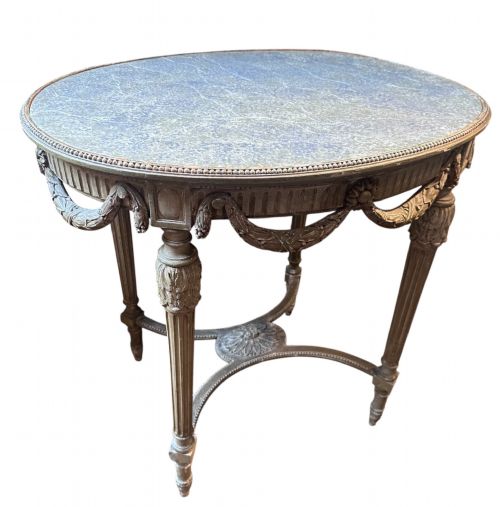

Carved Oval Side Table
A carved oval side table brings warmth and utility to a room, offering surface space with softer lines than a rectangular piece.
Carved Oval Side Table
A carved oval side table bridges several centuries of cabinet making, appearing most frequently in Victorian and Edwardian iterations alongside earlier oak examples.
These pieces function as lamp tables, occasional tables, or centre tables, utilising compact proportions suited to placement beside seating or in hallways.
Origins span English, French, Swedish, and Anglo-Indian workshops, bringing varied regional carving traditions and woods into a single category.
Materials and construction
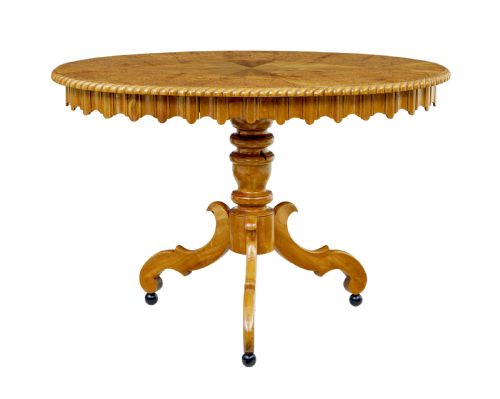
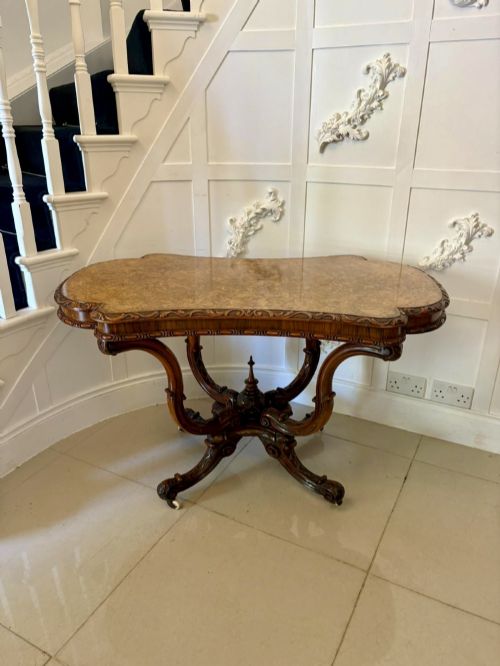
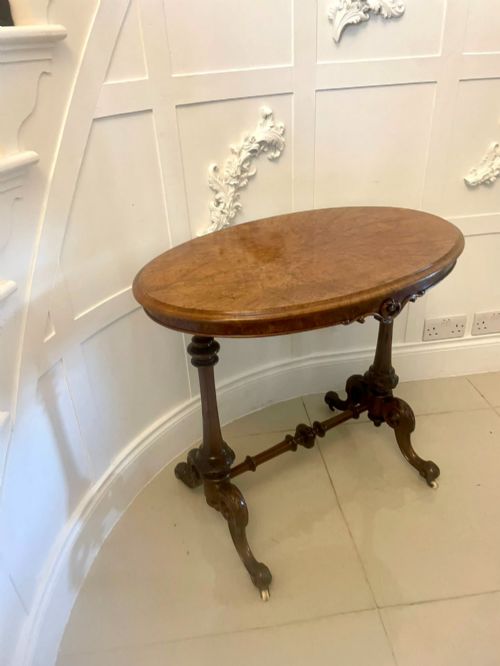
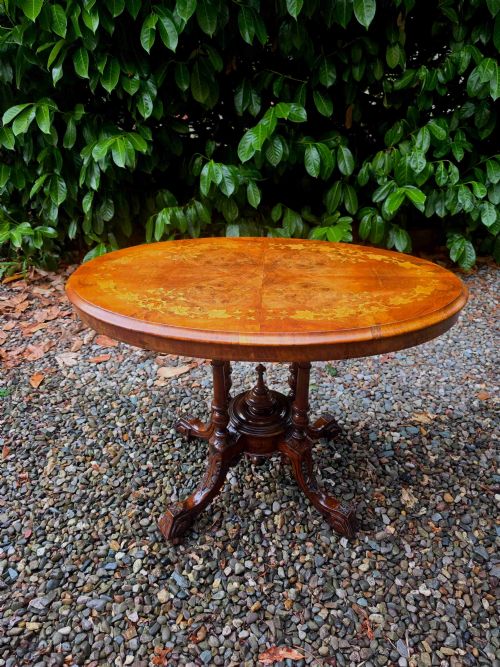
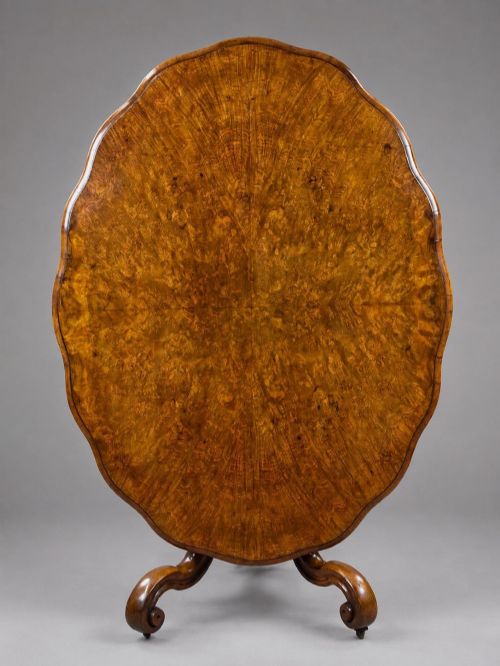
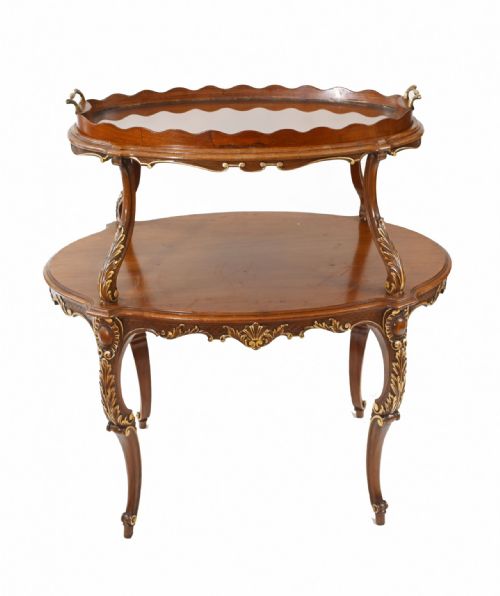
Cabinet makers relied on hardwoods such as walnut, burr walnut, mahogany, and oak, often selecting burr veneers for decorative grain patterns on the top surface.
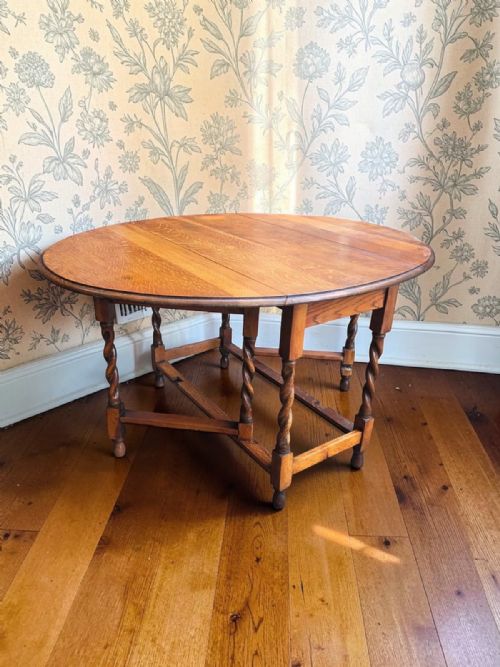
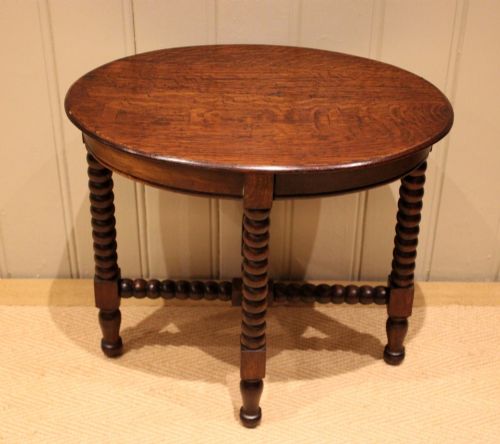
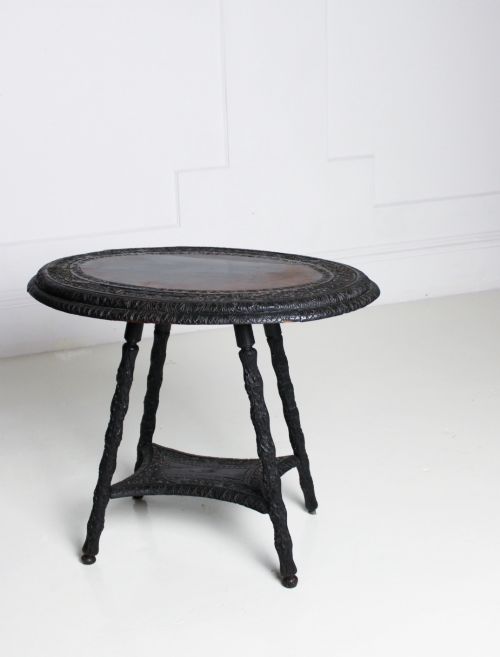
Carving appears on legs, borders, and friezes, utilising hand-chiselled foliate motifs or turned elements like barley twist supports.
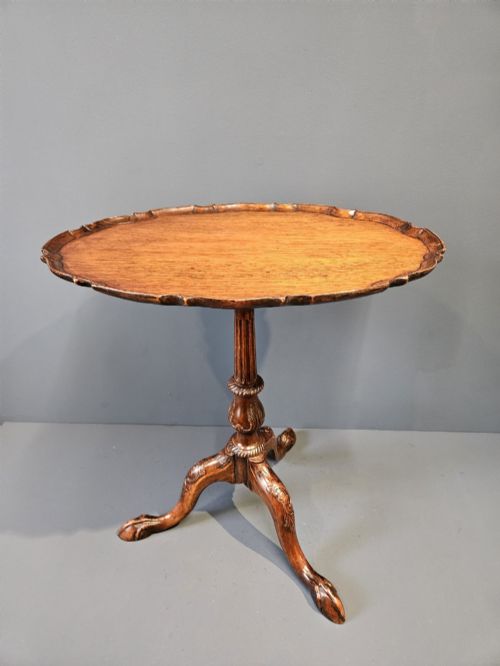
Inlaid details in contrasting timbers and pie crust edges demonstrate the secondary techniques applied to shape the oval tops.
Certain occasional tables arrive with folding frames, designed centuries ago for travellers who refused to sacrifice surface space on the road.
Assessing the work
Quality rests in the depth and crispness of the hand carving, where sharp definition in foliage and moulding distinguishes superior output from mechanical repetition.
The choice of timber underpins the piece, with carefully matched burr walnut veneers or dense, solid oak structural frames holding lasting value.
Proportion and stability dictate daily utility, ensuring the curved legs and joints support the weight of the top without shifting.
The Carved Oval Side Table Glossary
- Burr walnut
- A figured veneer taken from the excrescence on a walnut tree. It yields swirling patterns prized by Victorian cabinet makers for table tops.
- Gateleg table
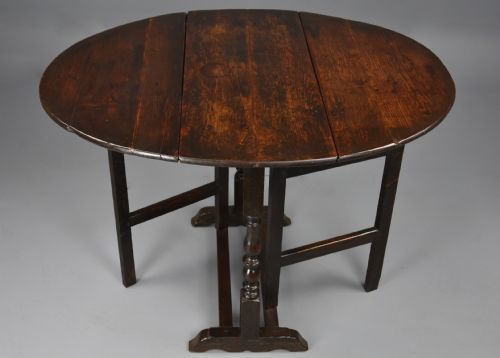
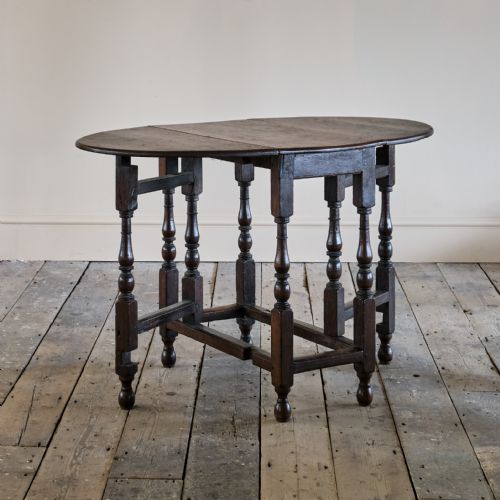
- A table with hinged drop leaves supported by swing-out legs. This form appears frequently in oak across seventeenth and twentieth century examples.
- Pie crust edge
- A raised, carved moulding along the perimeter of a table top resembling pastry work. It is commonly found on mahogany and walnut occasional pieces.
- Occasional table
- A small, movable table designed for specific, intermittent use in a room. These versatile pieces serve as lamp or wine tables.
Carved Oval Side Table: Frequently Asked Questions
Where should I place a side table?
These tables fit comfortably beside armchairs, in small hallways, or as lamp surfaces in living areas where a softer silhouette is preferred.
The curved oval shape prevents sharp corners from jutting into walkways while maintaining adequate surface area for everyday items.
How do I care for walnut veneer?
Maintain burr walnut by keeping the timber away from direct heat sources and strong sunlight that can dry out the grain.
Dust with a dry cloth and apply a quality wax periodically to nourish the wood and preserve the depth of the finish.
What is the difference between an occasional and a centre table?
Occasional tables are generally smaller and designed to sit against walls or beside seating, functioning as movable accents.
Centre tables are typically larger, finished on all sides, and intended to stand freestanding in the middle of a room.
Are gateleg tables stable?
Gateleg tables utilise swing-out legs that lock into position beneath the drop leaves to provide solid structural support.
When fully extended, the multiple turned legs distribute weight evenly across the floor.