


Carved Oak Wine Table
A carved oak wine table brings sturdy timber and compact proportion into a room, serving drinks or lamps with quiet utility.
Carved Oak Wine Table
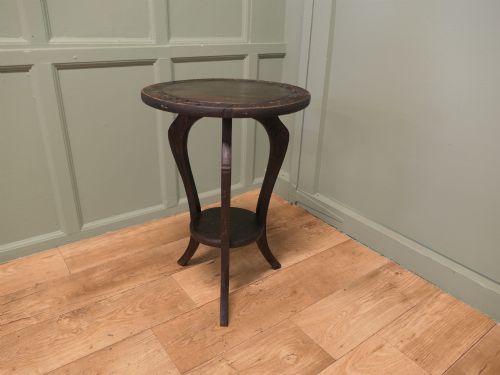
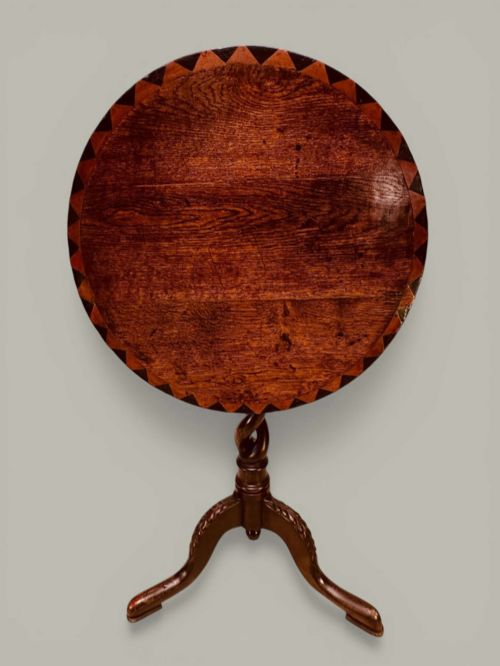
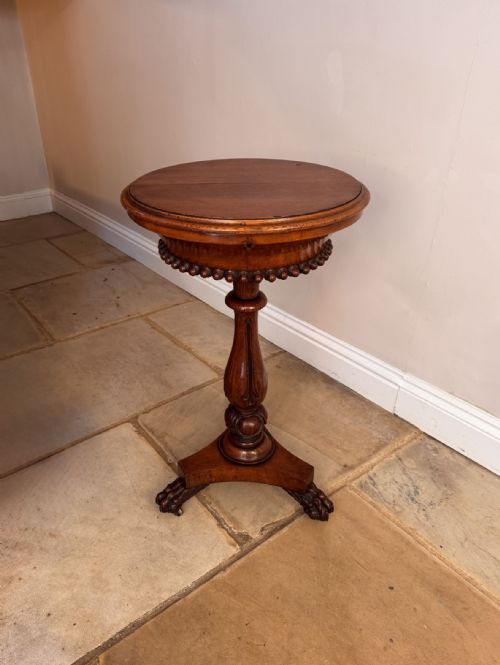
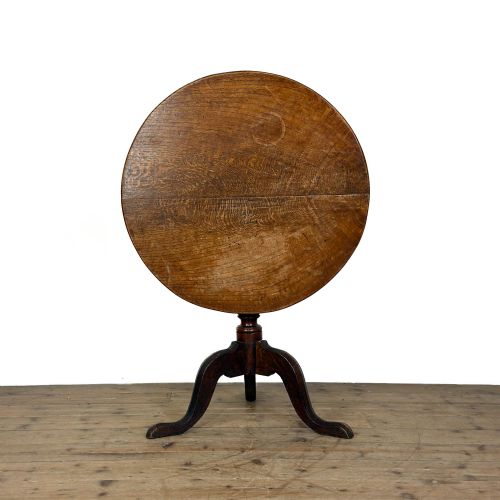
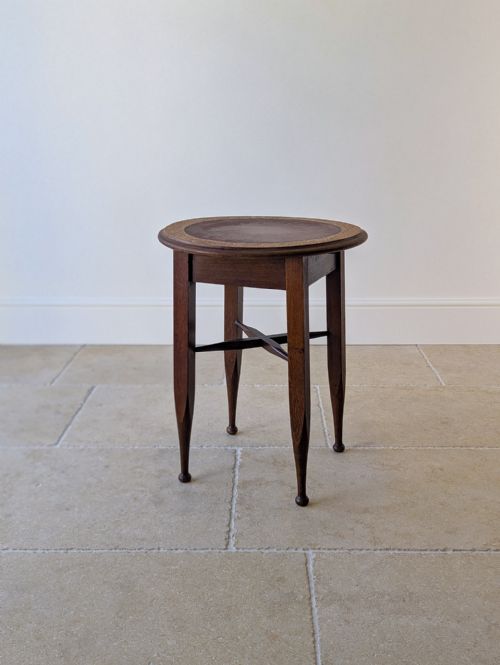
A carved oak wine table is a compact surface designed for holding glassware, bottles, or lamps, drawing on periods from the eighteenth century through the 1920s. These pieces appear in forms such as tripod tables, cricket tables, and tilt-top parlour tables.
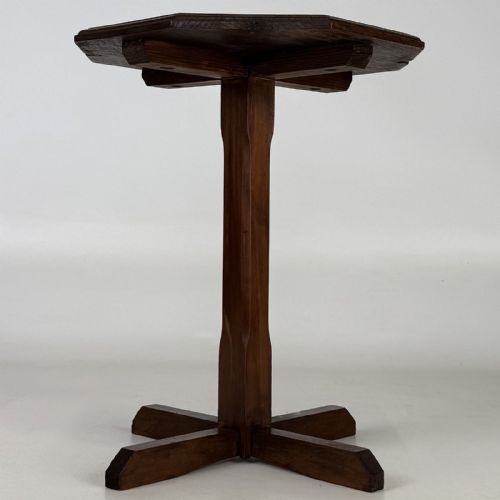
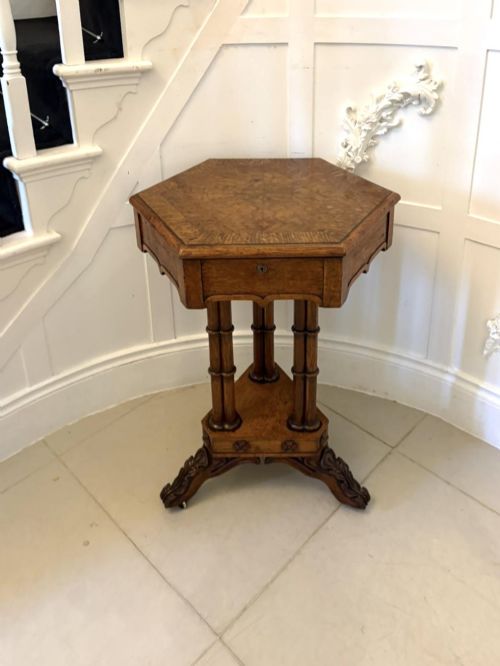
The versions met most frequently on this page date from the Victorian era and the Edwardian period, often incorporating stylistic revivals such as Jacobean, Gothic, and Arts & Crafts. Alongside standard oak, examples emerge in pollard oak, burr oak, and solid oak.
Makers and workshops utilised diverse structural formats, ranging from simple occasional tables to specialised wine coolers and decanter coasters. Their proportions remain modest, suited for placement beside chairs or in smaller reception spaces.
How they were made
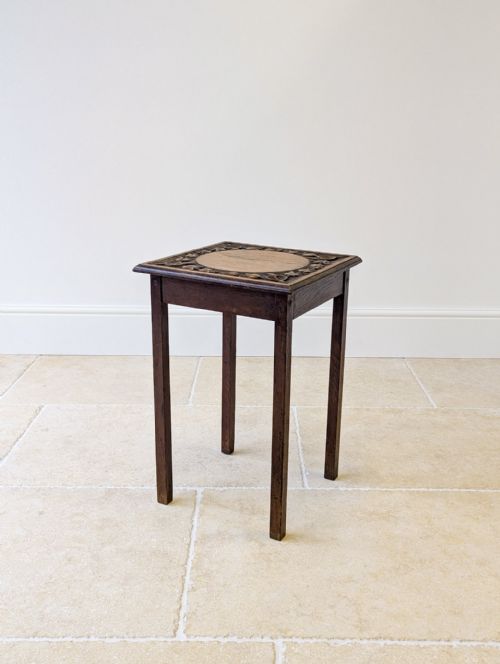
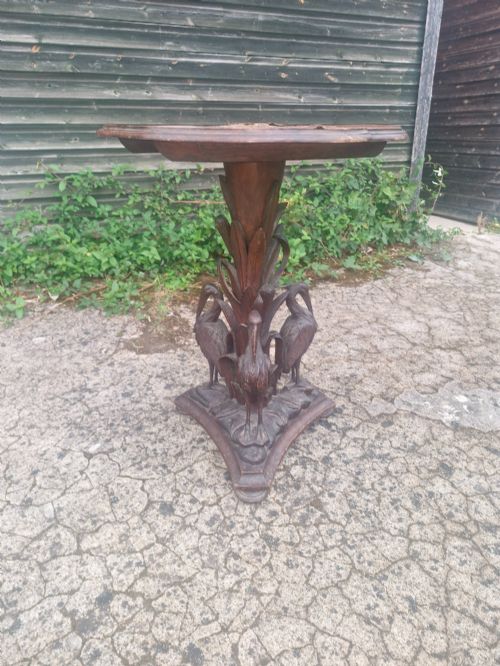
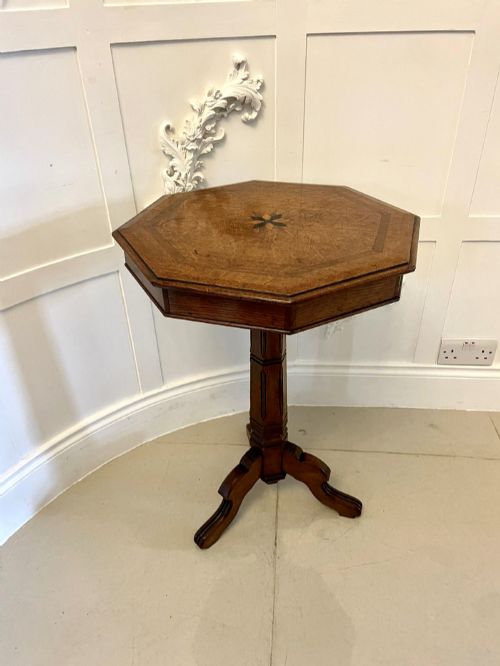
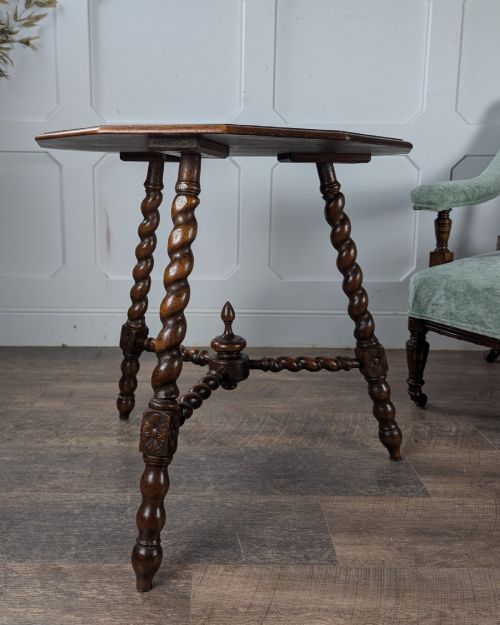
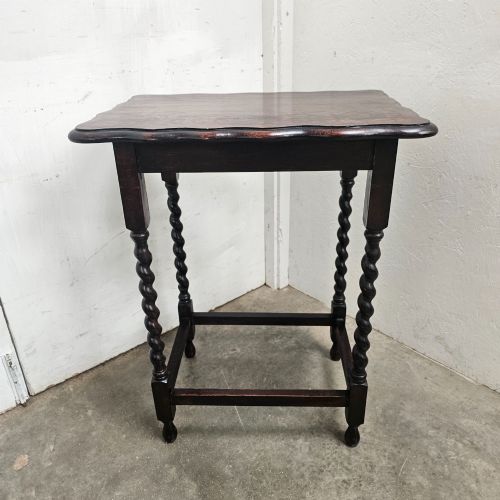
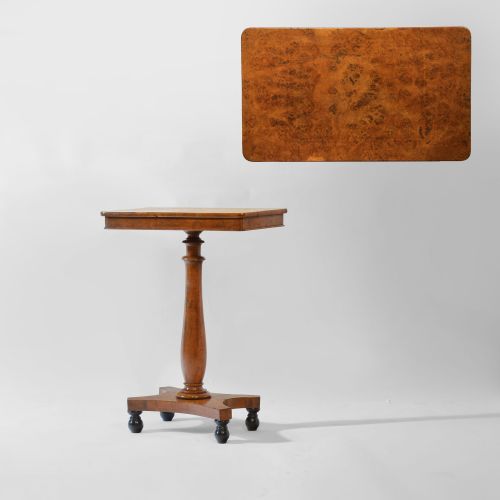
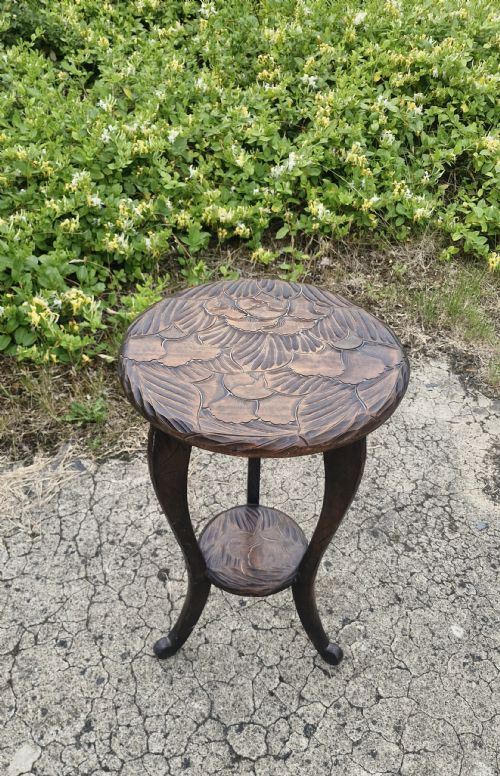
Carpenters utilised solid oak and specialised veneers such as burr oak and pollard oak, applying hand-carving to borders, legs, and surfaces. Turned elements like barley twist legs appear alongside tripod bases and parquetry details.
Secondary materials such as brass, marble, and satinwood occasionally integrate into the construction, particularly in pieces featuring inlaid tops or bound barrel designs. Construction relied on traditional joinery methods appropriate to each period.
Carved Oak Wine Table Retail Price Guide 2026
Typical asking prices for carved oak wine table among the pieces listed under this phrase on Sellingantiques today, from the lower quarter to the upper quarter. They describe what is for sale here now, not the wider market.
Listings feature oak tables spanning the eighteenth century, the Regency era, the Victorian period, and the Edwardian years up to the 1930s.
What varies in quality
The standard of carving and timber selection determines the distinction between ordinary production and finer examples. Deep, crisp chisel work on solid oak stands apart from superficial or mechanical stamping.
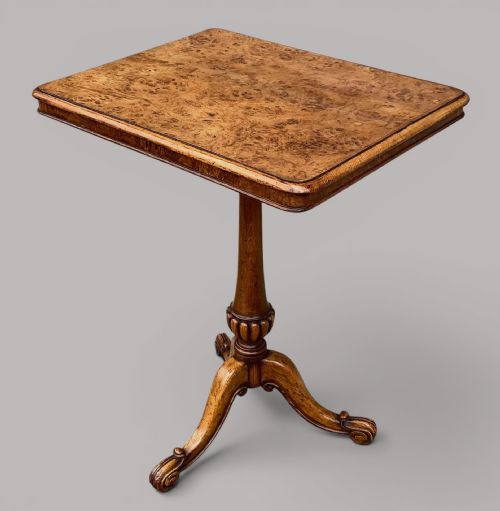
Choice figures in the wood, such as pollard or burr oak variations, elevate the visual depth of the top. Original structural integrity, including stable tripod bases and functional tilt mechanisms, marks the better specimens.
Liberty's·Gillows
The Carved Oak Wine Table Glossary
- Tripod table
- A small circular table supported by three legs connected to a central pillar. This form allows the table to stand steadily on uneven floors.
- Tilt-top
- A tabletop hinged to the pillar so it can be folded vertically when not in use. This design saved space in period interiors.
- Pollard oak
- Timber taken from trees that were pollarded, resulting in rich, clustered grain patterns. Cabinet makers prized this wood for decorative table surfaces.
- Barley twist
- A turning technique that produces a spiral column resembling twisted barley sugar. It appears frequently on the legs of Victorian and Edwardian tables.
- Cricket table
- A small, three-legged occasional table with a round wooden top. The design derives its name from traditional English tables used in sport pavilions and cottages.
Carved Oak Wine Table: Frequently Asked Questions
What is a carved oak wine table used for?
These tables provide a stable surface for holding wine glasses, decanters, or small lamps beside a seating area. Their compact footprint suits them for placement in corners or between armchairs.
Historically, specific variants accommodated drinking accessories or served as adjustable stands for bottles and candles during evening gatherings.
How do I date a carved oak table?
Dating relies on examining the construction methods, the wood preparation, and the decorative style present in the carving. Victorian and Edwardian pieces often display revival motifs like Gothic arches or barley twist legs.
Earlier examples from the eighteenth century show different joinery techniques and simpler, hand-turned components without later mass-produced uniformity.
Are all these tables made of solid oak?
While many pieces utilise solid oak, several incorporate decorative timbers such as burr oak or pollard oak veneers applied to secondary woods. Other elements might include brass hardware or inlaid parquetry.
Material variations often reflect the specific period and the regional workshop traditions of the maker.
How do I care for an antique oak table?
Maintain the timber by keeping the table away from direct heat sources and sudden humidity changes that can cause the wood to split. Regular dusting with a soft, dry cloth preserves the finish.
Avoid chemical polishes that build up a residue over the carved details and timber grain.