



Antique Champagne Table
An antique champagne table brings grand entertaining into a room, offering a dedicated surface or stand for chilling bottles during a gathering.
Antique Champagne Table
When you search for an antique champagne table, you are looking at specialised serving furniture and cooling vessels designed to keep drinks chilled during social gatherings. The selection ranges from dedicated mahogany refreshment tables to large metal vessels and cooler stands produced across several centuries.
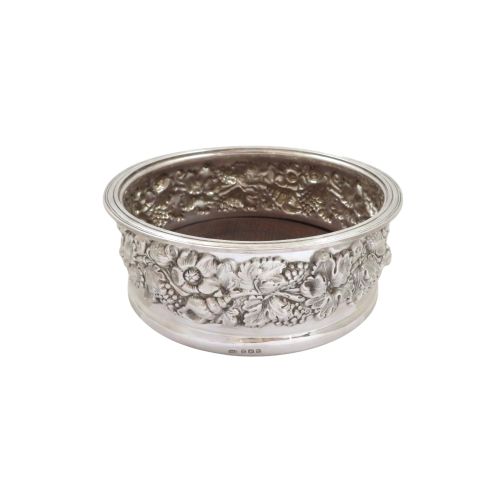
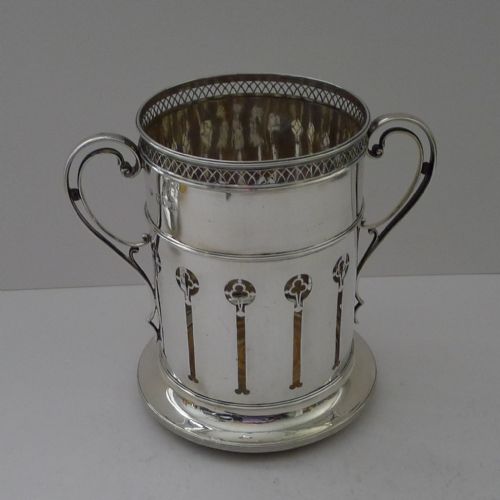
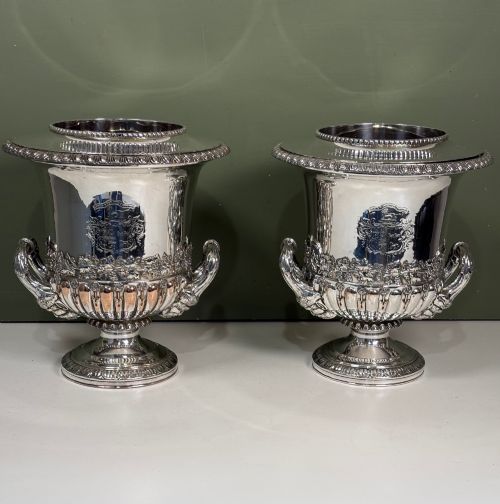
You are most likely to meet silver-plated wine coolers, campana-shaped vessels in Old Sheffield Plate, and occasional wooden forms such as a Louis XVI mahogany rafraichissoir or a Gothic oak champagne table. These pieces bridge the gap between functional barware and decorative furniture.
The origins span the eighteenth, nineteenth, and twentieth centuries, taking in Georgian, Regency, Victorian, and Edwardian periods alongside later mid-century items. Each era brought distinct metals and woods to the workshop, resulting in varied silhouettes for the dining room.
How they were made
Makers shaped these pieces from metals such as sterling silver, silver plate, Old Sheffield Plate, copper, and brass, often combining them with solid woods like mahogany and oak. Old Sheffield Plate involves fusing a thin sheet of silver to a copper base, creating a durable material characteristic of early nineteenth-century production.
Metals were beaten, cast, or plated to achieve decorative forms like campana shapes, while wooden tables required traditional joinery and fitted metal liners to hold ice and bottles safely. The construction prioritised both the containment of melting ice and the display of polished surfaces during formal meals.
Antique Champagne Table Retail Price Guide 2026
Typical asking prices for champagne table among the pieces listed under this phrase on Sellingantiques today, from the lower quarter to the upper quarter. They describe what is for sale here now, not the wider market.
Some nineteenth-century hosts preferred their wine chilled inside Gothic oak stands rather than standard silver.
What varies in quality
The standard of a piece rests on the crispness of its cast ornament, the integrity of the plate over its base metal, and the quality of the timber used in wooden frames. Superior items display well-defined handles, robust mounts, and balanced proportions that reflect the aesthetic ambitions of their period.
The weight of the metal and the retention of original liners or inserts also distinguish finer examples from standard production. Pieces that maintain their original surface finish without excessive wear to the silver or the wood demonstrate better survival through decades of use.
Christofle
The Antique Champagne Table Glossary
- Campana
- A bell-shaped vessel with a flaring rim, commonly used for wine coolers and ice buckets in the Regency and Georgian periods.
- Old Sheffield Plate
- An early method of fusing silver and copper together before electroplating was invented, showing a subtle copper edge on close inspection.
- Rafraichissoir
- A French refreshment table, typically featuring fitted metal liners in the top surface for chilling wine and champagne bottles.
- Wine Coaster
- A small, low tray or holder, often with a wooden base and a silver-plated rim, designed to slide across the dining table.
- Punch Bowl
- A large bowl used for mixing and serving communal drinks, frequently produced in silver plate during the nineteenth and twentieth centuries.
Antique Champagne Table: Frequently Asked Questions
How were champagne tables used?
These pieces served to hold iced water or ice cubes alongside bottles of wine and champagne during formal dining.
Placed near the dining table or sideboard, they allowed hosts to keep drinks chilled without constantly returning to the kitchen.
What is Old Sheffield Plate?
Old Sheffield Plate is an early composite material made by fusing a thin layer of silver to a copper core.
This technique produced durable serving vessels before electroplating became common in the mid-nineteenth century.
How do I date a champagne cooler?
Dating relies on stylistic clues like campana silhouettes from the Regency period or Gothic Revival details on nineteenth-century oak.
Material differences, such as early Old Sheffield Plate versus later silver plate, also help narrow down the decade.
Can I use these for modern parties?
Many of these metal vessels and stands remain robust enough to hold ice and bottles during contemporary gatherings.
Careful handling ensures the historic finishes and silver plating are preserved for daily or occasional use.