



Victorian Wine Cooler Table
These Victorian wine cooler table pieces are versatile nineteenth-century furnishings designed for dining and entertaining.
Victorian Wine Cooler Table
When you search for a Victorian wine cooler table, you are examining nineteenth-century furnishings designed to hold bottles and ice during dining and entertaining. The evidence on this page shows pieces that double as jardinieres, occasional tables, planters, and cellarettes.
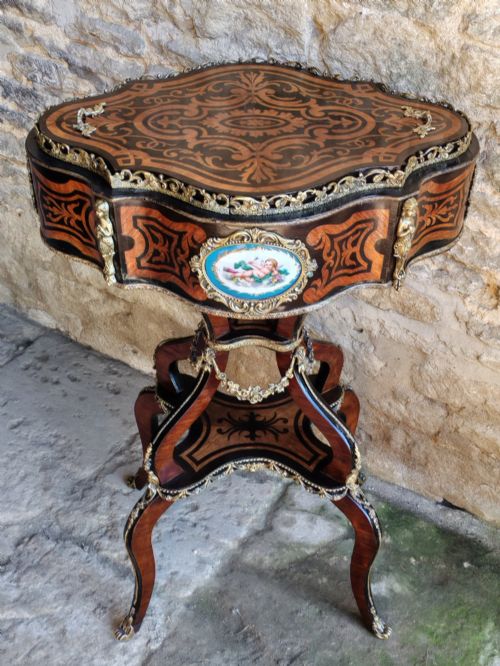
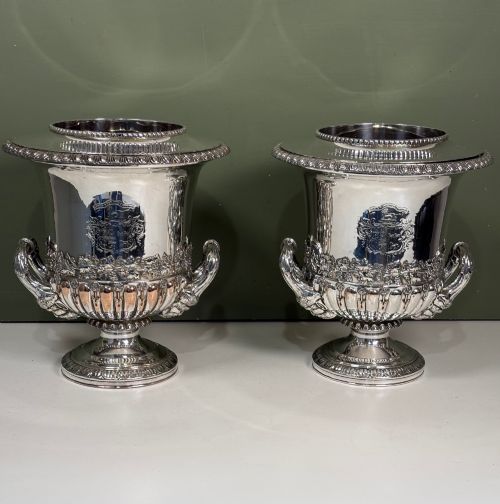
You are most likely to meet burr walnut marquetry inlaid jardiniere planter wine cooler tables and silver plated champagne buckets or coolers from the nineteenth century. These forms bridge the gap between practical dining room equipment and decorative plant stands.
Origins and styles recorded in the listings span French Louis XVI style, Napoleon III, Gothic Revival, and general Victorian periods. Materials range from rosewood and mahogany to brass, ormolu, and silver plate.
Materials and Construction
The construction relies heavily on rich timber foundations like burr walnut, mahogany, rosewood, and ebonised wood, often enhanced with marquetry inlay. Cabinetmakers utilised these figured veneers to create striking visual textures across the surfaces of tables and cellarettes.
Metalwork forms a crucial part of the manufacture, seen in brass banding, gilt mounts, ormolu, and silver plate. These metallic elements reinforce structural rims and provide decorative contrast against the dark woods and porcelain components.
Victorian Wine Cooler Table Retail Price Guide 2026
Typical asking prices for victorian wine cooler table among the pieces listed under this phrase on Sellingantiques today, from the lower quarter to the upper quarter. They describe what is for sale here now, not the wider market.
Several pieces are listed simultaneously as side tables, wine coolers, and plant pots, proving Victorian furniture loved an identity crisis.
Distinguishing Quality
Quality varies according to the precision of the marquetry inlay and the choice of timber veneers, such as burr walnut. Finer examples display meticulous grain matching and intricate floral or geometric patterns across the table tops and sides.
The execution of metal mounts, whether gilt bronze, ormolu, or brass banding, dictates the refinement of the piece. Superior items feature crisply cast or chased metalwork that integrates cleanly with the wooden structure.
The Victorian Wine Cooler Table Glossary
- Jardiniere
- A decorative pot or stand for holding plants and flowers. In nineteenth-century furnishings, these often double as wine coolers.
- Cellarette
- A lockable container or cabinet used for storing bottles of wine near the dining table. They frequently appear lined with metal or integrated into low furniture.
- Marquetry
- The art of applying pieces of veneer to a structure to form decorative patterns. Craftsmen use various woods to create pictures or abstract designs on table tops.
- Ormolu
- Gilded bronze applied to furniture mounts and decorative objects. This technique was popular in French and revival styles during the nineteenth century.
- Old Sheffield Plate
- A composite material made by fusing a layer of silver onto a copper base. It is typical of older tableware and cooler construction.
Victorian Wine Cooler Table: Frequently Asked Questions
What is a wine cooler table?
A wine cooler table is a nineteenth-century furnishing designed to keep bottles chilled during meals while serving as an occasional table or plant stand.
Many examples incorporate metal liners or inner compartments intended to hold ice alongside wine or champagne bottles.
How were these tables used?
They were positioned in dining rooms and drawing rooms to keep wine readily accessible during social gatherings without requiring constant trips to the cellar.
Over time, owners frequently repurposed them as indoor plant stands or jardiniere tables when dining habits changed.
Can these tables still hold plants?
Many surviving examples feature metal or porcelain liners designed originally to contain moisture from ice or plants.
Using them as jardiniere tables continues their historical dual purpose of holding floral arrangements and greenery.