
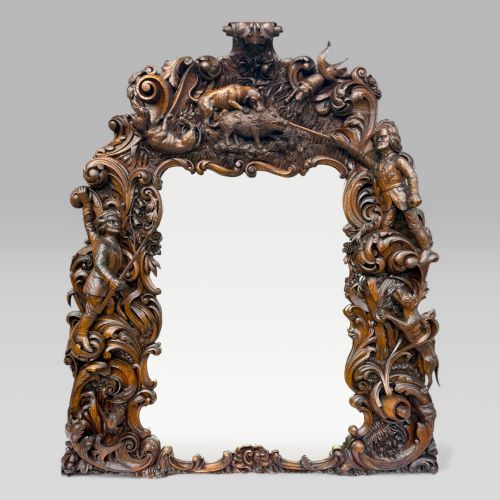
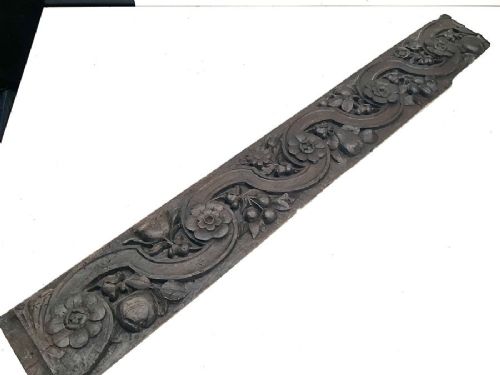
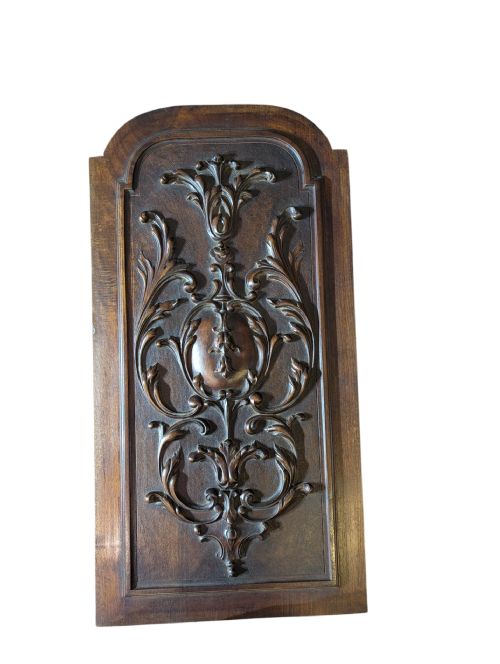
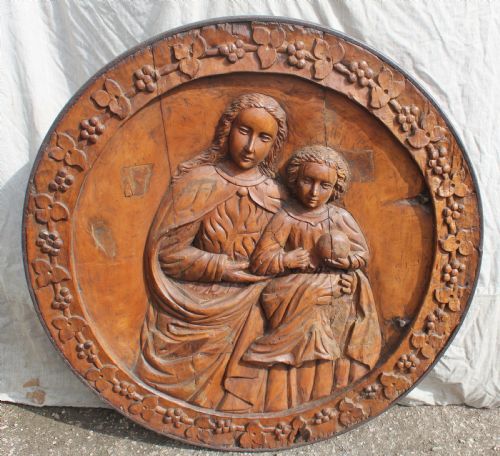
Carved Oak Wall Relief
Carved oak wall relief pieces bring centuries of architectural history and deep timber texture straight into a modern interior.
Carved Oak Wall Relief
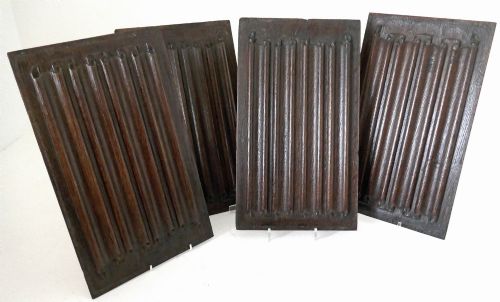
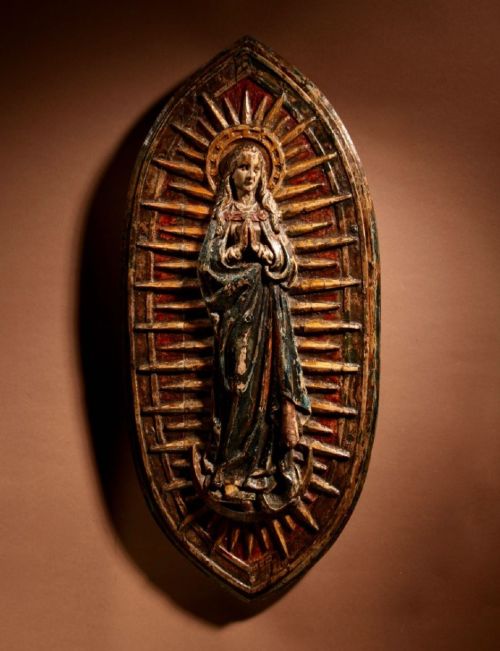
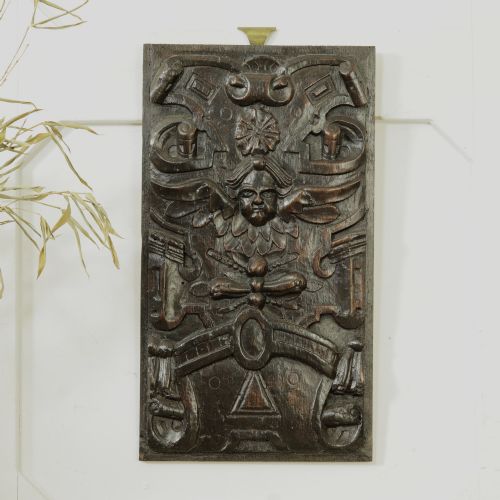
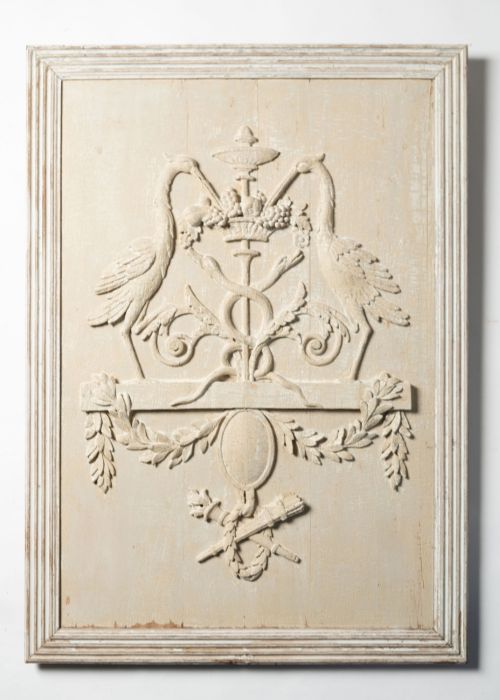
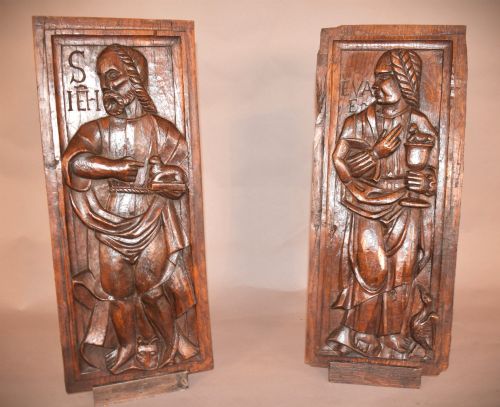
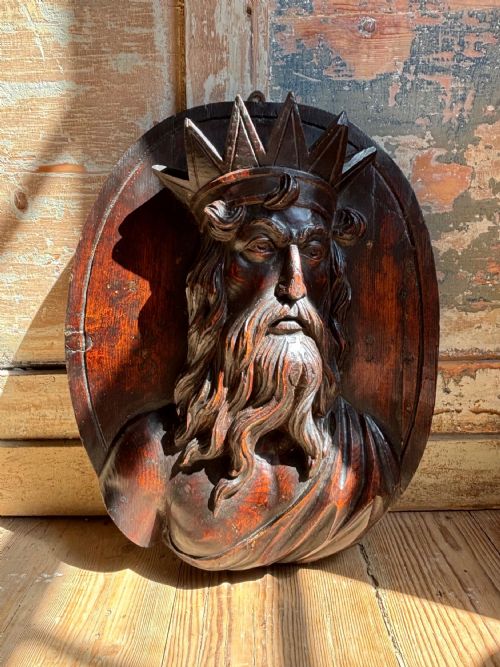
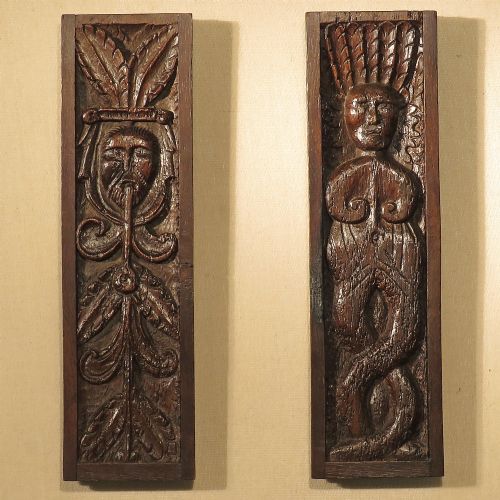
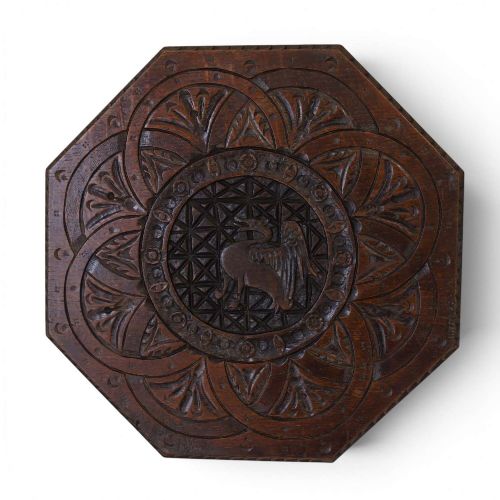
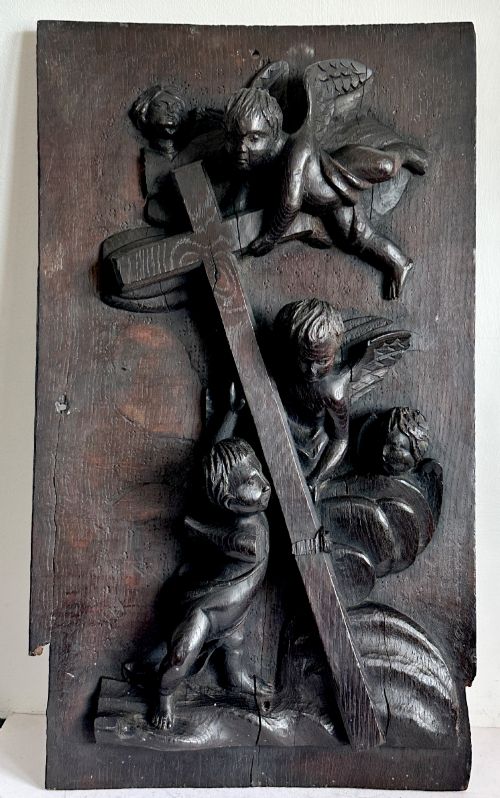
A carved oak wall relief is a sculptural wooden panel or architectural fragment designed for interior display, carrying centuries of hand-chiselled detail. When searching for carved oak wall relief, a buyer meets everything from domestic linenfold panels to ecclesiastical fragments and mythological plaques.
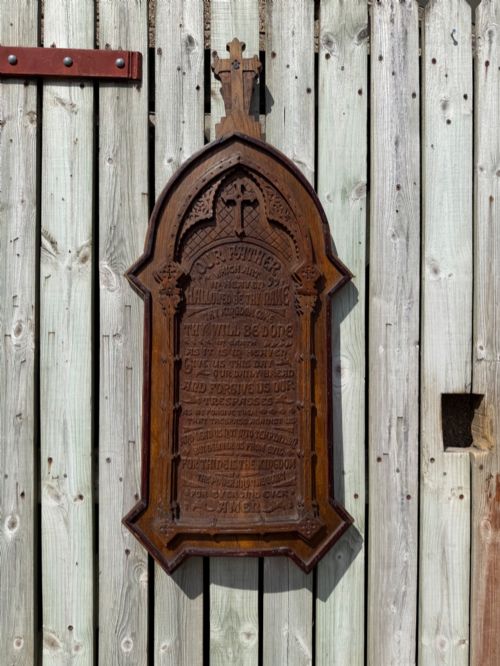
The pieces span six centuries, stretching from early medieval and Tudor church carvings up to nineteenth-century Gothic Revival and Arts and Crafts revivals. Wall panels, overmantles, friezes and ceiling roses form the core of the selection.
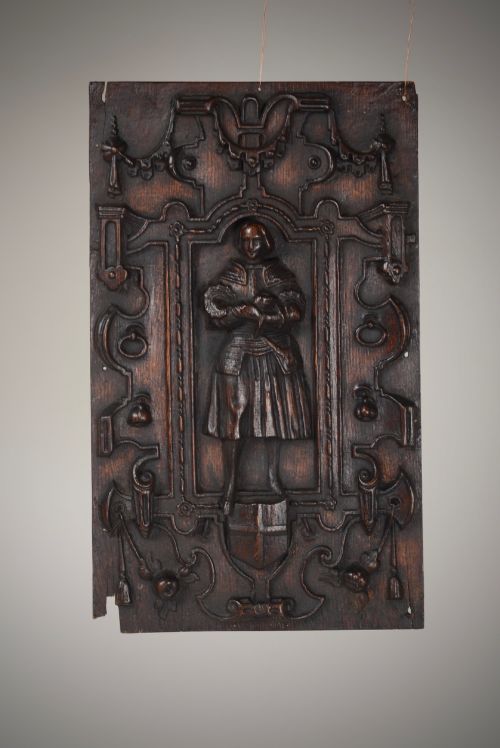
Continental European workshops appear alongside English pieces, showing Flemish, German, Dutch and French influences. Subjects range from religious figures and allegorical scenes to hunting motifs and armorial crests.
How They Were Made
Makers relied primarily on sturdy British and European timber, selecting oak for its durability alongside occasional walnut, fruitwood, and gesso or polychrome additions. Carpenters and sculptors worked seasoned wood using gouges, chisels and mallets to achieve high-relief and pierced openwork effects.
Panels were often salvaged from larger architectural settings such as church altarpieces, staircase elements, and noble overmantles before being adapted for wall hanging.
The listings span periods from the sixteenth century through the Victorian era, utilising oak, fruitwood, walnut, and polychrome finishes.
What Varies in Quality
Integrity of survival also matters, separating untouched early surfaces with honest patination from heavily restored or later assembled decorative timber work.
Edward Pearce
The Carved Oak Wall Relief Glossary
- Linenfold
- A style of wood carving that imitates folded linen, commonly found on sixteenth-century panels. This treatment gives flat timber a draped, textile appearance.
- Relief
- Sculpture where the figures project from a background plane. High relief projects significantly, creating strong shadow and three-dimensional depth.
- Overmantel
- A decorative panel, mirror or carving placed directly above a fireplace mantelpiece. These pieces often anchor the surrounding wall architecture.
- Corbel
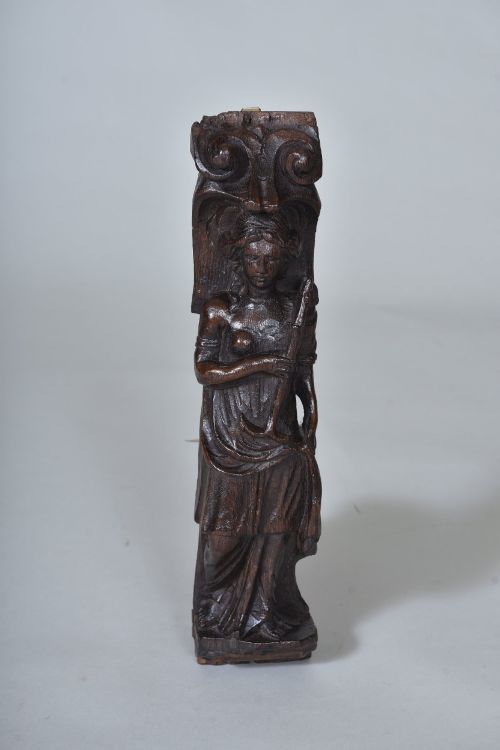
- A structural piece of stone or wood projecting from a wall to support a weight. In wood, these often take grotesque, angelic or human forms.
- Gesso
- A paint mixture consisting of a binder mixed with chalk or gypsum. It was applied to wood surfaces to prepare them for gilding or polychrome paint.
Carved Oak Wall Relief: Frequently Asked Questions
How do I hang a heavy carved oak wall relief?
Heavy antique wood panels require sturdy wall anchors and proper metal brackets fixed directly into wall studs or masonry. Professional framing or hanging specialists ensure the significant weight of dense oak is supported safely.
Distributing the load prevents strain on the ancient timber joints and protects the structural integrity of the carving over time.
Were these always meant as wall hangings?
Many pieces started as functional architectural elements such as staircase panels, friezes, ceiling roses, altarpieces or overmantles rather than standalone art. Later centuries often saw these salvaged architectural components repurposed specifically for interior wall display.
This history explains why some items feature peg holes, rebate edges or former tabletop structures within their construction.
How do I care for antique oak carvings?
Keep carved oak away from direct heat sources, radiators, and rapid humidity fluctuations to prevent the ancient timber from splitting or warping. Dust gently with a dry, soft brush and avoid modern liquid polishes that can build up in the recessed crevices.
Natural beeswax applied sparingly helps preserve the dry, historic patina of the wood without sealing the pores.
How can I tell a sixteenth-century panel from a nineteenth-century revival?
Sixteenth and seventeenth-century panels show tool marks consistent with hand-cleaved timber, shrinkage cracks, and deep patination earned through centuries of handling. Nineteenth-century Gothic Revival pieces often display machine assistance, harder edges, or wood movement patterns typical of later workshop practices.
Comparing the joinery, nail types, and back surfaces helps reveal the true age of the timber.