
Carved Oak Sideboard Cabinet
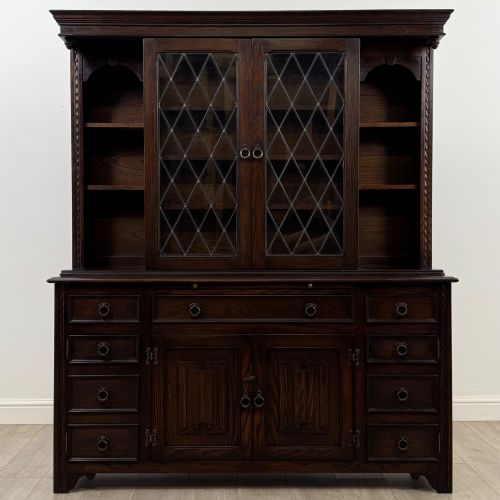
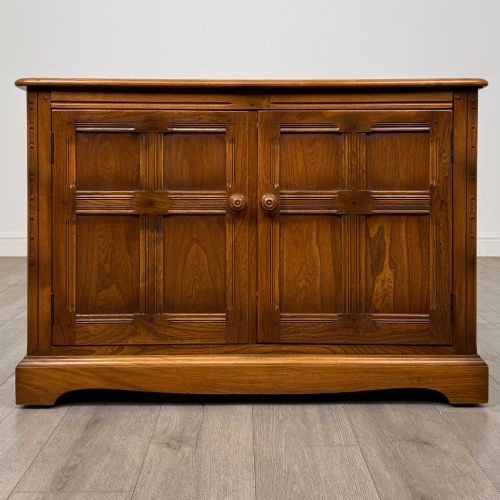
A carved oak sideboard cabinet brings sturdy utility and deep historical character to a room, offering generous storage through panelled doors and carved drawers.

Carved Oak Sideboard Cabinet
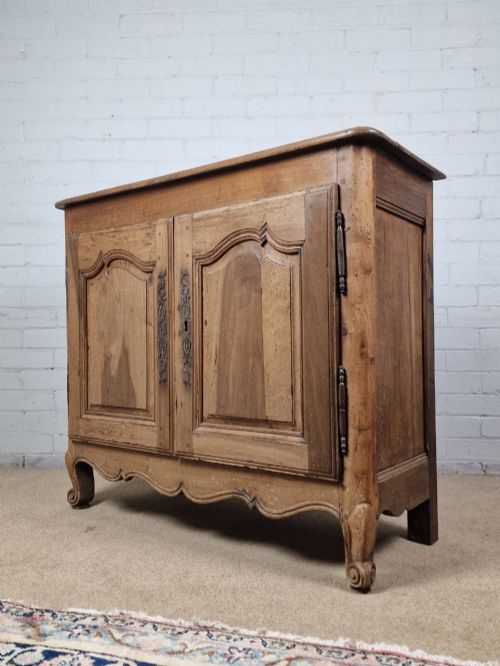
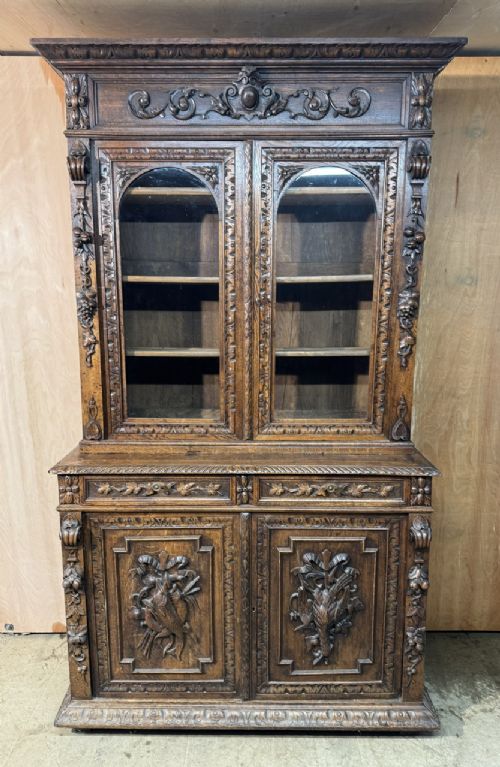
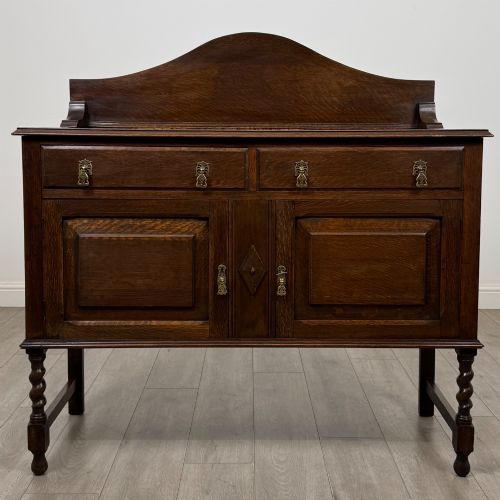
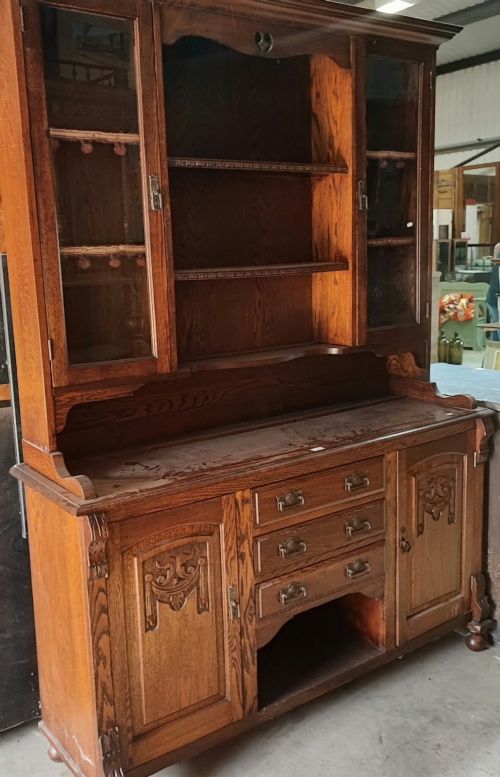
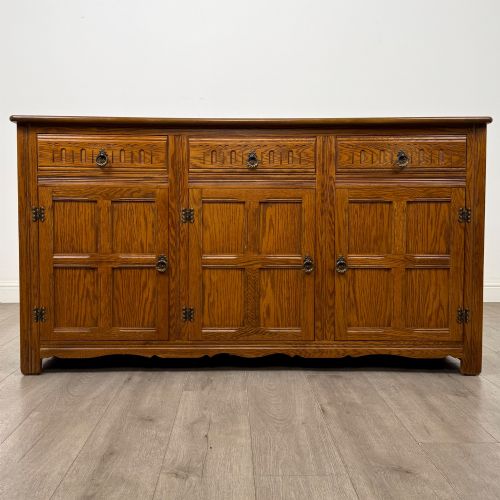
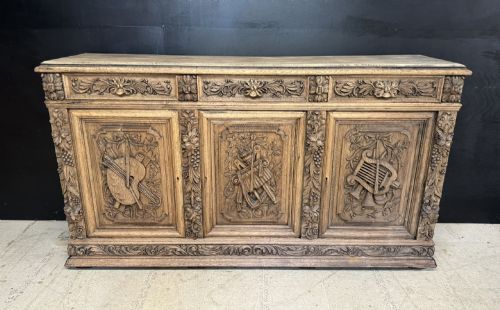
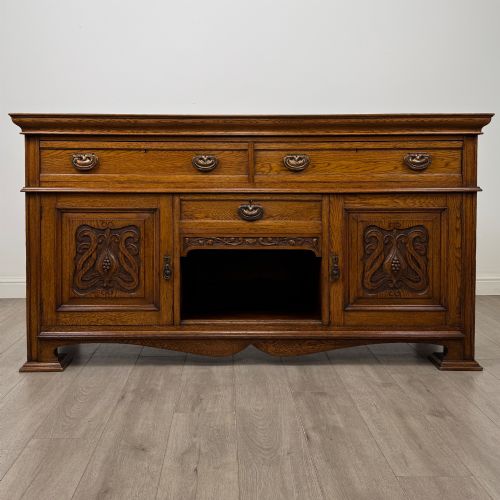
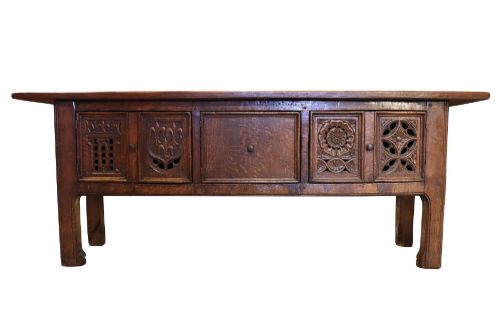
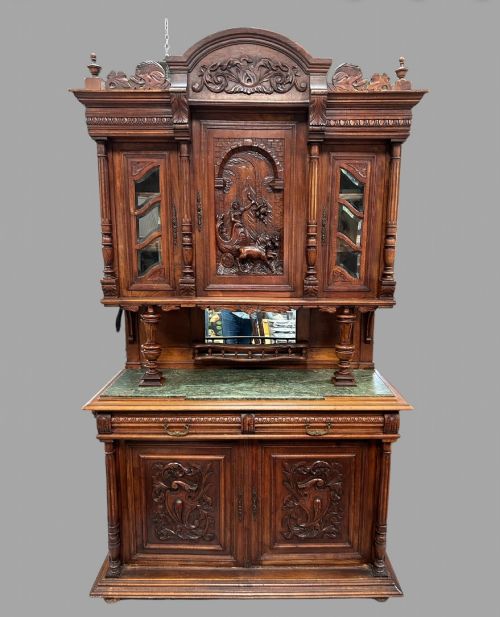
A carved oak sideboard cabinet encompasses substantial storage furniture designed for dining rooms, hallways and living spaces, ranging from long servers to tall court cupboards and glazed dressers. When searching for a carved oak sideboard cabinet, a buyer encounters pieces originating from the seventeenth century through to the Edwardian period, with Victorian and twentieth-century interpretations appearing frequently.
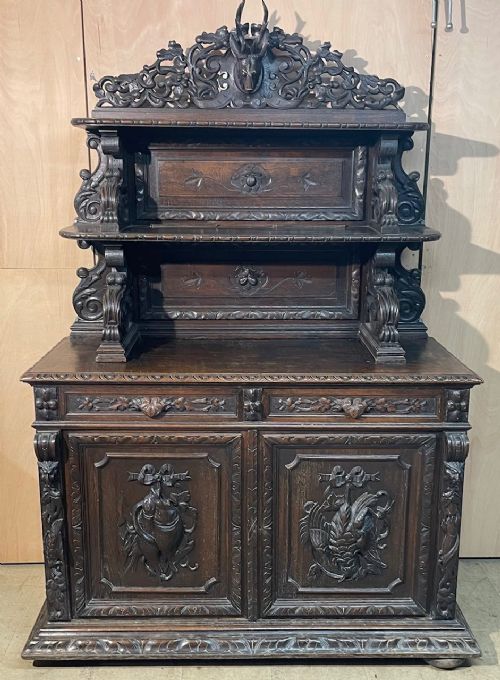
The forms span French hunting sideboards, English Jacobean revival servers, Arts and Crafts cabinets, and Welsh dressers. Oak remains the primary timber, sometimes complemented by walnut or mahogany, alongside fittings of brass, iron and glass.
How they were made
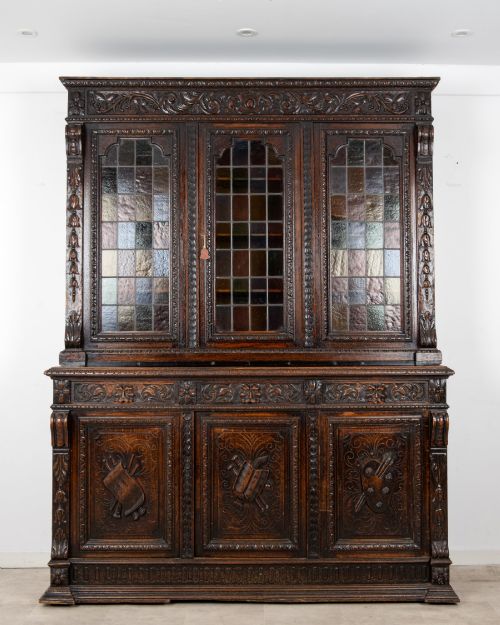
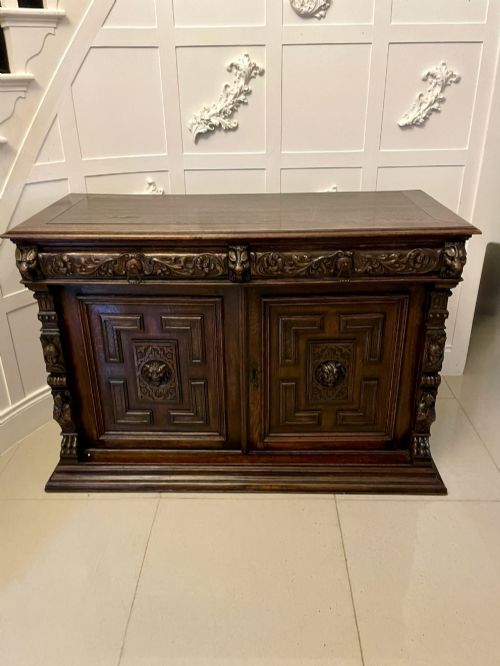
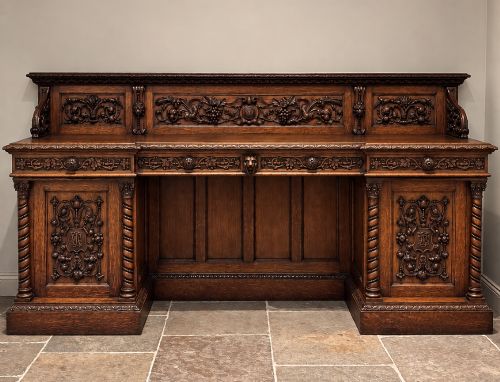
Cabinet makers utilised solid oak timbers, joining panels with traditional frame and panel construction to accommodate natural wood movement over centuries. Decoration relied heavily on hand carving, producing deep relief motifs such as linenfold, foliage, Green Man masks and lion heads, alongside turned elements like barley twist columns.
Metalwork played a structural and decorative role, with wrought iron hinges, brass drop handles and copper mounts securing doors and drawers. Glass was integrated into upper bookcase sections and display cabinets, while lead secured stained glass panels in later nineteenth and early twentieth-century examples.
The listings show oak combined with brass, iron, glass and copper across periods from the seventeenth century to the Edwardian era.
What varies in quality
The distinction between standard utility furniture and superior examples lies in the depth and crispness of the hand carving. Pieces attributed to specific design movements or known makers display finer proportions and more inventive detailing, such as architectural cornices or integrated figural supports.
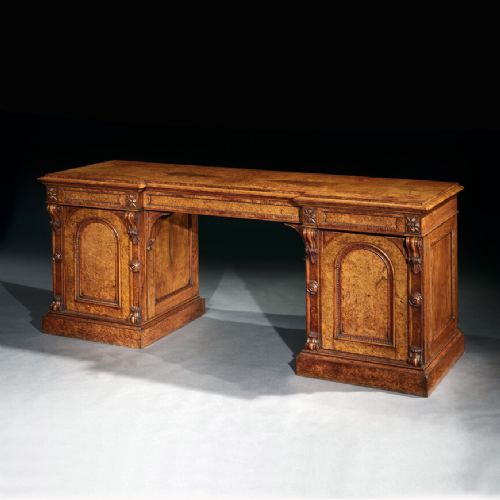
Material selection also defines the tier of a piece, from plain conversion oak to figured tiger oak or pollard oak. Original hardware, intact leaded glass, and untouched timber patination elevate the standing of a cabinet significantly.
Ambrose Heal for Heal & Son·Arthur Simpson of Kendal
The Carved Oak Sideboard Cabinet Glossary
- Court cupboard
- A heavy, multi-tiered wooden storage piece featuring a recessed upper section supported by columns. These items date back to earlier centuries and provide enclosed shelving behind panelled doors.
- Barley twist
- A spiral turning technique applied to wooden legs, columns and stretchers on furniture. This decorative lathe work gained popularity during revival periods and Edwardian production.
- Linenfold
- A style of carved wooden panelling designed to resemble folded cloth. Artisans used this technique extensively on cupboard doors and friezes.
- Enflade
- A long cabinet or sideboard designed for formal dining rooms in French interiors. These large storage units often feature three or more panelled doors.
- Green Man
- A sculptural architectural motif depicting a human face carved with leaves, vines and foliage sprouting from the mouth. This ancient symbol appears frequently in nineteenth-century revival carvings.
Carved Oak Sideboard Cabinet: Frequently Asked Questions
How do I identify a Jacobean revival piece?
Jacobean revival cabinets display heavy geometric mouldings, strapwork carving and turned legs that imitate seventeenth-century joins. They often feature dark patinated oak and heavy overhanging cornices.
Makers working in the nineteenth and early twentieth centuries adopted these seventeenth-century motifs to satisfy demand for historicist interior styling.
What is a French hunting sideboard?
A French hunting sideboard is a heavily carved nineteenth-century storage cabinet featuring regional motifs like game birds, fruit garlands, hunting dogs and fierce animal masks. These impressive dining pieces often include upper display shelving.
They reflect rural French traditions and were built on a grand scale using dense local oak.
How should I care for antique oak furniture?
Maintain antique oak by applying natural beeswax sparingly and buffing with a soft cloth to nourish the timber. Avoid placing these heavy cabinets near direct heat sources or strong sunlight, which can dry out the wood.
Consistent indoor humidity prevents the historic joints from shrinking or cracking over time.
What distinguishes Arts and Crafts oak cabinets?
Arts and Crafts sideboards emphasise honest construction, visible tenon joints and simplified forms rather than heavy historic revival carving. They frequently utilise golden oak with understated copper or brass hardware.
Designers of this movement sought to highlight the natural grain of the timber and the skill of the craftsman.