



Late Victorian Oak Cabinet
A late victorian oak cabinet offers solid timber construction and period character, bringing practical storage and distinct nineteenth-century style to a room.

Late Victorian Oak Cabinet
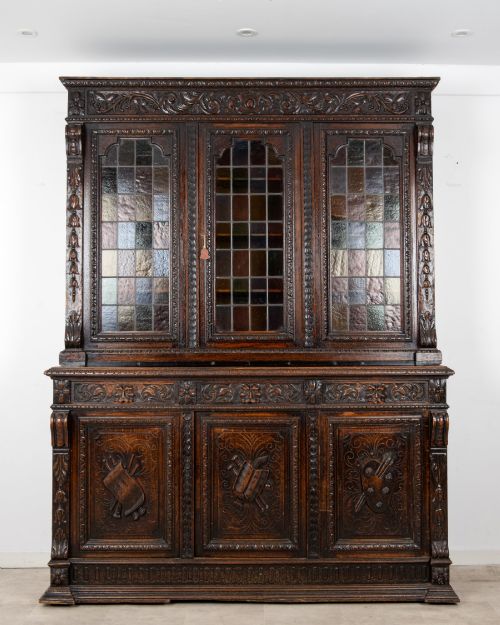
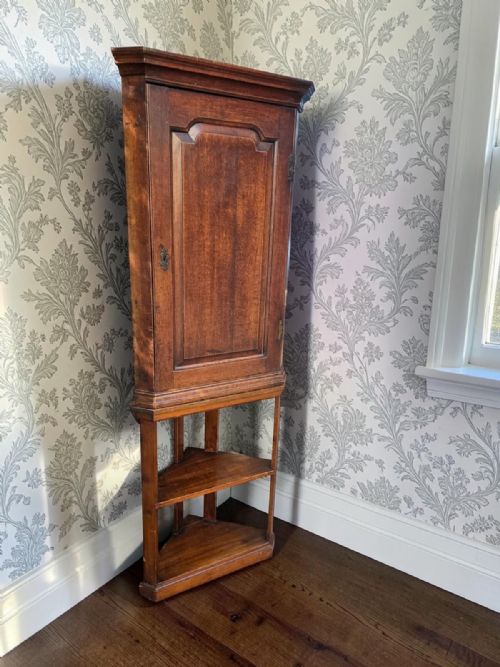
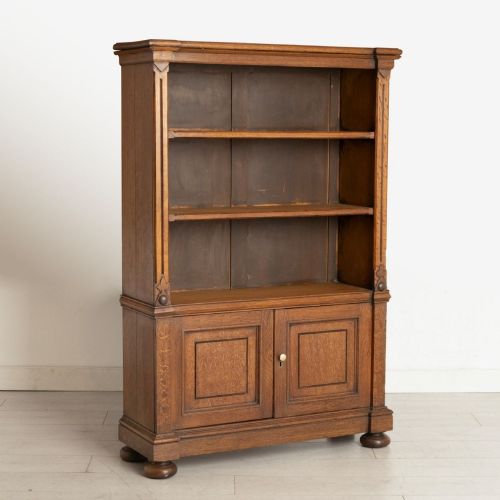
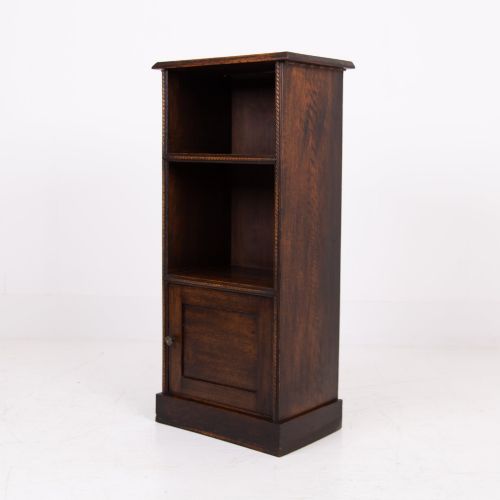
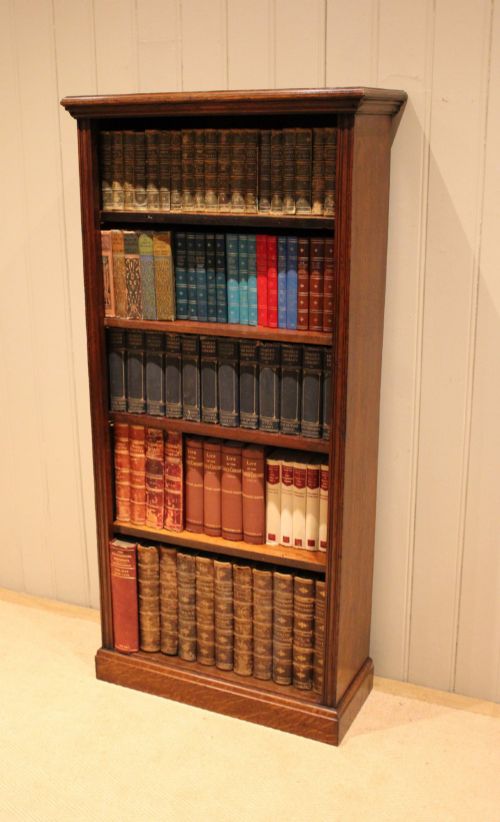
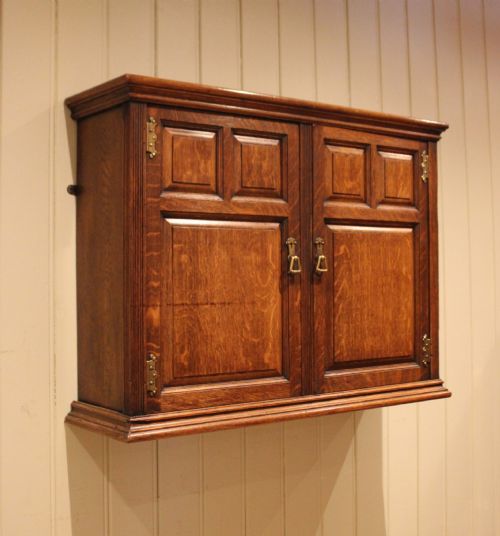
A late victorian oak cabinet encompasses a diverse group of storage furniture produced towards the end of the nineteenth century, typically associated with the Victorian period. These pieces range from compact wall-hanging cupboards and bedside units to large bookcase cabinets, sideboards, and specialised filing systems.
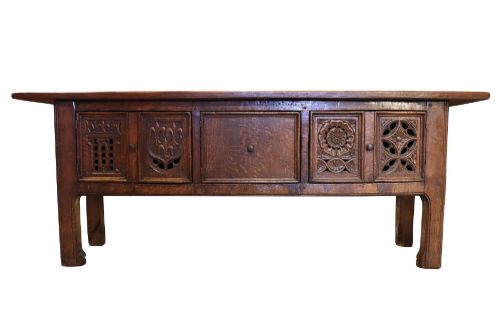
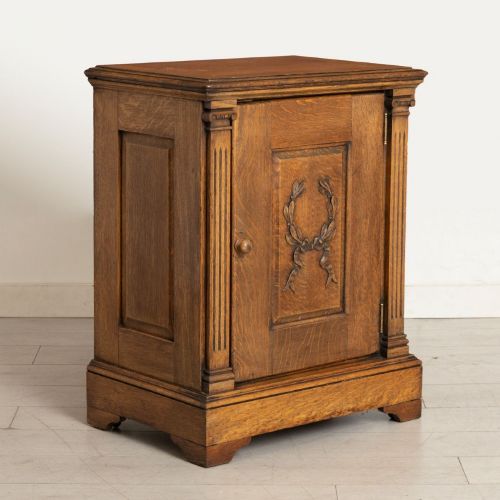
The versions most commonly met in current listings display characteristic revival styles, particularly Gothic Revival and Arts and Crafts influences. Many examples feature robust construction in solid oak, sometimes ornamented with carved details such as Green Man motifs or Flemish-inspired patterns.
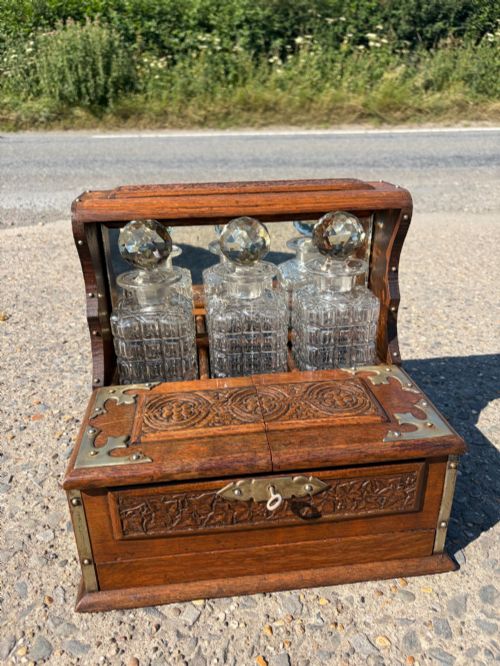
Beyond standard cupboards, the selection includes stationery boxes, tantalus sets, and bureau desks fitted with drop-front writing surfaces. These smaller forms share the dense timber and utilitarian practicality characteristic of late nineteenth-century British workshop production.
How they were made
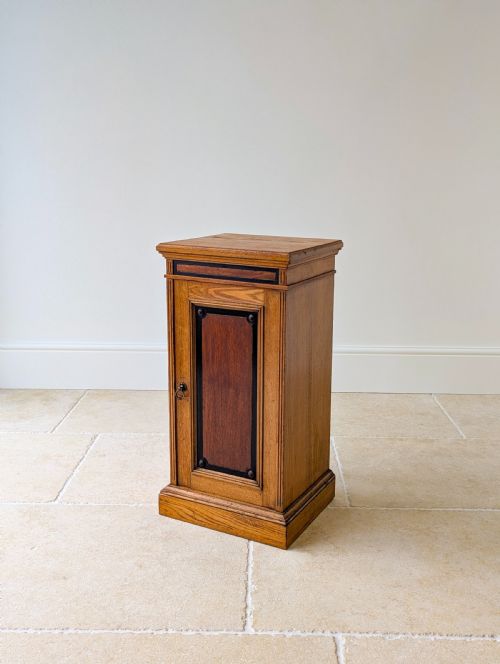
Makers utilised solid oak as the primary timber, occasionally selecting pollard oak for decorative grain effects or ebonised wood for contrast. Construction relied on traditional joinery methods suited to heavy use, integrating brass hardware, lead, and mirror glass into the structural design.
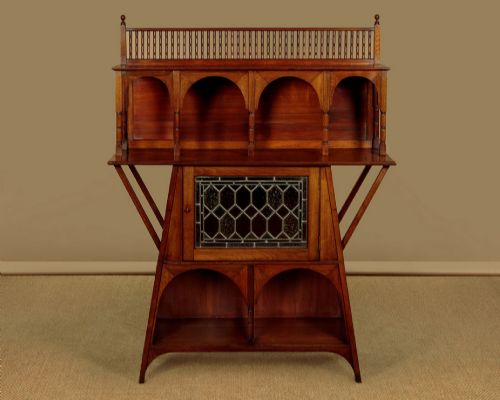
Surface ornamentation often involved deep hand carving, executed directly into the solid timber framework rather than applied as thin veneer. Glazed sections incorporated clear or stained glass panels, whilst specialised pieces like filing cabinets and writing desks utilised internal fitted compartments built from secondary timbers.
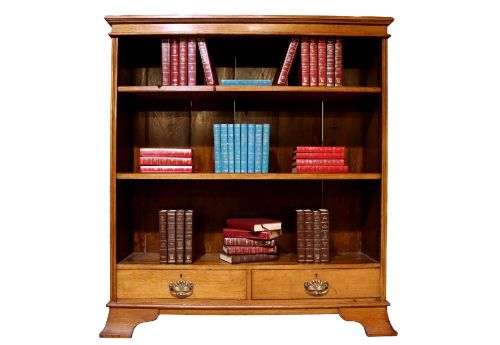
One bookcase cabinet carries later German beer-related sign writing, adding an unexpected touch of tavern history to the timber.
What varies in quality
The standard of a late victorian oak cabinet depends largely on the crispness of the hand carving and the selection of the timber. Pieces featuring deeply undercut floral, figural, or Green Man motifs demonstrate a higher tier of craftsmanship than those with machine-routed or shallow decoration.
Structural integrity and internal fittings also distinguish finer examples from standard utility pieces. Fitted pigeonholes, operating brass locks with original keys, leaded glass panels, and solid backboards elevate the manufacture of a cabinet beyond basic workshop output.
Liberty & Co.·Garnett & Sons·Walker & Hall
The Late Victorian Oak Cabinet Glossary
- Tantalus
- A locking beverage stand designed to secure decanters within a wooden frame, typically fitted with a brass handle and mechanism. This form prevents unauthorized access to the contents while displaying the glass vessels.
- Purdonium
- A specialised household box or cabinet designed specifically to store household coal near a fireplace. These containers often feature a sloping front and an interior metal liner.
- Gothic Revival
- An architectural and decorative style drawing inspiration from medieval forms, characterised by pointed arches, heavy tracery, and robust proportions. Furniture in this taste often displays stark vertical lines and deep relief carving.
- Aesthetic Movement
- A late nineteenth-century design current emphasising visual beauty over narrative meaning, often incorporating ebonised surfaces and orientalizing brass hardware. Pieces in this style reject heavy Victorian moralizing in favour of artistic simplicity.
- Creedence Cabinet
- A traditional storage furniture form revived in the nineteenth century, generally featuring an open lower tier and a shelved upper cupboard. These units trace their design lineage to ecclesiastical furniture used for holding sacramental vessels.
Late Victorian Oak Cabinet: Frequently Asked Questions
How do I identify a Gothic Revival cabinet?
Gothic Revival cabinets are identified by architectural motifs such as pointed arches, quatrefoils, and heavy geometric panels. The joinery is typically robust, emphasising vertical lines and structural strength.
Carvings on these pieces often draw on medieval ecclesiastical designs, utilising deep relief work rather than delicate floral patterns. This style creates a distinct, heavy presence within an interior space.
What is an Arts and Crafts oak cabinet?
Arts and Crafts oak cabinets emphasise visible construction methods, plain surfaces, and honest use of materials. Ornamentation is minimal, relying instead on the natural grain of the timber and handcrafted metal hardware.
These pieces reflect a rejection of mass-produced industrial furniture in favour of traditional workshop standards. They often feature copper or brass strap hinges and straightforward rectangular proportions.
Were these cabinets used in offices?
Many late nineteenth-century oak cabinets served administrative functions in libraries, studies, and commercial offices. Specialised forms included locking filing cabinets, stationery boxes, and bureau desks with fitted pigeonholes.
These functional items combined secure storage with domestic aesthetic standards, utilising durable oak and brass hardware to withstand daily clerical use.
How should I care for an oak cabinet?
Caring for an antique oak cabinet involves maintaining stable indoor humidity levels to prevent the solid timber from splitting. Regular dusting with a dry cloth preserves the polished surface without the need for heavy silicone polishes.
Positioning the piece away from direct sunlight and heat sources protects the finish and prevents the wood from warping over time.