
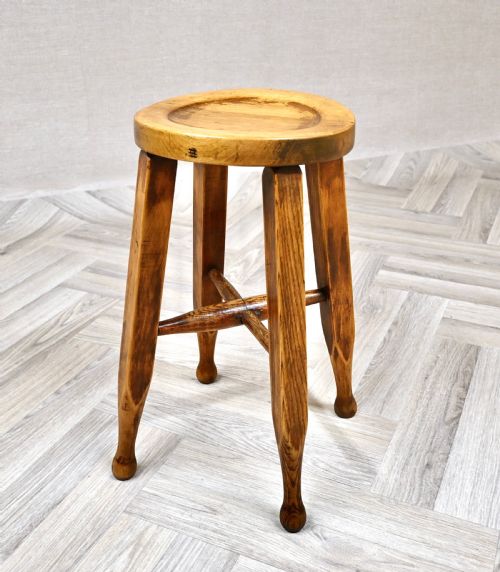

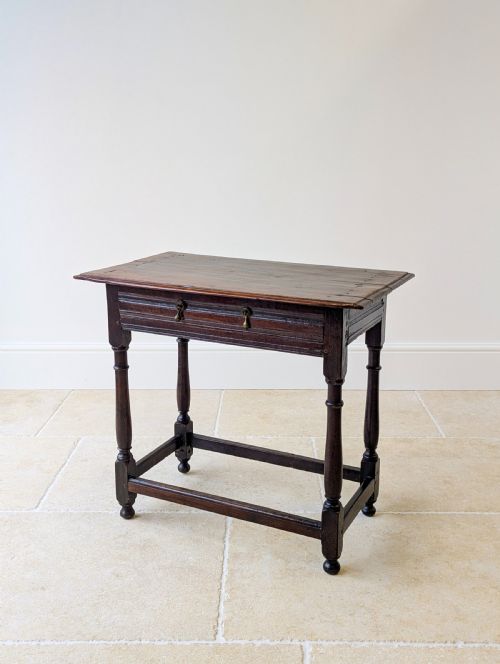
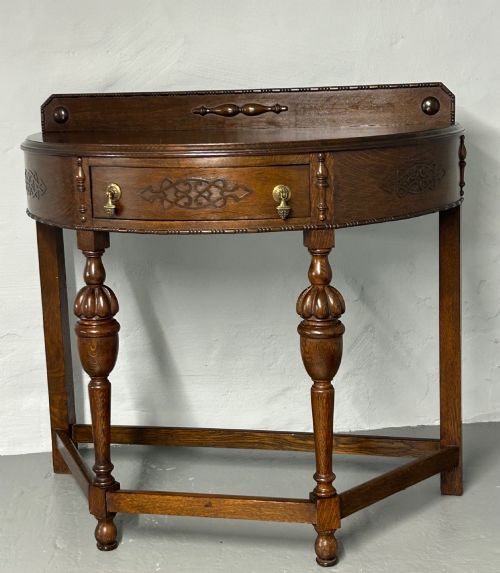
Carved Oak Side Stool
A carved oak side stool brings honest, solid utility and centuries of robust craftsmanship directly into a modern hallway or fireside.
Carved Oak Side Stool
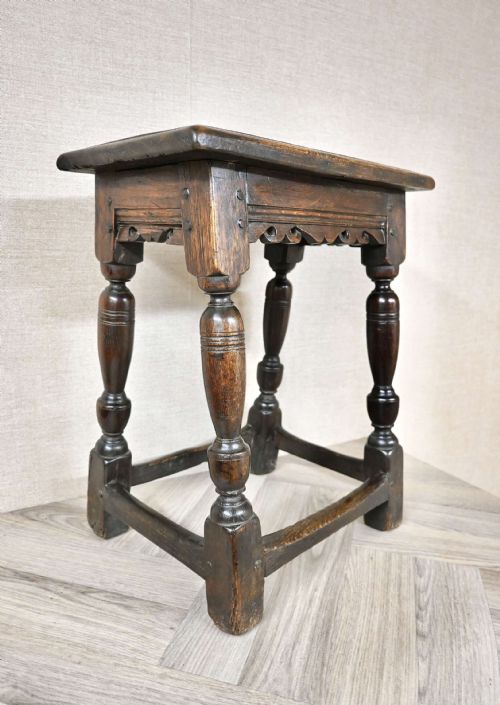
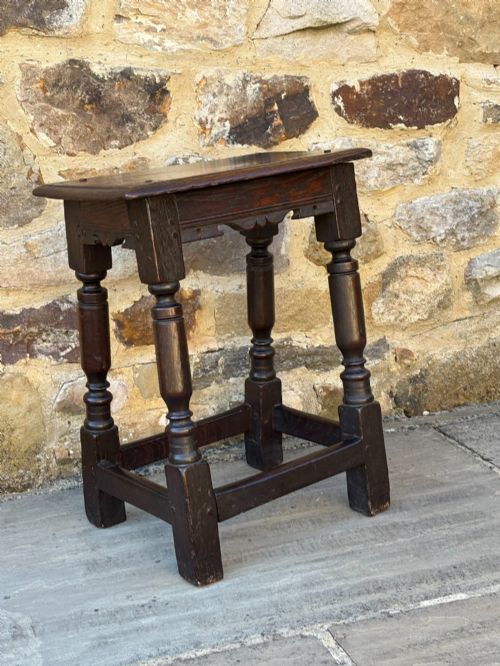
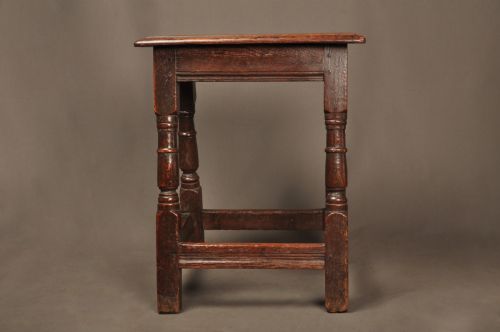
A carved oak side stool represents a sturdy form of seating and small surface utility that spans several centuries of domestic English life. When exploring this search phrase, buyers encounter examples ranging from authentic seventeenth-century joined work to later nineteenth-century revivals and twentieth-century interpretations.
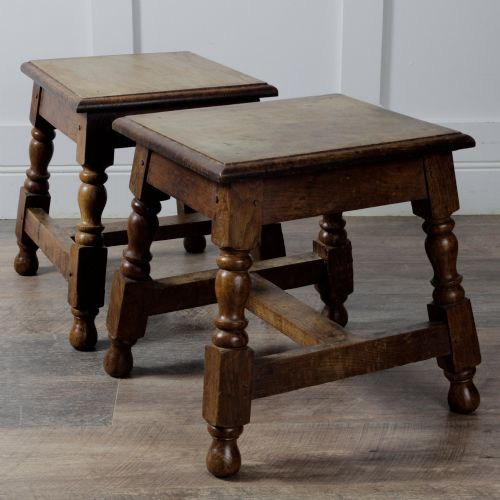
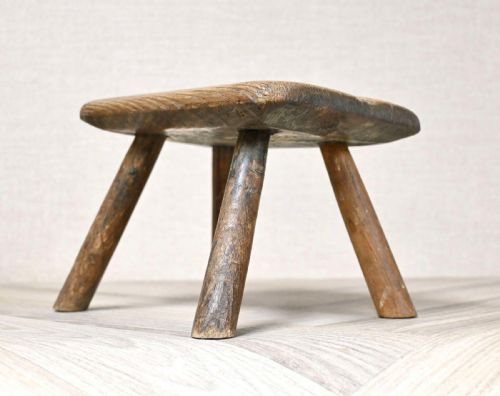
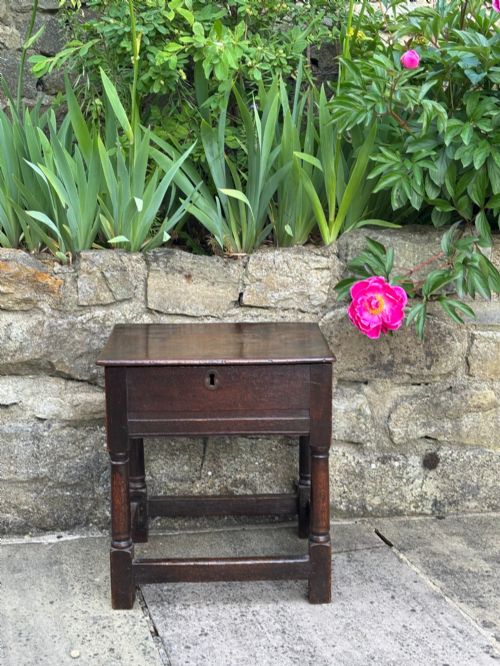
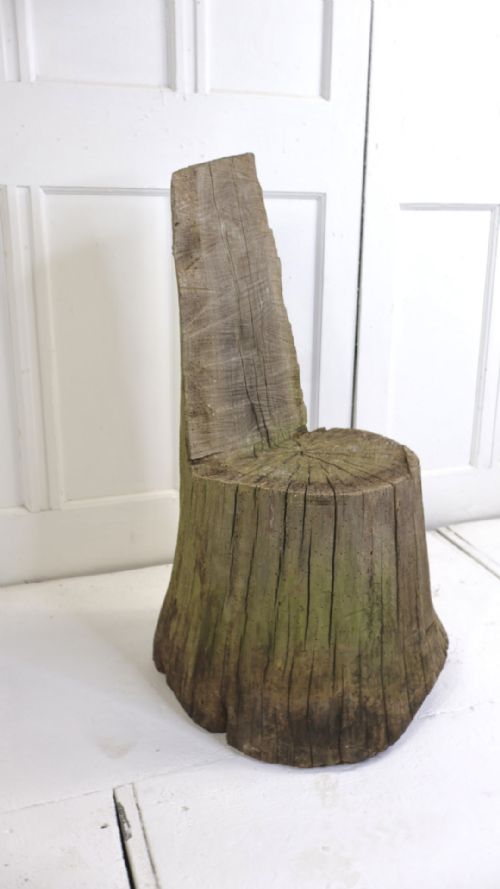
The most common iterations on this page are joint stools and box stools, alongside occasional rustic folk pieces. These items served multiple household duties historically, functioning as seats, small tables, and bedside stands.
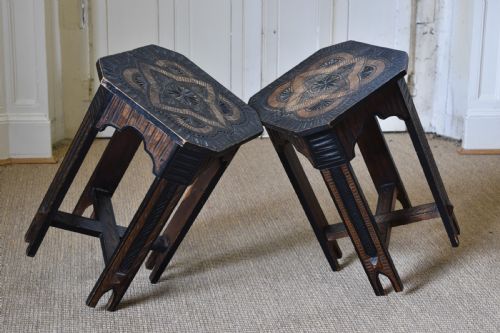
Makers across different eras drew upon Jacobean, Gothic Revival, and Arts and Crafts design vocabularies. Such variety ensures that collectors find pieces suited to both period interiors and pared-back modern rooms.
Materials and construction methods
Carpenters relied primarily on native oak, complemented by occasional elements of iron, brass, and tapestry upholstery. Timber selection focused on dense, durable hardwood capable of withstanding heavy daily use.
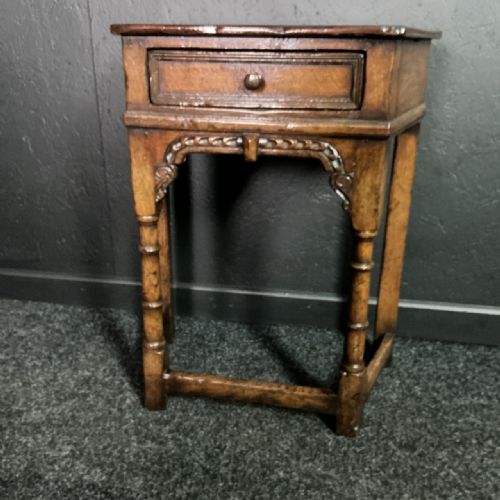
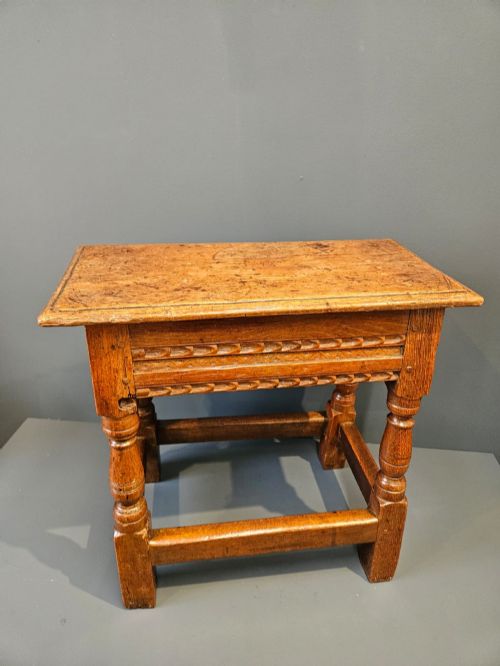
Construction relied heavily on pegged joints, mortise and tenon frames, and sturdy planking rather than modern adhesives. Chip carving and relief work decorated the friezes and panels, utilising simple gouges and chisels to create geometric or floral motifs.
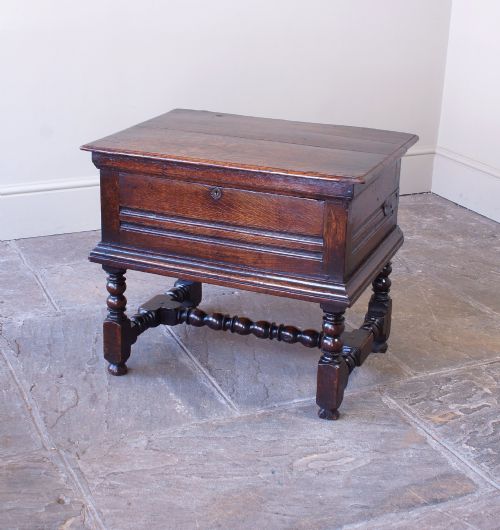
Some seventeenth-century box stools doubled as close stools, concealing a rather more utilitarian purpose beneath their polite carved lids.
Factors that define quality
Quality rests significantly on the integrity of the timber and the honesty of the construction. Pieces retaining their original pegged joints and untouched surfaces command greater respect among purists than those heavily restored or re-pinned.
The depth, crispness, and layout of the carving distinguish finer workshop output from simpler vernacular items. Well-proportioned stretchers and balanced turnings indicate a maker with a strong grasp of classical joinery principles.
Jack Grimble·Liberty
The Carved Oak Side Stool Glossary
- Joint Stool
- A sturdy wooden seat constructed with pegged mortise and tenon joints rather than turned legs alone. These items formed a staple of early domestic seating before upholstered chairs became common.
- Box Stool
- A seat featuring a hollow compartment beneath the lid for storage. This dual-purpose form often doubled as a small writing surface or close stool.
- Bobbin Turned
- A style of leg or stretcher shaped on a lathe to resemble a string of beads or bobbins. This decorative turning became particularly popular during the seventeenth century and its later revivals.
- Chip Carved
- A technique where small chips of wood are removed from a flat surface to form geometric patterns. It provides a tactile, rustic decoration found on vernacular furniture.
- Jacobean
- The artistic style spanning the early seventeenth century characterised by robust forms and strapwork carving. Later revival pieces often borrowed these heavy architectural motifs.
Carved Oak Side Stool: Frequently Asked Questions
How do I spot a seventeenth-century original?
Examine the timber closely for the deep patination, shrinkage cracks, and tool marks characteristic of early hand-working. Genuine early examples display pegged joints that have settled naturally over generations.
Look underneath to check the wear patterns on the feet and the method of construction. Later revival pieces often use more uniform machine-sawn timber and lack the authentic weight and tool texture of the period.
Were these stools used for sitting?
These pieces served primarily as movable seating around the dining table or hearth in early households. Their sturdy frames allowed them to double safely as temporary small tables or mounting steps.
Over time, owners repurposed them as bedside stands or decorative display surfaces. Their compact footprint makes them exceptionally versatile for small spaces today.
How do I care for antique oak?
Maintain the finish by applying a light coat of traditional beeswax rather than modern liquid polishes. Regular gentle buffing preserves the natural lustre and protects the dry grain from atmospheric moisture.
Keep the wood away from direct heat sources and rapid temperature fluctuations to prevent the timber from splitting. Stable indoor humidity ensures the historic joints remain tight and secure.
What is the difference between a joint stool and a side stool?
A joint stool refers specifically to joinery construction utilising pegged mortise and tenon framing. The term side stool is a broader description denoting a small seat used against a wall or beside furniture.
Many pieces share characteristics of both categories depending on their height and top design. Collectors often use the terms interchangeably when discussing vernacular seating.