

Carved Oak Side Desk
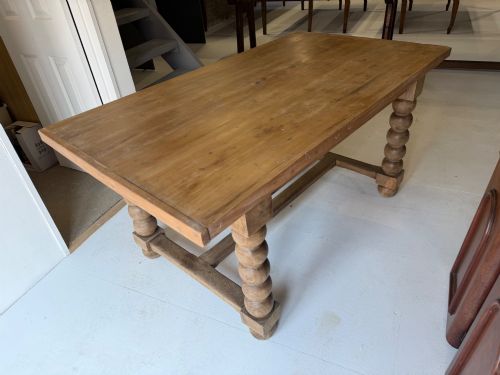
A carved oak side desk bridges the utility of a writing surface and the presence of period joinery, offering a practical writing place built from sturdy timber.
Carved Oak Side Desk
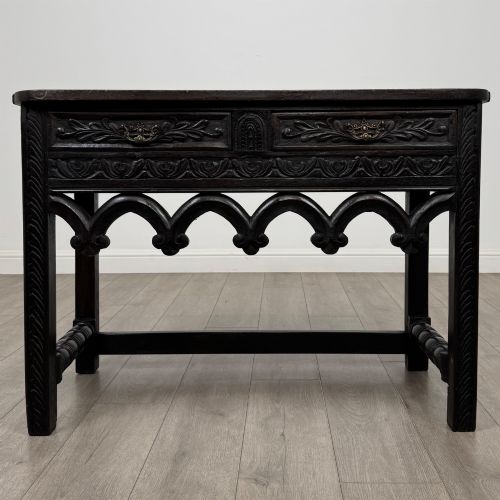
When you search for a carved oak side desk, you encounter pieces intended for writing, hall use, and light administrative tasks, typically featuring a compact footprint with single or double drawers. These items merge the functional surface of a desk with the lighter proportions of a side table, making them versatile for modern rooms.
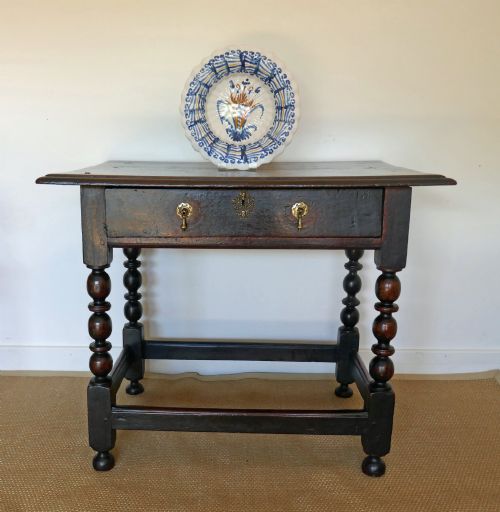
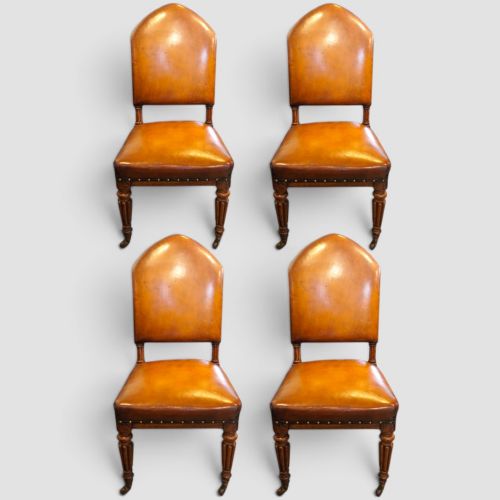
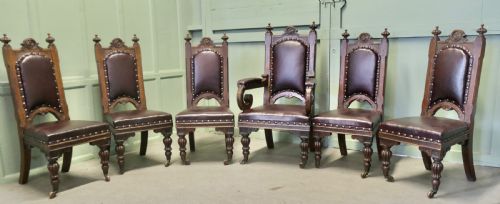
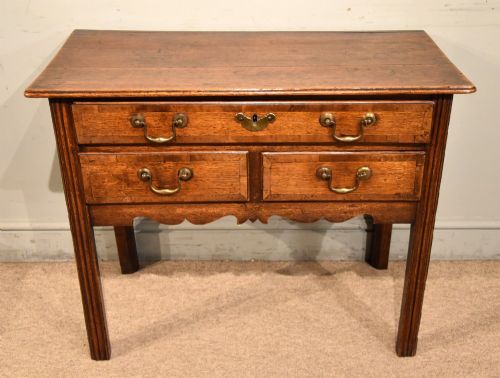
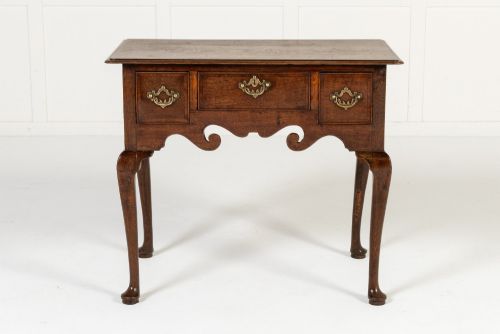
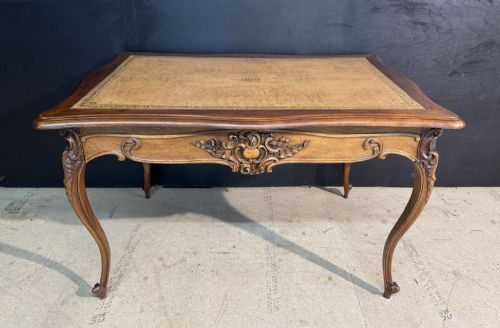
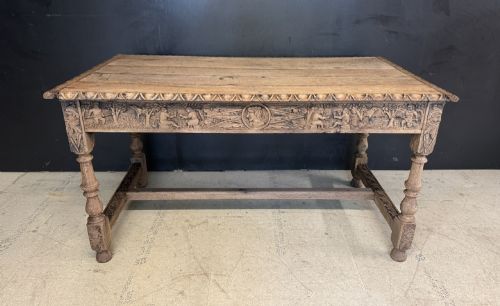
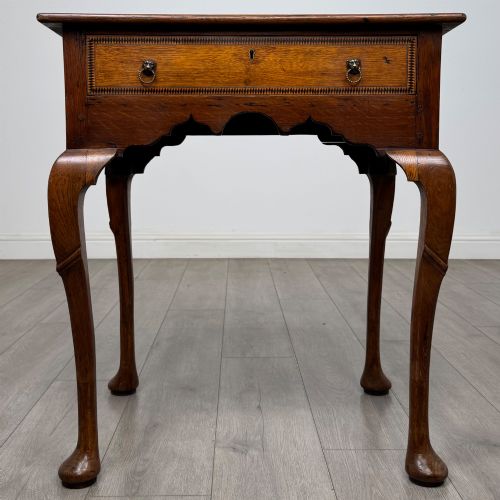
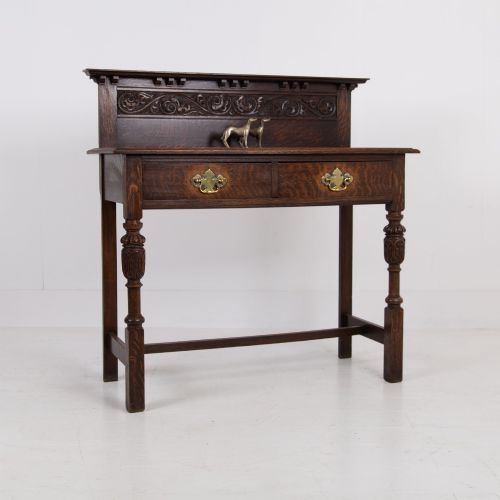
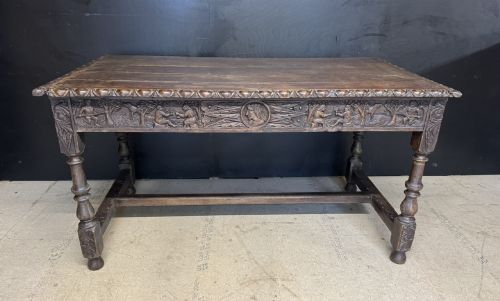
The examples on this page span the seventeenth, eighteenth, and nineteenth centuries, taking forms such as lowboys, Victorian writing tables, and hall consoles. Georgian and Victorian interpretations dominate the selection, often displaying carved detail along the drawer fronts and aprons.
Originating predominantly from English workshops, these items show regional variations in turning and carving depth. Selecting the right version involves matching the specific period proportions, such as the bold seventeenth-century framing or the slender cabriole legs of the eighteenth century, to your interior layout.
Assessing Quality and Execution
Quality rests in the crispness of the hand carving and the integrity of the timber selection, where dense, quarter-sawn oak boards display superior figure and resistance to warping. Superior pieces maintain original brass hardware and untouched drawer linings rather than later replacements.
Proportion and structural honesty separate standard utility furniture from finer examples commissioned for formal rooms. The depth of relief in the carved decoration and the restraint shown in the design indicate the skill of the original workshop.
Several Victorian drawers stubbornly retain the faint, pleasant aroma of old pipe tobacco and cedar.
A. W. N. Pugin
The Carved Oak Side Desk Glossary
- Lowboy
- A small oak table with one or more drawers, standing on relatively tall legs, commonly used as a dressing or writing table during the seventeenth and eighteenth centuries.
- Dovetail
- A joint used in drawer construction formed by interlocking wedge-shaped fingers, prized for its tensile strength.
- Quarter-sawn
- Timber cut radially from the growth rings, producing a stable board marked with characteristic medullary ray flecks.
- Strapwork
- A decorative carving motif resembling interlaced leather bands or flat ribbons, popular in seventeenth-century joinery.
- Partners desk
- A large table or desk designed to be used from both sides simultaneously, featuring pedestals of drawers or cupboards.
Carved Oak Side Desk: Frequently Asked Questions
Where were carved oak side desks used?
These desks served primarily in studies, libraries, and entrance halls as convenient writing surfaces or places to sort correspondence. Their modest scale allowed them to sit against walls without dominating the room.
In domestic settings, they provided a dedicated space for household accounts and letter writing before the widespread adoption of larger pedestal desks.
How do I date an oak desk?
Dating relies on examining the construction methods of the drawers, the style of the carving, and the overall proportions of the frame. Hand-cut dovetails and tool marks indicate period manufacture before the introduction of industrial machinery.
Changes in hardware styles and secondary timbers, such as the use of beech or elm alongside oak, also provide reliable clues to the decade of production.
How do I care for antique oak?
Maintaining these surfaces requires avoiding direct sunlight and excessive heat, which can dry out the timber and cause splitting. Regular application of traditional beeswax feeds the wood and preserves the finish.
Polishing with soft cloths maintains the natural sheen developed over centuries of handling without building up synthetic residues.
What is the difference between a lowboy and a side desk?
A lowboy is a specific eighteenth-century form defined by a low frame and elegant legs, originally intended for personal grooming or light writing. A side desk generally offers a slightly larger surface area and heavier structural framing suited to clerical tasks.
Both pieces function well as compact writing tables in modern interiors, though lowboys often display more refined leg turnings.