




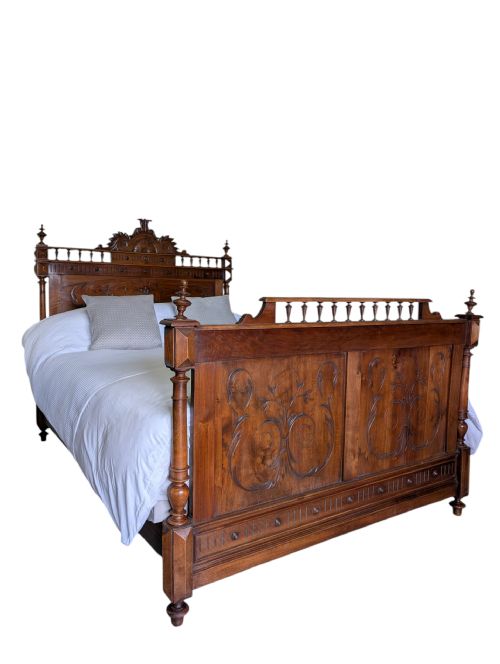


Carved Oak Bed Frame
A carved oak bed frame brings substantial grain and historic presence to a bedroom, offering solid construction built to endure.
What carved oak bed frames are
When you search for a carved oak bed frame, you find substantial sleeping furniture spanning multiple centuries and stylistic traditions. The selection ranges from early seventeenth-century four-poster constructions to later nineteenth-century revival pieces and twentieth-century interpretations.
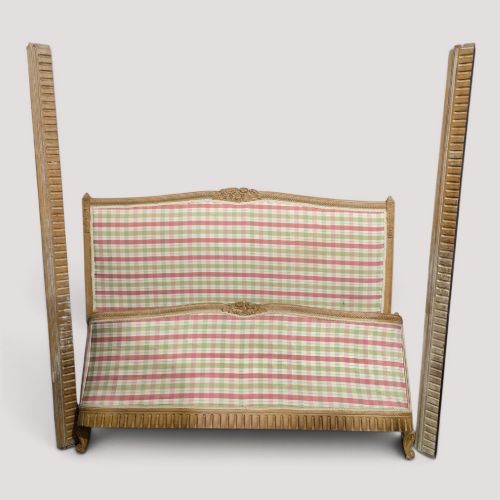
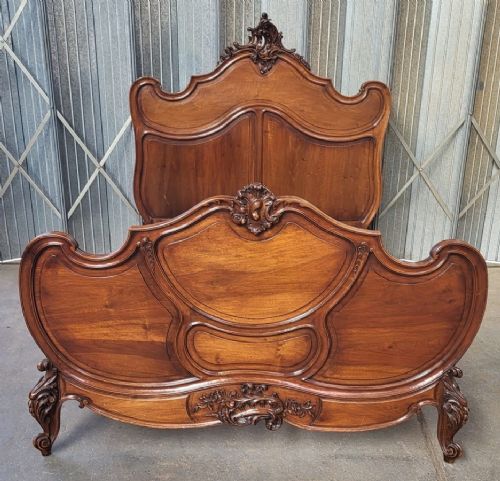
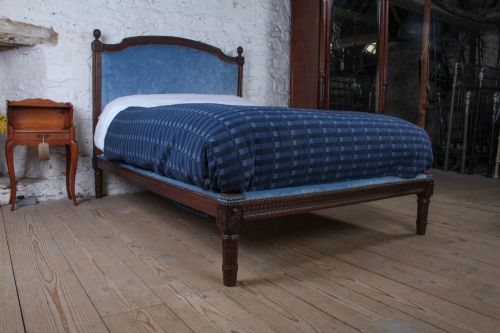
You are most likely to meet larger formats on this page, including king-sized proportions and paired setups alongside French Louis XV and Louis XVI style bedsteads. These pieces integrate heavy timber work with decorative carving, upholstery elements, and posts.
The objects function as both structural centerpieces and historical artefacts, reflecting the enduring popularity of oak across the Victorian period, Arts and Crafts movement, and Jacobean revivals. Each bedstead demonstrates how cabinetmakers adapted traditional joinery to changing domestic fashions.
How they were made
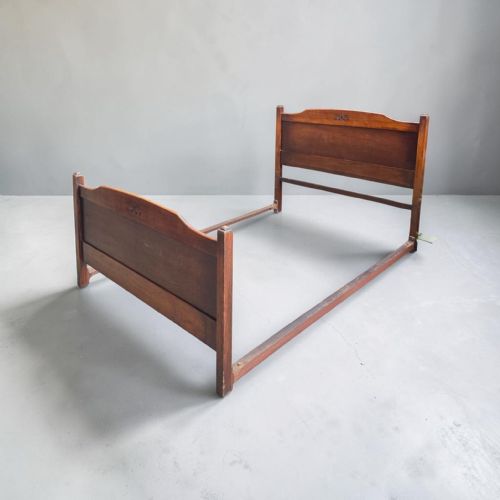
Carpenters utilised solid wood, specifically oak, alongside walnut and carved wood elements to build these frames. Manual techniques involved mortise and tenon joinery alongside detailed hand-carving to ornament the headboards, footboards, and posts.
Surfaces often received distinct finishes including traditional paint or exposed grain treatments. Upholstered sections incorporate fabric and textile elements fixed to the structural frames.
Retail Price Guide 2026
Typical UK retail prices for carved oak bed frame, calculated from the Sellingantiques database of over a million retail prices indexed since 2003. This retail price guide relies exclusively on Sellingantiques data; no external sources or auction records are used, so the figures do not describe the wider market.
Several beds include integrated wooden posts designed to deter seventeenth-century drafty chambers, now serving purely decorative architectural roles.
What varies in quality
The standard of a carved oak bed frame rests upon the depth and crispness of the hand-carving across the timber components. Skilled execution in the joinery ensures structural integrity, while lesser examples rely on shallower mechanical milling or compromised joints.
Material selection creates a clear division, with dense, well-figured oak commanding greater appreciation than lesser timber stocks. The integration of period textiles and upholstery also influences the overall coherence of the piece.
The Carved Oak Bed Frame Glossary
- Bedstead
- The framework of a bed supporting the mattress and springs, distinct from the bedding itself. These structures often feature decorative headboards and footboards.
- Four poster
- A bed with four vertical columns that support an upper tester or canopy frame. This traditional form provides architectural presence within a bedroom.
- Jacobean
- A style associated with the early seventeenth-century reign of James I, characterised by dark oak, geometric moulding, and strapwork carving. Pieces from this tradition display robust proportions.
- Louis XV Style
- A design movement inspired by French eighteenth-century rococo aesthetics, featuring curved lines, asymmetrical scrolls, and floral carvings. It brings lighter ornamentation to heavy wood frames.
- Solid wood
- Timber construction utilising natural wood throughout rather than veneered or composite substitutes. This ensures traditional weight and durability.
Frequently Asked Questions
How do I fit a modern mattress?
Many antique bedframes accommodate standard mattress sizes, though older European and custom dimensions may require minor adjustments or bespoke bases.
Checking the internal rail measurements before purchase ensures compatibility with contemporary sleeping equipment.
Are these beds difficult to assemble?
Historic frames use traditional knockdown brackets, bolts, or slot-in joints that require basic hand tools and patience during setup.
Enlisting two people makes handling heavy oak components safer and helps protect delicate carved sections.
How do I clean carved oak?
Dust timber surfaces regularly with a soft, dry cloth to prevent particulate buildup within the carved recesses and joinery.
Avoid modern liquid polishes containing silicones, preferring traditional beeswax applied sparingly to nourish the grain.
Can I reupholster the headboard?
Upholstered panels on these frames can usually be recovered using traditional methods that respect the underlying wood structure.
Selecting appropriate period-style fabrics maintains the historical integrity of revival pieces like the Louis XVI style frames.