


Carved Oak Tester Bed
A carved oak tester bed brings monumental presence and centuries of craftsmanship straight into a bedroom.
Carved Oak Tester Bed
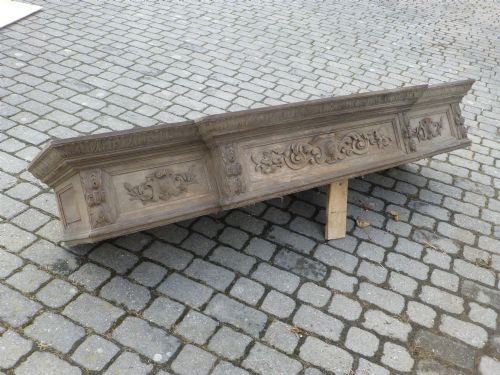
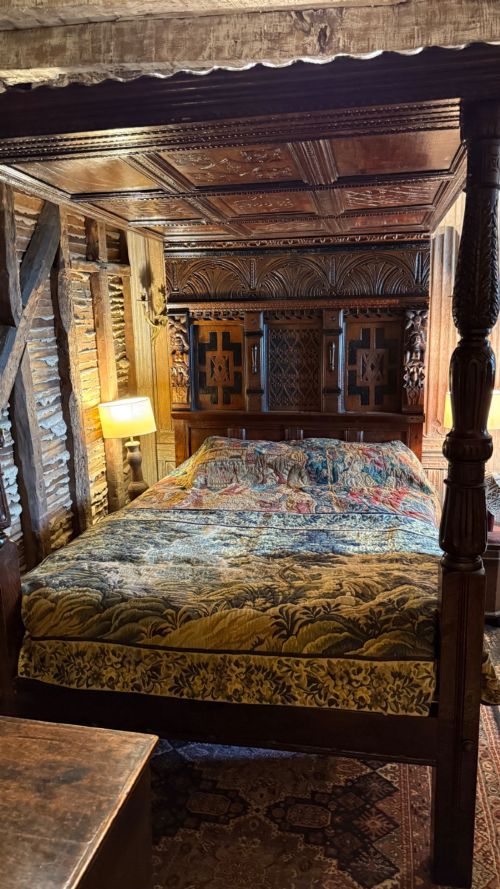
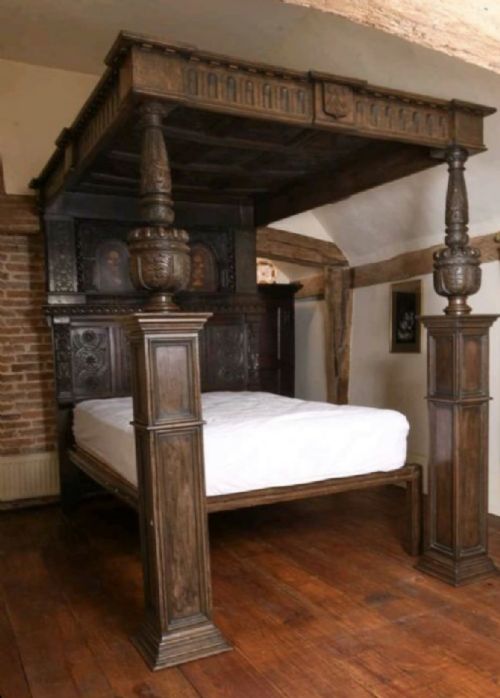
A carved oak tester bed is a substantial architectural sleeping structure defined by vertical posts supporting an overhead canopy frame. When you search for a carved oak tester bed, you encounter impressive sleeping quarters built to dominate a chamber through sheer scale and intricate woodwork. The pieces seen here span the seventeenth century and the nineteenth century, including Victorian revivals and Arts and Crafts interpretations.
The most common forms on this page are seventeenth-century English originals alongside nineteenth-century revivals styled in the Jacobean, Elizabethan, Victorian Gothic, French Chateau, and Colonial Revival traditions. These frames often utilise oak, fruitwood, and other hardwoods, occasionally incorporating fabric, textile, brass, and paint details. Such beds function simultaneously as functional furniture and grand historical centerpieces.
How they were made
These beds rely fundamentally on solid oak and complementary hardwoods like fruitwood, shaped through traditional joinery and hand-carving techniques. Master carpenters constructed heavy posts and headboards utilising mortise and tenon joints secured with wooden pegs to support the substantial weight of the timber canopy.
Surface embellishment frequently includes hand carving, relief work, and occasional fruitwood inlay, reflecting the decorative vocabulary of the seventeenth century and later revival periods. Structural integrity often involves robust framing timbers designed to bear the top tester, sometimes accompanied by integrated fabric or textile elements and brass fixings.
Listings feature oak, fruitwood, and hardwood construction alongside textile and brass elements across seventeenth-century and nineteenth-century periods.
What varies in quality
Quality in these beds rests upon the depth, crispness, and authenticity of the hand carving across the posts, headboards, and friezes. Seventeenth-century originals display the organic wear and tool marks of early hand-working, whereas revival pieces demonstrate varying degrees of sculptural ambition in their historical imitation.
The architectural proportion of the tester and the integrity of the timber frame dictate the overall visual success of the piece. Superior examples maintain balanced proportions between the heavy overhead canopy and the supporting posts without appearing cumbersome or structurally altered.
The Carved Oak Tester Bed Glossary
- Tester
- The flat wooden canopy or ceiling suspended above a four-poster bed. It creates the characteristic enclosed appearance of these grand sleeping quarters.
- Full tester
- A canopy frame that extends fully over the entire length of the bed. This design provides complete architectural enclosure overhead.
- Half tester
- A canopy frame that projects only partway over the head of the bed, supported by two posts rather than four. This style offers a lighter profile while retaining the tester identity.
- Jacobean
- A seventeenth-century English decorative style characterised by geometric panelling, strapwork, and robust turned wood. It heavily influences the ornamentation found on these beds.
- Fruitwood
- Dense timber derived from fruit-bearing trees such as pear or apple, utilised for contrasting inlay work and detailed carvings. It provides a finer grain than the surrounding oak structure.
Carved Oak Tester Bed: Frequently Asked Questions
What is a tester bed?
A tester bed is a four-poster bed featuring an overhead wooden canopy known as a tester. This canopy traditionally supported curtains to retain warmth and ensure privacy in historical chambers.
Today, the tester frames remain prized for their commanding architectural presence and sculptural woodwork. They serve as focal points in large bedrooms with adequate ceiling height.
How do I tell seventeenth-century from Victorian?
Seventeenth-century beds exhibit genuine period tool marks, patinated oak surfaces, and traditional peg joinery reflecting early seventeenth-century construction methods. Timber shrinkage and hand-wrought surfaces provide physical evidence of their true age.
Victorian and later nineteenth-century revival pieces often display machine-assisted precision, specific revival stylistic cues like Victorian Gothic or Colonial Revival, and cleaner interior timber surfaces. Examining the construction inside the joints helps clarify the manufacturing era.
How should I care for the oak?
Maintain oak furniture by dusting gently with a dry, soft cloth and avoiding silicone-based polishes. Keeping the timber away from direct heat sources and dramatic humidity fluctuations prevents wood splitting and joint movement.
Occasional application of traditional beeswax helps nourish the antique finish and preserve the natural patina. Treating the wood with care ensures the structural integrity of the heavy carvings endures.