





Traditional Oak Bed Frame
A traditional oak bed frame grounds a bedroom with genuine timber substance, offering enduring construction that outlives modern flat-pack alternatives.
Traditional Oak Bed Frame
A traditional oak bed frame encompasses solid timber furniture spanning centuries, from seventeenth-century tester beds to twentieth-century panelled bedsteads. Buyers examine substantial pieces designed to anchor a principal bedroom or guest chamber with architectural presence.
Most pieces on this page lean towards twentieth-century adaptations including 1900, 1910, 1920, and 1930 examples, alongside Victorian and seventeenth-century survivals. Buyers encounter panelled headboards, carved crests, and tester frames built for domestic longevity.
How they were made
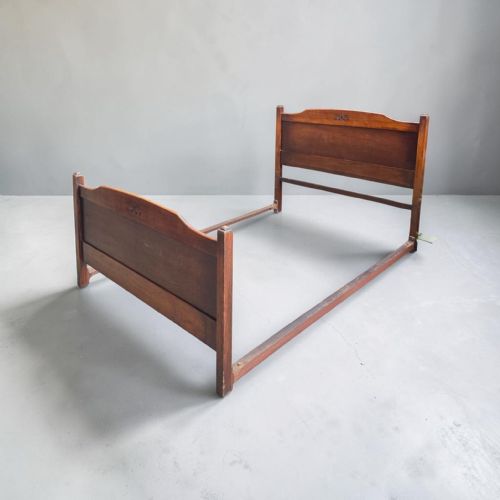
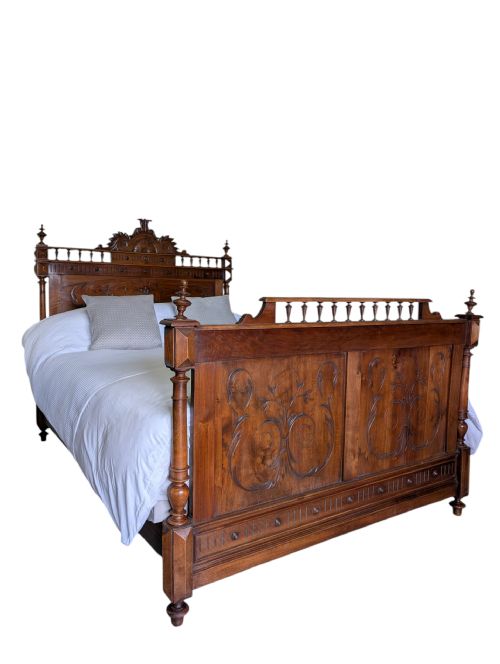
Cabinetmakers constructed these frames using solid oak and hardwood timbers, employing traditional joinery to ensure structural rigidity for heavy mattresses. Panels feature hand carving, relief work, and fielded details built to withstand daily use over generations.
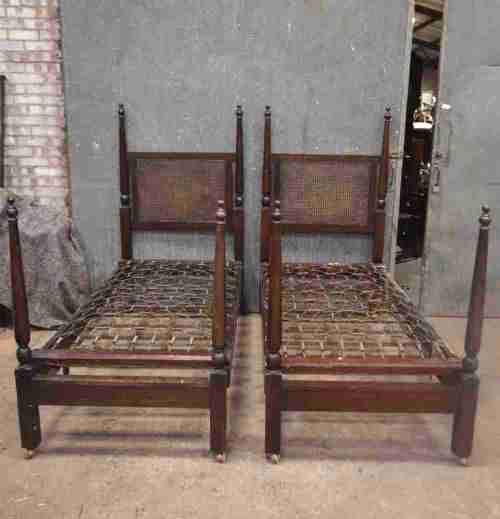
Certain pieces incorporate cane inserts, fabric upholstery, walnut accents, and painted finishes alongside the primary oak construction. Four-poster and tester variants utilise sturdy upright posts supporting overhead wooden frameworks or testers.
Object forms include single beds, small doubles, king sizes, and four-poster tester structures created by multiple makers.
What varies in quality
Quality separates timber frameworks through the depth and crispness of hand-carved ornamentation, particularly on headboards and four-poster posts. Early seventeenth-century survivals display distinct joinery methods compared to Edwardian or later revival interpretations.
The integrity of the timber, the weight of the solid oak components, and the original proportions dictate the architectural success of the bedstead. Maker attribution, such as work by Heal and Son, elevates historical interest.
Heal And Son
The Traditional Oak Bed Frame Glossary
- Tester bed
- A bed featuring a wooden canopy or ceiling supported by four vertical posts above the sleeping surface.
- Bergere
- A traditional style incorporating woven cane panels into the headboard or footboard construction.
- Panelled bedstead
- A wooden frame utilising framed panels, often carved, within the headboard and footboard.
- Four poster
- A bed with four vertical columns rising from each corner to support an upper structure.
- Arts and Crafts
- A design movement prioritising honest construction, visible joinery, and natural materials.
Traditional Oak Bed Frame: Frequently Asked Questions
How do I choose the right size?
Measure your bedroom space carefully, accounting for protruding posts on four-poster models and the overall width of headboards. Check whether the listing specifies single, small double, king, or queen dimensions to ensure standard mattress compatibility.
Consider ceiling height if you select a tester or four-poster bed frame, as the overhead canopy requires adequate clearance. Room proportions guide whether a heavy seventeenth-century style or a lighter Edwardian single bed fits best.
Are these beds easy to assemble?
Traditional frames utilise historical bolt systems or interlocking timber joints rather than modern cam locks. Assembly typically requires two people and basic spanners to secure heavy oak side rails to the headboard and footboard posts.
Check the construction type in the description before purchase, as antique four-posters involve overhead testers that demand methodical assembly. Many pieces dismantle fully for transport into upper rooms.
Can I use a modern mattress?
Most traditional frames accommodate standard modern mattress sizes, though historical widths occasionally vary slightly from contemporary standards. Verify the internal dimensions listed for the bed frame against your preferred mattress measurements.
Slats or base supports may need adjustment or modern reinforcement to provide proper support for contemporary pocket-spring or foam mattresses. Consult the specific frame structure to determine if a modern slatted base drops easily inside the rails.
How do I date an oak bed?
Dating relies on stylistic clues, tool marks, joinery techniques, and timber characteristics visible across the headboard and posts. Elizabethan and seventeenth-century examples display distinct hand-cut pegged joints and heavy relief carving.
Edwardian, 1900, and later revival pieces often replicate earlier styles but exhibit mechanical sawing marks and standard hardware. Comparing carved motifs to documented period patterns helps confirm the era of manufacture.