





Carved Oak Architectural Fragment
These carved oak architectural fragment pieces bring centuries of hand-carved history directly into modern spaces.
Carved Oak Architectural Fragment
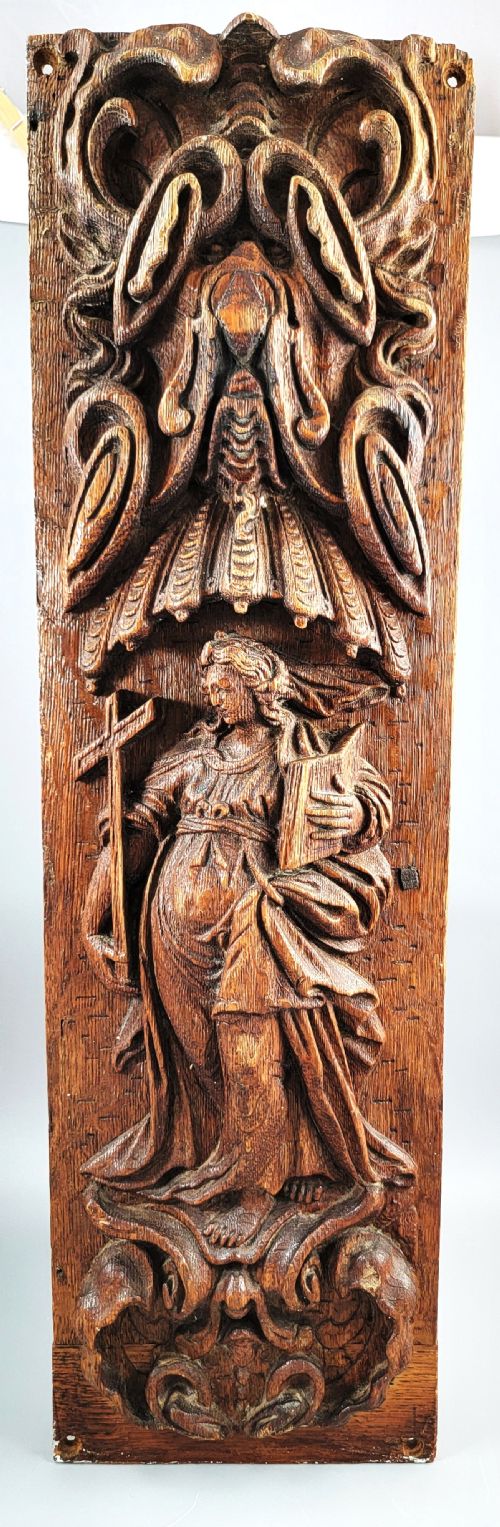
A carved oak architectural fragment represents surviving portions of older buildings, furniture, and church interiors rescued for display. These pieces range from medieval gothic tracery and pre-sixteenth century fragments to seventeenth-century friezes and panels.
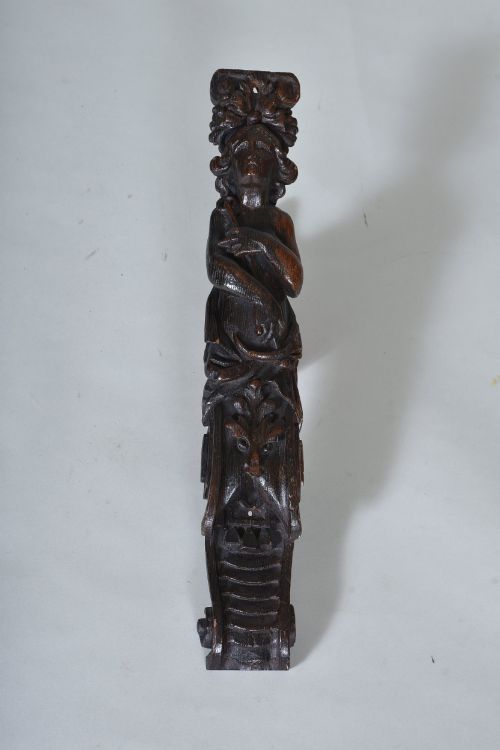
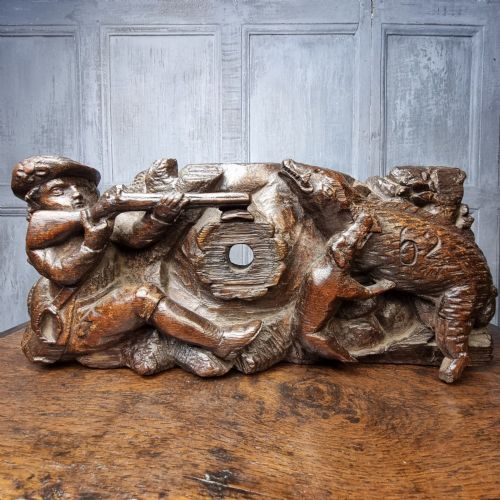
The selections encountered most frequently on this page date from the seventeenth century, often displaying Flemish Renaissance, Baroque, or Jacobean influences. Common forms include ceiling boss panels, caryatids, friezes, and figurative wall reliefs carved from solid timber.
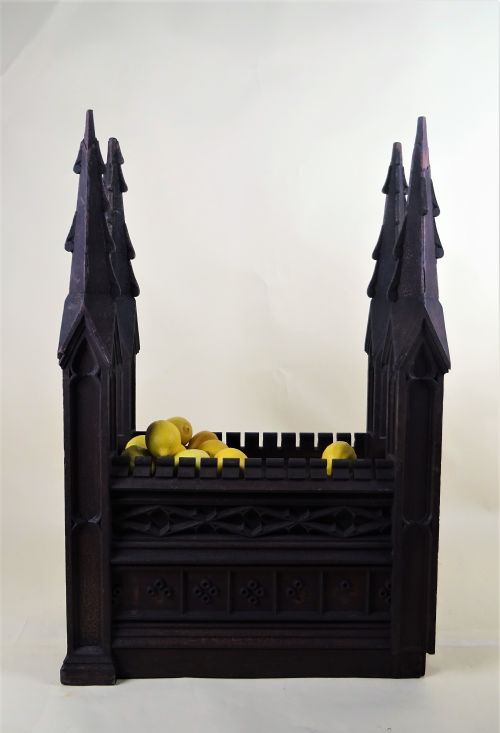
Later nineteenth-century Gothic Revival adaptations and early twentieth-century English fairground fragments also appear among the material. Each item preserves structural or decorative woodwork salvaged from a larger lost context.
How they were made
Craftsmen used seasoned oak timber, working primarily with hand chisels and gouges to shape high-relief figures, foliate scrolls, and tracery. The dense grain of the wood allowed carvers to achieve sharp undercut details that survive centuries of handling.
Some fragments retain traces of original paint or iron fixings used during their initial installation within buildings or furnishings. Surfaces were typically finished through manual scraping and polishing rather than modern industrial sanding.
A tiny carved Roman helmet hides among the seventeenth-century panels, proving carvers enjoyed scaling down military gear for miniature wooden display.
What varies in quality
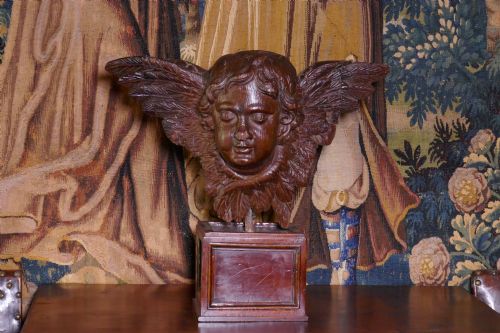
Depth and crispness of the chisel work distinguish superior carvings from simpler provincial pieces. Sculptural elements like cherub heads or caryatids show greater artistic ambition and anatomical control at the upper end of the range.
The integrity of the timber and the completeness of the surviving design dictate the character of each piece. Surface patination developed through centuries of exposure adds visual depth to finer examples.
The Carved Oak Architectural Fragment Glossary
- Caryatid
- A carved architectural figure acting as a support pillar. In these fragments, they often appear as sculpted human forms integrated into panels or pilasters.
- Ceiling Boss
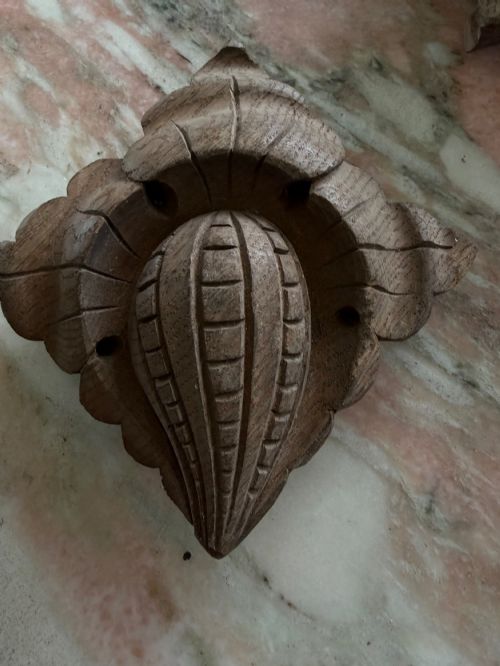
- A decorative projecting block placed at the intersection of ribbed vaulting or ceiling timbers. They frequently feature carved leaves, foliage, or heraldic motifs.
- Frieze
- A broad horizontal band of sculpted decoration placed along the upper section of a wall or furniture piece. These linear carvings often display repeating scrollwork or figurative motifs.
- Tracery
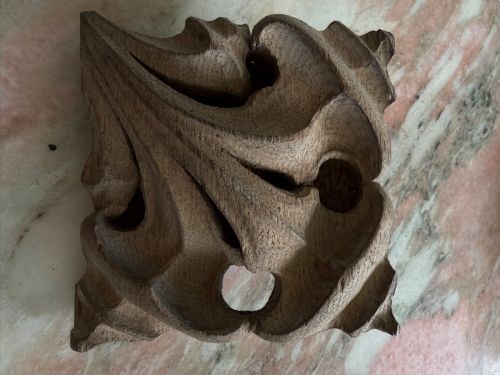
- Openwork stonework or woodwork ornamentation featuring intersecting ribbing. Gothic examples show pointed arches and geometric patterns adapted from ecclesiastical windows.
- Poppy Head
- An ornamental carving capping the top end of a pew bench. They typically take stylized leaf, bud, or figurative forms in medieval church woodwork.
Carved Oak Architectural Fragment: Frequently Asked Questions
What is a carved oak architectural fragment?
A carved oak architectural fragment is a salvaged piece of decorative woodwork removed from a historic building or furnishing. These survivals include panels, friezes, and ceiling bosses made centuries ago.
They offer a direct connection to historical craftsmanship and historical interior decoration styles. Collectors typically display them mounted on stands or integrated into modern wall arrangements.
How old are these architectural fragments?
The pieces span multiple centuries, ranging from medieval pre-sixteenth century fragments to seventeenth-century panels and later nineteenth-century Gothic Revival work. Dates are determined by stylistic markers and timber characteristics.
Earlier examples often reflect Gothic or Flemish Renaissance designs, while later items mimic these historic aesthetics. Each era utilises distinct carving depths and tool marks.
Where were these carvings originally placed?
Many fragments originated in churches, secular manor houses, and public buildings as part of structural paneling, ceilings, or furniture. Elements like poppy heads and ceiling bosses served specific architectural functions.
Over time, alterations or demolitions led to the salvage of these decorative sections. They survived independently as portable works of art and study pieces.
How do I care for antique oak carvings?
Antique oak carvings require stable indoor humidity levels away from direct heat sources and strong sunlight. Gentle dusting with a dry cloth helps preserve the natural surface patination.
Avoid applying modern polishes or oils that can seal the wood and trap moisture. Allowing the timber to breathe maintains its historical character.