
Antique Wooden Relief Panel
An antique wooden relief panel brings sculptural depth and centuries of hand-carved history directly to a wall.
Antique Wooden Relief Panel
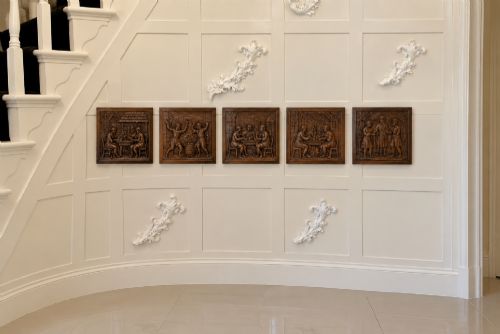
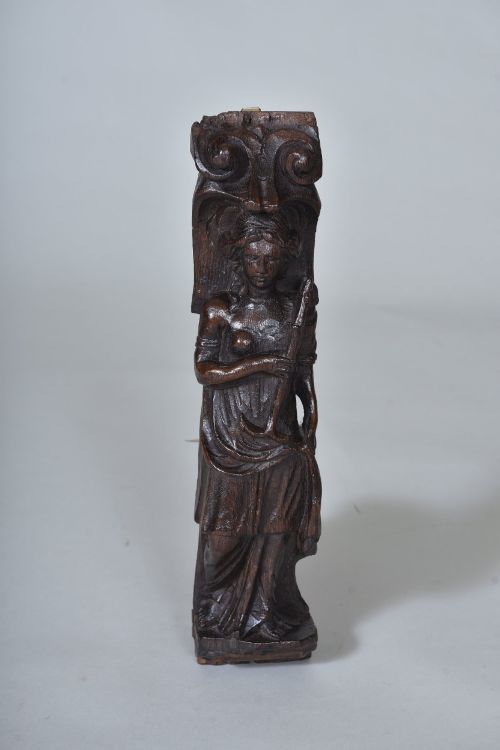
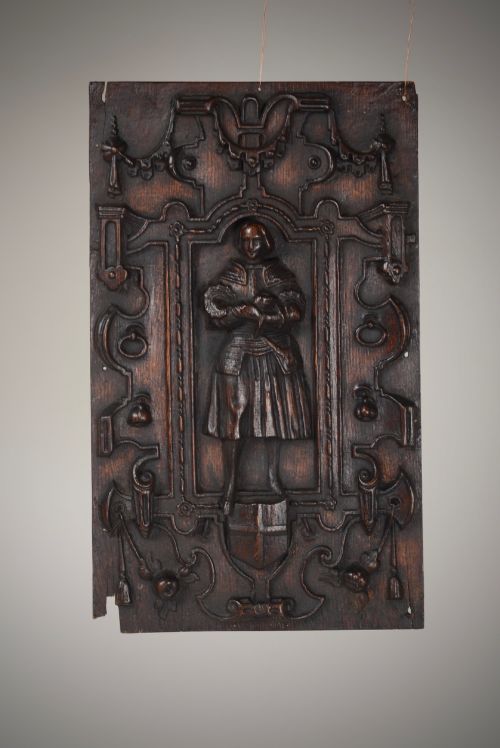
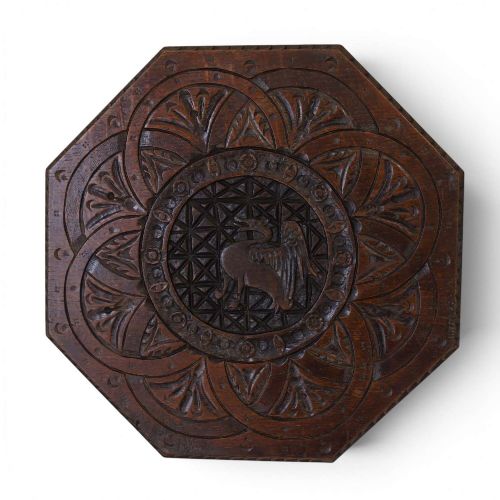
When you search for an antique wooden relief panel, you encounter works carved in high or low relief from periods spanning the sixteenth century to the early twentieth century. These objects function as wall plaques, architectural salvage, wall sculptures, and ceiling bosses.
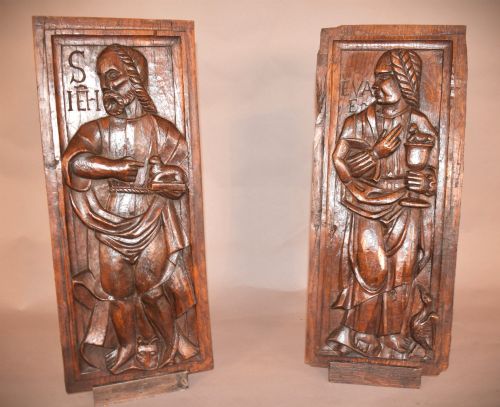
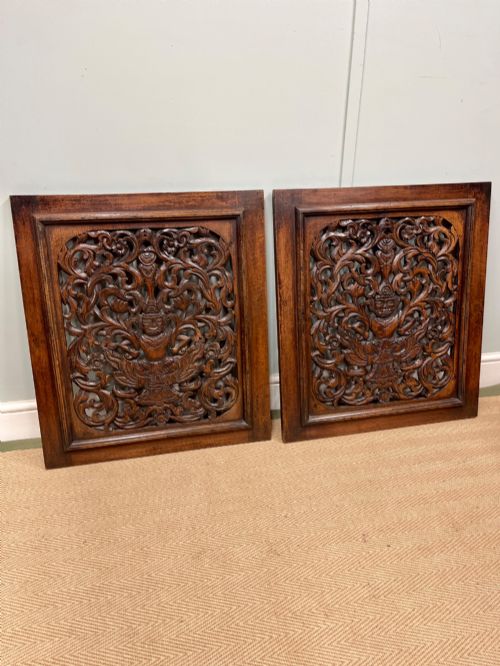
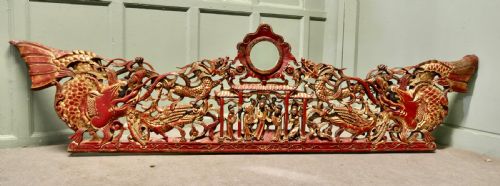
The selections available here range from sixteenth-century medieval altarpiece fragments to seventeenth-century oak carvings, eighteenth-century floral reliefs, and nineteenth-century Chinese gilt wood temple panels. Oak and hardwood predominate, alongside walnut, chestnut, and limewood.
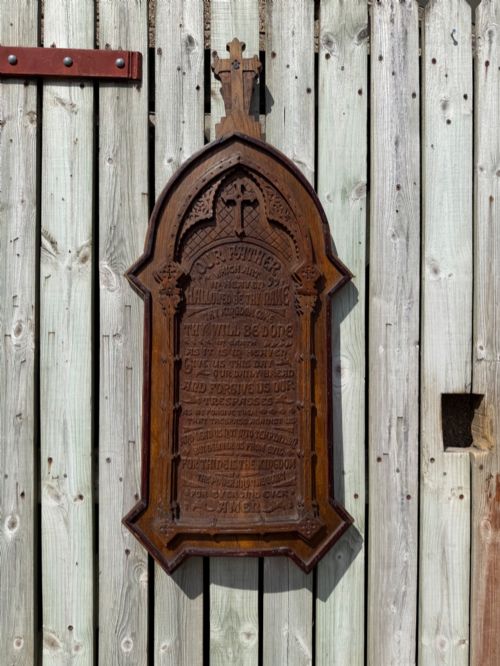
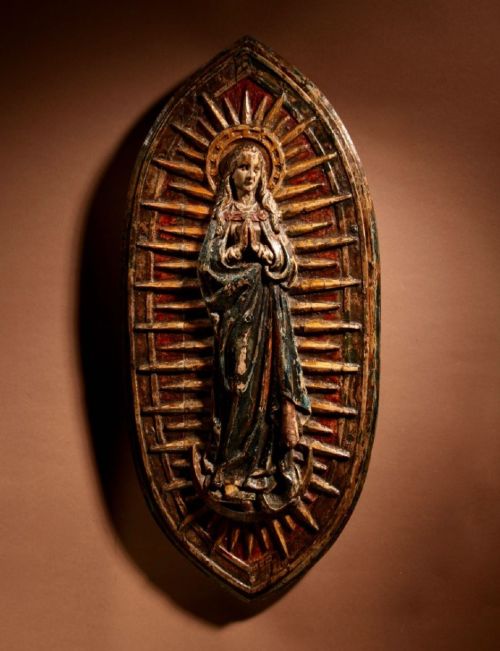
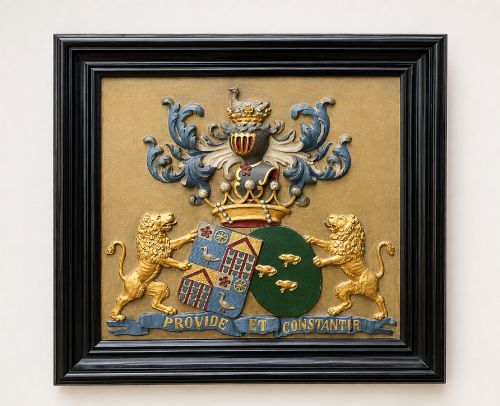
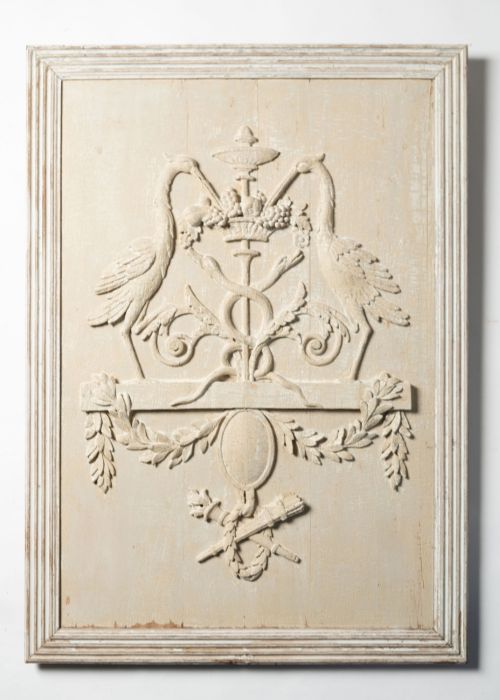
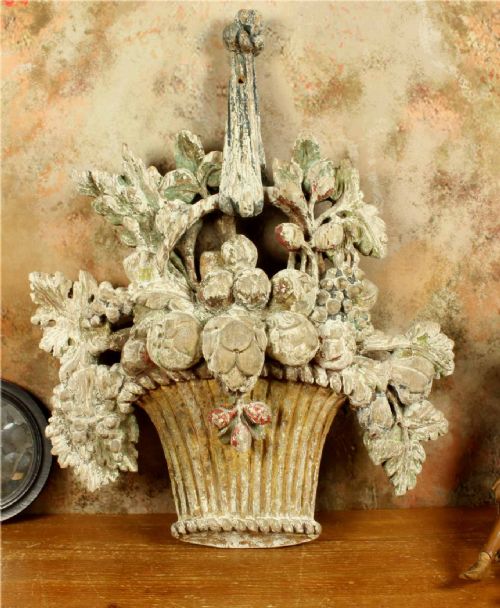
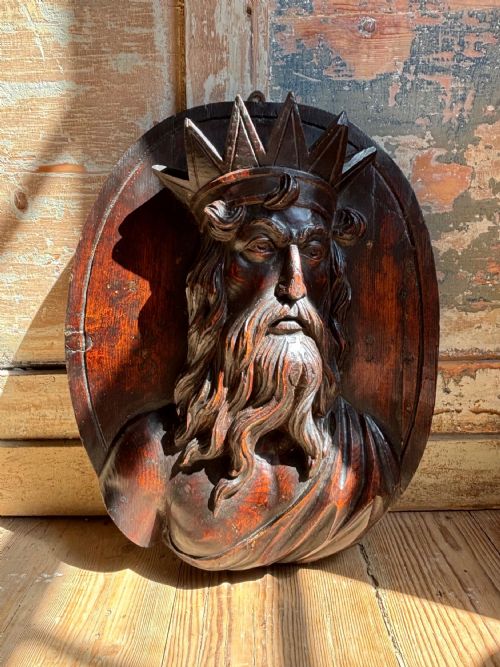
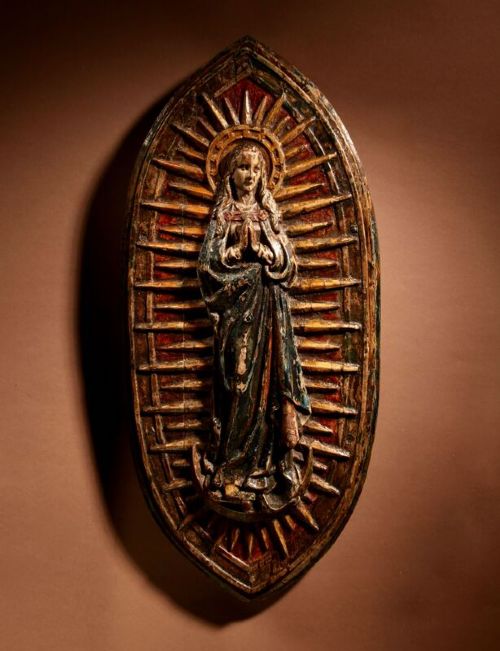
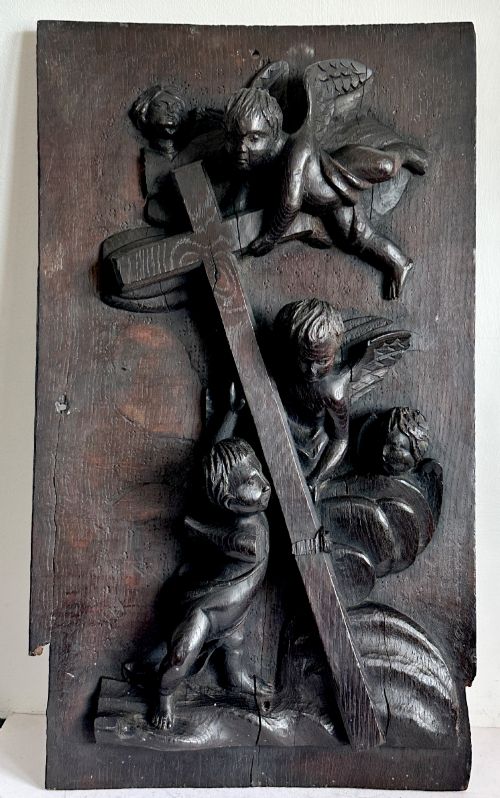
Subjects vary from heraldic marriage plaques and religious scenes like the Lord's Prayer or Christ's Lamentation to classical figures such as Neptune and elaborate floral baskets. Architectural fragments and architectural dioramas also appear among the wall art.
Materials and Carving Techniques
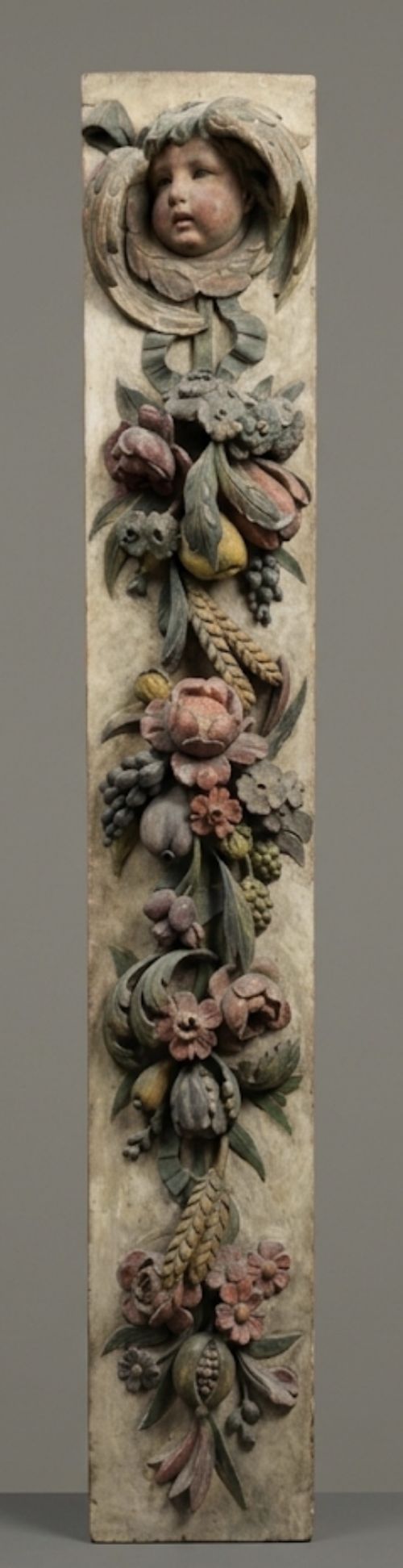
Carvers shaped these pieces using solid timbers such as oak, walnut, chestnut, and limewood, often applying hand-carving techniques directly into the dense grain. Wood is frequently augmented with gesso, gold leaf, or polychrome paint to accentuate the sculpted figures and architectural details.
Some works incorporate lacquer or gilding on hardwood substrates, particularly in Chinese temple panels and Chinoiserie pediments. Surface treatments range from unpolished natural timber to painted and gilt finishes that survive from earlier centuries.
Object forms include architectural salvage, wall plaques, wall sculptures, wall reliefs, sculptures, and wall art.
Evaluating Depth and Execution
The standard of a carved panel rests on the depth of the undercutting, the crispness of the chisel work, and the anatomical or architectural proportions achieved by the maker. Master carvers imparted distinct expression and fluid movement to figures like Joan of Arc or classical deities.
Condition and originality dictate distinction, separating panels retaining their original polychrome, gesso, or gold leaf from those stripped or heavily restored over subsequent centuries.
Edward Pearce·Van Rijckevorsel Verheijen
The Antique Wooden Relief Panel Glossary
- Relief
- A sculptural technique where the sculpted elements remain attached to a solid background of the same material. High relief projects significantly from the plane, whereas low relief stays flatter.
- Architectural Salvage
- Building components and decorative elements recovered from structures slated for demolition or alteration. These include overdoor panels, pediments, and ceiling roses.
- Polychrome
- The practice of decorating architectural elements, sculptures, or panels in a variety of colours. Surviving pigment adds considerable historical context to wooden carvings.
- Gesso
- A plaster-like mixture applied to wood surfaces to prepare them for painting or gilding. It provides a smooth ground for delicate detail work.
- Ceiling Boss
- A decorative projecting block placed at the intersection of ribs in a ceiling or vault. In panel form, it frequently depicts foliage, heraldry, or religious subjects.
- Trumeau
- A large vertical architectural mirror or panel, often placed between windows. Antique examples frequently feature painted or carved wooden decoration.
Antique Wooden Relief Panel: Frequently Asked Questions
What rooms suit an antique wooden relief panel?
These pieces integrate naturally into libraries, hallways, or living spaces where flat wall art lacks sufficient texture. Their architectural presence makes them effective as focal points above mantels or doorways.
Because they originate as altarpiece fragments, furniture elements, or architectural salvage, they command space and pair well with period interiors or contemporary minimalist backdrops.
How do I hang a heavy carved panel?
Given the weight of dense timbers like oak, walnut, and hardwood, secure hanging requires fastening directly into wall studs or using heavy-duty masonry anchors. Professional framing or mirror-hanging brackets ensure the piece is adequately supported.
Many antique panels retain original structural framing or iron fixings on the reverse, though these should be inspected for strength before mounting.
How do I tell sixteenth-century panels from nineteenth-century revivals?
Sixteenth and seventeenth-century panels typically display tool marks consistent with hand adzes and chisels, alongside the natural shrinkage and oxidation characteristic of centuries of age. Oak and walnut pieces from this era often show deep patination and historic worm tracks.
Nineteenth-century Gothic Revival or Renaissance Revival pieces imitate these earlier forms with precision, yet their timber preparation, assembly methods, and surface wear reveal the later nineteenth-century manufacturing context.
How should I clean a carved wooden panel?
Dusting gently with a dry, soft-bristled brush prevents particle buildup within the deep recesses of the carving. Avoid chemical cleaners, oils, or waxes, particularly on surfaces retaining original gesso, polychrome paint, or gold leaf.
Maintaining stable indoor humidity protects older timbers from splitting or warping, preserving the integrity of the carved relief over time.