
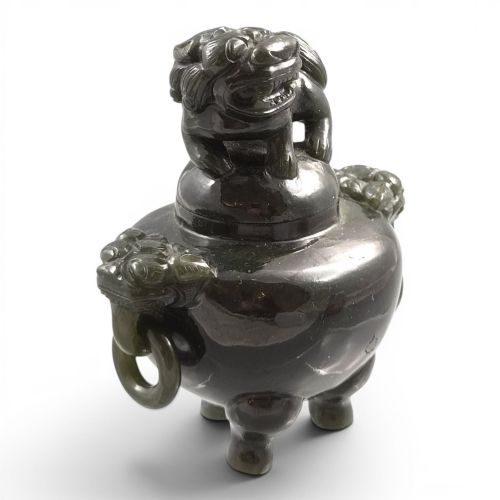




Carved Metal Urn
These pieces known as carved metal urn items bring sculptural weight and historical depth to interiors through substantial cast and chased forms.
Carved Metal Urn
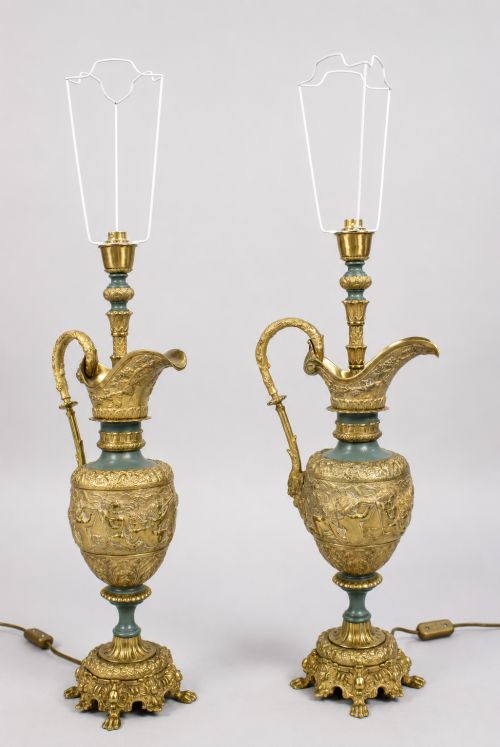
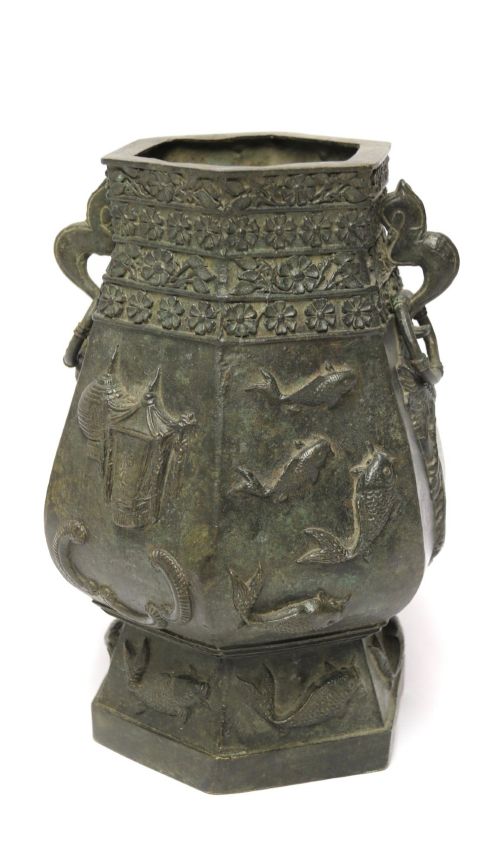
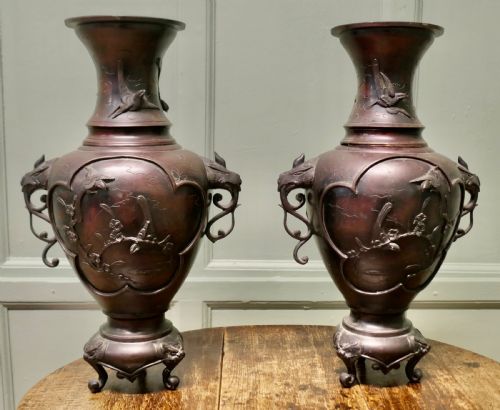
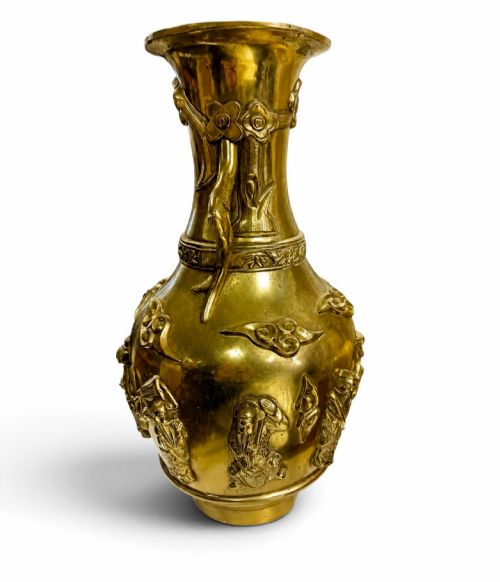
A carved metal urn search brings together heavy vessel forms designed for display, planting, or ritual use across several centuries. You are most likely to encounter 19th-century Japanese Meiji bronze vases, Chinese bronze vessels, and European Victorian ewers or planters on this page.
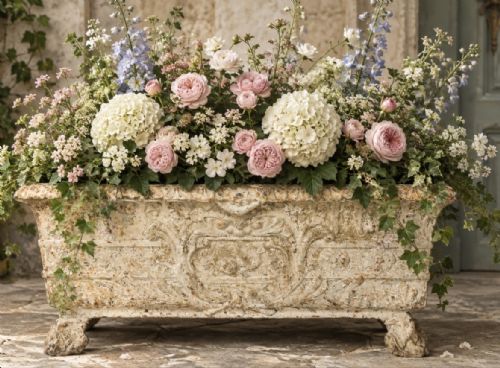
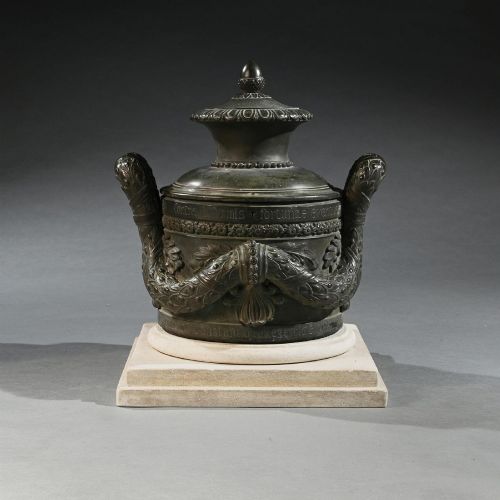
The selection ranges from classical Italian Grand Tour bronzes to intricate Indian Raj period pieces and Chinese cloisonne jardinieres. These objects take the shape of baluster vases, tripod censers, covered urns, and decorative bowls formed from durable metal alloys.
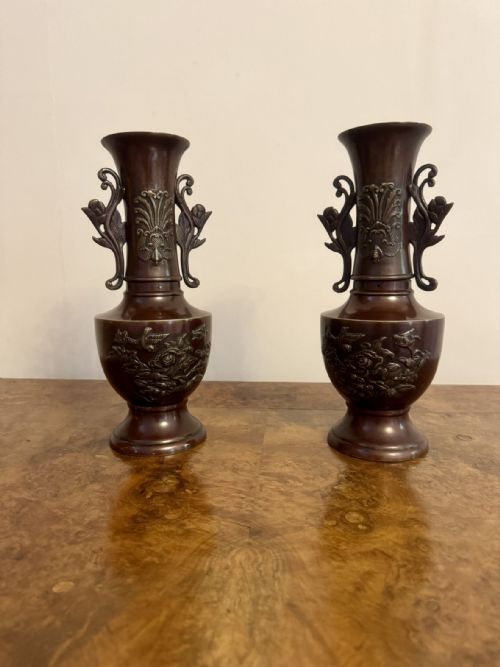
Many items function as pairs, serving historically as decorative centrepieces for grand interiors, mantelpieces, or gardens. The forms combine utility with elaborate surface ornamentation rooted in specific regional traditions.
How they were made
Artisans utilised traditional casting methods such as lost-wax techniques for complex bronze vessels, followed by extensive hand work. Copper-alloy, brass, and cast iron pieces received their final surface details through deep hand-chasing, embossing, and piercing.
Patination techniques applied chemical treatments to create dark green, brown, or aged metallic surfaces on bronze and copper. Artisans integrated mixed media elements, adding enamel details, cherry wood mounts, or silver components to complete the decorative scheme.
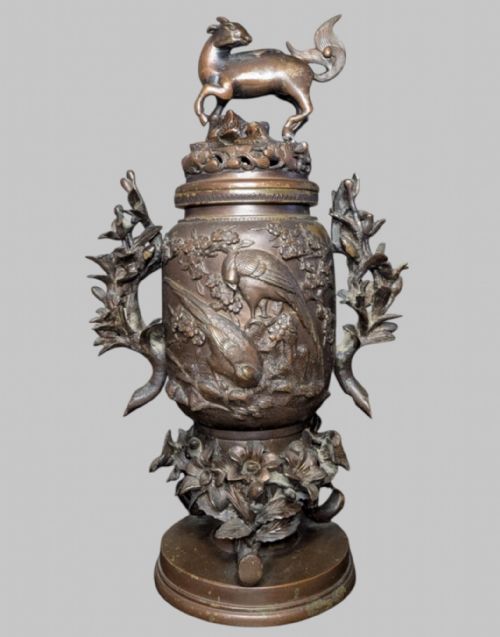
A goat finial peers from the lid of one Japanese bronze incense burner, watching over centuries of craftsmanship.
What varies in quality
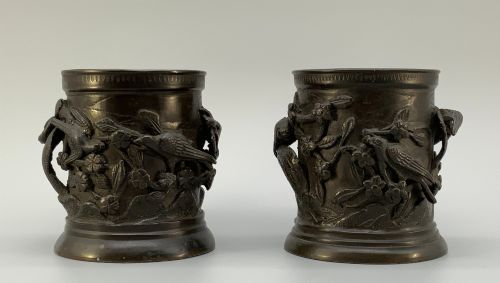
The distinction between ordinary and exceptional pieces rests in the depth and clarity of the surface carving or high-relief casting. Crisp details on motifs like birds, blossom, or mythological figures demonstrate superior workshop skill.
Proportion, weight, and metal density also divide the range, with heavier solid bronze or thick copper-alloy vessels offering greater structural integrity. Signed works or those retaining original patination and matching pairs command higher regard among collectors.
The Carved Metal Urn Glossary
- Patinated bronze
- Bronze that has been treated chemically to produce a specific surface colour or aged finish. This layer protects the metal while adding visual depth.
- Meiji period
- The era in Japanese history spanning from 1860 to 1912 noted for exceptional metalwork exported to the West. Pieces from this time often feature high-relief nature motifs.
- Grand Tour
- A cultural journey undertaken by wealthy Europeans in the 19th century collecting classical antiquities and souvenirs. Items from this tradition often mimic classical Italian or Greek forms.
- Chasing
- A metalsmithing technique where designs are hammered directly into the front surface of the metal rather than cut away. This pushes the metal to create raised decorative contours.
- Cloisonne
- Enamelling work where thin metal wires are soldered to a metal base to create compartments filled with coloured paste. These are then fired and polished smooth.
Carved Metal Urn: Frequently Asked Questions
What periods do these metal urns come from?
The listings span primarily the 18th, 19th, and early 20th centuries, covering periods like the Victorian era, Edwardian years, and Japanese Meiji period. Most examples reflect revivalist or traditional aesthetics popular during the 1800s.
Items range from classical 18th-century Italian vessels to late 19th-century Chinese export pieces. Each period imparted distinct stylistic preferences onto the metalwork.
How were these heavy metal vessels used historically?
Many served as decorative mantel ornaments, flower urns, or display centerpieces in formal rooms. Others functioned as ritual incense burners or specialised garden planters.
Larger vessels like bronze bowls and copper samovars held water, plants, or aromatic materials. Their substantial weight ensured stability during daily use or outdoor placement.
How do I style a metal urn in a modern room?
Place a heavy bronze or brass urn on a sturdy wooden console or mantel to anchor the space. Their metallic patinas complement natural stone, timber, and neutral textiles.
Empty vessels work well as sculptural objects on their own, while jardiniere and planter forms can hold dried botanicals or indoor foliage. Pair matching items symmetrically or display single pieces for a strong focal point.
How do I distinguish Japanese Meiji bronze from Chinese bronze?
Japanese Meiji bronze pieces frequently feature high-relief naturalistic subjects like birds, blossom, and dragons created around the late 19th century. They often bear artist signatures or specific workshop marks.
Chinese bronze vessels often draw on archaic ritual forms, displaying archaic vessel shapes, tripod designs, or imperial base marks such as the Xuande stamp. Their ornamentation leans toward symbolic motifs like Daoist immortals or foo dogs.