





High Relief Metal Vase
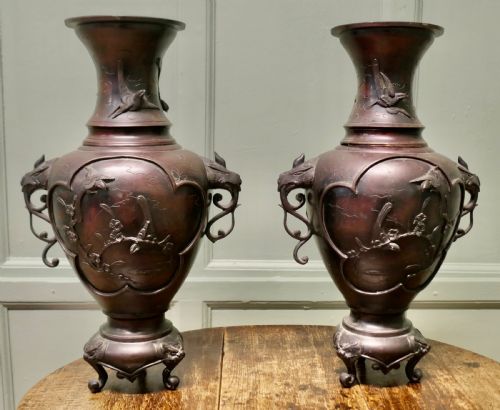
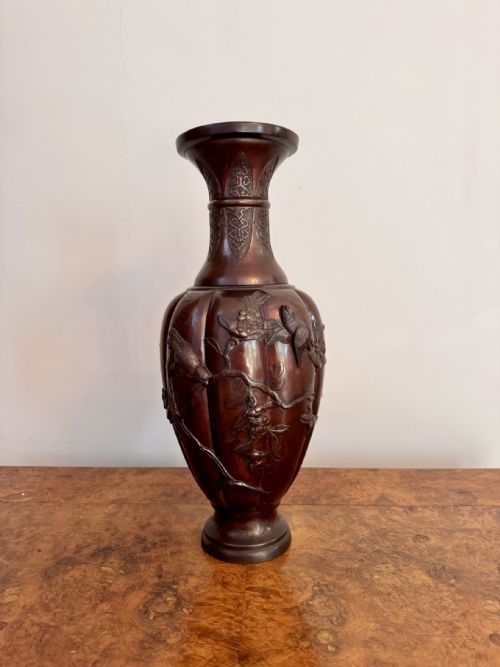
These high relief metal vase pieces combine weighty bronze and copper alloy with intricate raised decoration, offering a dramatic centrepiece for any room.
High Relief Metal Vase
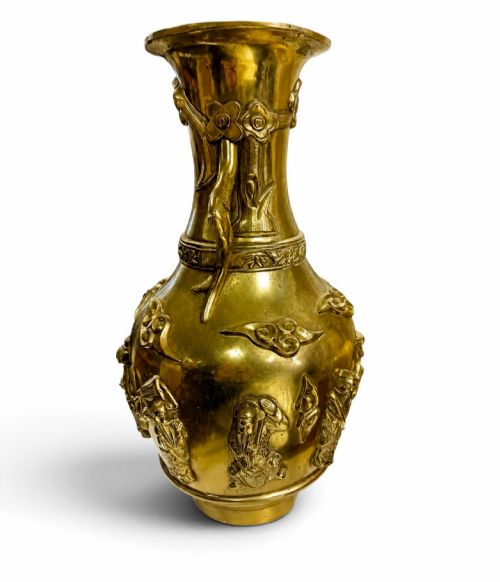
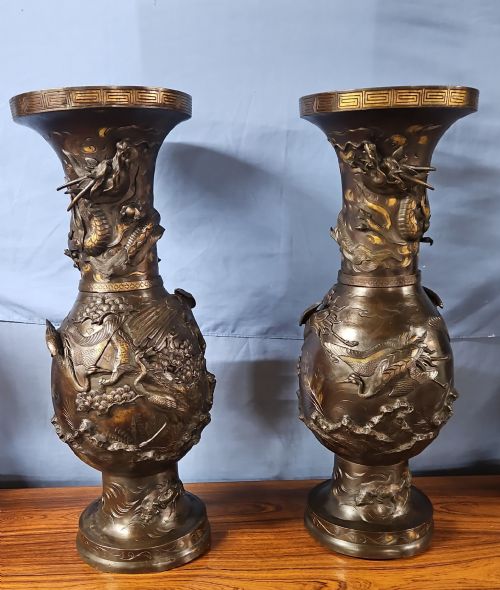
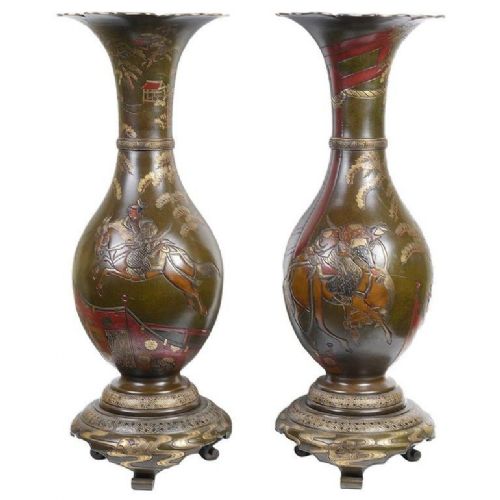
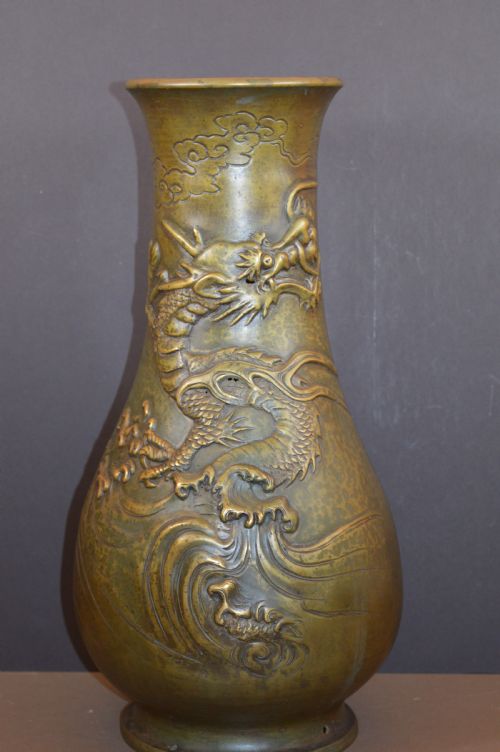
When you search for a high relief metal vase, you encounter substantial vessels created primarily during the nineteenth century and the Meiji period. The selection on this page consists predominantly of large Japanese bronze and copper alloy vases, alongside Chinese examples featuring detailed raised motifs.
Forms range from classic baluster shapes and amphora styles to pairs of decorative posy urns and jardinieres. Many incorporate mixed metal highlights or floral and bird decoration executed in high relief.
The origins span Japanese Meiji period workshops and Qing dynasty traditions, often overlapping with Victorian taste in Britain. Buyers find both single display pieces and matching pairs designed for prominent placement.
How they were made
The construction relies on cast bronze, brass, and copper alloy, sometimes enhanced with gilt metal or enamel details. Artisans utilised traditional casting methods to form the heavy body of the vessel before applying intricate surface elements.
High relief ornamentation involves building up the design from the surface, often using mixed metals or detailed chasing to depict figures, dragons, and flora. Certain pieces incorporate signatures or base marks, reflecting the care taken during production.
What varies in quality
The distinction between standard decorative items and finer works lies in the depth and crispness of the high relief casting. Superior examples display intricate detailing in the figures, birds, and floral elements without blurring at the edges.
Weight and scale also separate the pieces, with very large baluster vessels and marked items commanding attention for their substantial presence. The integration of mixed metals or enamel work adds another layer of distinction to the craftsmanship.
Genryusai Seiya
The High Relief Metal Vase Glossary
- High relief
- A sculptural technique where the figures and motifs project significantly from the background surface. This method creates strong shadows and a three-dimensional effect on the body of the vessel.
- Meiji Period
- The era in Japanese history spanning from eighteen sixty-eight to nineteen twelve, noted for the opening of trade with the West and the creation of highly detailed decorative metalwork.
- Copper Alloy
- A mixture of copper combined with other metals such as tin or zinc, forming bronze or brass. This material offers durability and a receptive surface for patination and raised ornamentation.
- Mixed Metal
- The combination of different metallic elements, such as bronze, brass, and silver highlights, within a single design. Artisans utilised this technique to create contrast and visual depth in floral and animal motifs.
High Relief Metal Vase: Frequently Asked Questions
How do I clean a bronze vase?
Dust the surface gently with a soft, dry cloth to protect the patination and any raised metal details.
Avoid using water, chemical polishes, or abrasive cleaners, as these can strip the historic finish from the metal.
Are these vases watertight?
Many antique metal vessels were created primarily for display or to hold dried arrangements rather than water.
Check the interior condition before using liquid, as age and construction methods can leave seams porous.
How do I date a Meiji period piece?
Look to the stylistic markers of the Japanese Meiji era, which spans from eighteen sixty-eight to nineteen twelve.
Signatures, base marks, and the presence of mixed metal highlights often help narrow down the period of production.