



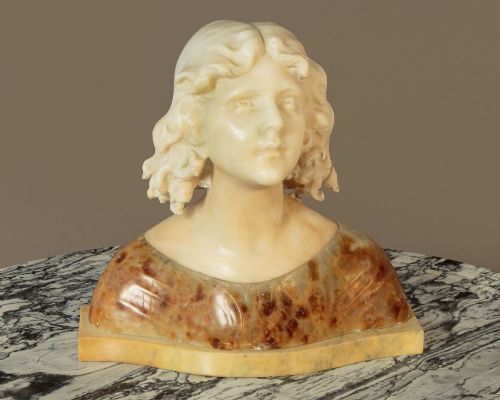
Carved Marble Bust Sculpture
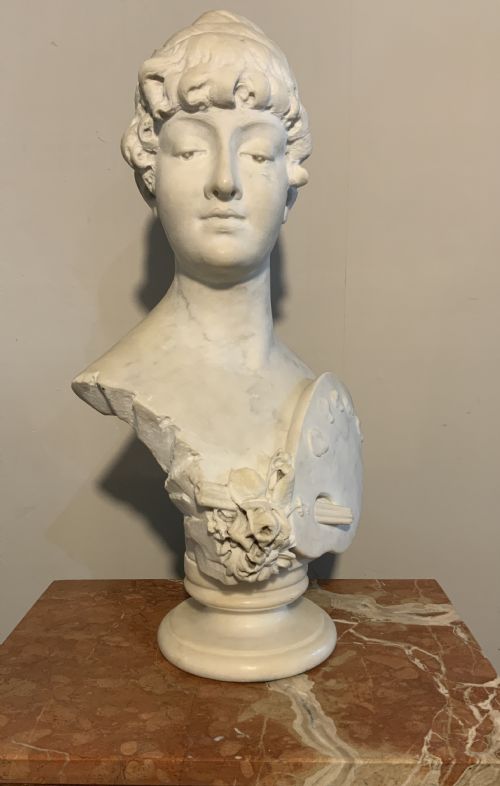
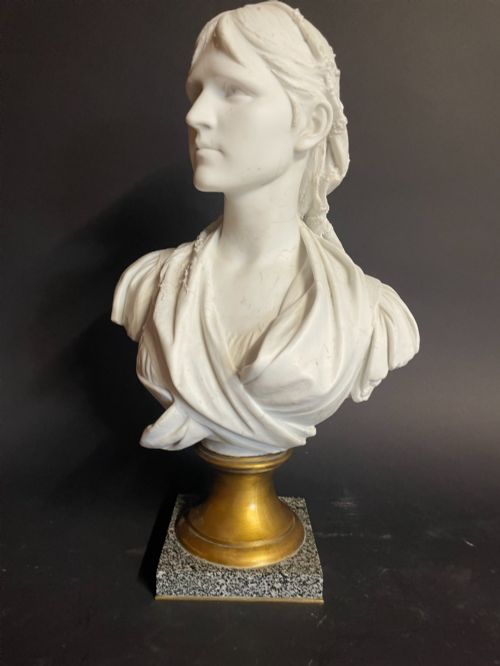
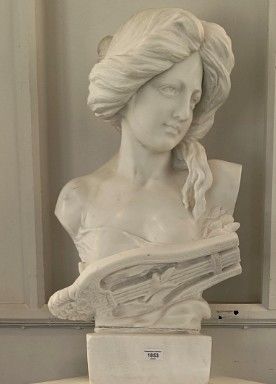
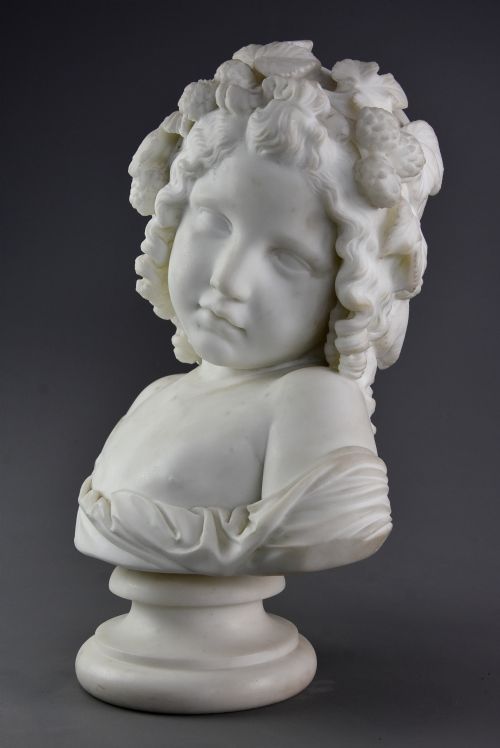
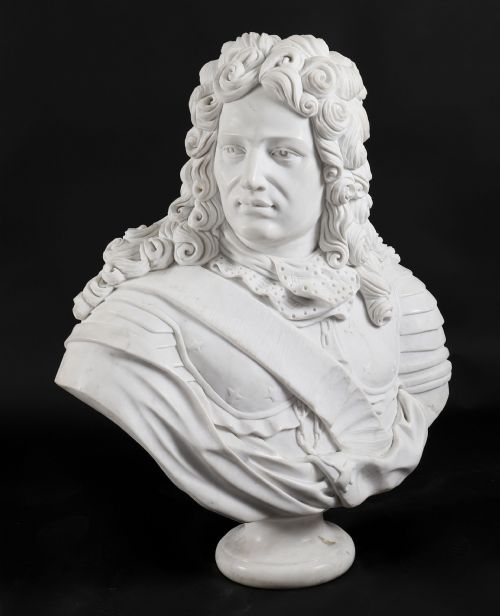
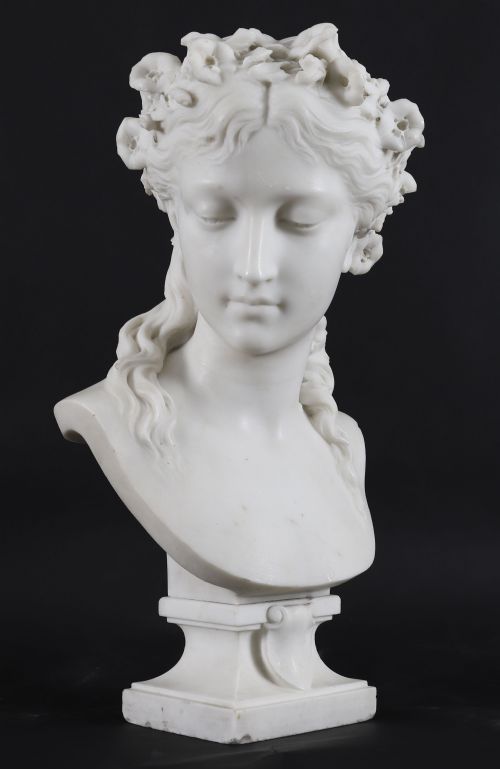
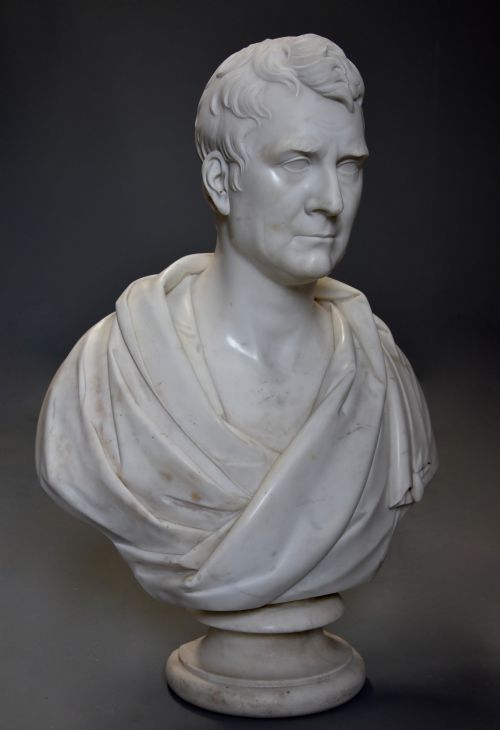
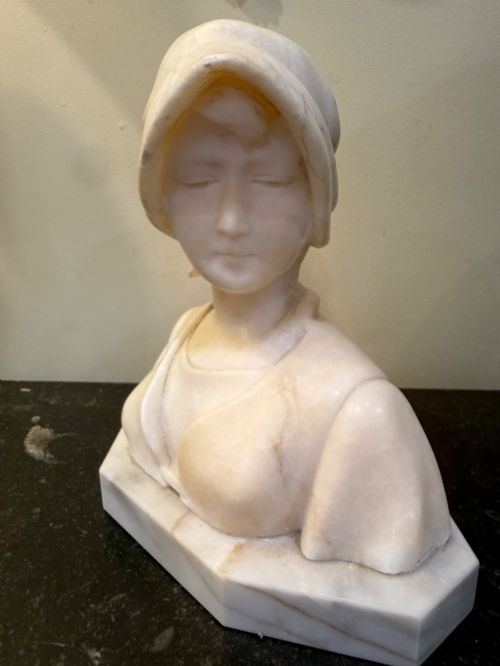
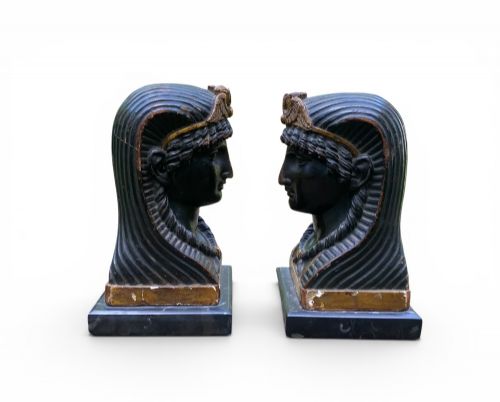
These pieces of carved marble bust sculpture capture likenesses in stone, bringing classical subjects and historical figures into domestic interiors.
Carved Marble Bust Sculpture
A carved marble bust sculpture portrays individuals from mythology, classical antiquity, and public life, alongside portraits of private citizens and children. You are most likely to encounter nineteenth-century interpretations reflecting Neoclassical and Victorian taste.
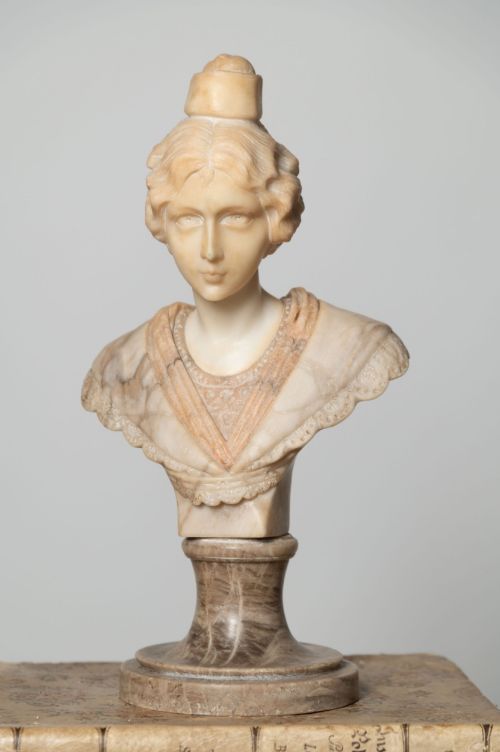
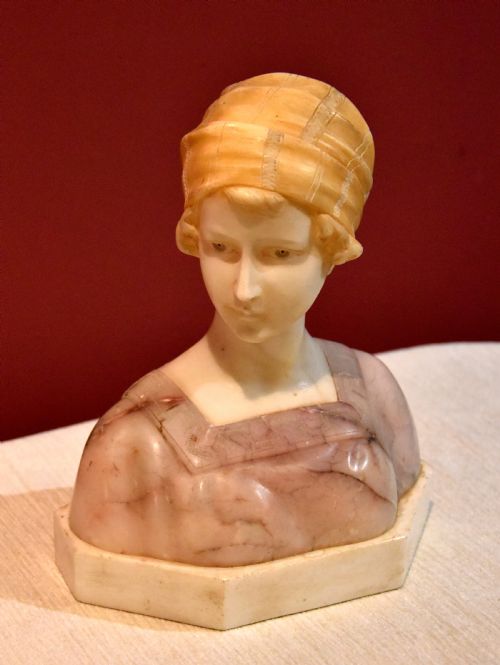
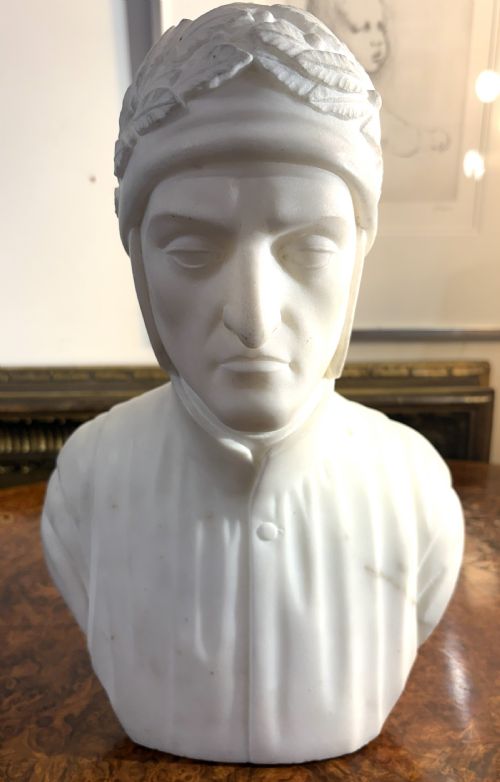
The material ranges from bright white Carrara marble to translucent alabaster, sometimes mounted on contrasting stone bases or ormolu mounts. Forms vary from library-scale library busts to monumental portrait sculptures.
Subjects include Greek deities like Diana, Roman emperors such as Augustus, literary figures including Dante, and anonymous young women or noblemen in armour. These works emerge largely from Italian, French, and British workshops spanning the seventeenth century to the early twentieth century.
Distinguishing quality in stone sculpture
Superior execution shows in the crisp rendering of anatomical detail, the lifelike fall of hair, and the sensitive handling of fabric folds in the marble. Master carvers captured subtle shifts in expression and texture that lesser artisans missed.
Signatures by recorded sculptors elevate a piece, as do well-documented subjects and original pedestals. The choice of flawless stone without distracting natural fissures also separates ordinary decorative works from finer sculptural achievements.
Several stone noblemen and Roman emperors keep permanent watch over modern living rooms without ever needing a nap.
Houdon·Eugene Aizelin·J Francis·Auguste Henri Carli·R Mattei·John Wenlock Rollins·Mieczyslaw Leon Zawiejski
The Carved Marble Bust Sculpture Glossary
- Carrara marble
- A type of white or blue-grey marble quarried in the city of Carrara in Tuscany, Italy. Sculptors prized it for its fine grain and consistent texture.
- Alabaster
- A fine-grained mineral used for carving, softer than marble and known for a translucent quality. It allows light to penetrate slightly beneath the surface.
- Ormolu
- Gilded bronze used for mounts, socles, and decorative trims on sculpture bases. It provides a metallic contrast to the matte stone.
- Neoclassical
- An artistic style drawing inspiration from the art and culture of classical antiquity. It dominated European sculpture through the eighteenth and nineteenth centuries.
- Socle
- A short plinth or pedestal supporting a bust. It elevates the carved portrait above its base.
Carved Marble Bust Sculpture: Frequently Asked Questions
How do I identify the period of a carved marble bust sculpture?
Examine the hairstyle, clothing, and overall aesthetic, as these often reflect the prevailing fashion of the maker's era, from Neoclassical severity to Victorian elaboration. Signatures and dates carved into the reverse or base also provide direct evidence of origin.
Tool marks and the type of marble can offer further clues, though many nineteenth-century works consciously emulated earlier classical models.
How do I clean carved marble and alabaster safely?
Dust surfaces gently with a soft, dry microfibre cloth or a clean artist's brush to remove everyday particles. Avoid using water, household detergents, or chemical cleaners, which can damage the polished surface.
Alabaster is particularly sensitive to moisture and dissolves slightly if exposed to damp conditions, so it must remain strictly dry.
What is the difference between marble and alabaster sculptures?
Marble is a metamorphic rock formed from limestone, offering high hardness and durability with varied veining. Alabaster is a softer mineral compound that transmits light beneath the surface, giving it a characteristic waxy glow.
Alabaster pieces tend to feel lighter and show more translucent qualities under direct illumination than solid marble.