
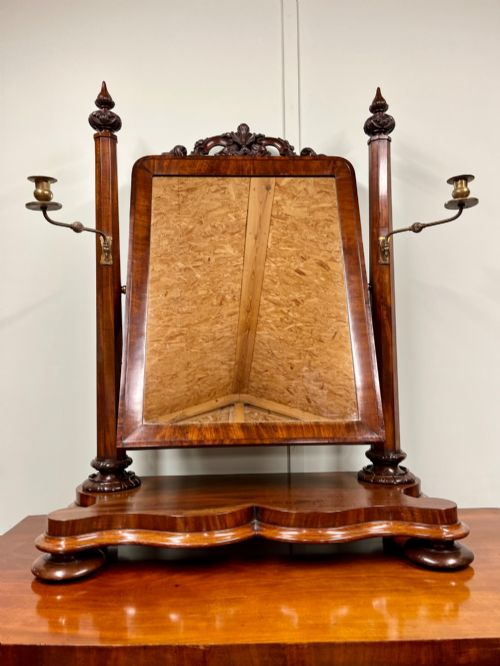
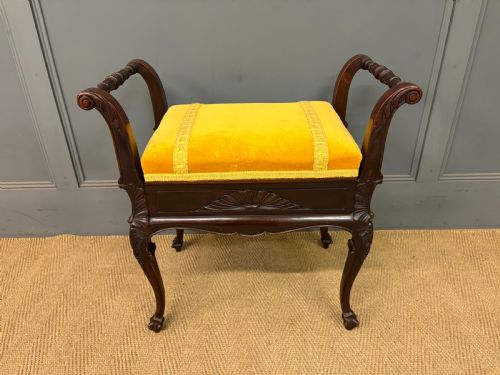
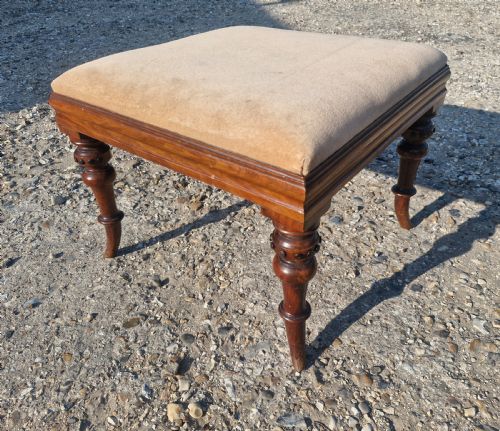
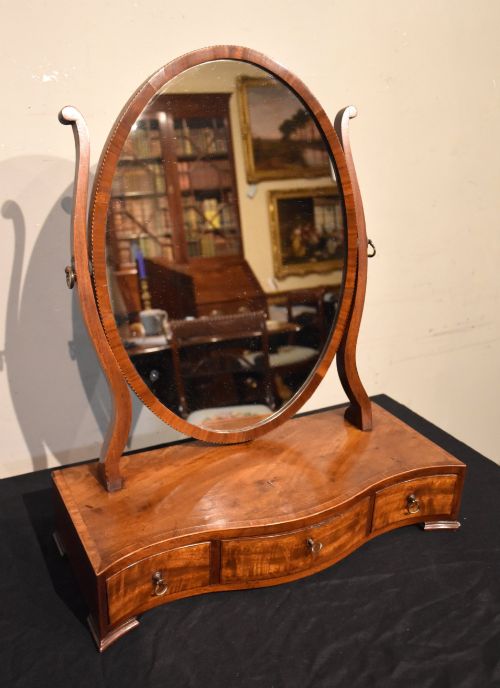
Carved Mahogany Vanity
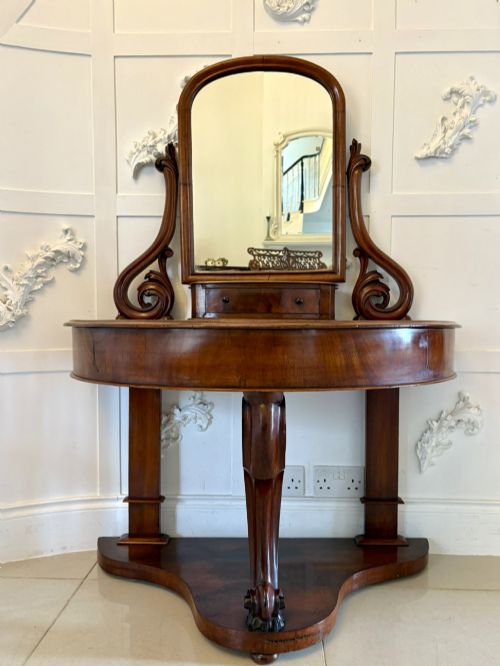
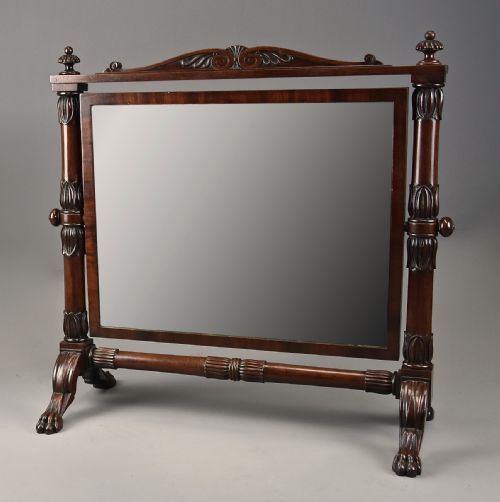
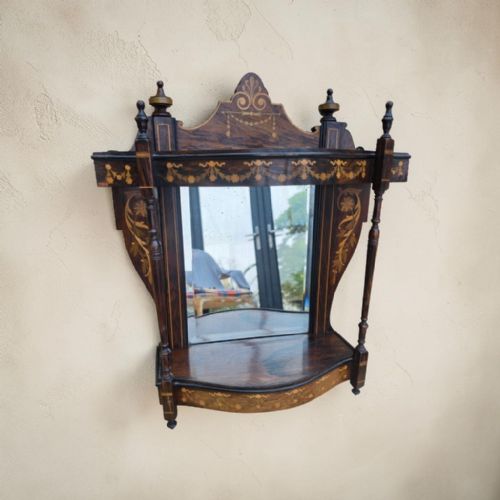
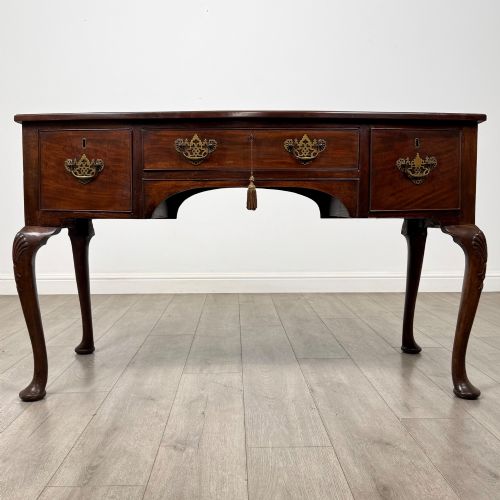
These carved mahogany vanity pieces are nineteenth century Victorian dressing tables designed for the bedroom.
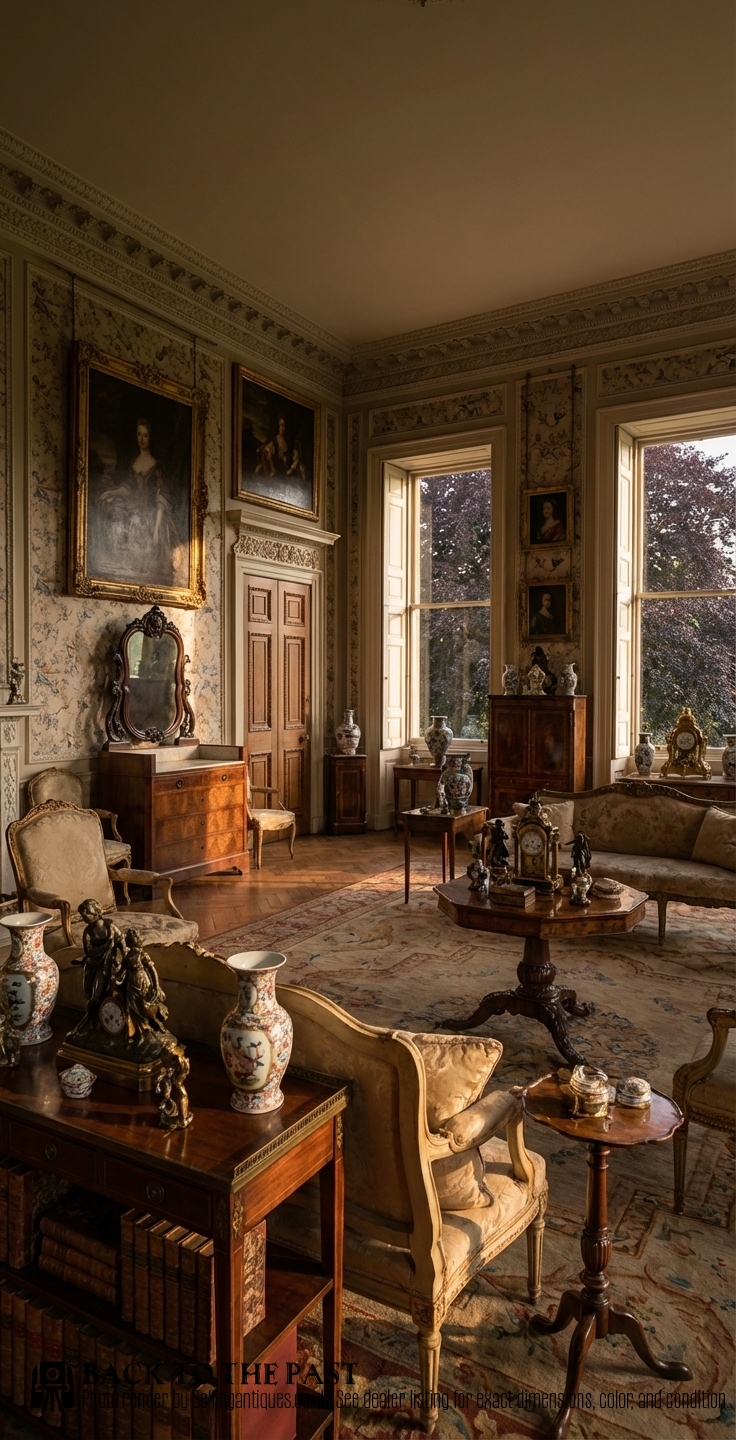
What carved mahogany vanity means here
A carved mahogany vanity refers to nineteenth century Victorian dressing tables and duchess dressing tables found on this page. These pieces date from periods including eighteen fifty, eighteen seventy, eighteen eighty, and the wider Victorian era.
The forms span standard dressing tables, French dressing table and chest combinations, and duchess dressing tables. They originate from Victorian workshops with styles such as Victorian Rococo Revival and Gothic Revival.
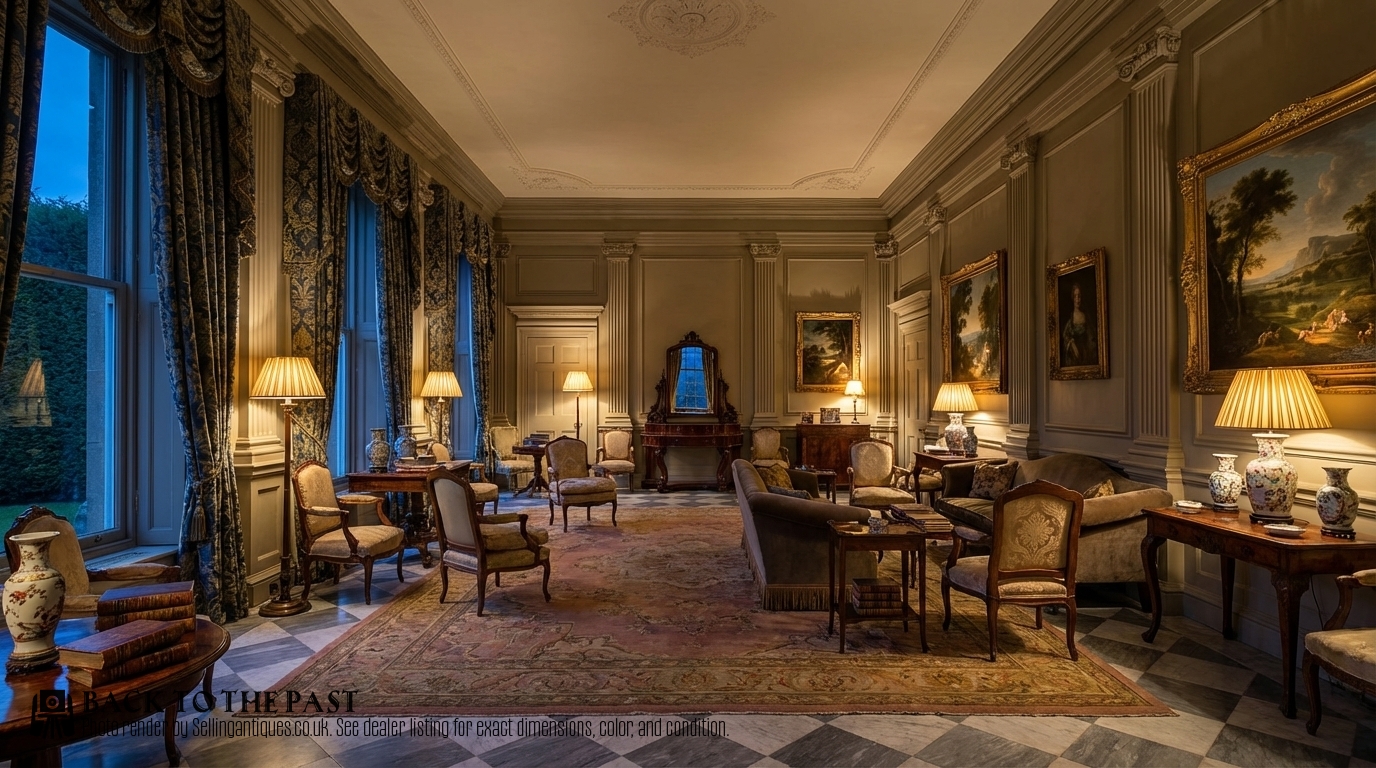
How they were made
Makers utilised solid and veneered mahogany timber combined with glass, mirror glass, brass, and marble. Carving formed an integral part of the construction across Victorian stylistic movements.
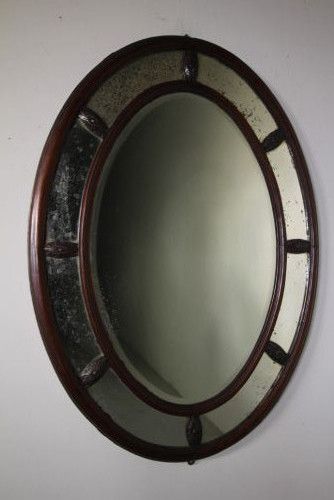
Mirrors and hardware integrate directly into the dressing table structures, utilising brass fittings and mirror glass panels set within carved frames.
Retail Price Guide 2026
Typical UK retail prices for carved mahogany vanity, calculated from the Sellingantiques database of over a million retail prices indexed since 2003. This retail price guide relies exclusively on Sellingantiques data; no external sources or auction records are used, so the figures do not describe the wider market.
What varies in quality
Quality rests upon the depth and execution of the carved mahogany detail, alongside the presence of distinct stylistic flourishes like Gothic Revival or Victorian Rococo Revival motifs. Finer examples display superior timber selection and integrated mirror supports.
The complexity of the dressing table form, such as duchess variants or combined chest configurations, separates standard pieces from more ambitious nineteenth century workshop productions.
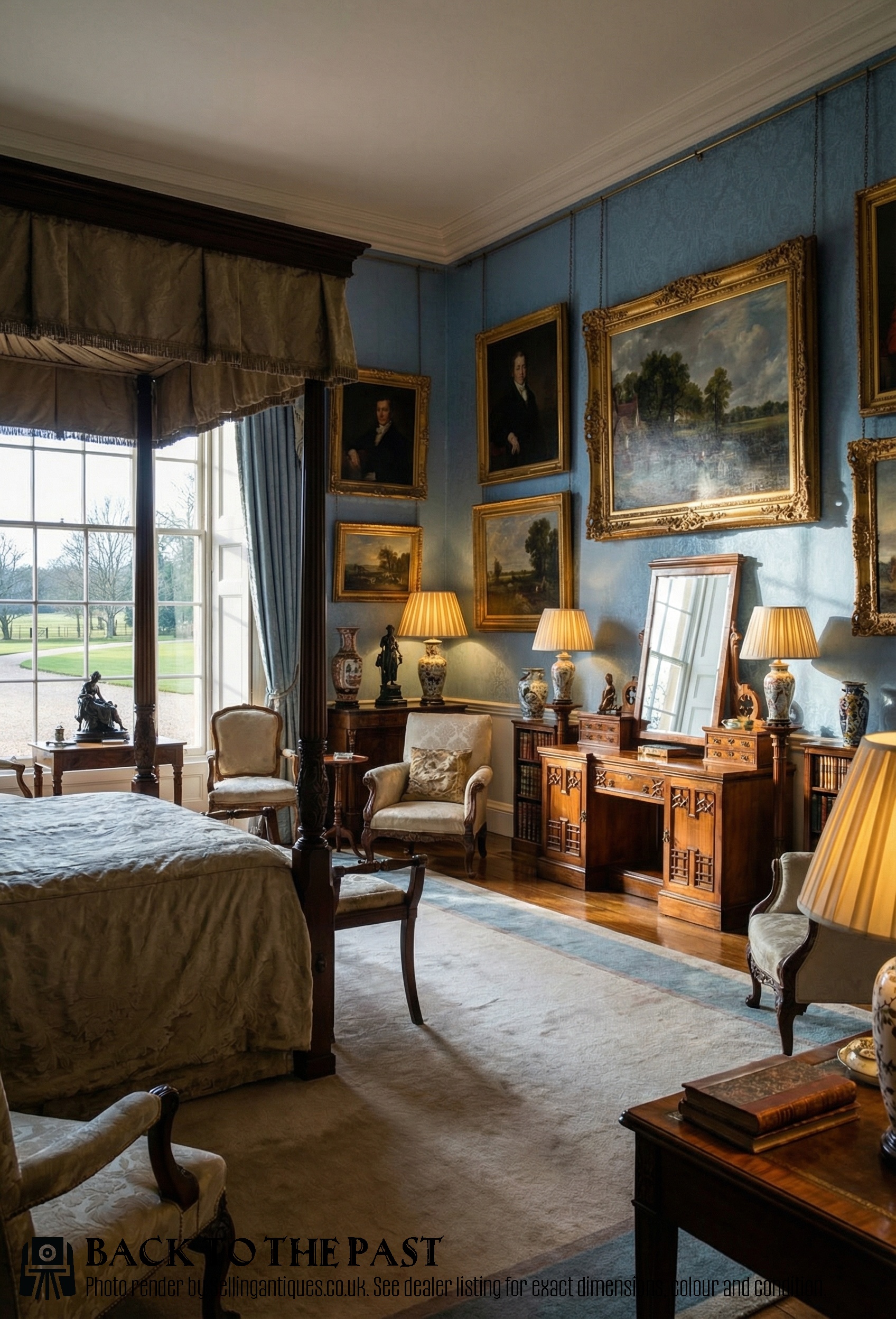
The Carved Mahogany Vanity Glossary
- Duchess dressing table
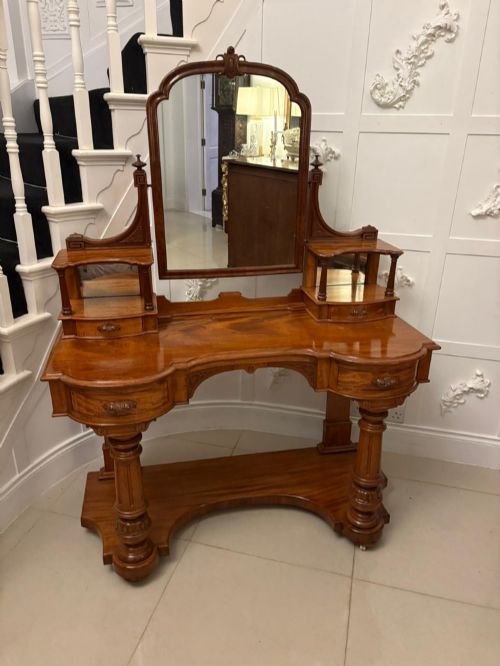
- A large nineteenth century dressing table featuring a central swing mirror surrounded by smaller drawers or compartments. It represents a grander Victorian bedroom form.
- Gothic Revival
- A nineteenth century design style incorporating medieval architectural motifs such as pointed arches and heavy carved detail. It appears on specific dressing table variants.
- Victorian Rococo Revival
- A mid nineteenth century style noted for ornate, fluid carved ornamentation inspired by eighteenth century French design. It influences the shaping of mahogany dressing tables.
- Mirror glass
- The reflective glass panel fitted into the adjustable frames of these dressing tables. It forms a central functional component of the vanity.
Frequently Asked Questions
What is a duchess dressing table?
A duchess dressing table is a grand nineteenth century Victorian form that incorporates a large adjustable swing mirror and multiple small drawers. These pieces served as elaborate vanities for bedrooms.
They stand distinct from simpler dressing tables through their scale and integrated superstructure.
How old are these dressing tables?
The pieces date from the nineteenth century, with specific examples recorded from eighteen fifty, eighteen seventy, and eighteen eighty. They belong entirely to the Victorian era.
Their construction reflects the prevailing cabinet making standards of those decades.
What materials are used?
The primary timber is mahogany, often shaped and carved according to Victorian tastes. Additional materials include mirror glass, brass hardware, and marble tops.
These elements combine to form functional nineteenth century bedroom furniture.
What styles do these pieces follow?
The listings show Victorian pieces, including specific examples of Gothic Revival and Victorian Rococo Revival styles. Each style brings distinct carved details to the mahogany framework.
These stylistic choices help define the visual character of individual dressing tables.