
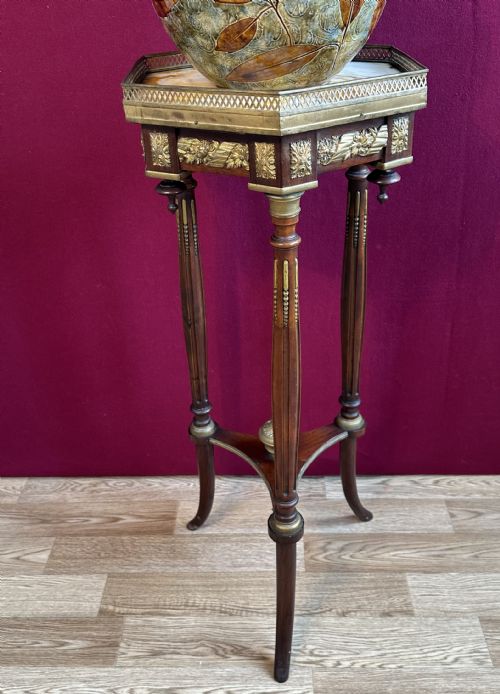


Carved Mahogany Jardiniere Stand
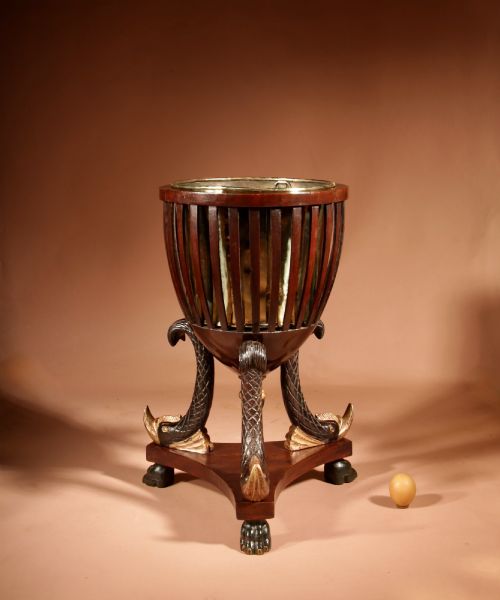
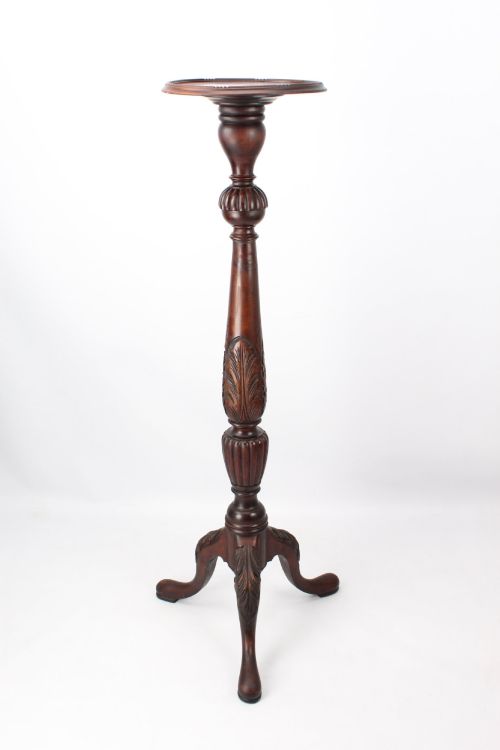
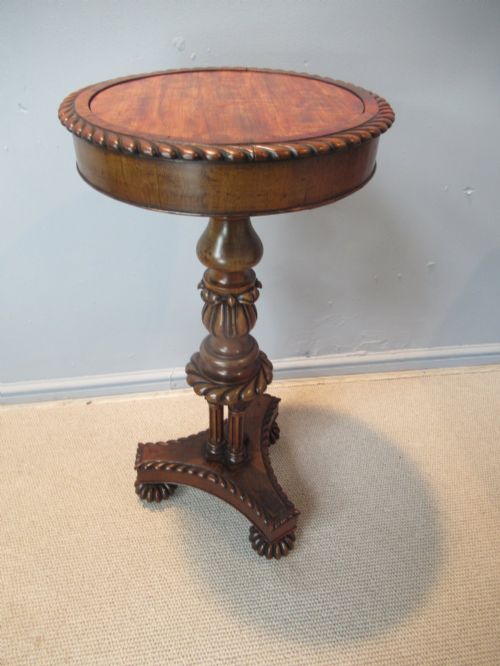
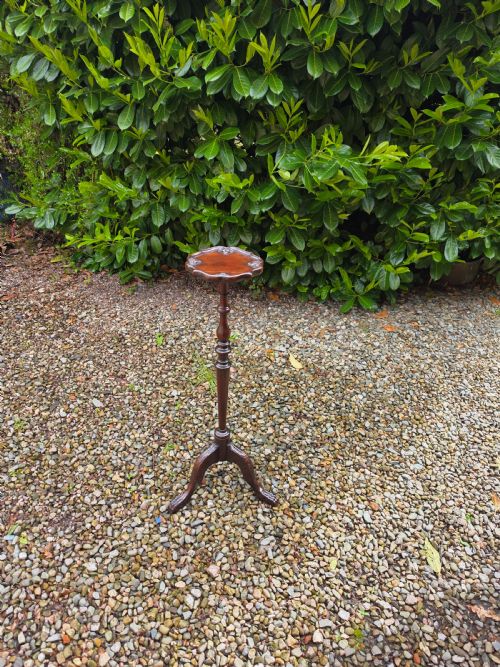
A carved mahogany jardiniere stand elevates your greenery with rich timber and sculptural detail, bringing height and character to any corner.
Carved Mahogany Jardiniere Stand
A carved mahogany jardiniere stand serves as a dedicated platform for potted plants, urns, and vases, lifting them off the floor to display foliage properly. When you explore this selection, you encounter pieces designed to hold heavy botanical displays with stability and grace.
The objects listed here span from the nineteenth century through the Edwardian era, encompassing both British interpretations and international influences. You are most likely to meet tall pedestal forms alongside tripod bases, often featuring circular tops designed to receive ceramic or metal liners.
Makers across different decades applied historical styles to these stands, ranging from French Empire and William IV to Chinese Export and Art Nouveau. This variety ensures that whether your interior leans towards formal period decoration or eclectic grouping, a suitable silhouette appears among the choices.
How they were made
Cabinetmakers relied primarily on mahogany and related hardwoods, selecting timber prized for its dense grain and capacity to hold crisp hand-carving. Secondary materials such as brass liners, marble inserts, and ebonised details frequently appear to accent the warm brown tones of the primary wood.
Construction techniques combined robust joinery with ornamental enrichment, employing turned columns, fluted shafts, and tripod or plinth bases for structural balance. Artisans shaped the wood using traditional hand tools, carving foliage, paw feet, and reeding directly into the solid timber.
Listings span multiple eras, featuring pieces from the Regency period through the Edwardian decades alongside Chinese Export interpretations.
What varies in quality
The distinction between standard production and exceptional work rests on the depth and sharpness of the carved enrichment. Finer examples display undercut foliage and well-defined motifs executed by skilled hands, whereas simpler pieces rely on shallow stamping or machine routing.
Proportion and material selection further separate the tiers of quality, with heavier timber sections, stable column construction, and integrated marble tops marking superior output. The weight of the base and the integrity of the joints dictate how securely the stand bears heavy botanical arrangements.
The Carved Mahogany Jardiniere Stand Glossary
- Jardiniere
- An ornamental pot or stand for holding plants or flowers. These vessels often sit atop dedicated pedestals to showcase trailing foliage.
- Torchiere
- A tall stand or pedestal originally designed to carry a torch or lamp. In this context, the form adapts easily to support tall vases and potted plants.
- Ebonised
- Wood finished to resemble ebony through staining or painting. This dark treatment provides sharp contrast against lighter wood grain or marble inserts.
- Tripod base
- A support structure resting on three feet or legs. This configuration offers reliable stability on uneven floors.
- Chippendale style
- A classic furniture aesthetic characterised by ornate carving and flowing lines. Pieces in this manner often feature detailed claw and ball feet.
Carved Mahogany Jardiniere Stand: Frequently Asked Questions
How were jardiniere stands originally used?
These stands functioned as indoor display furniture in Victorian and Edwardian drawing rooms, placing prized ferns and flowering plants at eye level.
They allowed homeowners to introduce living greenery into formal interior spaces while protecting delicate floor coverings from moisture.
Are these stands strong enough for heavy pots?
Most examples are constructed from dense hardwoods like mahogany and feature sturdy tripod or pedestal bases built to bear significant weight.
However, checking the stability of the central column and joints ensures the stand safely accommodates large ceramic planters.
How do I date a mahogany plant stand?
Dating relies on stylistic clues, timber characteristics, and construction methods that align with periods like the Victorian, Edwardian, or Regency eras.
Carving motifs and finish types offer reliable indicators of the decade in which the workshop produced the piece.
Can these stands be used for items other than plants?
While designed primarily for botanical displays, many pieces easily support decorative vases, sculptures, or table lamps.
Flat or slightly recessed tops accommodate various ornamental objects without risking stability.