


Carved Flower Pot Table
A carved flower pot table lifts greenery to eye level, combining structural joinery with botanical display.
Carved Flower Pot Table
A carved flower pot table, also commonly catalogued as a jardiniere stand or plant stand, serves as an elevated surface designed specifically to display botanical specimens within a domestic interior. These pieces function equally well as bedside tables, lamp tables, or small occasional tables when not supporting plants.
The examples gathered here span several distinct periods and aesthetic movements, originating from British workshops and Chinese export traditions alike. You will encounter Victorian, Edwardian, and early twentieth-century interpretations alongside late nineteenth-century Qing Dynasty pieces.
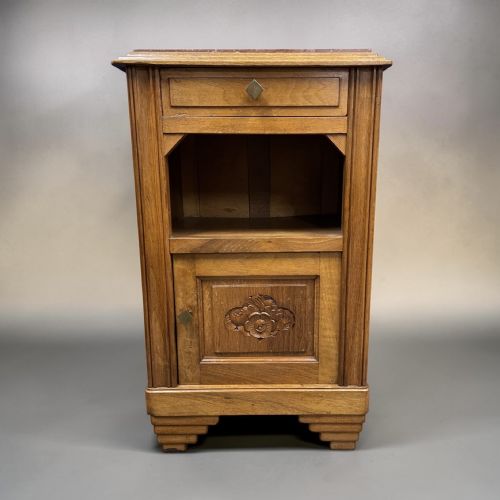
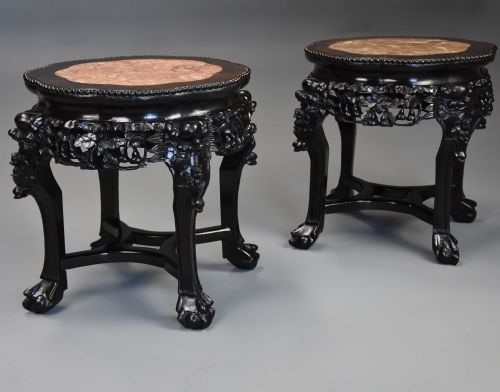
Forms vary from square and rectangular low tables to tall columnar stands featuring shaped tops. Many incorporate inset marble panels designed to withstand moisture from watering plants, whilst others rely on solid hardwood surfaces.
How they were made
Construction relies heavily on dense timbers such as mahogany, walnut, oak, and ebonised wood, alongside imported Chinese hardwoods. Artisans utilised traditional joinery techniques to ensure stability in tall, slender forms that must support heavy pots.
Surface ornamentation ranges from subtle moulded edges to elaborate hand-carved floral motifs and piercing. Inlaid marble tops provide a durable, cool surface that contrasts sharply with the warmth of the surrounding timber frame.
Several stands were designed specifically to prevent Victorian watering cans from destroying parlour carpets.
What varies in quality
Quality reveals itself primarily in the crispness and depth of the hand carving, where deeper undercut foliage indicates superior craftsmanship over shallow mechanical shaping. The choice of timber also dictates value, with dense native hardwoods and selected oriental varieties holding up better to weight and atmospheric changes.
Structural integrity separates ordinary stands from exceptional ones, particularly in how the legs join the top and whether the piece remains rigid over time. Original inset marble panels fitted flush into the timber frame reflect a higher standard of manufacture than replacement tops.
Liberty of London
The Carved Flower Pot Table Glossary
- Jardiniere stand
- A tall table designed to hold a ceramic plant container or flower pot. These pieces usually feature a circular or shaped top elevated on slender legs.
- Ebonised wood
- Timber treated with a dark stain or finish to imitate expensive ebony. This technique was popular in Victorian and Anglo-Japanese furniture manufacture.
- Hardwood
- Timber derived from broad-leaved deciduous trees, noted for its density and durability. Common varieties in these listings include walnut, mahogany, and oriental substitutes.
- Qing Dynasty
- The final imperial dynasty of China, lasting from the seventeenth to the early twentieth century. Pieces from this era often feature intricate carving and traditional mortise and tenon joinery.
- Anglo-Japanese style
- A nineteenth-century design movement influenced by imported Japanese art and craftsmanship. It combines clean structural lines with subtle decorative elements.
Carved Flower Pot Table: Frequently Asked Questions
What is a jardiniere stand?
A jardiniere stand is an elevated piece of furniture specifically designed to hold a plant pot or flower arrangement off the floor. They allow greenery to catch more light and serve as decorative focal points in a room.
Historically, these stands protected delicate flooring and carpets from water damage associated with indoor gardening. Today, they function just as easily as small display tables for lamps or ornaments.
Can I use these outdoors?
These antique stands are constructed for interior domestic use and lack the weather-resistant finishes required for outdoor environments. Exposure to moisture, direct sunlight, and frost will quickly damage the timber and joints.
Keeping them inside preserves the polish, veneer, and delicate hand-carved details that define their character. They thrive in ambient indoor temperatures away from direct heat sources.
How do I spot a Chinese export piece?
Chinese export pieces from the late nineteenth century typically utilise dense imported hardwoods and feature deep, intricate hand-carving reflecting traditional motifs. They often incorporate shaped aprons and robust joinery designed to support heavy porcelain vessels.
Stylistic cues include longevity symbols, scrolling foliage, and distinct structural proportions that differ from contemporary British furniture. Their construction methods reflect centuries of specialised woodworking traditions.
Why do some tables have marble inserts?
Marble inserts provided a waterproof and cool surface that resisted staining and moisture damage when watering potted plants. This practical addition prevented rotting timber beneath heavy ceramic bowls.
Over time, these stone panels also added necessary weight to the base of tall stands, improving overall stability. They create a distinct visual contrast against dark hardwoods like walnut and mahogany.