
Carved Mahogany Column
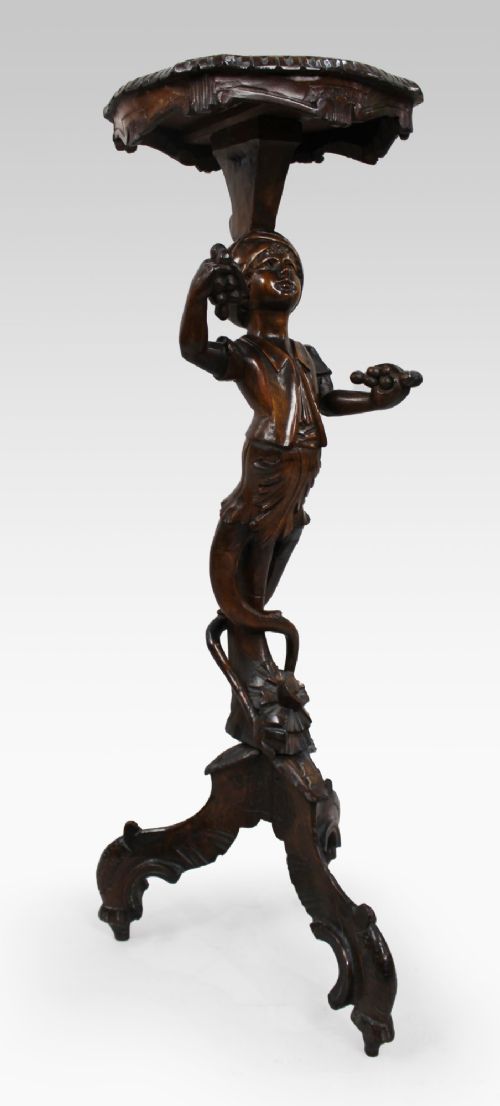
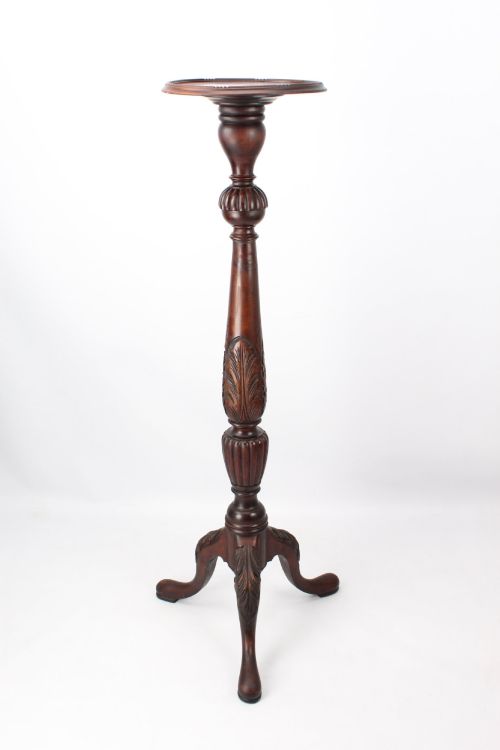
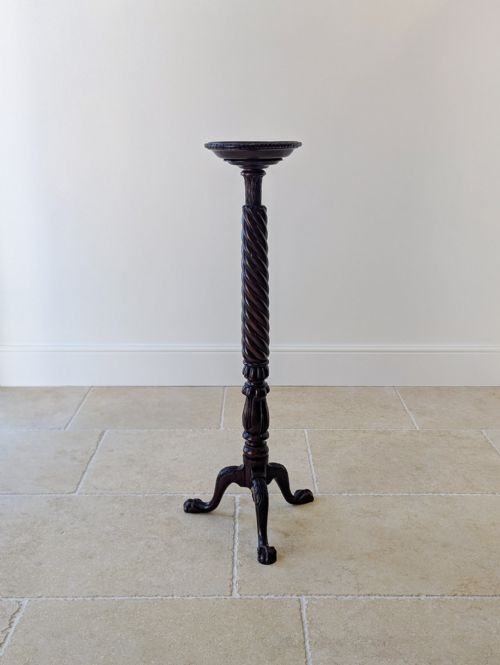
A carved mahogany column brings architectural presence to a room, functioning as a torchere, plant stand or sculptural support across Victorian and Georgian periods.
Carved Mahogany Column
When you search for a carved mahogany column, you encounter structural supports, torcheres, plant stands, and pedestals that utilise dense timber and classical orders. These items originate predominantly from the nineteenth century, encompassing Victorian, Regency, and William IV periods, alongside Georgian and Edwardian examples.
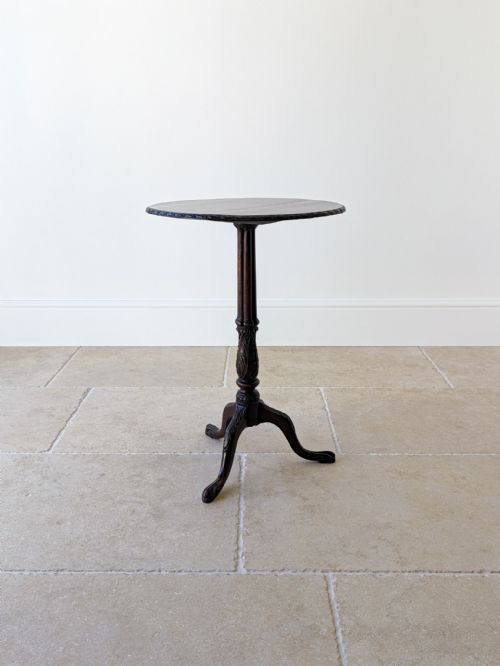
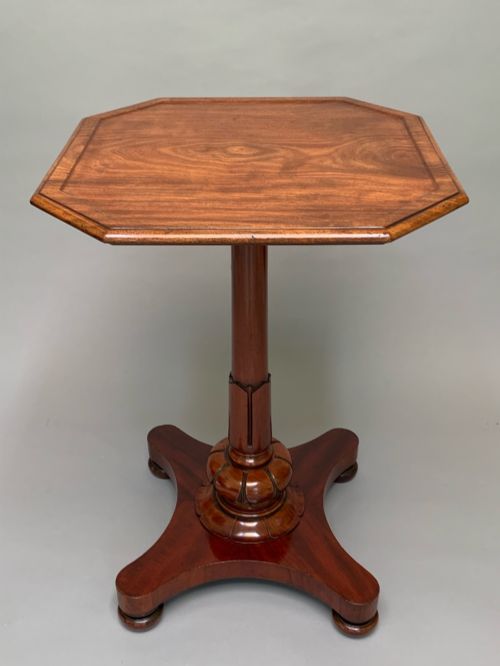
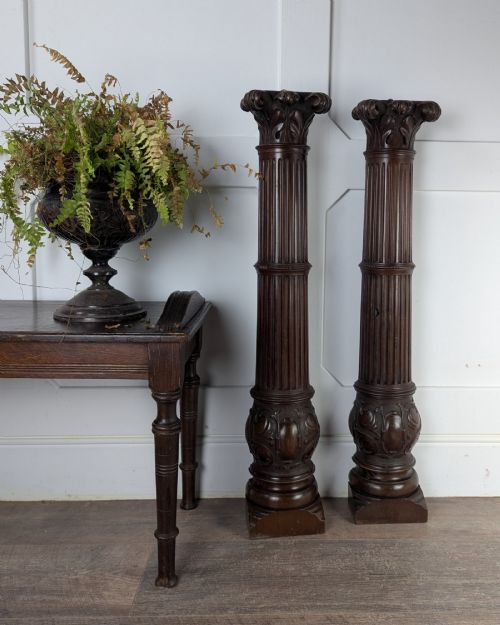
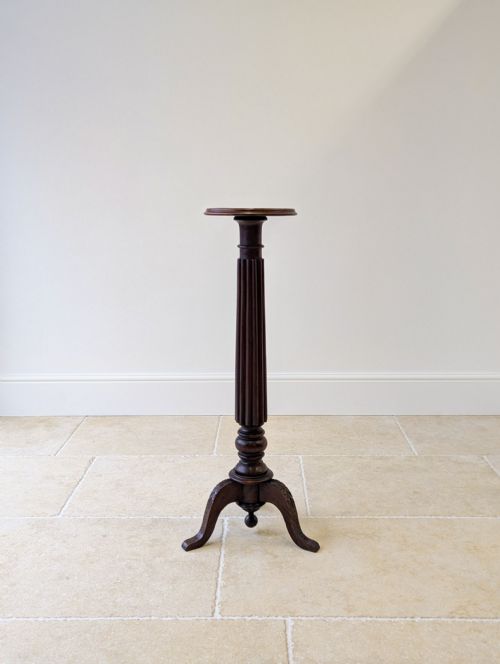
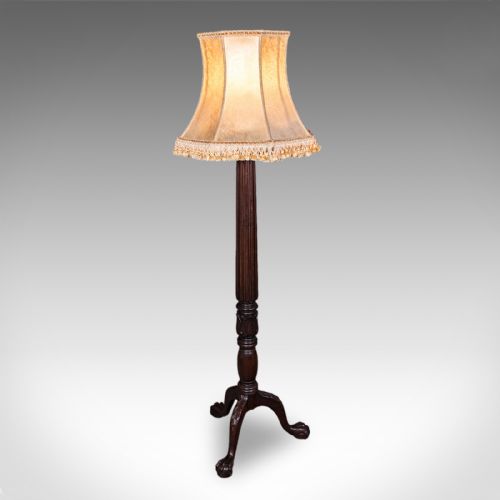
The selection on this page runs from slender torcheres and plant stands to half columns, floor lamps, and architectural pedestals. Many pieces take the form of tall display columns designed to elevate jardinieres, busts, or lamps within a room.
Makers and craftsmen of these periods drew upon classical architecture, translating stone columns into timber through reeded shafts, Corinthian capitals, and fluted columns. The resulting forms range from simple tripod-based stands to substantial country house torchiere pairs.
How they were made
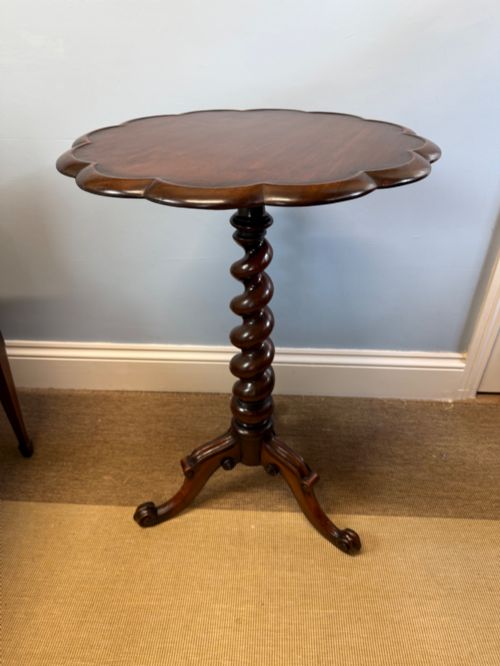
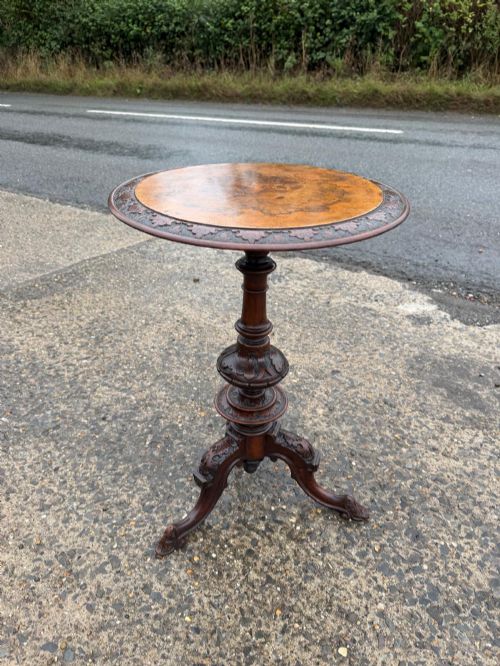
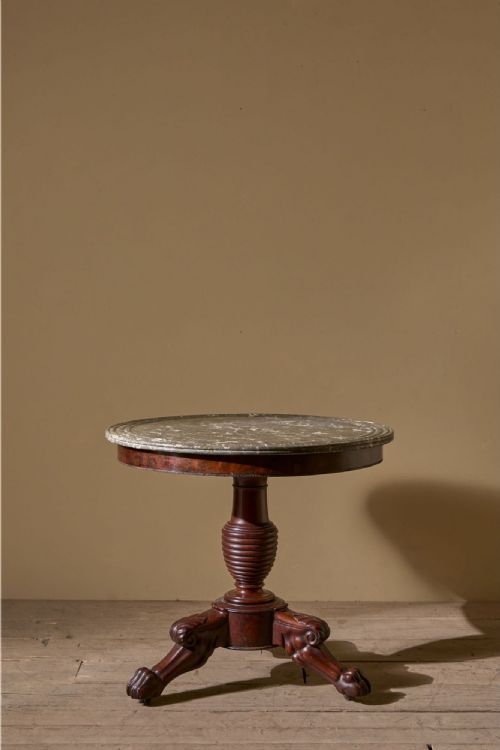
Makers relied on solid mahogany, frequently augmented by flame mahogany veneer, burr wood, and boxwood stringing to add visual depth to the columnar shafts. Brass fittings, glass elements, and grey marble tops appear on specific tables and gueridons associated with the columns.
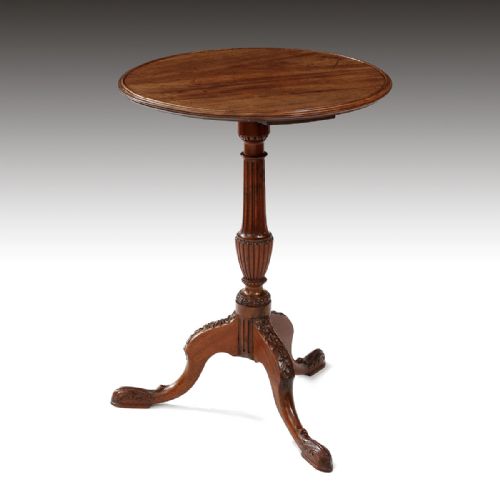
Woodturners and cabinetmakers shaped the timber on lathes before hand-carving decorative details such as reeding, fluting, and ribbon motifs onto the capitals and pillars. Tripod bases were jointed securely to the central carved column to support heavy plant stands and torcheres safely.
Materials paired with mahogany across these listings include brass, grey marble, glass, rosewood, burr wood, and fabric.
What varies in quality
Quality in a carved mahogany column lies in the crispness of the hand-carving on the capital and the stability of the timber shaft. Superior examples display deeply cut acanthus leaves, precise reeding, and well-proportioned Corinthian or Ionic details rather than shallow, mechanical tooling.
The choice of material also dictates distinction, where finely figured flame mahogany or burr wood tops elevate a simple plant stand or wine table. Construction integrity in the tripod base or pedestal foot ensures that tall torcheres remain balanced and upright.
Gillow
The Carved Mahogany Column Glossary
- Torchere
- A tall stand or pedestal designed to support a lamp, bust, or plant. These pieces utilise slender columns raised on tripod or platform bases.
- Corinthian
- A classical architectural order identified by ornate capitals decorated with acanthus leaves. This style frequently adorns the top of a carved column.
- Reeded
- A decorative moulding formed of parallel convex projections resembling parallel reeds. Cabinetmakers carved these lines directly into the shafts of columns and table pillars.
- Gueridon
- A small occasional table supported by a central column or figures. These French-influenced pieces often incorporate marble tops alongside mahogany structures.
- Tripod Base
- A three-legged support system providing stability to tall stands and wine tables. This construction prevents wobble on uneven nineteenth-century floors.
Carved Mahogany Column: Frequently Asked Questions
What is a torchere stand used for?
A torchere stand functions as an elevated platform for displaying decorative objects, plants, or lighting within a room. Historically, these tall columns held candles or oil lamps to illuminate dark corners.
Today, collectors use them to showcase vases, busts, or standard lamps, adding vertical interest and classical proportion to interior spaces.
How do I date a mahogany column?
Dating a carved mahogany column involves examining the timber grain, construction methods, and stylistic cues from periods like Regency, William IV, or Victorian. Earlier pieces from the Georgian era often show denser native mahogany and hand-cut joinery.
Later Victorian revivals incorporate machine tooling and specific decorative motifs such as heavy reeding or crisp Corinthian capitals. Comparing the turning style to documented cabinetmaker designs helps narrow the manufacturing decade.
Where should I place a plant stand?
A plant stand or torchiere column suits corners, entrance halls, or flanking furniture where vertical height draws the eye upward. Placing them near natural light sources allows foliage to thrive while highlighting the carved wooden shaft.
Ensure the floor surface is level so that tripod bases remain stable beneath heavy jardinieres or bronze figures.
Are these columns solid wood?
Many columns and torcheres utilise solid mahogany for the turned shafts and carved capitals to ensure structural integrity and weight. Some pieces incorporate flame mahogany veneer or burr wood on tabletops and pedestals to create striking decorative patterns.
Secondary timbers were often employed beneath veneers on larger cabinet pieces and chest elements associated with these periods.