



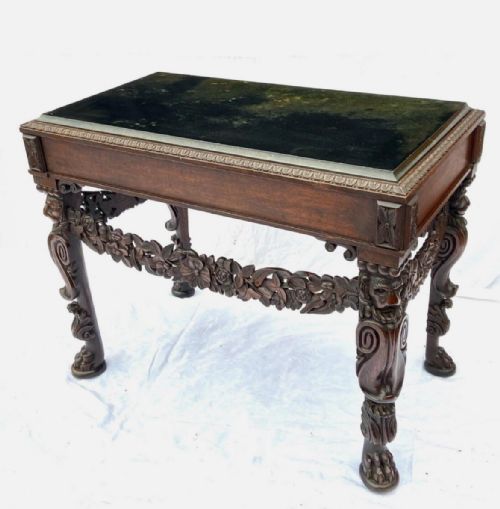

Carved Lion Paw Feet
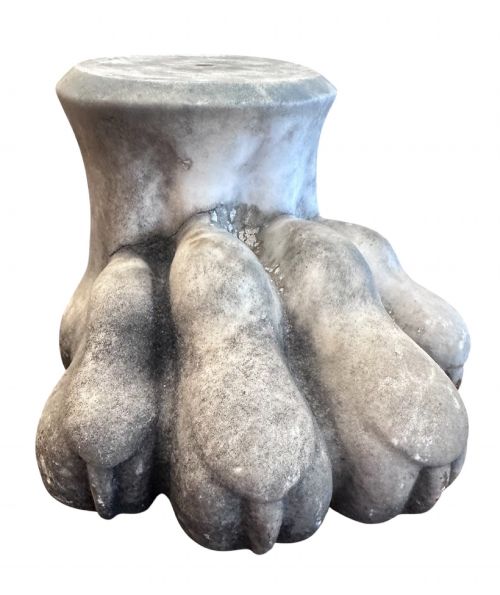
Carved lion paw feet anchor grand seating, tables and wine coolers with sculptural weight.
Carved Lion Paw Feet
When you search for carved lion paw feet, you are looking at substantial furniture terminals that support tables, seating, storage cabinets and wine coolers. These motifs derive from classical antiquity and reappear strongly through the eighteenth and nineteenth centuries.
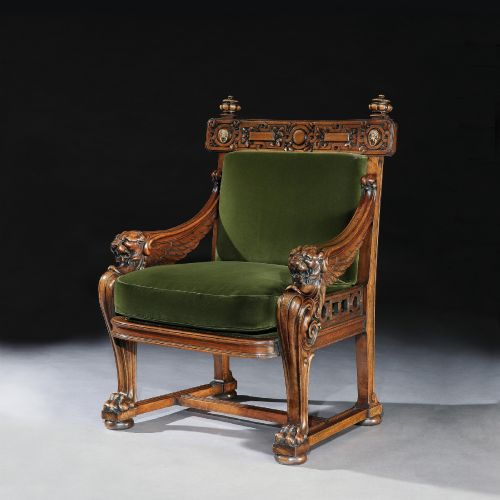
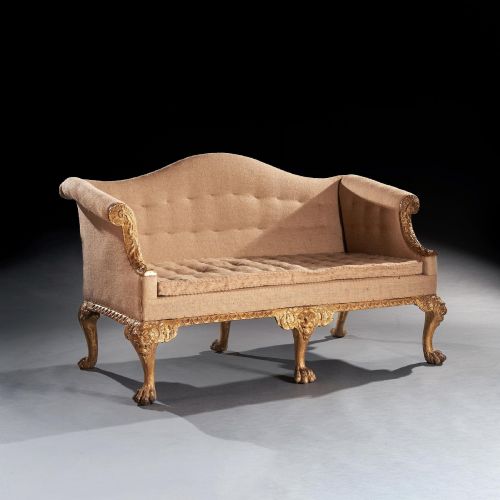
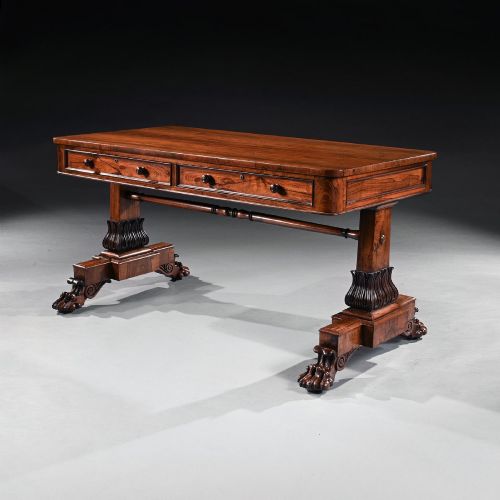
On this page, you are most likely to meet mahogany library tables, Regency sarcophagus wine coolers, and various chairs and sofas resting upon these carved terminals. The pieces span periods from the eighteenth century through the Victorian era and into the early twentieth century.
The form appears on diverse objects including console tables, chests of drawers and commodes. Makers across these decades utilised the motif to give architectural presence to heavy items of furniture.
How they were made
Makers carved these robust feet directly from solid timber such as mahogany, oak, walnut and giltwood. Woodcarvers shaped the sinews, claws and fur of the paw to create a convincing three-dimensional animal form.
Some pieces combine carved timber elements with brass mounts, marble tops or textile upholstery such as velvet and damask. The structural framework often relies on dense mahogany or oak to bear the weight of large case pieces and seating.
Carved Lion Paw Feet Retail Price Guide 2026
Typical asking prices for carved lion paw feet among the pieces listed under this phrase on Sellingantiques today, from the lower quarter to the upper quarter. They describe what is for sale here now, not the wider market.
Several pieces combine fierce winged griffins and gargoyles with domestic lion paws to hold up everyday tables and country house post boxes.
What varies in quality
The distinction between tiers rests upon the depth and animation of the carving itself. Superior examples display sharply defined claws, realistic fur texture and powerful anatomical proportion, whereas lesser versions remain blocky and flat.
Material selection also defines the tier, with figured flame mahogany, rich giltwood and substantial solid walnut or oak elevating the piece. The integration of the foot with the leg or base shows whether the carver treated the terminal as an organic continuation or an afterthought.
Thomas Hope·Giles Grendey·Gillows·George Smith
The Carved Lion Paw Feet Glossary
- Monopodia
- A furniture support consisting of a single carved leg terminating in an animal paw or head. This classical form often appears on Regency library furniture and armchairs.
- Cellarette
- A lockable container used for holding bottles of wine or spirits near the dining table. They frequently stand on carved lion paw feet.
- Sarcophagus
- A monumental chest form with a sloping lid, popular during the Regency period for wine coolers. These heavy pieces regularly feature carved paw supports.
- Giltwood
- Timber that has been coated with a thin layer of gold leaf. This finish appears on eighteenth-century and Regency sofas and tables with carved paw feet.
- Curule
- A type of ancient Roman magistrate chair design featuring cross-framing legs. Nineteenth-century interpretations occasionally incorporate paw terminals.
Carved Lion Paw Feet: Frequently Asked Questions
What periods feature carved lion paw feet?
These carved supports appear across eighteenth-century designs, Regency furniture, and nineteenth-century revival pieces. The motif resurfaces during specific periods when neoclassical and Gothic revivals gain popularity.
Craftsmen adapted the classical paw foot to suit changing furniture fashions over several hundred years.
Which furniture types have these feet?
You find these carved terminals beneath large wine coolers, cellarettes, centre tables, and library tables. They also support armchairs, sofas, console tables, and heavy chests of drawers.
Their substantial appearance suits items designed to anchor a formal room or library.
How do I care for wooden paw feet?
Keep the carved timber clean using a soft, dry cloth to remove dust from the crevices of the claws and fur. Avoid applying modern liquid polishes that build up in the carved details.
Protect the finish by maintaining stable room humidity away from direct heat sources.
Are these pieces from the Regency period?
Many examples on this page date from the Regency era, reflecting a strong taste for classical antiquity. Cabinet makers drew inspiration from Roman forms during the early nineteenth century.
Other pieces originate in the eighteenth century or later Victorian and Edwardian revival periods.