



Carved Leaf Gilt Mirror
When you search for a carved leaf gilt mirror, you enter a world of reflective surfaces framed in gilded wood and moulded ornament.
Carved Leaf Gilt Mirror
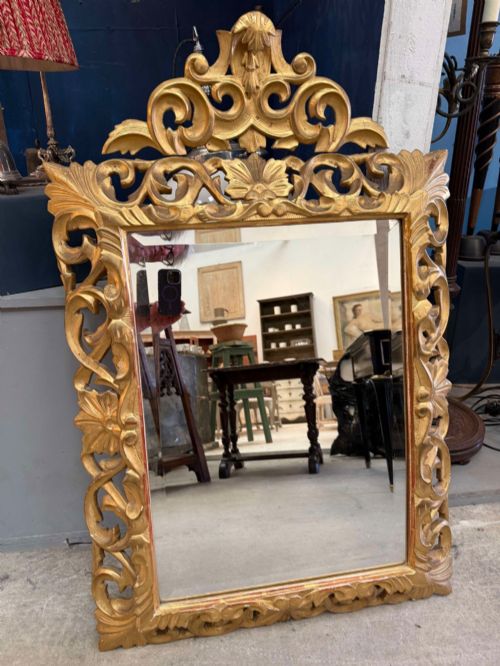
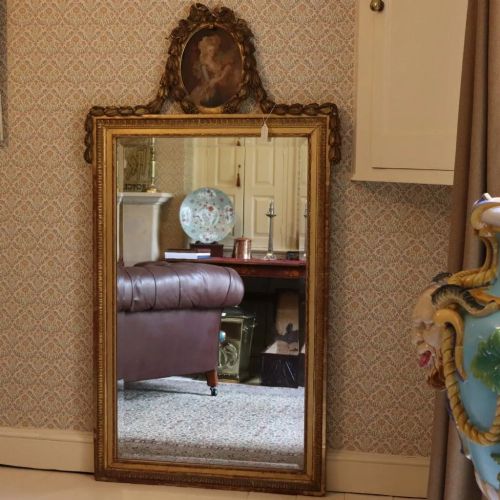
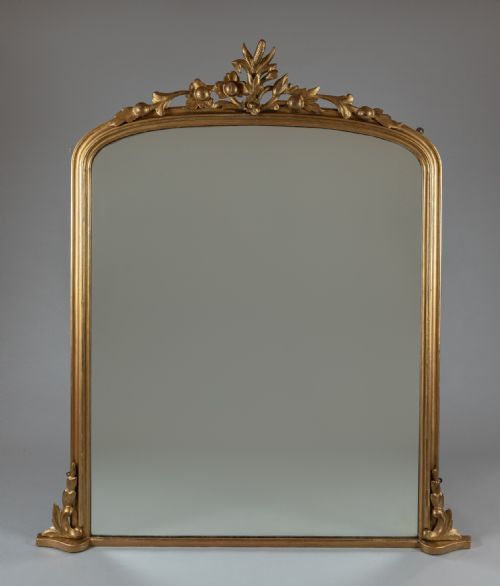
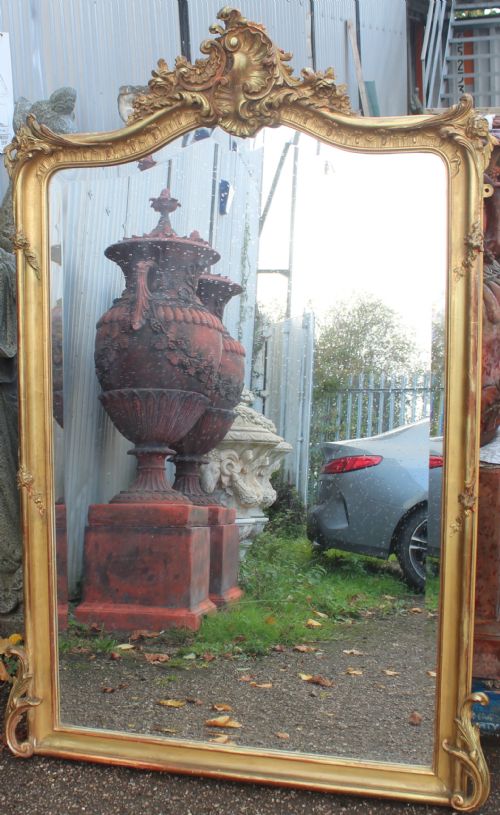
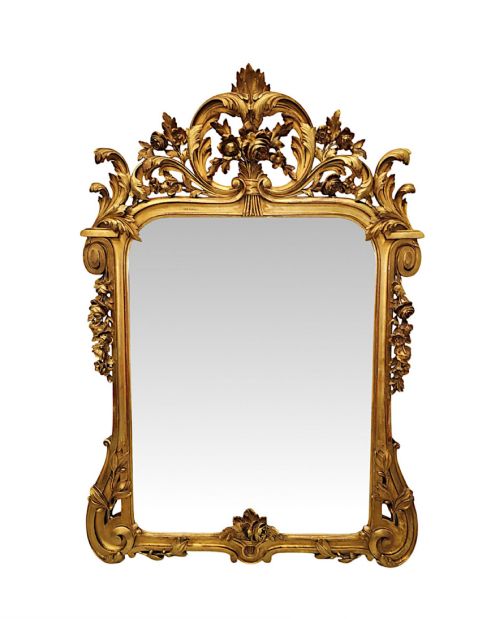
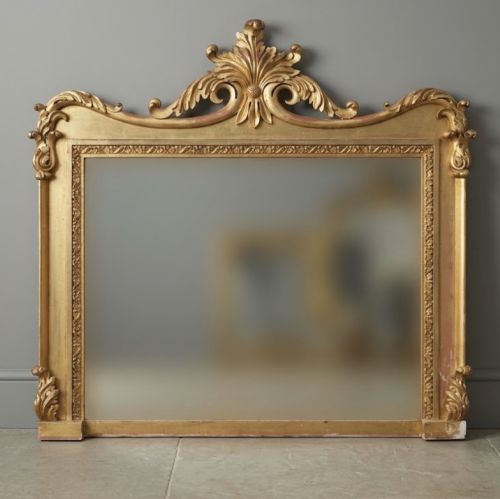
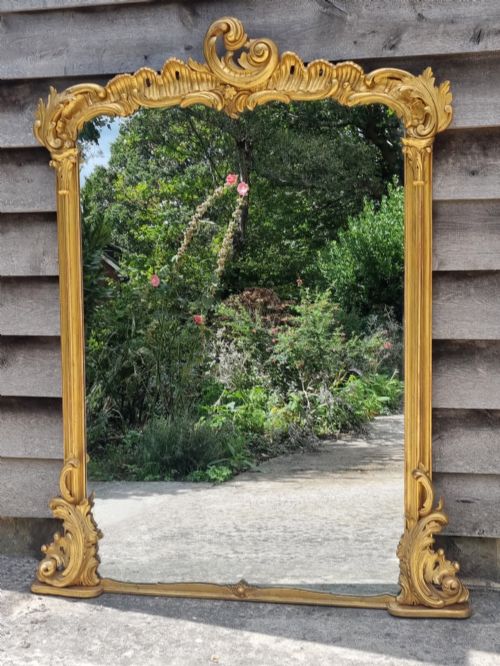
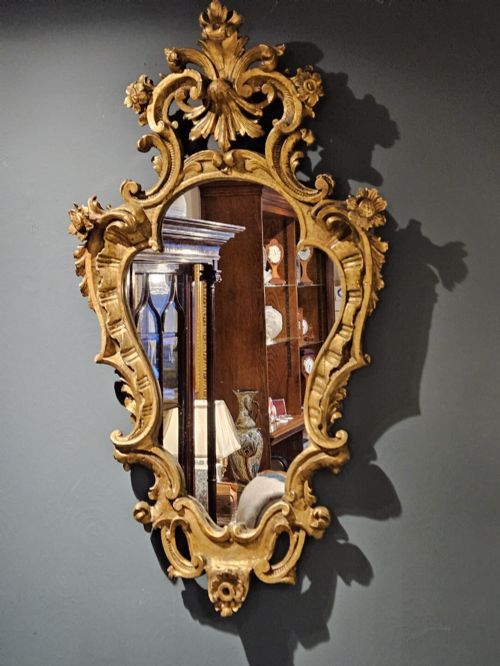
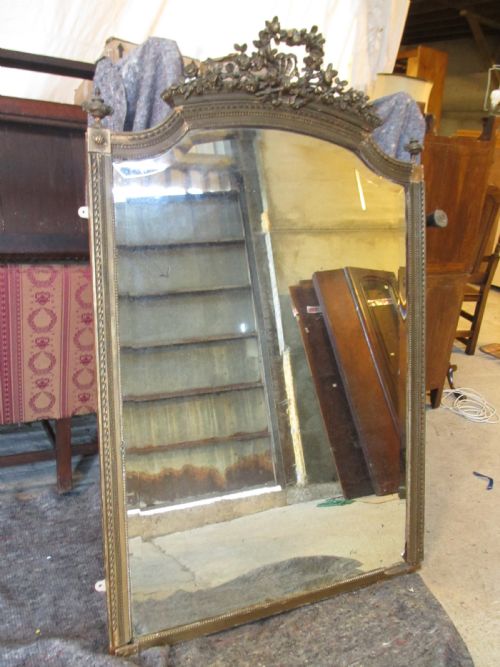
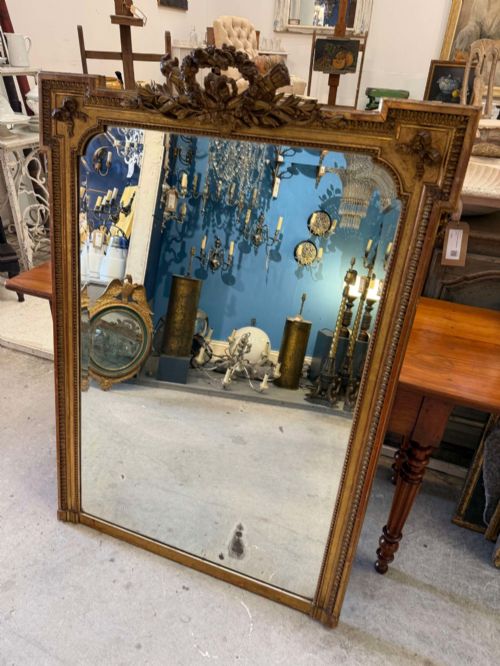
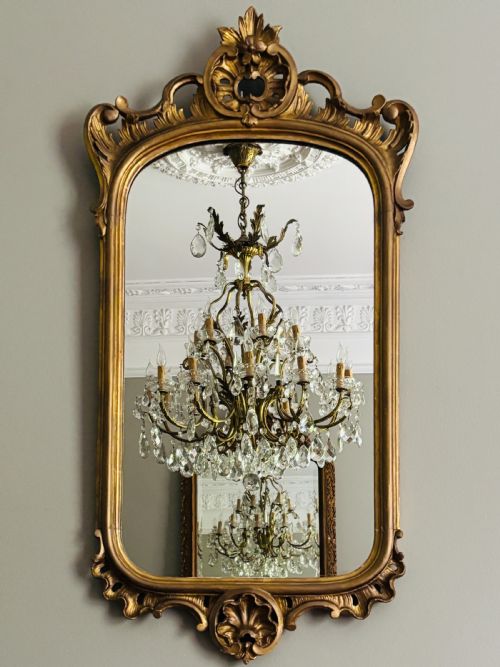
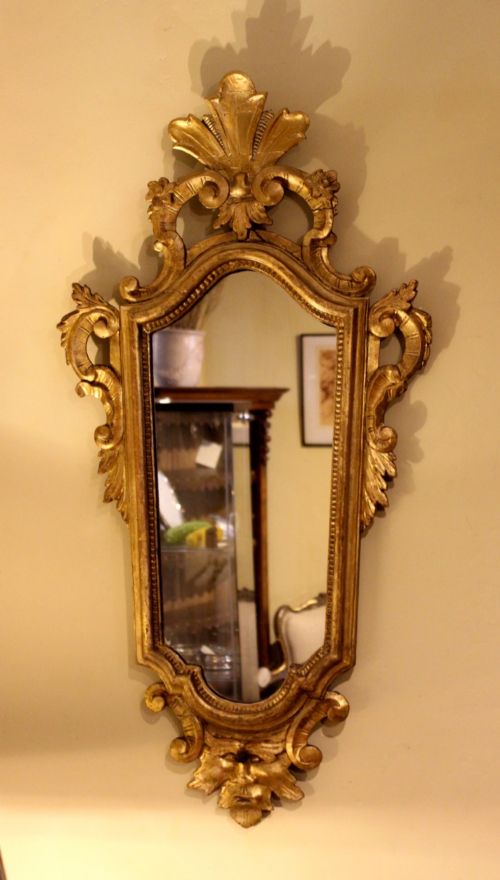
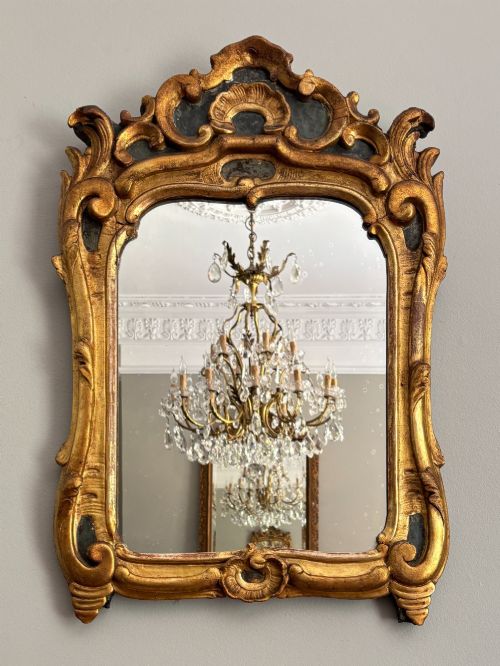
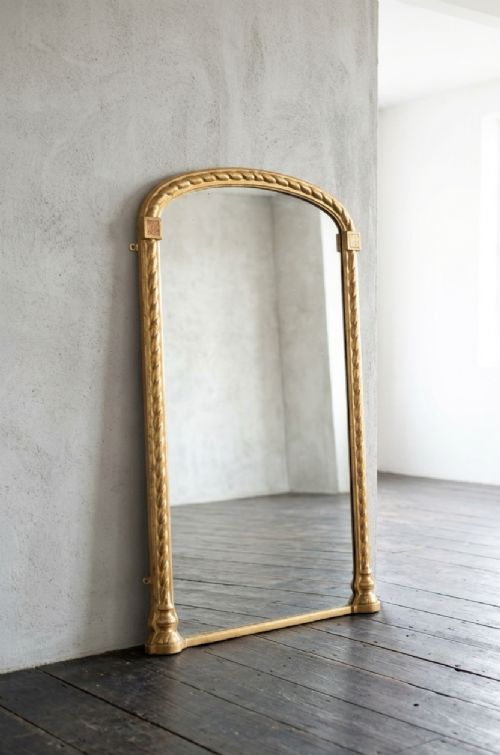
A carved leaf gilt mirror combines reflective glass with timber frames finished in gold leaf or metallic paint, often featuring foliage motifs such as laurel, acanthus or rose vines. Buyers encounter wall mirrors, tall pier glasses and wide overmantel pieces designed to hang above mantelpieces or between windows.
The selection draws heavily from the nineteenth century, including Regency, Victorian and Napoleon III periods, alongside earlier eighteenth-century examples and revival styles like Rococo and Louis Philippe. French and English workshops dominate the records, ranging from monumental room-scale statements down to domestic oval wall formats.
Many items employ a wooden base covered in gesso before gilding, while others show exposed timber such as mahogany or walnut with parcel-gilt details. The foliage carvings run from restrained linear leaf borders to high-relief sculptural decoration on arched, shaped or rectangular plates.
How they were made
Carvers shaped solid timber foundations from woods such as pine, walnut or mahogany, establishing the structural frame and the underlying contours for ornament. Artisans then applied layers of gesso - a mixture of chalk and binder - directly onto the wood to build up crisp surfaces suitable for intricate leaf carving and moulding.
Gilders applied thin sheets of gold leaf over the prepared gesso ground, frequently burnishing portions to create contrast against matte areas. Certain pieces utilised painted wood or composition ornament moulded in sections and fixed to the frame alongside hand-carved elements.
Carved Leaf Gilt Mirror Retail Price Guide 2026
Typical asking prices for carved leaf gilt mirror among the pieces listed under this phrase on Sellingantiques today, from the lower quarter to the upper quarter. They describe what is for sale here now, not the wider market.
Several mirrors harbour secret Masonic symbols or nautical rope twists tucked discreetly beneath their gilded leaves.
What varies in quality
Quality rests in the depth and crispness of the hand-carved foliage and the subtlety of the gesso work beneath the gilding. Pierced, high-relief laurel and acanthus leaves show the hand of a skilled carver, whereas moulded composition ornament appears more repetitive and uniform across mass-produced frames.
The integrity of the original mirror plate matters greatly, whether original mercury glass with foxed spots or clean antique plate. Heavier timber construction, well-joined mitres and retained original gilding without excessive overpainting distinguish the finer survivals in this category.
The Carved Leaf Gilt Mirror Glossary
- Gesso
- A fine plaster mixture applied to wooden frames as a smooth base for subsequent gilding or painting. It allows carvers to achieve sharp detail in leaf and floral motifs.
- Giltwood
- Timber that has been covered with gold leaf or metal leaf. This surface treatment gives mirrors their characteristic reflective metallic sheen.
- Overmantel
- A large horizontal mirror designed specifically to hang above a fireplace mantel. These pieces often anchor the proportions of a reception room.
- Pier glass
- A tall mirror intended to hang on the narrow wall space between two windows. They frequently feature candle sconces or matched console tables below.
- Foxing
- Age-related spots and discoloration within the silver backing of older mirror glass. This natural oxidation indicates genuine antique plate.
- Parcel-gilt
- A decorative finish where only specific carved details or portions of a wooden object are gilded, leaving the natural grain of woods like walnut or mahogany visible elsewhere.
Carved Leaf Gilt Mirror: Frequently Asked Questions
Where should I hang a large overmantel mirror?
These wide mirrors sit naturally above a fireplace mantel to reflect light and anchor the proportions of the room. They also function effectively on principal living room walls where their scale can dominate the space.
Ensure the wall construction supports the substantial weight of timber, gesso and glass frames. Secure fixings into structural studs or masonry rather than plaster alone.
How do I care for antique gilt surfaces?
Dust the carved leaf details gently using a dry, soft brush or a clean feather duster. Avoid commercial chemical cleaners and excess moisture, which can lift fragile gesso and gold leaf.
Keep gilded pieces away from direct sunlight and damp environments to prevent the wooden substrate from warping or the metallic finish from tarnishing further.
What is the difference between original and replacement mirror plates?
Original plates often display characteristic foxing, minor imperfections and subtle distortions in the glass due to historic manufacturing methods. Replacement glass appears uniform, bright and entirely clear by comparison.
Collectors generally value original mercury or early silvered plates for historical authenticity, though clean replacement glass offers a clearer reflection for daily use.
How can I tell a nineteenth-century frame from an earlier one?
Eighteenth-century mirrors frequently employ softer woods with deep, hand-carved gesso details and distinct construction joints specific to that era. Nineteenth-century revival pieces often incorporate machine-moulded composition ornament alongside carved elements.
Examine the backboards, fixings and tool marks behind the frame to understand the manufacturing techniques and timber ageing appropriate to each period.