



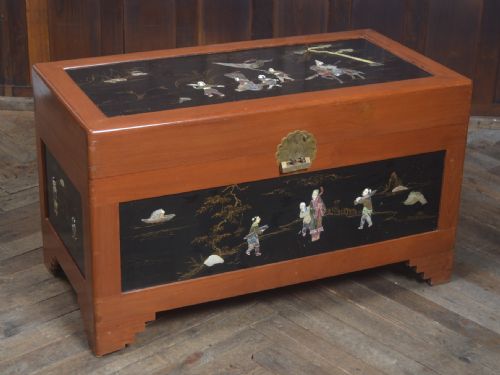


Carved Lacquer Box
These carved lacquer box examples bring tactile depth to a room through layers of hardened tree sap worked by hand.
Carved Lacquer Box
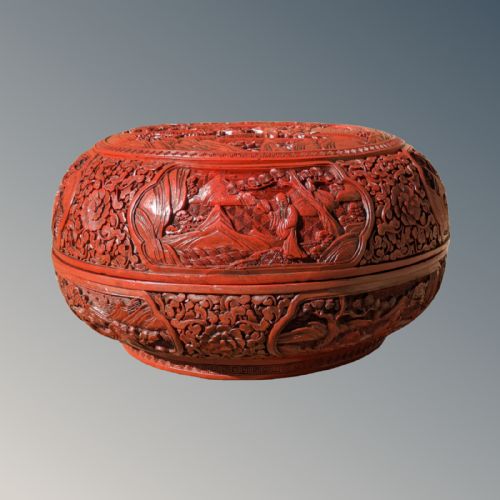
A carved lacquer box is a lidded container shaped from wood or base materials and coated repeatedly with natural plant resin before being incised with intricate patterns. Buyers searching for a carved lacquer box encounter pieces originating primarily from Chinese workshops during the Qing Dynasty and Japanese Meiji period.
The assortment on this page spans smaller lidded trinket vessels and larger ceremonial wedding containers rather than uniform production items. These vessels served practical storage roles for valuables, textiles, or personal documents while displaying detailed craftsmanship.
How they were made
Artisans built these pieces using wood bases such as elm, camphor wood, or general timber before applying successive coats of liquid lacquer. Cinnabar lacquer required building up numerous red layers to allow deep carving into the hardened surface.
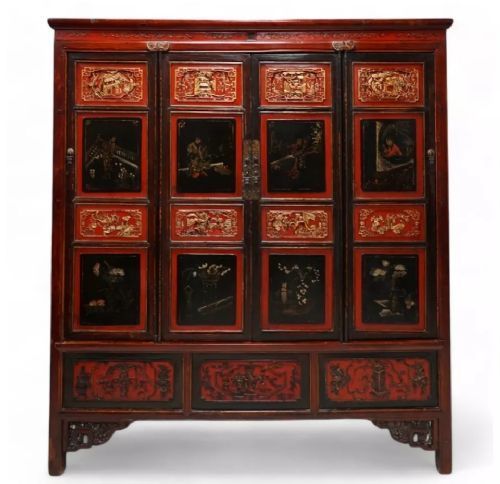
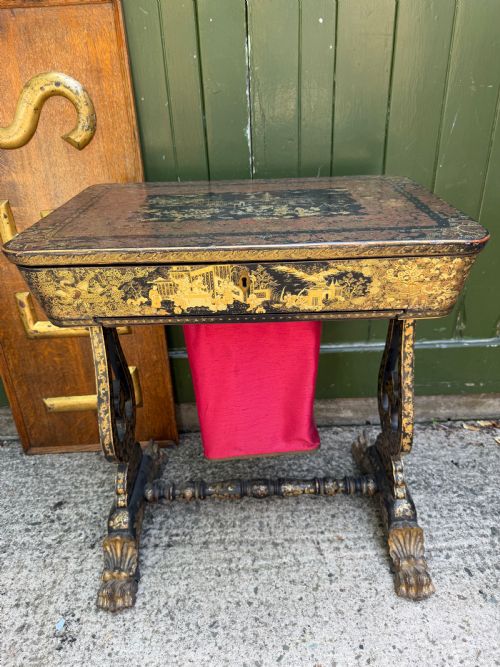
Makers occasionally combined the lacquered technique with gilt decoration, brass fittings, or enamel accents to contrast against the carved red and black surfaces. Each dried layer demanded patient application and precise timing before the final carving took place.
Some lidded boxes weigh over three kilograms, proving that keeping secrets secure in the nineteenth century was heavy work.
What varies in quality
Quality depends on the depth and crispness of the carved motifs, where sharper relief and balanced composition separate superior pieces from simpler work. The thickness of the lacquer layers dictates how deeply the artisan could carve without compromising the structural integrity.
Condition of the delicate resin surface alters the overall merit, as older pieces naturally show wear on high points and corners. The complexity of the background patterns and the stability of the underlying wood substrate further distinguish finer examples.
The Carved Lacquer Box Glossary
- Cinnabar lacquer
- A red material made by mixing mercuric sulphide into tree sap, applied in thick layers for deep carving. This technique defines many traditional Chinese decorative vessels.
- Tsuikoku
- A Japanese term for carved black lacquer work. It appears on smaller items such as inro where dark tones highlight landscape scenes.
- Inro
- A traditional Japanese multi-tiered case hung from a sash. These small containers often feature meticulous exterior carving.
- Qing Dynasty
- The imperial dynasty of China spanning from the mid-seventeenth to the early twentieth century. Many carved lidded containers date from this extended era.
Carved Lacquer Box: Frequently Asked Questions
What were carved lacquer boxes used for?
These containers held personal valuables, documents, or specialised items depending on their physical scale and depth. Smaller trinket vessels sat on tables while larger wedding boxes transported ceremonial goods.
Over generations, owners utilised them to protect delicate possessions from moisture and dust within traditional interiors. Their decorative presence meant they remained visible in reception rooms rather than hidden away.
How do you clean a carved lacquer box?
Maintenance requires only a soft, dry cloth to remove dust gently from the recessed carved channels. Moisture and chemical cleaners damage the historic resin surface and must be avoided entirely.
Keeping the piece away from direct sunlight and extreme humidity prevents the underlying wood and lacquer from contracting or cracking. Gentle handling preserves the integrity of the original carved edges.
How can you tell Chinese from Japanese lacquer?
Chinese pieces often utilise deep red cinnabar lacquer with dense floral or imperial motifs carved into thick layers. Japanese items from periods like the Meiji era frequently employ distinct colour combinations or specific forms like the inro.
Examining the carving style and the nature of the background diaper patterns helps clarify the regional origin of the workshop. Material choices for the core base also provide clues to the geographic source.
Are these boxes fragile?
The hardened tree sap surface is durable under normal conditions but can chip or crack if subjected to sharp impacts. Older lacquer remains sensitive to sudden temperature shifts and dry environments.
Placement on stable surfaces away from high traffic areas protects corners and protruding relief work from accidental damage. Careful placement ensures the longevity of the historic material.