





Oriental Carved Lacquer Box
An oriental carved lacquer box brings dense, tactile depth and rich red or dark tones into any room.
Oriental Carved Lacquer Box
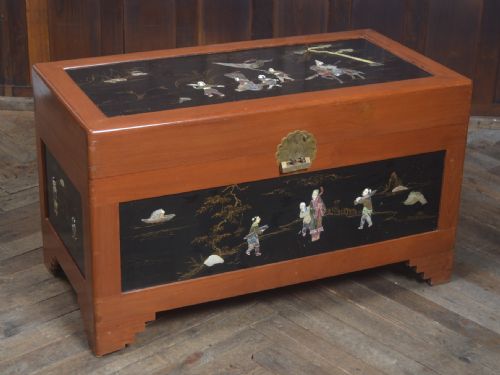
When you search for an oriental carved lacquer box, you encounter pieces originating primarily from Chinese and Indian traditions, spanning from the eighteenth century into the early twentieth century. These vessels range from small lidded trinket boxes to larger wedding and storage boxes made from woods like elm and camphor wood.
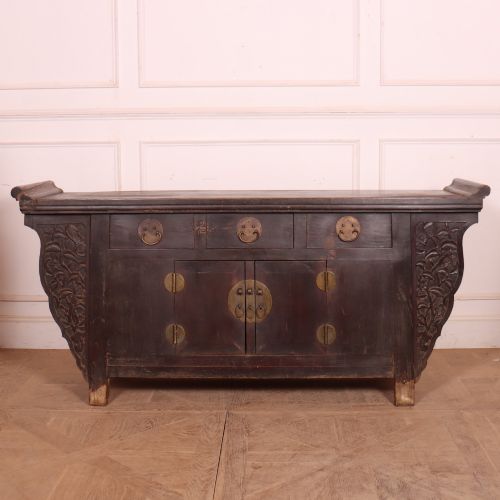
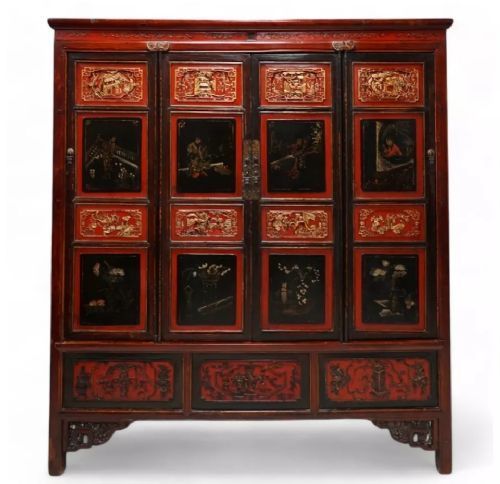
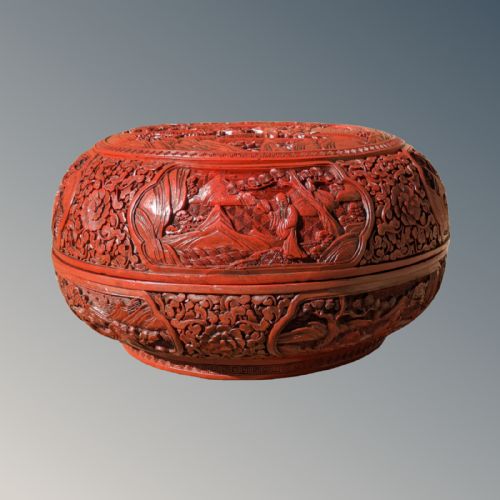
The version most commonly met on this page is the cinnabar lacquer box, often carved deeply with traditional Chinese motifs and dating from the nineteenth century or the Qing dynasty. Alongside these, buyers find related table cabinets and trunks bearing channelling and gilt details.
How they were made
These items rely on a wooden core, constructed from timbers such as camphor wood or elm, which serves as the stable base for layers of liquid sap applied over weeks. Artisans build up significant depth in the coating before carving intricate designs directly into the hardened surface.
Cinnabar lacquer incorporates mercuric sulphide to achieve its signature red hue, allowing carvers to slice away precise angles to expose the layered strata beneath. Brass hardware and gilt accents frequently complement the lacquered panels on cabinets and boxes.
Listings feature items from the eighteenth, nineteenth, and early twentieth centuries, constructed from lacquer, elm, camphor wood, and brass.
What varies in quality
The depth and crispness of the carved surface separate standard containers from exceptional examples. Deeper carving requires thicker layers of lacquer and superior manual control, creating sharper relief in floral and figural scenes.
The stability of the underlying wooden carcass and the preservation of the lacquer skin dictate the overall integrity of the piece. Smooth operation of lids and drawers on cabinets also marks the standard of the maker's workshop.
The Oriental Carved Lacquer Box Glossary
- Cinnabar Lacquer
- A type of carved lacquer coloured with red mercuric sulphide. It allows artisans to carve deep sculptural details into the multi-layered red surface.
- Qing Dynasty
- The final imperial dynasty of China, lasting from sixteen forty-four to nineteen twelve. Many decorative objects on this page originate from this extended period.
- Camphor Wood
- An aromatic timber frequently used for trunks and storage boxes in Asian furniture making. Its natural scent helps protect contents from insects.
- Chinoiserie
- A European decorative style reflecting Chinese artistic influences. It appears in several British and Anglo-Indian adaptations on this page.
Oriental Carved Lacquer Box: Frequently Asked Questions
How were these boxes used?
These vessels served to store precious items, documents, textiles, or personal ornaments within affluent households.
Larger variants held wedding gifts or clothing, while smaller lidded boxes kept trinkets and jewellery secure.
How do I care for lacquer?
Keep carved lacquer out of direct sunlight and away from extreme temperature shifts to prevent the surface from drying or cracking.
Dust gently with a dry, soft cloth and avoid chemical polishes or modern cleaning agents.
How are periods identified?
Dating relies on the style of the carving, the choice of timber in the carcass, and the specific tones of the lacquer.
Eighteenth-century pieces typically show deeper, more complex carving layers than those made in the twentieth century.
Where were these made?
Originating primarily in China, these decorative items also stem from regional workshops in India, including Kashmir and Anglo-Indian makers.
Local timber choices, such as elm or camphor wood, often point directly to the geographic workshop.