



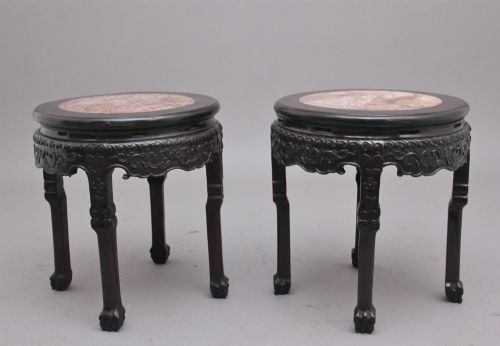


Carved Incense Stand
These carved incense stand pieces bring centuries of sculptural timber and bronze craftsmanship into a room.
Carved Incense Stand
When you search for a carved incense stand, you encounter a specialised form of antique furniture designed to elevate bronze censers and ritual vessels. The pieces listed on this page span from the Ming Dynasty through to the Victorian era and the early twentieth century.
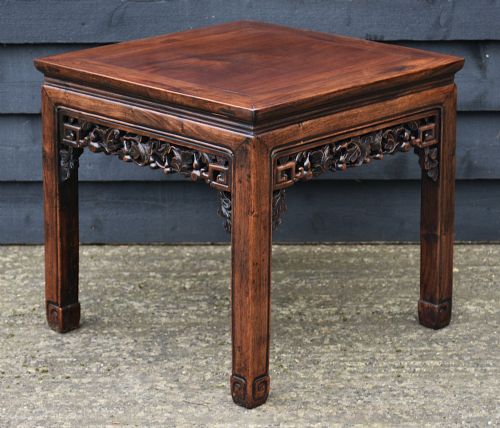
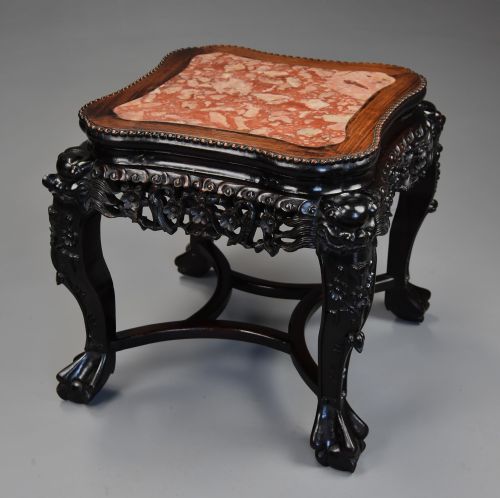
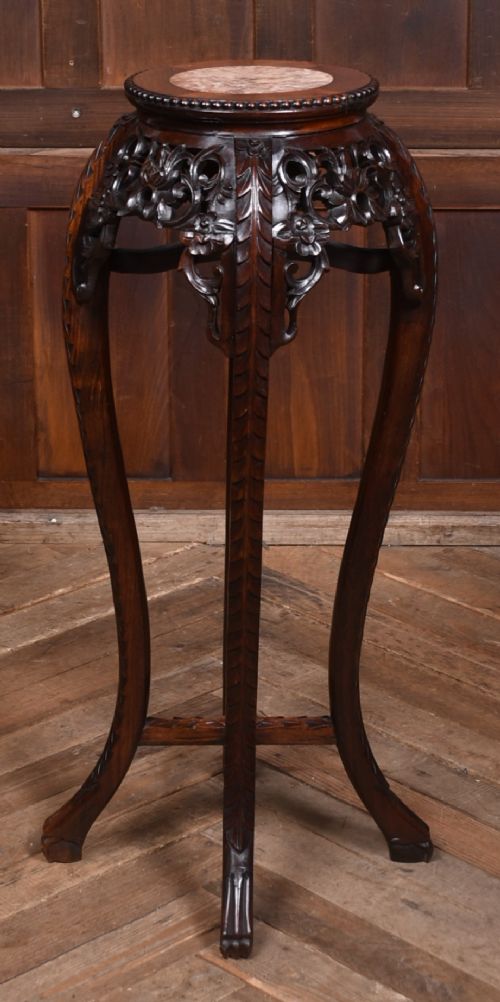
You are most likely to meet Chinese hardwood stands carved from rosewood, huali wood, and zitan, frequently paired with inset marble tops. These low tables, plant stands, and pedestals serve multiple display functions beyond their original ritual purpose.
The forms range from square low tables and dish-top stools to elaborate occasional tables and pedestals. Each piece reflects the aesthetic traditions of the Qing Dynasty and earlier periods of Chinese craftsmanship.
How they were made
The construction relies heavily on dense exotic timbers such as rosewood, huali wood, and zitan wood, chosen for their structural strength and capacity for intricate relief carving. Artisans shaped these heavy hardwoods using traditional joinery methods suited to supporting weight without metal fasteners.
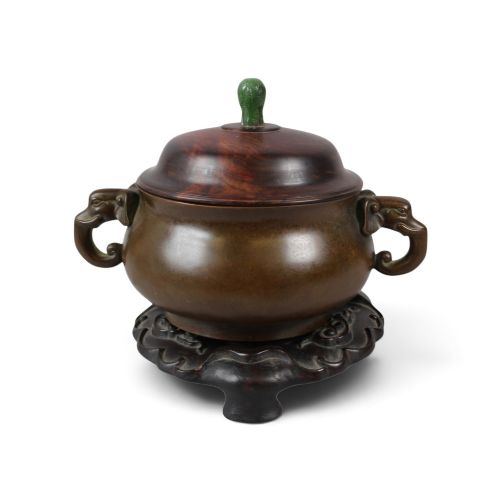
Bronze casting forms the metal component of related ritual objects, featuring refined patination and archaeistic details such as elephant-head handles. Selected pieces incorporate carved jade finials and inset marble panels that provide a contrasting smooth surface to the carved timber frames.
Carved Incense Stand Retail Price Guide 2026
Typical asking prices for carved incense stand among the pieces listed under this phrase on Sellingantiques today, from the lower quarter to the upper quarter. They describe what is for sale here now, not the wider market.
Materials documented across the inventory include rosewood, huali wood, zitan wood, marble, bronze, and jade.
What varies in quality
The distinction between ordinary and superior pieces rests on the crispness and depth of the timber carving. Master carvers achieved three-dimensional relief with undercut foliage and geometric borders that retain sharp definition.
Material selection dictates the upper tier of the range, with dense zitan and figured huali wood commanding greater visual presence than standard hardwood. The integration of unblemished inset marble tops and matching custom stands further elevates the standing of individual pieces.
The Carved Incense Stand Glossary
- Zitan wood
- A dense and heavy timber belonging to the rosewood family, known for its dark purple-black colour and exceptional hardness. It represents the most prestigious material used in traditional Chinese furniture.
- Archaistic
- A stylistic descriptor applied to items designed in the manner of ancient dynasties, often mimicking the forms and motifs of early ritual bronzes. This aesthetic appears on censers and associated stands from various periods.
Carved Incense Stand: Frequently Asked Questions
What is a carved incense stand used for?
These pieces function as elevated platforms designed to display bronze incense burners, ritual vessels, and decorative vases. They place objects at a deliberate height for contemplation within a room.
Over time, collectors have repurposed these stands to support plants, sculptures, and small decorative items on tables and floors.
How do I identify a Qing Dynasty stand?
Qing Dynasty stands often feature specific hardwood timbers such as huali and zitan, combined with deep relief carving and naturalistic motifs. Many incorporate inset marble tops held within joined timber frames.
Examining the underside and joinery reveals traditional construction methods that distinguish these period pieces from later reproductions.
Are bronze censers part of these stands?
Certain listings pair bronze censers with their original carved hardwood stands, while other entries offer the timber stand independently. Bronze components typically feature cast details like elephant-head handles and jade finials.
When found together, the censer and stand share a period aesthetic and proportion designed for mutual complement.
How do I care for antique hardwood furniture?
Antique hardwoods require stable indoor humidity levels to prevent timber movement and cracking in the dry months. Gentle dusting with a soft cloth preserves the natural patina developed over centuries.
Avoid placing these tables in direct sunlight or near heat sources to protect the polished surfaces and inset marble panels.