
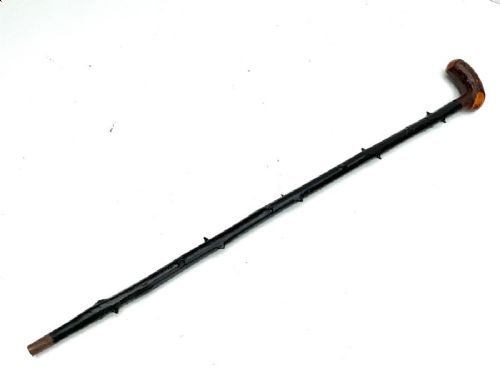


Carved Handle Sword Cane
These carved handle sword cane pieces conceal a steel blade within timber shafts, offering discretion and period craftsmanship for the discerning collector.
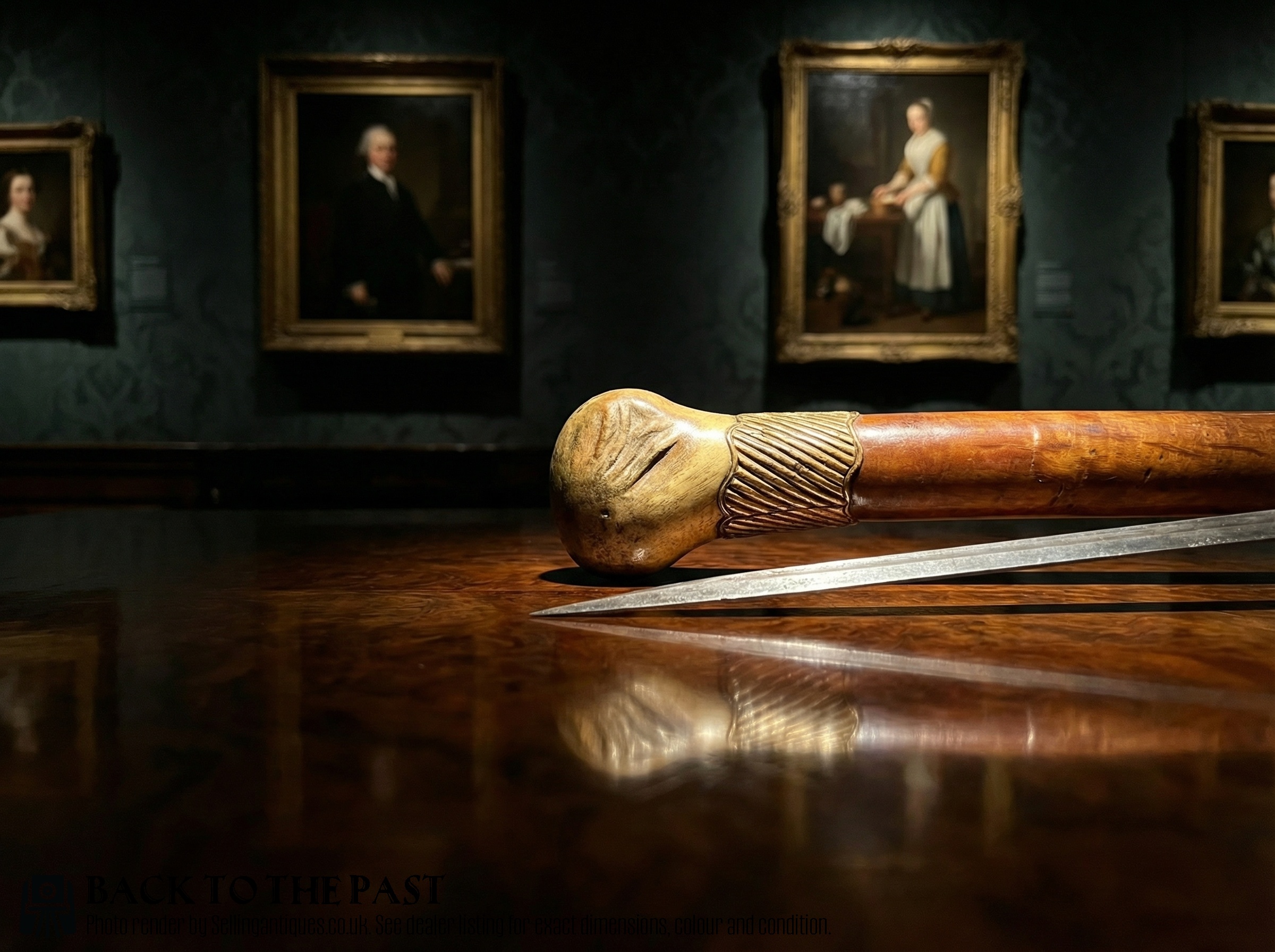
Carved Handle Sword Cane
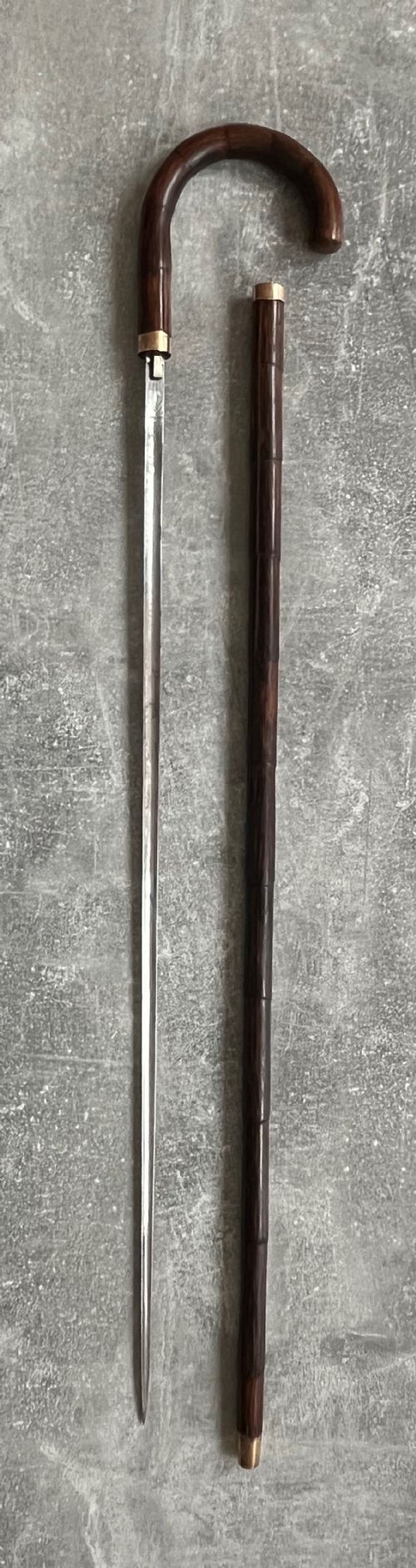
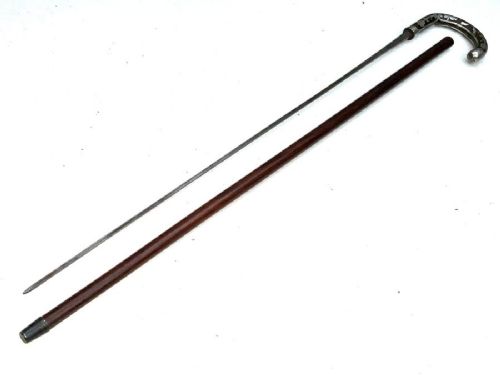
A carved handle sword cane combines a traditional walking stick or walking sticks & canes format with a concealed steel blade, designed for personal protection or gentlemen's fashion. The pieces on this page span the 19th Century, Victorian, Edwardian, and specific years such as 1800, 1870, 1890, 1900, and 1910.
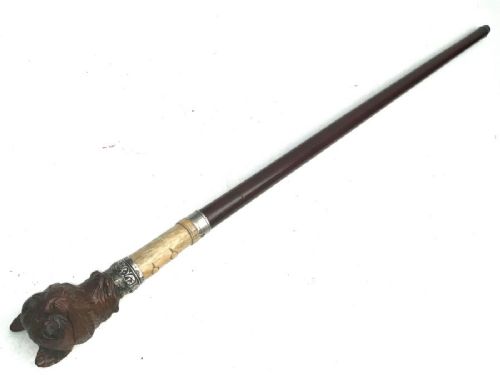
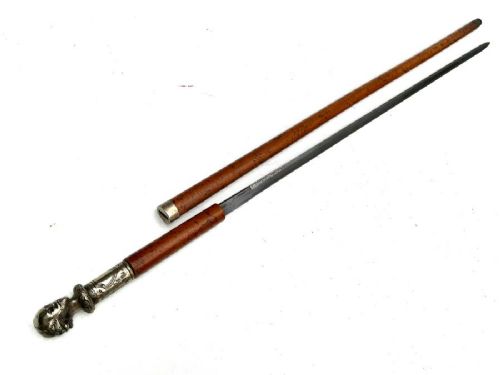
Handles take various forms, including novel designs, root ends, carved details, horses' heads in silver, and traditional Irish blackthorn wood or faux bamboo shafts. Styles represented include Victorian, Edwardian, Imperial German, and Traditional Irish.
Makers and origins include traditional British workshops like Brigg alongside military pieces from Imperial Germany and specialised items like the Listowel Special.
Materials and construction
Shafts and handles employ natural materials such as wood, blackthorn wood, horn, bone, and faux bamboo, paired with metal components and steel blades. Silver and brass provide mounts and detailed handles like the silver horses head.
The integration of the blade requires precise carpentry to hollow the wooden shaft so that the steel sword rests securely within, secured by a friction fit or a locking mechanism.
Listings feature woods such as blackthorn wood, horn, bone, and faux bamboo, paired with steel and silver.
Assessing quality in carved handle sword canes
Quality rests in the fidelity of the carving on the handle and the material chosen, whether polished bone, horn, silver, or root wood. Faux bamboo and plain wooden shafts show varying degrees of joinery skill.
The steel blade itself dictates the functional pedigree of the piece, with Toledo blades and military-issued examples from Imperial Germany indicating higher standards of manufacture compared to generic civilian variants.
BRIGG
The Carved Handle Sword Cane Glossary
- Sword cane
- A walking stick that conceals a metal blade inside its shaft. It functions primarily as a walking aid while housing a hidden weapon.
- Toledo blade
- A steel blade forged in Toledo, Spain, renowned historically for its flexibility and temper. Such blades appear in high-grade 19th Century walking sticks.
- Faux bamboo
- A wooden shaft carved and painted to imitate real bamboo. This decorative technique was popular during the Victorian and Edwardian periods.
Carved Handle Sword Cane: Frequently Asked Questions
What is a carved handle sword cane?
A carved handle sword cane is a walking stick fitted with an ornamental grip that conceals a functional steel blade within the wooden shaft.
These items were popular among gentlemen during the nineteenth and early twentieth centuries for fashion and self-defence.
How do you release the blade?
Most examples rely on a friction fit where the handle pulls straight out from the shaft, while others utilise a small release button or twist mechanism.
Owners should handle historical mechanisms with care to preserve the original internal wooden channels.
Are these legal to own?
Legislation regarding concealed weapons and antique edged items varies significantly by region and local jurisdiction.
Collectors must verify their domestic laws concerning the possession and transport of sword sticks before acquiring them.
How should I date my cane?
Dating relies on stylistic markers, hallmarks on silver mounts, material fashions like faux bamboo, and historical maker marks.
Victorian and Edwardian examples often exhibit distinct carving styles and metal alloys characteristic of their decade of manufacture.