
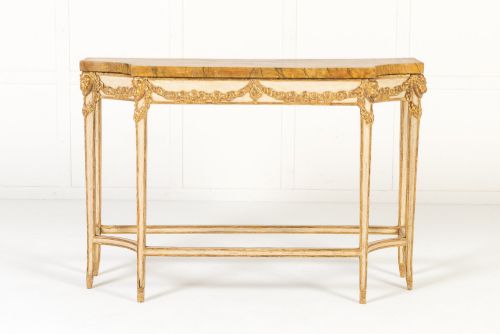
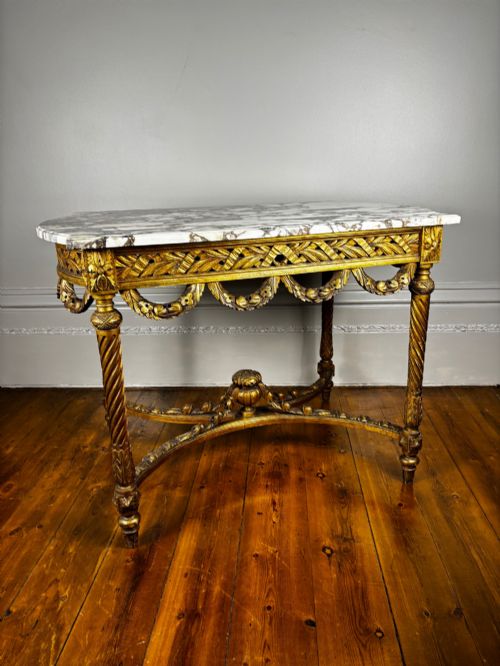
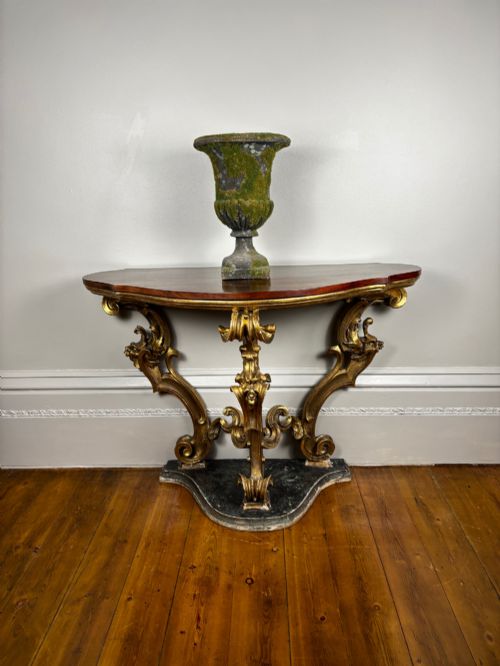
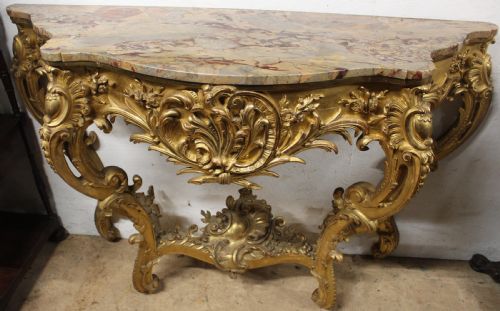

Carved Giltwood Side Table
A carved giltwood side table brings golden warmth and striking architectural form to any interior.
Identifying carved giltwood side tables
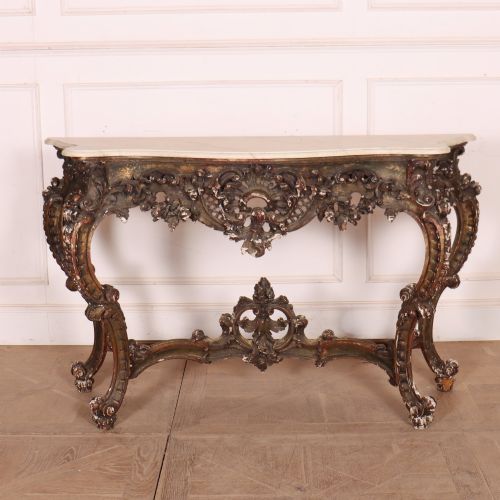
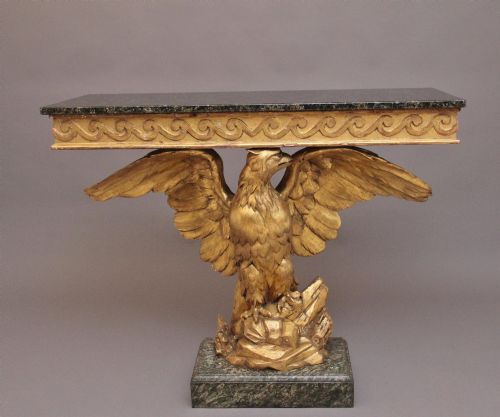
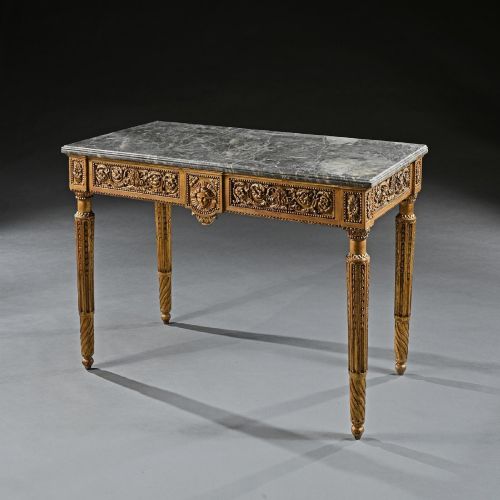
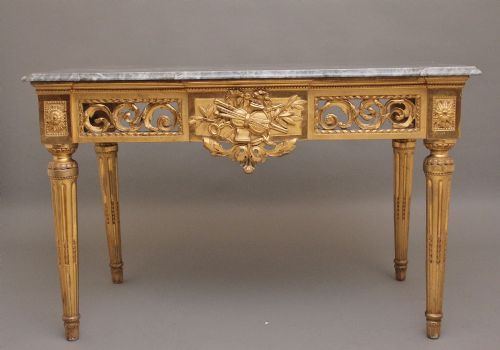
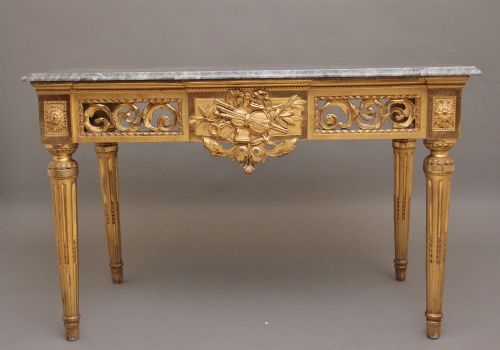
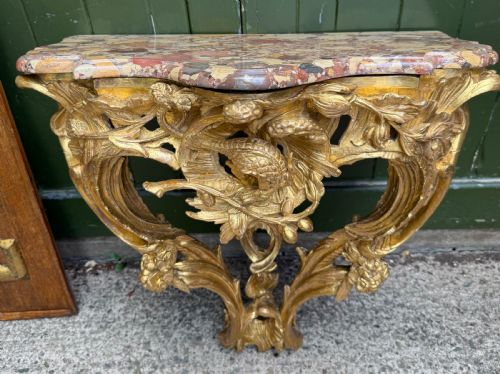
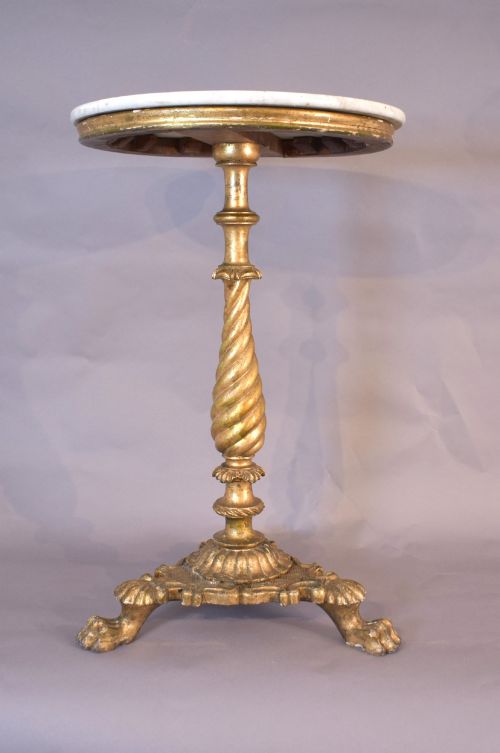
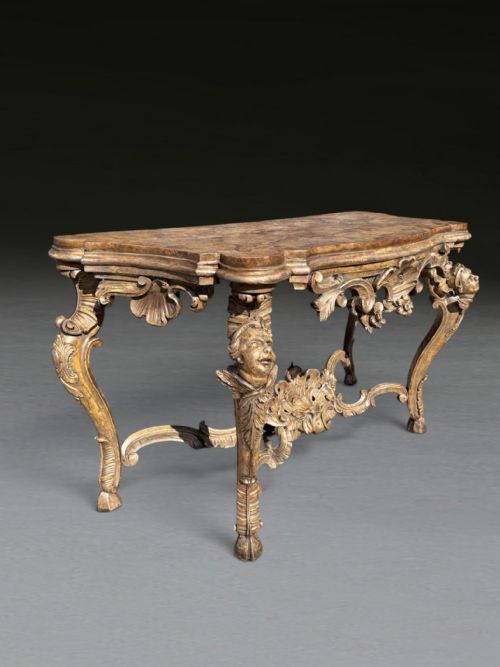
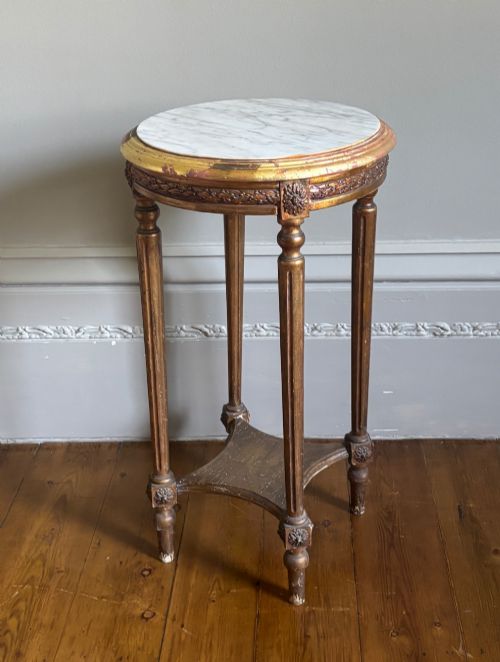
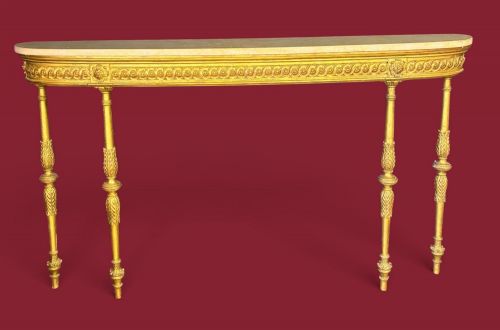
A carved giltwood side table combines gilded wooden frames with substantial surfaces like marble, wood, and glass. These pieces appear in forms such as console tables, occasional tables, coffee tables, and centre tables.
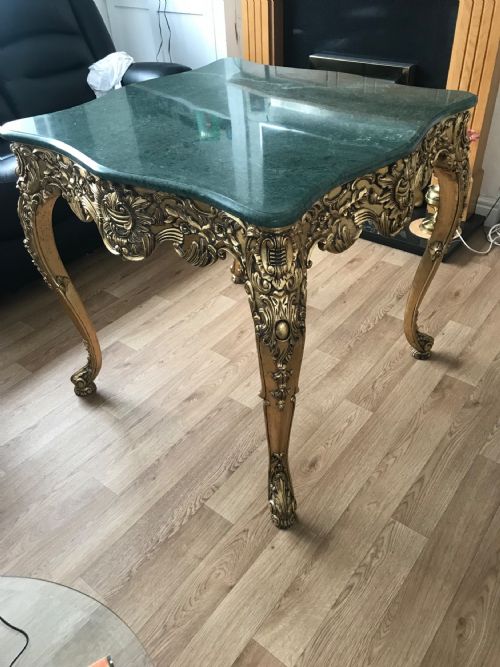
The aesthetic draws heavily on French Rococo Revival, Louis XV Revival, Victorian, Regency, French Neoclassical, Baroque, and Louis XVI styles. Pieces range from substantial Regency proportions to ornate Victorian consoles featuring rams and maiden heads.
Buyers encountering this selection will find items spanning the Regency period, the Victorian era, nineteenth century works, and twentieth century pieces from nineteen-twenty and nineteen-sixty. Console tables dominate the configurations, alongside games tables and low coffee tables.
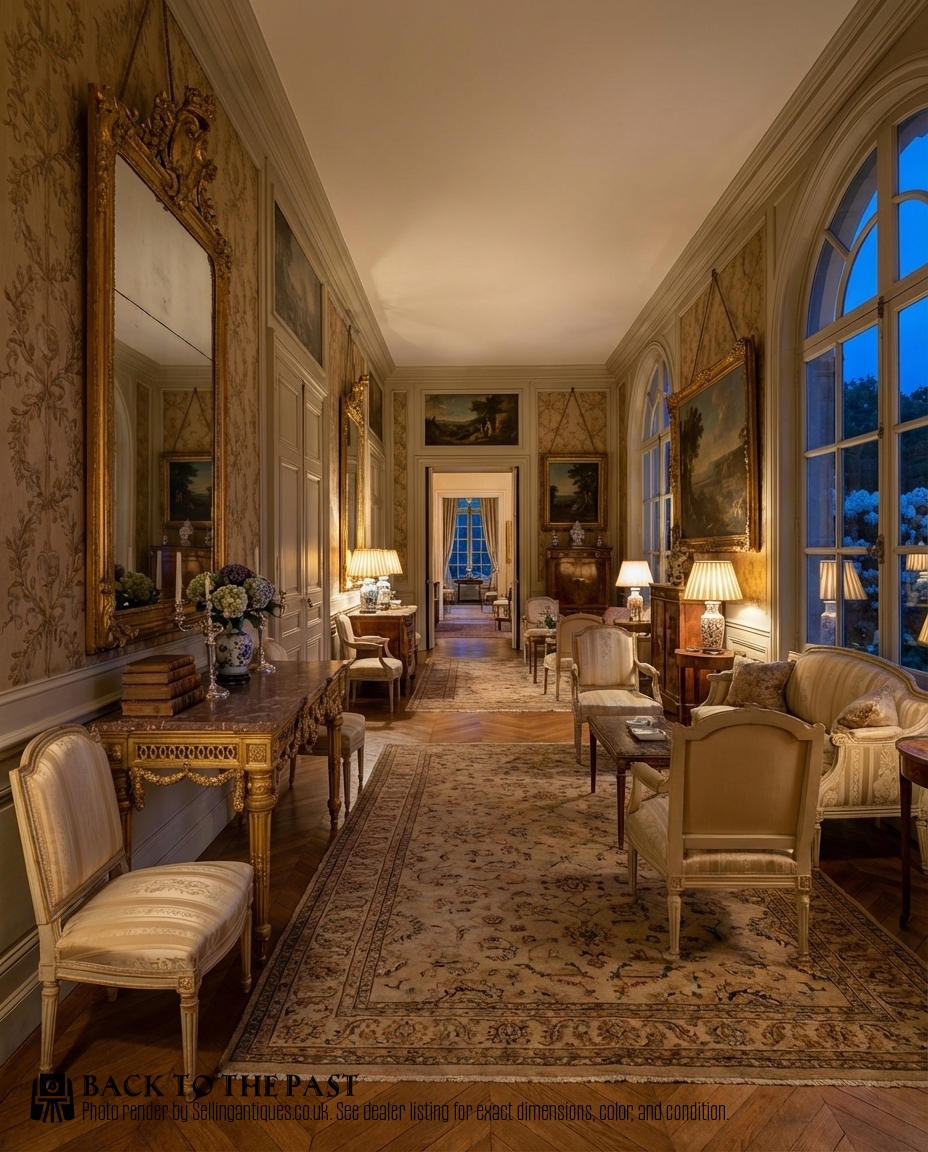
Materials and construction methods
Construction relies on wood, gesso, and painted wood beneath layers of gold leaf or gilt metal, often combined with pollard oak. Artisans applied thin gold leaf over prepared gesso surfaces to achieve the characteristic reflective metallic sheen.
Tops frequently utilise heavy polished marble, solid green marble, or glass, resting upon elaborately carved wooden frameworks. Structural elements showcase detailed hand-carving techniques typical of Baroque and Rococo revival cabinetry.
Retail Price Guide 2026
Typical UK retail prices for carved giltwood side table, calculated from the Sellingantiques database of over a million retail prices indexed since 2003. This retail price guide relies exclusively on Sellingantiques data; no external sources or auction records are used, so the figures do not describe the wider market.
Listings feature pieces spanning the Regency and Victorian eras, alongside twentieth-century items from nineteen-twenty and nineteen-sixty.
Assessing quality and craftsmanship
Quality reveals itself in the depth and crispness of the hand-carving across the giltwood frame, distinguishing skilled sculptural work from softer mechanical detailing. Heavier proportions and substantial materials like solid green marble indicate ambitious commissions.
The preservation of the original gilt surface and the integrity of the underlying gesso layers dictate the visual impact of the piece. Finer examples display meticulous joinery and harmonious stylistic execution, whether adhering to French Neoclassical or Louis XVI design canons.
The Carved Giltwood Side Table Glossary
- Giltwood
- Wood that has been coated with gold leaf or a gold-coloured substance. This finish provides the bright, reflective surface characteristic of these tables.
- Console table
- A table designed to be fixed against a wall, frequently supported by sculptural brackets or legs. These items often feature decorative marble tops.
- Gesso
- A plaster-like mixture applied to wood surfaces to create a smooth base for gilding. It allows carvers to achieve sharp, intricate details before applying gold leaf.
- Pollard oak
- Timber taken from trees that have been pollarded, producing wood with a distinctive clustered grain pattern. This material appears in select Regency examples.
- Rococo Revival
- A nineteenth-century design movement inspired by eighteenth-century French ornamentation. It is characterised by asymmetrical scrollwork, C-scrolls, and naturalistic motifs.
Frequently Asked Questions
Where should I place a console table?
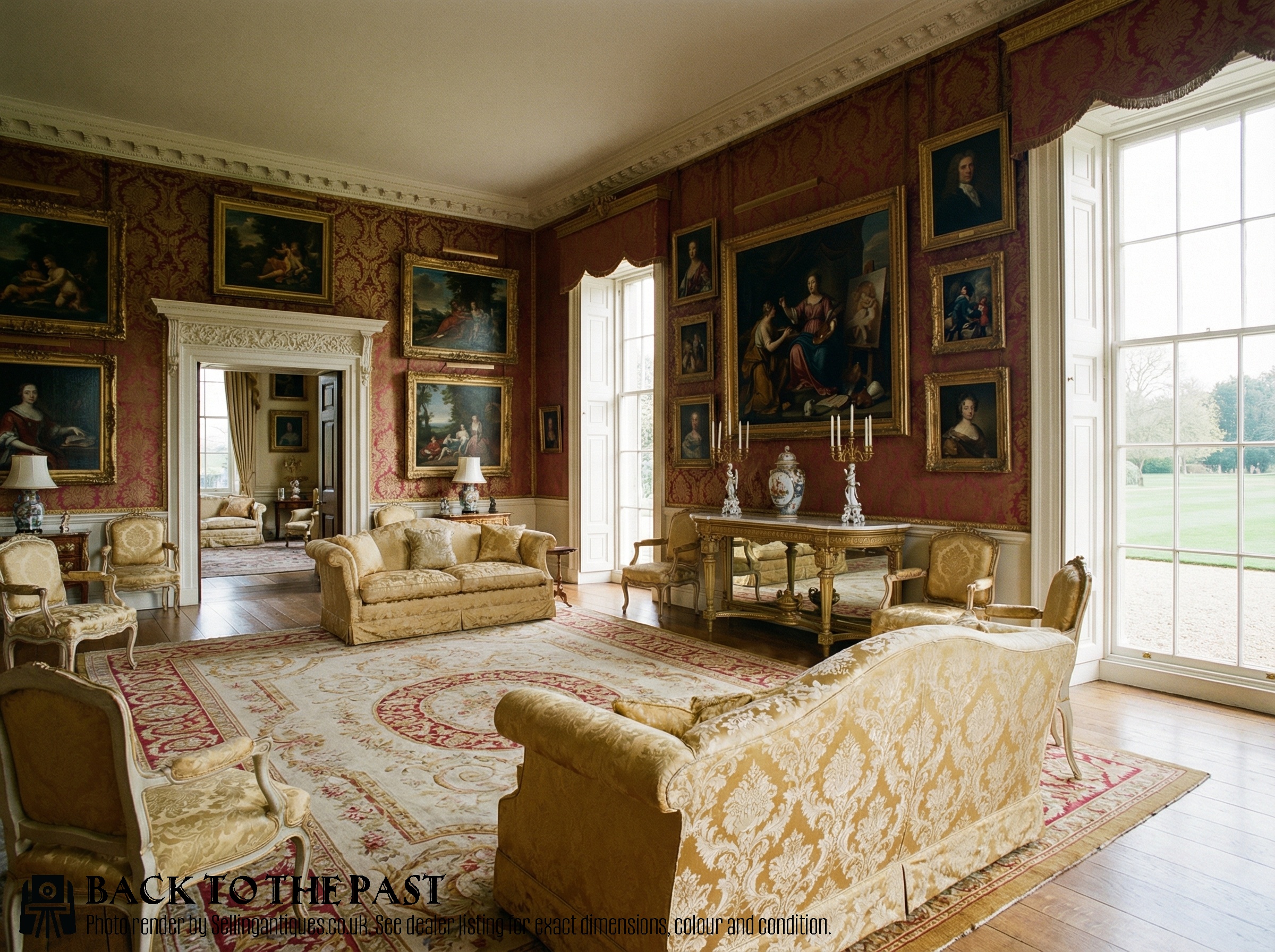
Console tables sit comfortably against walls in entrance halls, living rooms, or dining spaces where floor space is limited. Their shallow depth allows them to function as display surfaces without obstructing pathways.
Pairing a console with a matching mirror or artwork hung above creates a balanced focal point in a formal room.
How do I care for a giltwood surface?
Giltwood requires gentle maintenance to protect the delicate gold leaf layer and underlying gesso. Dusting should be done lightly with a dry, soft cloth without applying cleaning chemicals or water.
Keep these tables away from direct sunlight and heat sources to prevent the wood from expanding and the gesso from cracking.
What is the difference between a console and a centre table?
A console table is built to stand flat against a wall, often featuring finished carving only on the front and sides visible to the room. Its structure relies partly on wall stability or specific bracket supports.
A centre table stands independently in the middle of a space, finished equally on all four sides to be viewed from any angle.
How do I identify Regency style furniture?
Regency furniture draws on classical Greco-Roman motifs, featuring clean architectural lines, dark woods like pollard oak, and restrained use of gilding. Proportions tend to be substantial and structurally rigorous.
Decoration often incorporates restrained classical elements rather than the exuberant curves found in later Rococo revival pieces.