
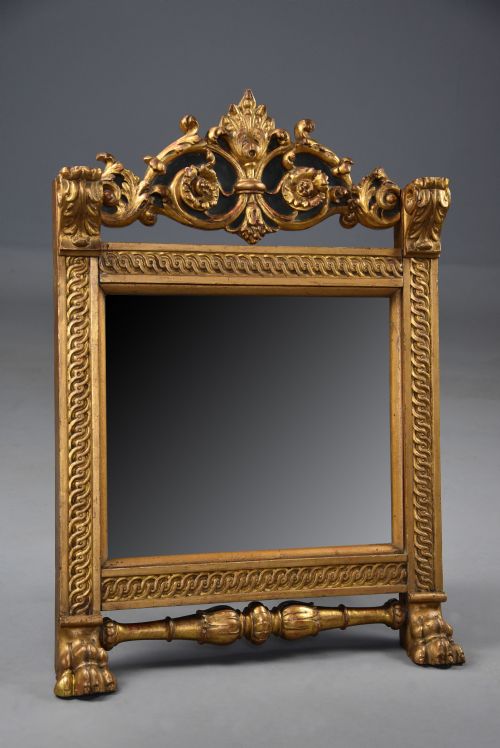


Carved Giltwood Dressing Mirror
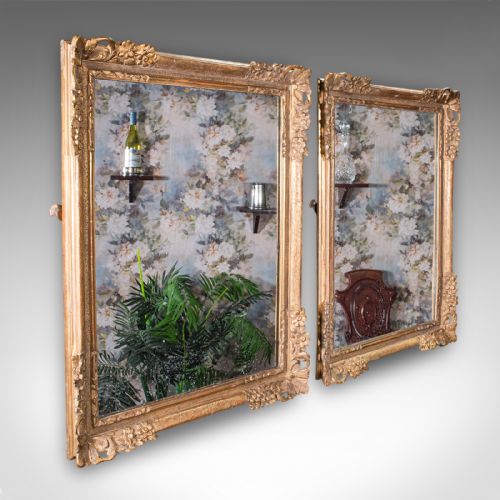
A carved giltwood dressing mirror brings warmth and reflective depth to a room, catching the light in a way few other furnishings manage.
Carved Giltwood Dressing Mirror
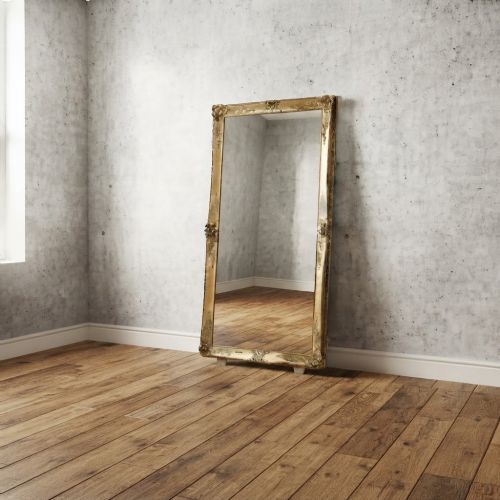
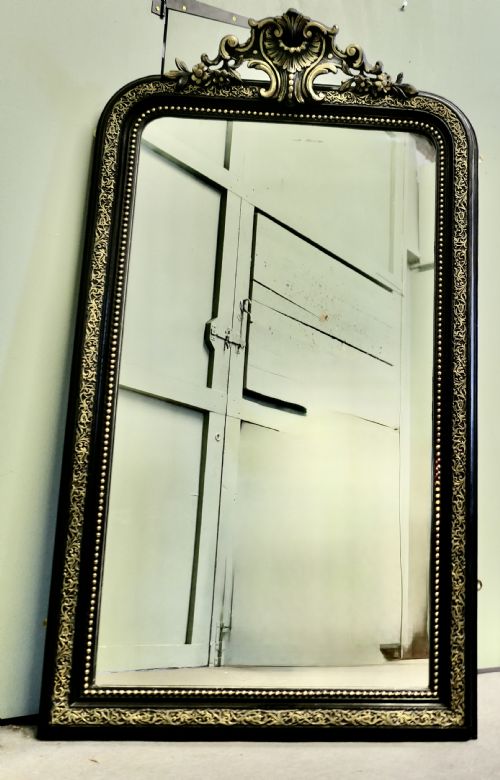
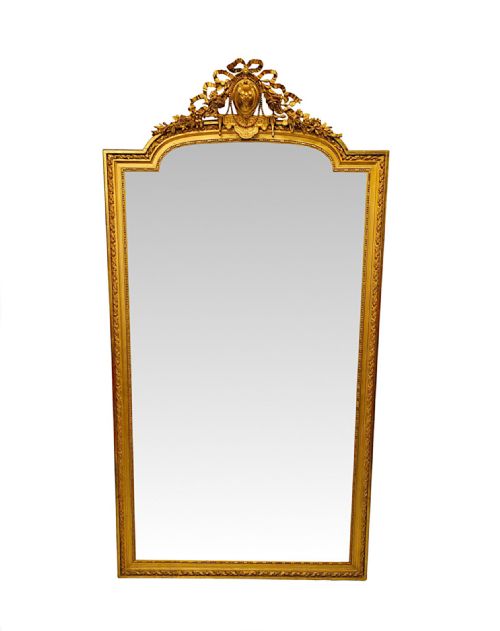
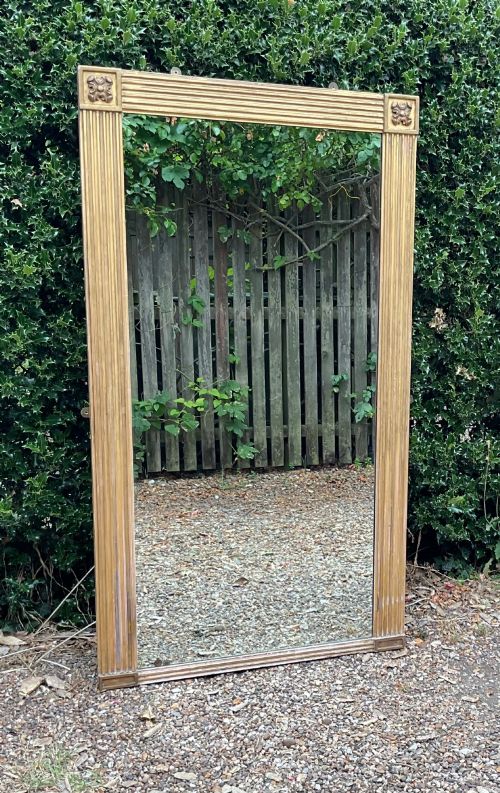
A carved giltwood dressing mirror provides a functional surface for grooming while acting as a decorative focal point in a bedroom, dressing room or hall. These pieces take various forms, ranging from compact table mirrors and toilet mirrors to large cheval mirrors and tall leaner mirrors.
The pieces appearing on this page span several distinct periods, including the eighteenth century, the Regency era, and the nineteenth century. Buyers frequently encounter styles such as Rococo Revival, Neoclassical, and Louis XVI, reflecting the decorative tastes of Victorian Britain and continental Europe.
How they were made
Makers constructed the frames using timber carcasses overlaid with gesso, plaster, or composition to receive intricate carved detail. Craftsmen then applied gold leaf or paint finishes to the prepared surfaces to achieve the characteristic metallic sheen.
Mirrored glass panels, sometimes bevelled at the edges, were fitted into the assembled frames. Many surviving examples retain their original glass and backing boards, showing the marks of early manufacturing techniques.
Folding triple dressing mirrors allow you to inspect your hat from three angles simultaneously.
What varies in quality
The crispness and depth of the carved ornament distinguish finer examples from simpler production. Hand-carved wooden details hold sharper relief than moulded composition decoration applied over plain timber.
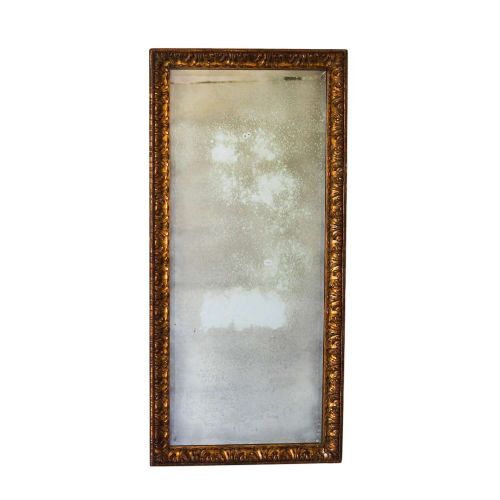
The integrity of the gilding and the condition of the glass surface influence the character of each piece. Original mercury or early silvered glass displays natural ageing that differs significantly from later replacement plates.
The Carved Giltwood Dressing Mirror Glossary
- Giltwood
- Timber carved and coated with gold leaf. This finish gives the frame its luminous golden surface.
- Gesso
- A plaster mixture applied to wood frames. It provides a smooth base for carving and gilding.
- Cheval mirror
- A full-length mirror hung in a frame that allows it to swing. These freestanding pieces suit dressing rooms and bedrooms.
- Pier glass
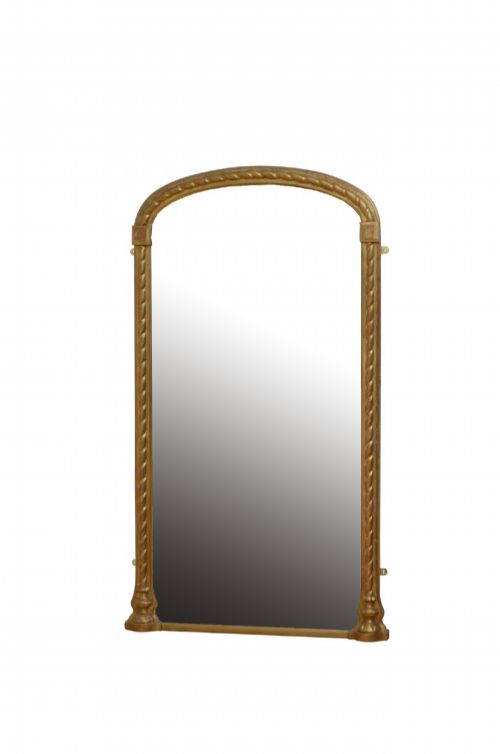
- A tall mirror designed to hang between windows. They often sit above console tables or mantelpieces.
Carved Giltwood Dressing Mirror: Frequently Asked Questions
How do I identify a period mirror?
Examine the construction methods, the type of glass, and the materials used in the frame. Older pieces often show hand-tool marks and traditional joinery on the reverse.
Style indicators like Rococo scrolls or Neoclassical symmetry help align a piece with specific eras such as the Regency period or the nineteenth century.
Are these mirrors suitable for daily use?
Most dressing and table mirrors function well for everyday grooming tasks. Freestanding cheval mirrors and folding variants offer adjustable angles for practical dressing.
Care should be taken with placement to avoid damp environments that can affect the gesso and gold leaf.
What is the difference between wall and dressing mirrors?
Dressing mirrors typically feature pivoting stands or folding panels designed to sit on tables or chests. Wall mirrors are constructed with hanging brackets for fixed placement.
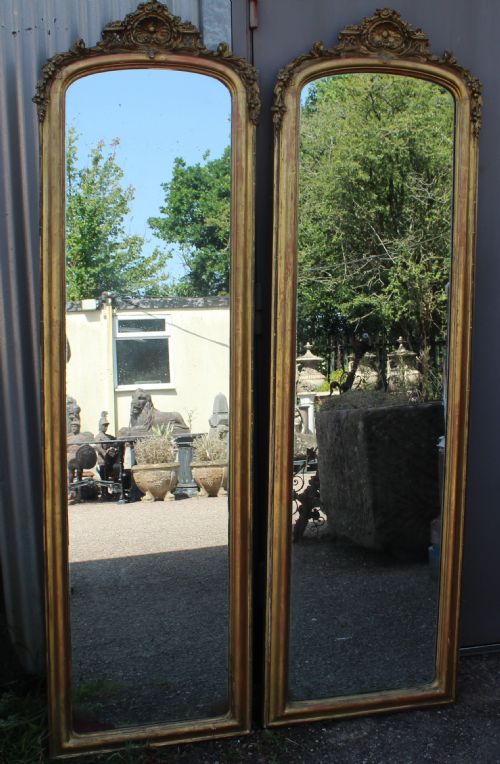
Some tall narrow forms serve dual purposes as hall pier mirrors and dressing glasses.
How should I care for giltwood frames?
Dust the carved surfaces gently with a dry, soft brush to protect the delicate gold leaf. Avoid liquid cleaners and chemical sprays that can strip the finish.
Keep the mirrors away from direct heat sources and strong sunlight to preserve the wood and gesso.