
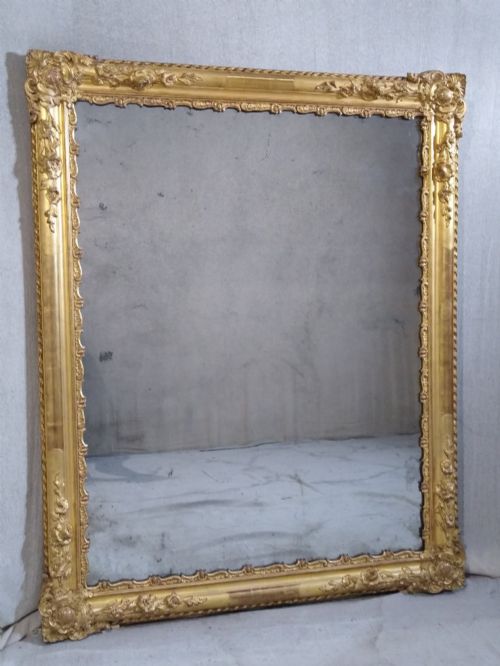

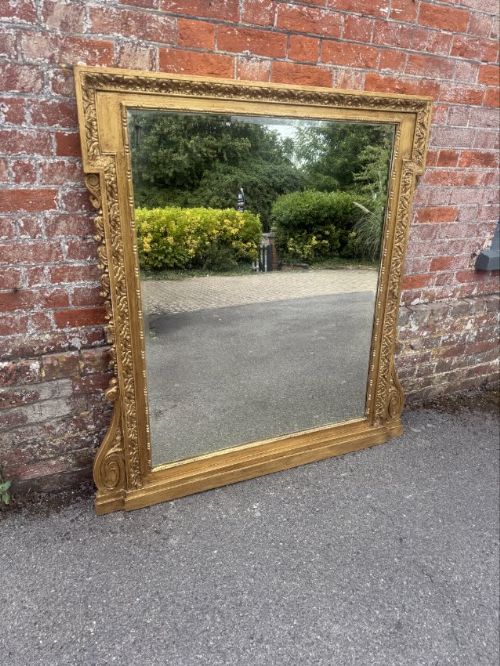
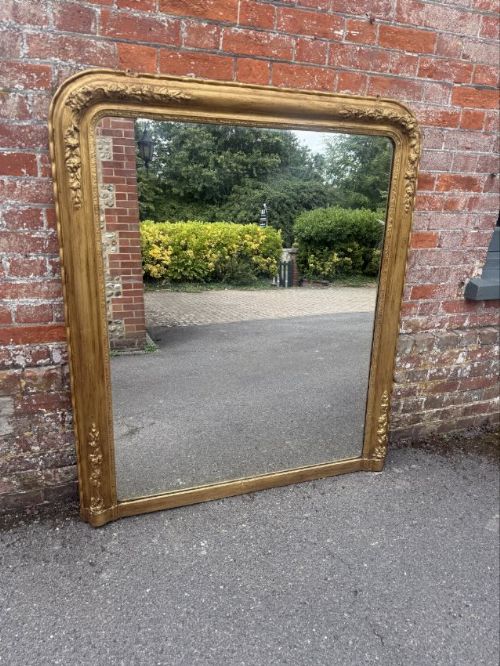
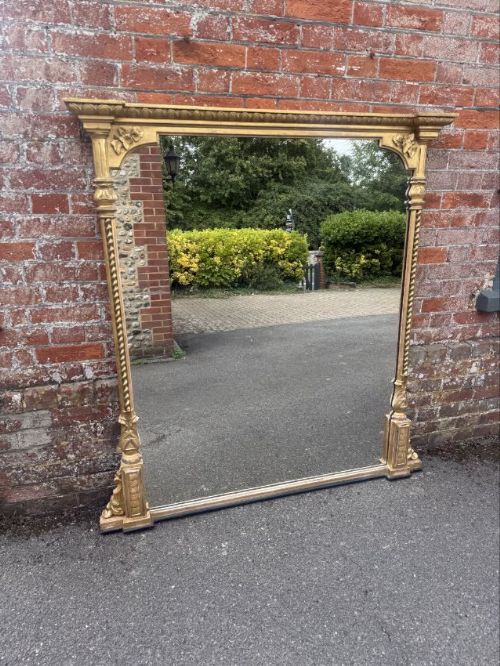
Carved Gilt Fireplace Mirror
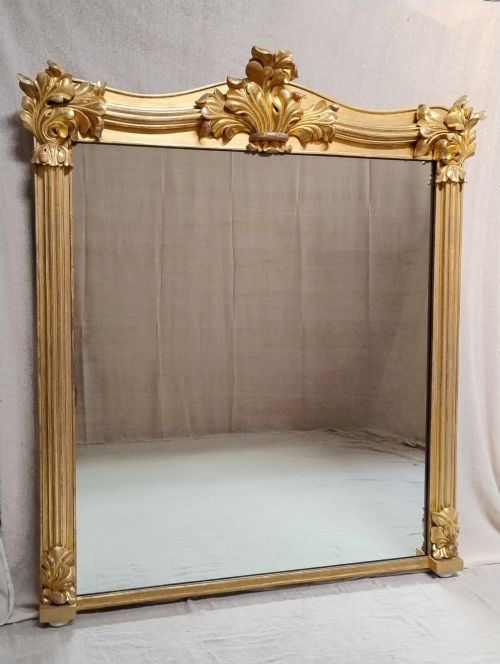
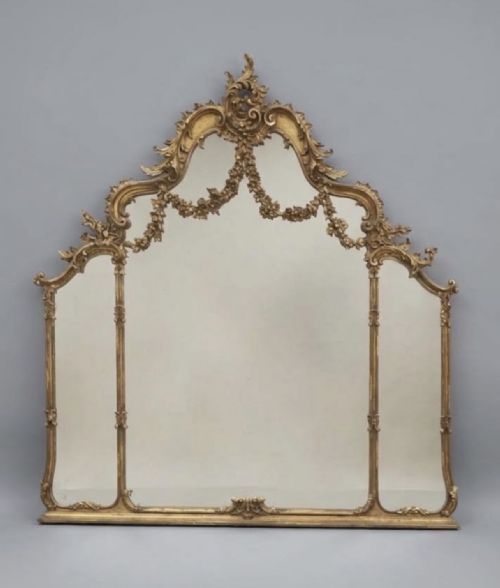
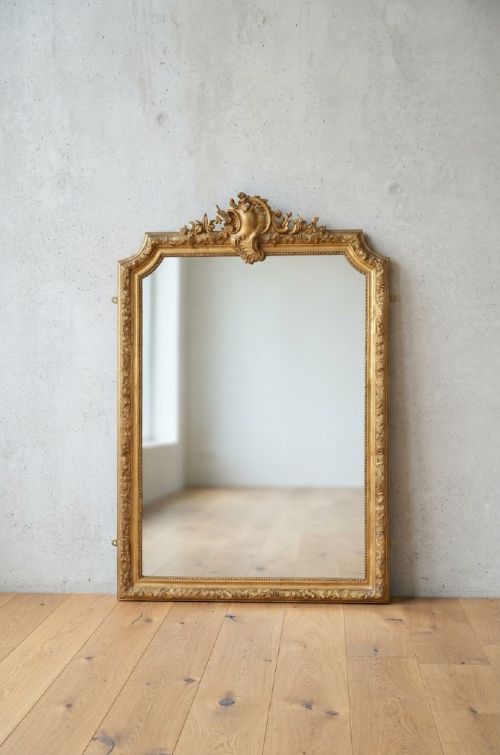
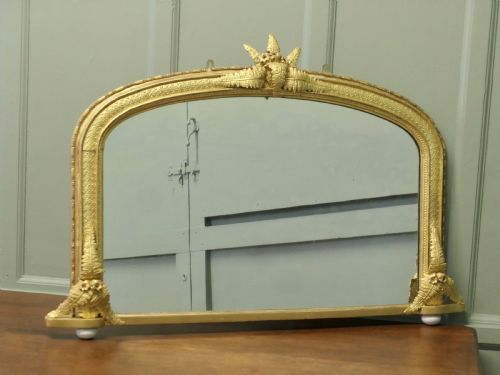
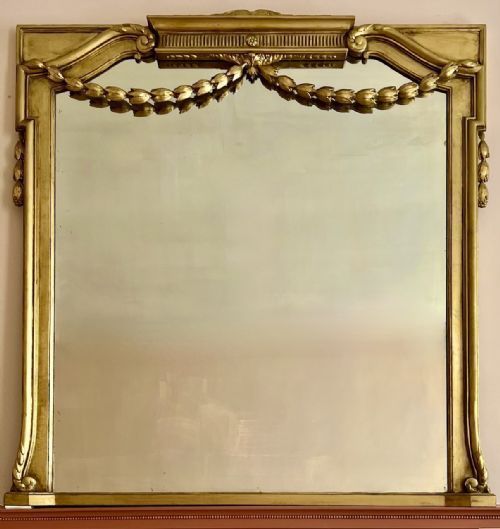
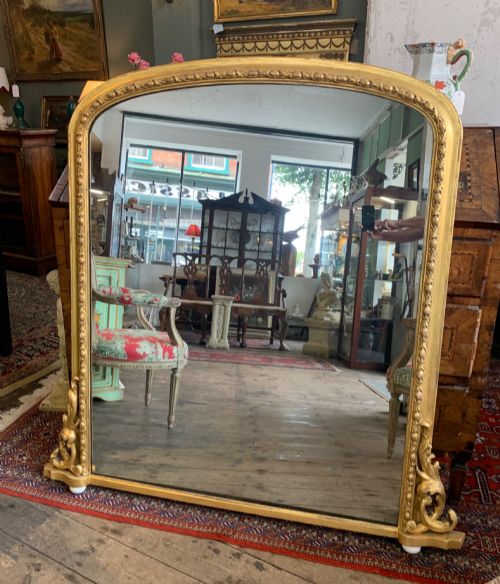
When you search for a carved gilt fireplace mirror, you are looking at substantial nineteenth-century overmantel pieces designed to anchor a room.
Carved Gilt Fireplace Mirror
A carved gilt fireplace mirror is typically a large overmantel mirror designed to sit directly above a hearth. The examples found here date primarily from the nineteenth century, spanning the Victorian period through to the turn of the twentieth century.
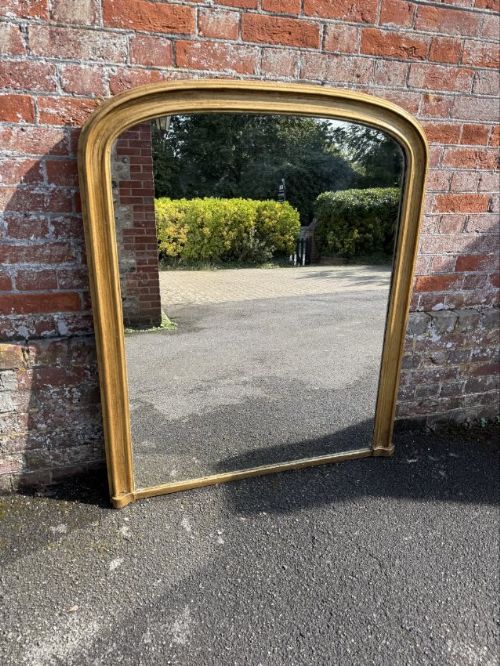
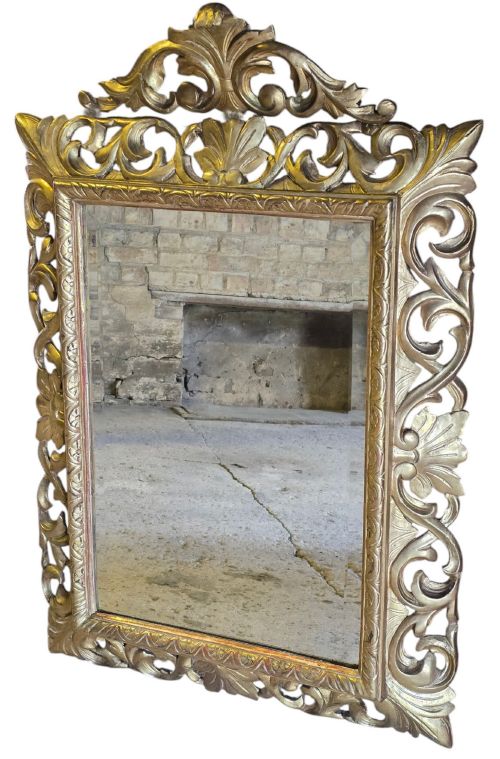
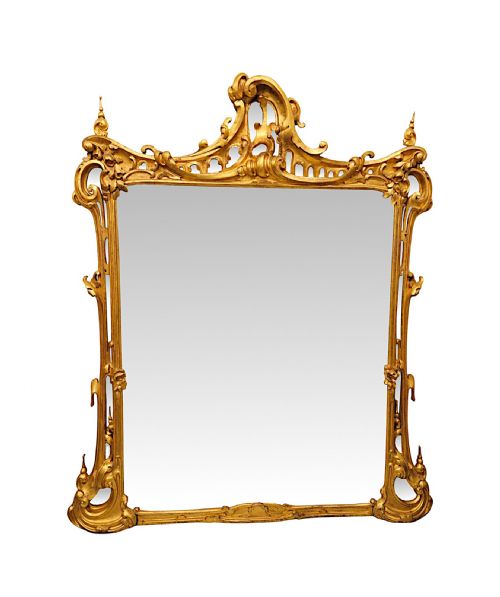
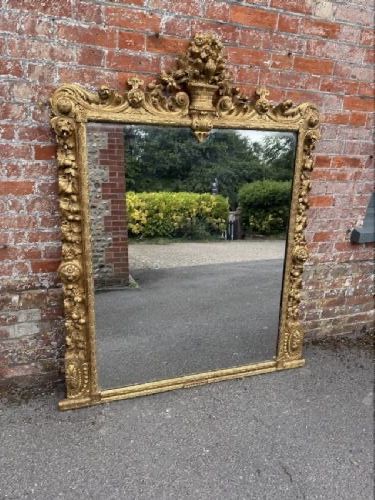
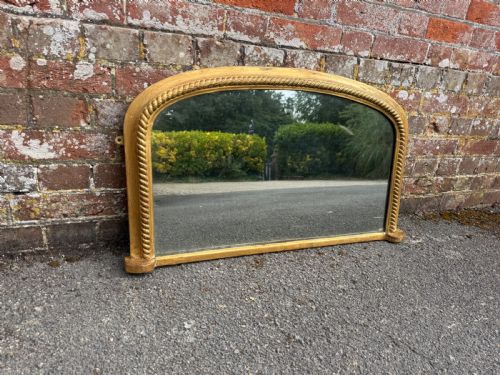
Most pieces take the form of overmantel mirrors with arched or shaped tops, constructed to reflect light and fill the vertical space of a chimney breast. French and English stylistic influences dominate, ranging from Rococo Revival and Chinese Chippendale to restrained architectural columns.
The selection leans heavily toward large statement pieces rather than modest wall mirrors. These items served a practical purpose in period interiors, diffusing candle or gas light while framing the focal point of the reception room.
How they were made
Makers built the structural carcases of these frames from wood, applying layers of gesso to build up high-relief decorative mouldings and carved details. Artisans then gilded the surfaces using gold leaf or composition metal leaf to achieve a brilliant metallic sheen.
Plate glass formed the reflective surface, which frequently exhibits natural ageing such as foxing over the decades. Frames incorporated specialised motifs like rope twist, ribbed columns, or elaborate crestings executed in carved wood and composition.
Listings for this phrase feature nineteenth-century periods prominently, including Victorian, Regency, and William IV eras.
What varies in quality
The depth and crispness of the carved wood and gesso ornamentation dictate the upper tier of quality. Superior examples display sharply defined motifs and smooth joins where the frame sections meet.
The integrity of the original gilding and the character of the mirror glass separate standard specimens from exceptional ones. Original mercury or silvered plates showing period foxing hold distinct visual depth compared to modern replacements.
The Carved Gilt Fireplace Mirror Glossary
- Overmantel mirror
- A large mirror specifically proportioned to hang on the wall directly above a fireplace mantelpiece. These pieces often feature horizontal formats or tall arched tops.
- Gesso
- A plaster-like mixture applied to wood frames and carved or moulded into intricate decorative reliefs before gilding. It provides the smooth base necessary for catching the metallic leaf.
- Giltwood
- Timber that has been coated with gold leaf or metallic powder. It forms the shimmering surface characteristic of nineteenth-century reception rooms.
- Foxing
- Small dark spots and discolouration that develop naturally within the silvering of antique mirror glass over time. This process is a sign of age rather than a structural defect.
- Rococo Revival
- A nineteenth-century design style drawing on eighteenth-century French motifs such as C-scrolls, asymmetrical foliage, and shell work. It appears frequently on ornate mirror frames.
Carved Gilt Fireplace Mirror: Frequently Asked Questions
Where should a carved gilt fireplace mirror be hung?
These mirrors are traditionally positioned centrally on the chimney breast directly above a fireplace mantelpiece. Their scale is specifically intended to balance the weight of the hearth below.
Alternatively, they function effectively on large blank walls in reception rooms where their reflective properties can amplify natural daylight.
How do I identify a nineteenth-century overmantel mirror?
Look closely at the construction methods, materials, and backboards visible on the reverse of the frame. Nineteenth-century pieces typically utilise heavy timber carcases covered in gesso layers and original hand-applied gold leaf.
Stylistic cues such as arched tops, rope twist mouldings, and traditional fixing loops also point toward Victorian and Regency manufacture.
What causes foxing on antique mirror glass?
Foxing occurs when moisture slowly penetrates the protective backing of the mirror plate over many decades, causing the silvered layer to oxidise. This creates characteristic dark spots and cloudy patches across the reflection.
Collectors generally value original foxed glass because it confirms the genuine age of the mirror plate.
Are these mirrors too heavy for modern walls?
Nineteenth-century overmantel mirrors are substantial objects constructed from dense wood, thick gesso, and heavy glass plates. They require secure installation directly into structural wall studs or masonry using heavy-duty brackets.
Professional hanging is strongly advised to support the significant weight safely.