
French Chateau Overmantel Mirror
A french chateau overmantel mirror brings grand proportions and reflective light to a room, hung above a fireplace or mounted as a statement wall piece.
French Chateau Overmantel Mirror
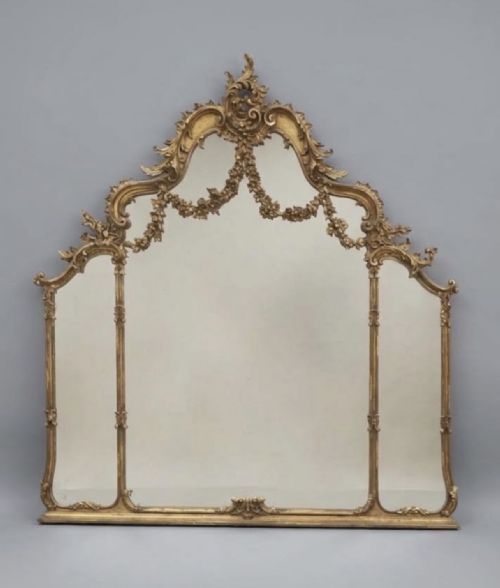
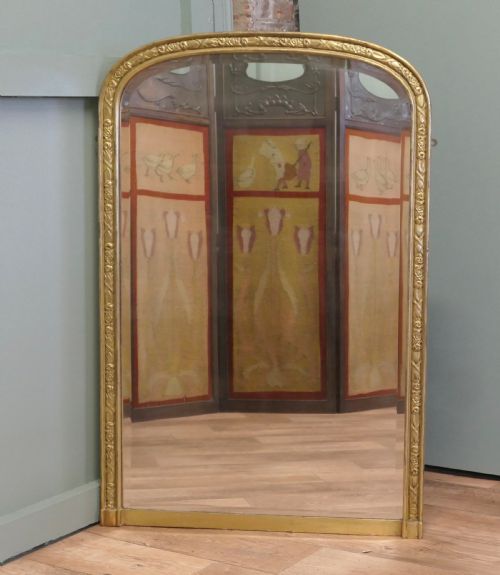
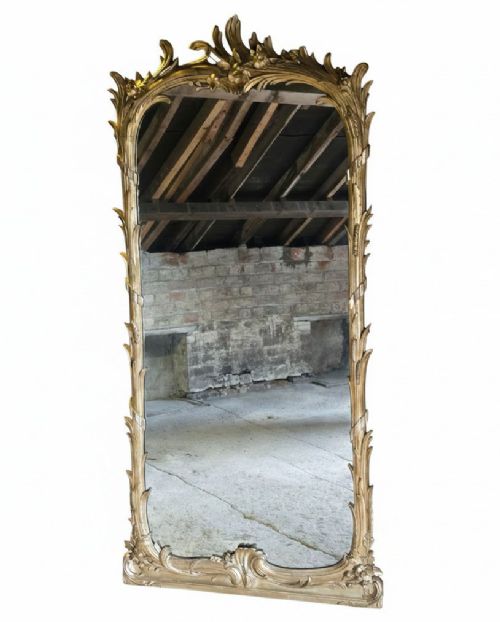
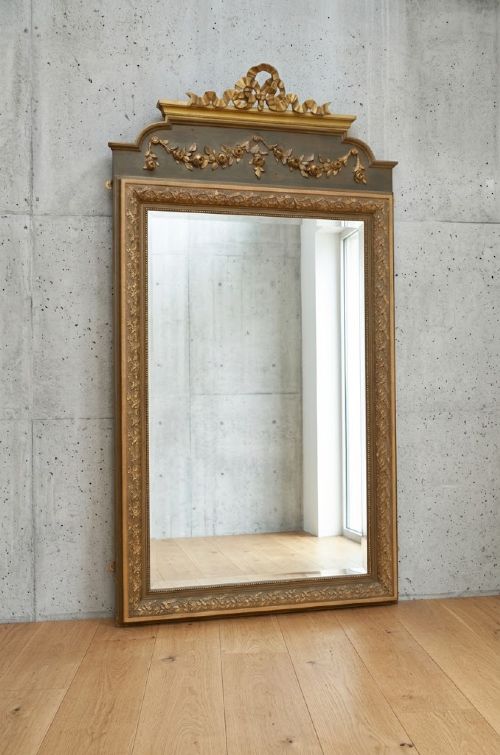
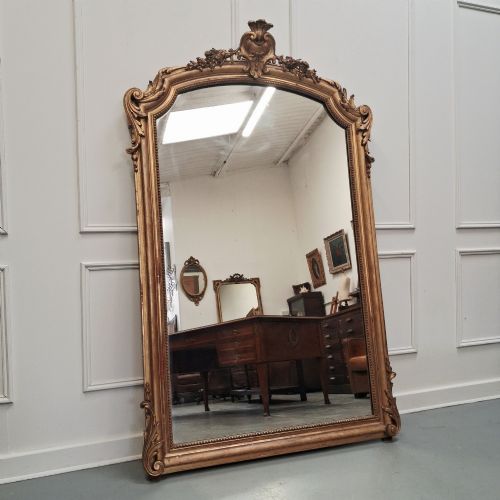
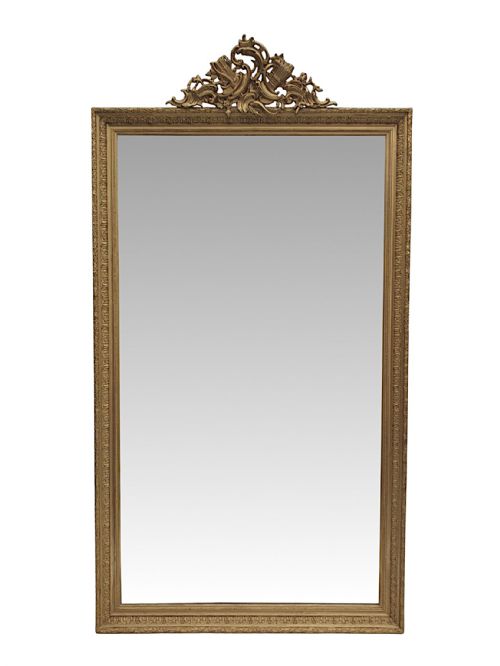
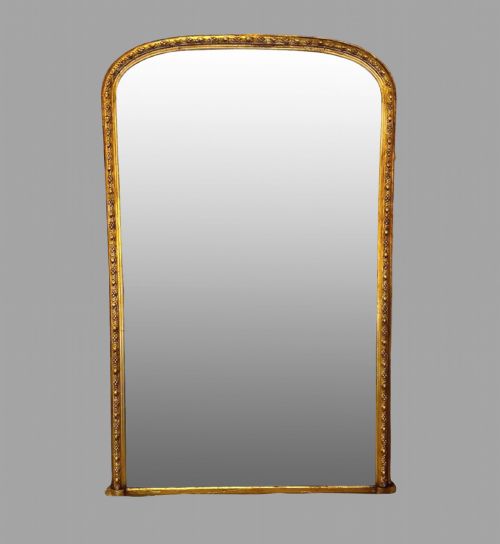
A french chateau overmantel mirror typically spans large dimensions to sit comfortably above a mantelpiece or serve as a tall leaner mirror. These pieces originate across the eighteenth and nineteenth centuries, carrying decorative traits from Rococo Revival, French Second Empire, and Neoclassical movements.
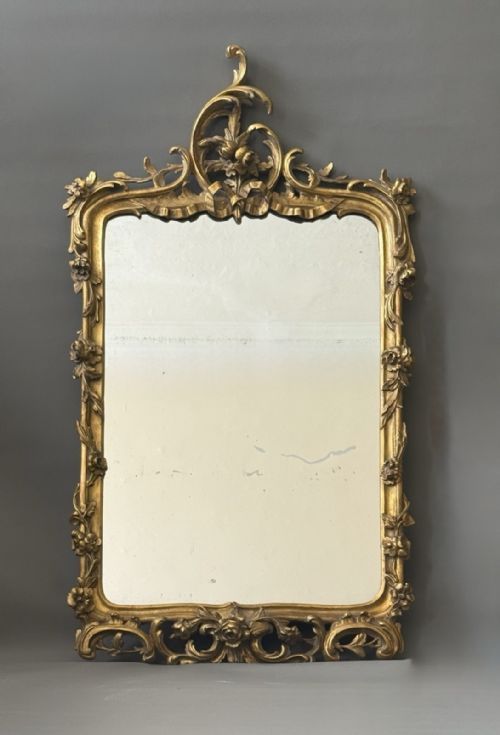
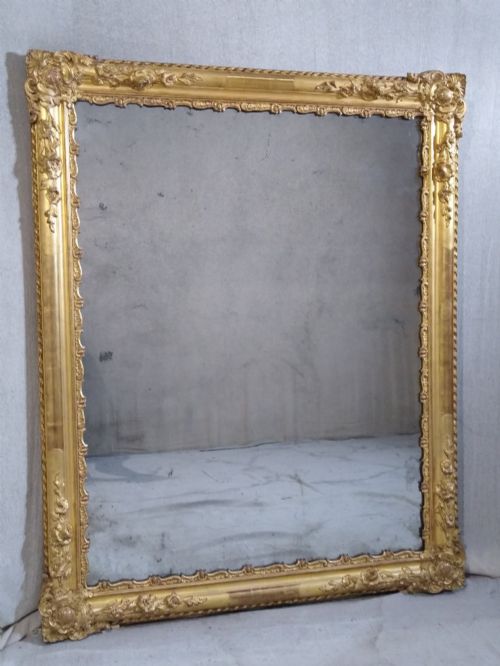
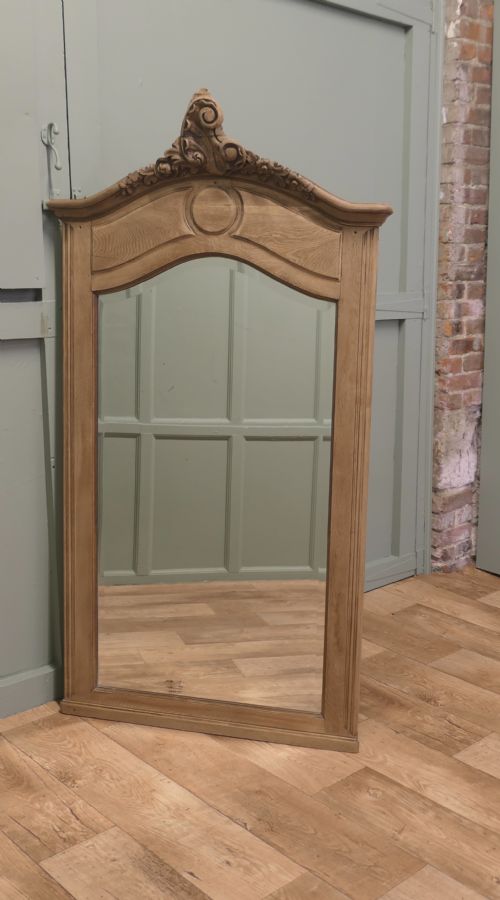
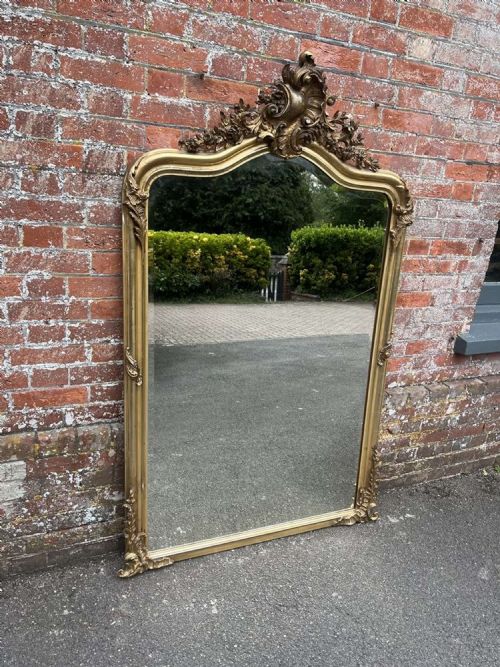
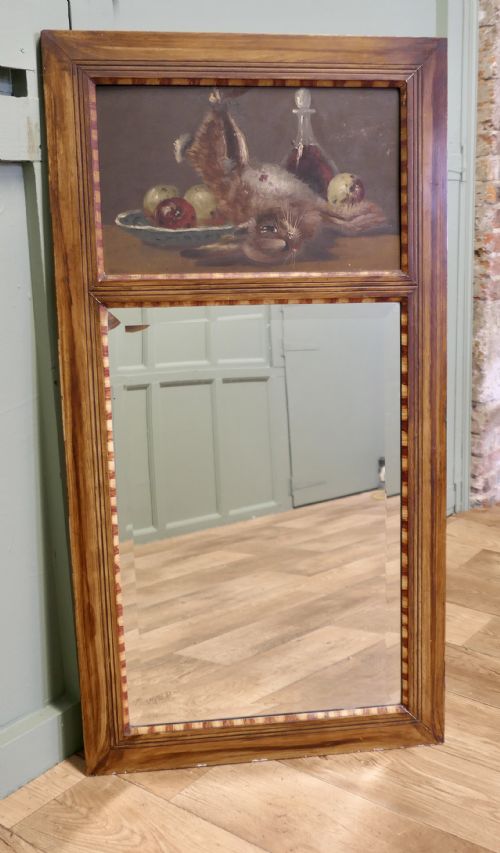
The version most commonly met on this page is the nineteenth century giltwood and gesso wall mirror, often featuring carved wooden frames with arched tops or ribbon crests. Examples range from ornate gilded statement pieces to country trumeau pier mirrors in bleached oak or painted finishes.
Construction and Materials
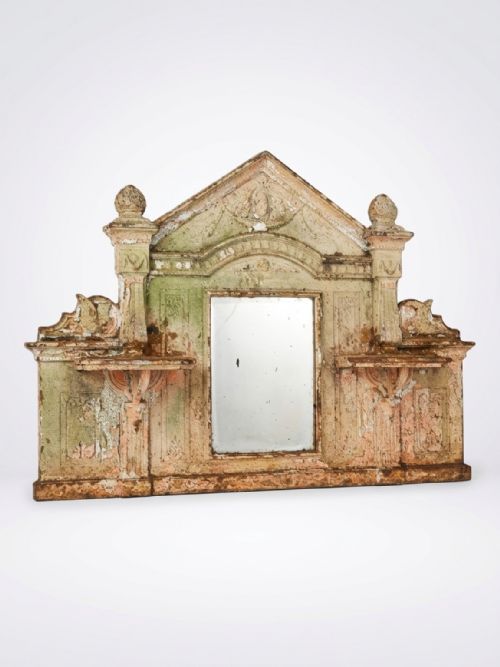
Makers built these frames using solid wood, carved wood, or cast decorative elements, frequently applying a layer of gesso to build up intricate relief ornamentation. Gilding with gold leaf or applying paint finishes completed the surface, creating the characteristic metallic sheen seen on period examples.
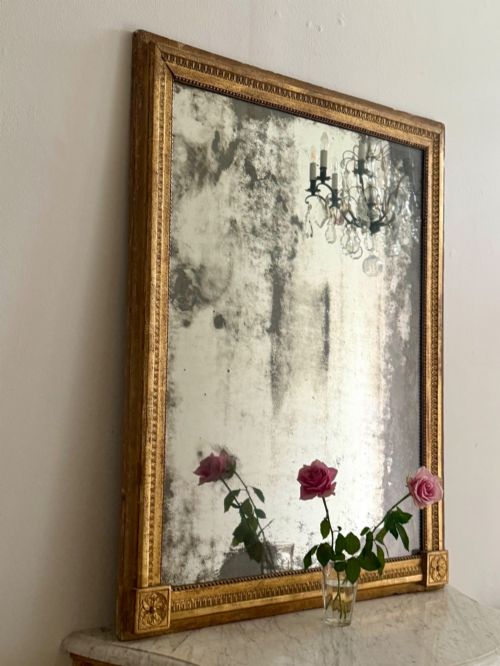
Mirrors relied on glass plates, with older pieces often housing antique mercury glass that shows foxing and spotting over time. Frames combined structural timber support with delicate scrollwork, crests, and floral motifs shaped by hand or moulded in relief.
Some mirrors come with ribbon crests tied in carved wood, proving that even a nineteenth-century salon appreciated a well-tailored bow.
Assessing Quality and Execution
The depth and crispness of the wood carving distinguish finer frames from simpler production, particularly where gesso ornaments meet the underlying timber. Deep relief work and well-defined scroll motifs indicate skilled hand execution rather than basic casting.
The condition and age of the mirror plate itself alter the character of the piece, with heavily foxed mercury glass contributing historical authenticity. Original gilding intact beneath later wear carries more visual depth than modern repaint layers.
The French Chateau Overmantel Mirror Glossary
- Overmantel mirror
- A large mirror designed specifically to hang on the wall directly above a fireplace mantel. These pieces balance the hearth below and draw natural light across the room.
- Gesso
- A plaster-like mixture applied to wood frames to create a smooth surface for gilding or to build up raised decorative relief. It allows intricate scrolls and motifs to be carved or moulded before applying gold leaf.
- Foxing
- The natural ageing process of mirror glass where oxidation creates dark spots, speckles, or a clouded appearance. Antique mercury glass frequently shows extensive foxing.
- Trumeau mirror
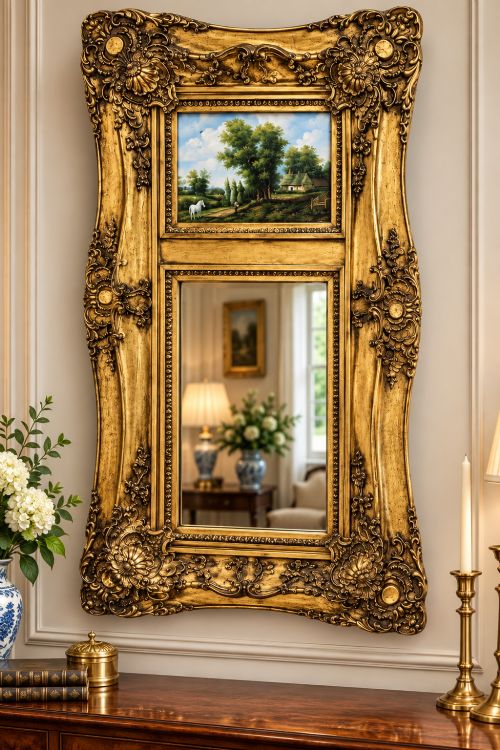
- A decorative wall mirror incorporating a painted panel or carved artwork directly above the glass plate. They often function as pier mirrors fitted between windows.
- Giltwood
- Timber that has been coated with a thin layer of gold leaf or gold paint. It provides the bright, reflective surface characteristic of formal period frames.
French Chateau Overmantel Mirror: Frequently Asked Questions
Where should an overmantel mirror be hung?
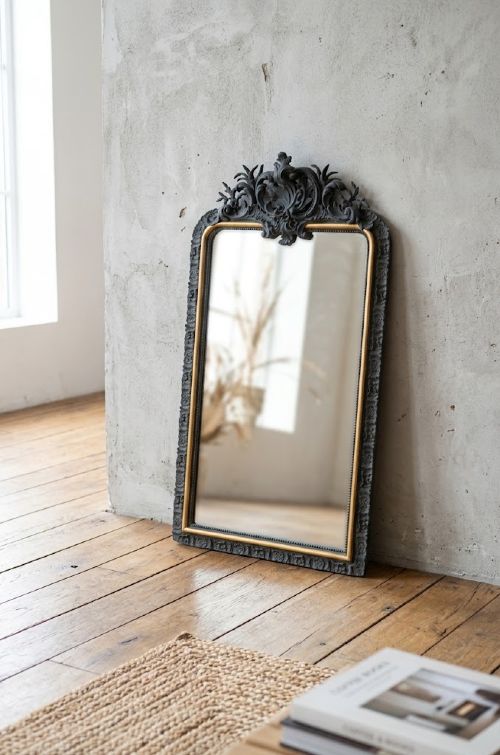
These mirrors traditionally hang directly above a fireplace mantel, anchoring the vertical space on the chimney breast. They also function well as leaner mirrors placed on the floor against a main wall.
Because of their substantial weight and height, secure wall fixings or proper floor support are essential for safe placement.
What is foxed glass?
Foxed glass refers to antique mirror plates that have developed dark spots, grey patches, or speckled oxidation over decades of exposure to air and moisture. This ageing process creates a characteristic cloudy reflection.
Collectors often value foxed mercury glass for the authentic period character and soft reflection it brings to nineteenth-century frames.
How do I identify a 19th-century French mirror?
Nineteenth-century French mirrors frequently feature carved gesso and giltwood frames with arched tops, ribbon crests, or Rococo Revival scrollwork. Construction details like hand-cut timber joints and older backing boards help confirm the period.
Regional variations include painted finishes, bleached oak frames, and tall trumeau formats designed to sit between windows.
Are these mirrors heavy?
Solid wood construction combined with thick glass plates and heavy gesso ornamentation makes these large wall mirrors substantial in weight. Proper wall anchors and load-bearing fixings are necessary to support them safely.
When used as leaner mirrors, wall tethering prevents accidental tipping while maintaining the intended angle against the skirting board.