



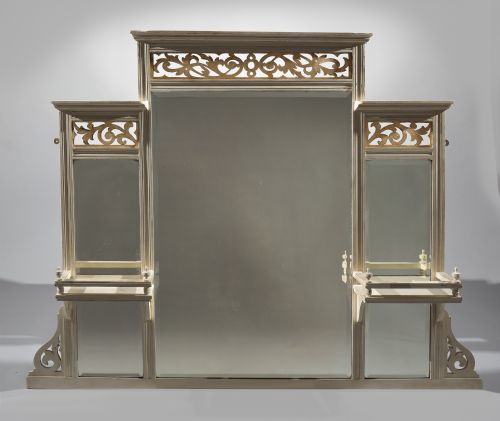

Antique White Mantel Mirror
An antique white mantel mirror brings generous proportions and reflected light to a room, anchoring a fireplace with period character.
Antique White Mantel Mirror
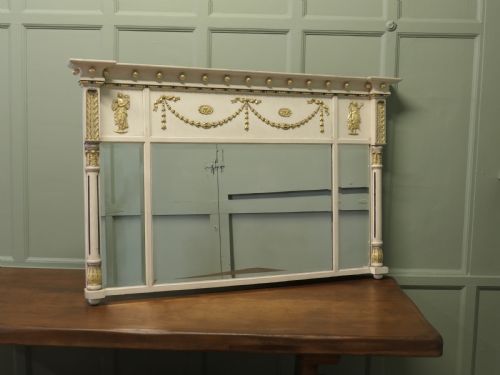
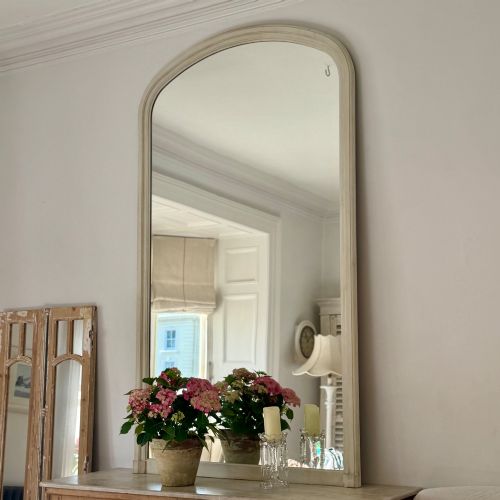
When you search for an antique white mantel mirror, you encounter large horizontal or arched looking glasses designed to sit above a fireplace hearth. The majority of these pieces originate from the nineteenth century, spanning Victorian English workshops and French chateau styles.
Makers shaped these overmantel and wall pier mirrors to command attention in a principal room. Alongside English and French examples, you find Italian pieces displaying regional decorative touches.
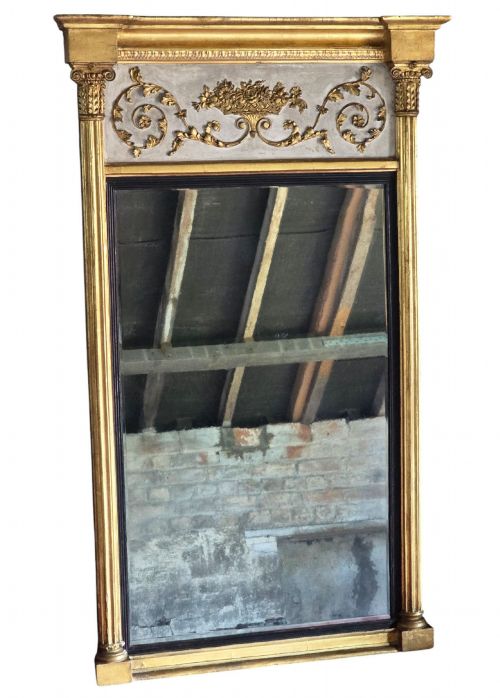
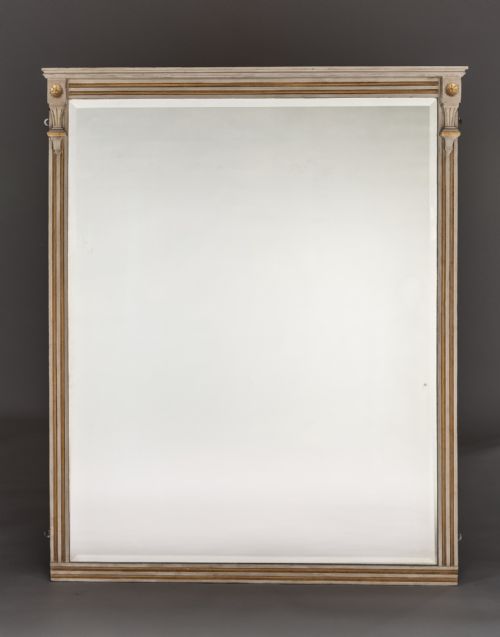
The format ranges from simple painted timber frames to elaborate arched top designs. Most options combine painted white or cream surfaces with parcel-gilt details to highlight the carved ornament.
Materials and Construction Methods
Craftsmen built the underlying structure using carved wood, applying layers of gesso to create crisp surface relief before painting. Gold leaf or parcel-gilt highlights were often added to raised mouldings and decorative motifs.
Mirrors utilise traditional heavy glass plates, sometimes in triple plate configurations or marginal layouts. Frames show the physical evidence of hand-carving and layered paint finishes, occasionally displaying a distressed texture developed over decades.
Current listings feature pieces spanning the 1850s through the Edwardian era, predominantly utilising carved wood, gesso, paint, and gold leaf.
Distinctions in Quality and Execution
The distinction between standard and superior pieces rests on the depth and precision of the carved wood and gesso ornamentation. Hand-carved relief work exhibits sharper definition and crisper lines than simpler moulded plaster alternatives.
Quality also shows in the integration of the paint and gilt finish. Better examples display harmonious distressing and well-applied parcel-gilt highlights that complement the underlying timber rather than masking poor construction.
The Antique White Mantel Mirror Glossary
- Overmantel mirror
- A large looking glass specifically proportioned to hang on the wall directly above a mantelpiece. These pieces were traditionally designed to reflect light from the hearth into the room.
- Gesso
- A plaster-like mixture applied to a wooden frame to create a smooth surface for painting or gilding. Artisans carved intricate decorative motifs directly into this hardened material.
- Parcel-gilt
- A decorative technique where only specific raised portions of a frame are gilded with gold leaf, leaving the main painted surface exposed.
- Marginal mirror
- A style featuring a central glass plate surrounded by smaller, distinct bevelled mirror panels held within the primary frame. This creates a panelled multi-refractive effect.
- Pier mirror
- A tall looking glass traditionally hung on the solid section of wall between two windows. They share similar decorative traits with mantel mirrors of the period.
Antique White Mantel Mirror: Frequently Asked Questions
How do I hang a heavy mantel mirror?
These large timber and gesso looking glasses require robust wall anchors fixed directly into structural studs or masonry. Due to their substantial weight, professional installation using appropriate brackets is strongly recommended.
Ensure the hanging wire or integrated D-rings match the total mass of the frame. Distributing the load evenly prevents warping of the antique wooden structure over time.
Where should I place an overmantel mirror?
While traditionally positioned centrally above a fireplace mantel, these mirrors also function effectively on principal living room walls as statement pieces. Their generous proportions help draw light across darker spaces.
Consider the sightlines from adjacent rooms before fixing the height. Placing the glass to reflect a window or architectural feature maximises the visual expansion of the space.
How do I clean an antique mirror frame?
Dust the carved wood and gesso surfaces gently with a soft, dry brush to protect the aged painted finish. Avoid liquid cleaners or chemical sprays that can soften historic gesso or strip parcel-gilt details.
For the glass plate, apply a mild glass cleaner to a cloth rather than spraying directly onto the surface. This prevents moisture from seeping behind the aged mirror plate or damaging the painted wooden rabbet.
Are these mirrors original white paint?
Many nineteenth-century frames feature historic painted surfaces in white, cream, or off-white tones, sometimes refreshed or layered over generations. Traces of original gesso and underlying bole often peek through the distressed topcoats.
French and English makers utilised various lead and oil-based paints that cure to a distinct matte or chalky texture. Examining the surface under magnification reveals the natural micro-cracking associated with aged paint layers.