
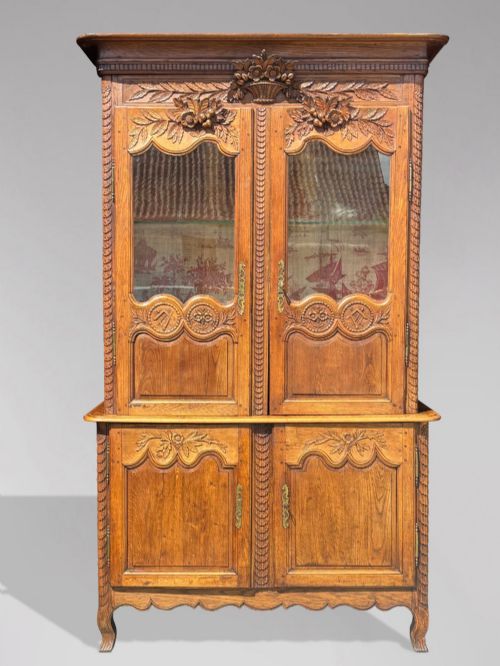

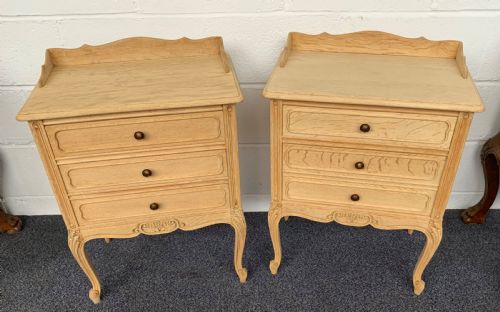
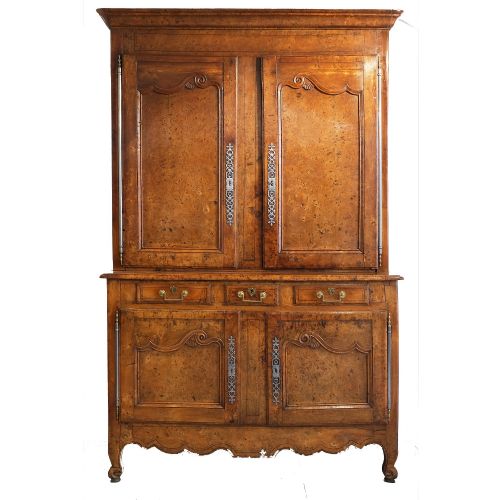
Carved French Provincial Cabinet
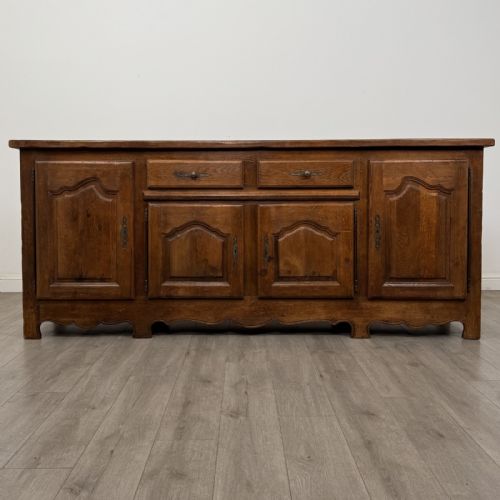
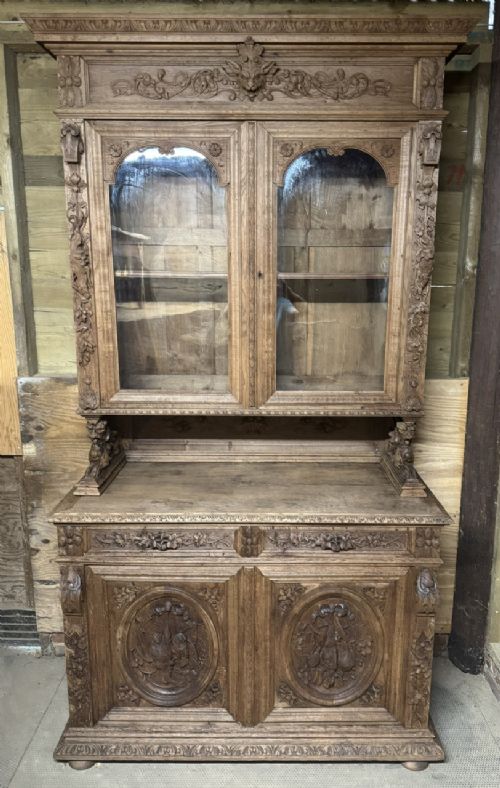
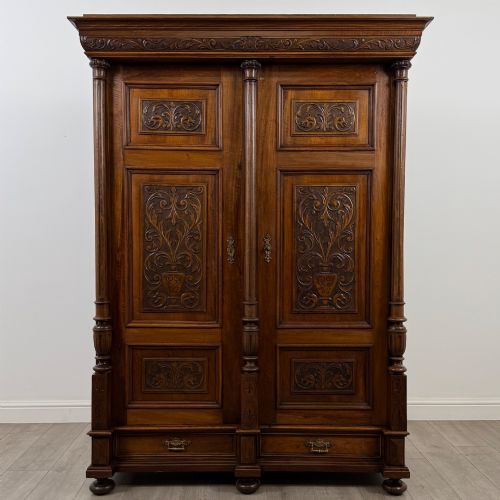
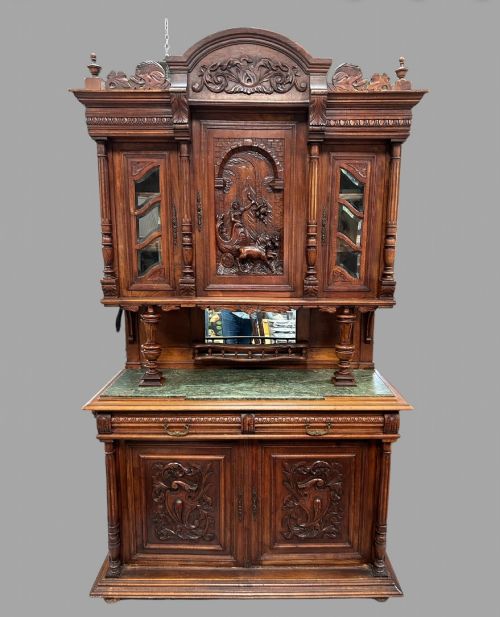
A carved french provincial cabinet brings rustic regional character into a room through honest timber and hand-carved detail.
Carved French Provincial Cabinet
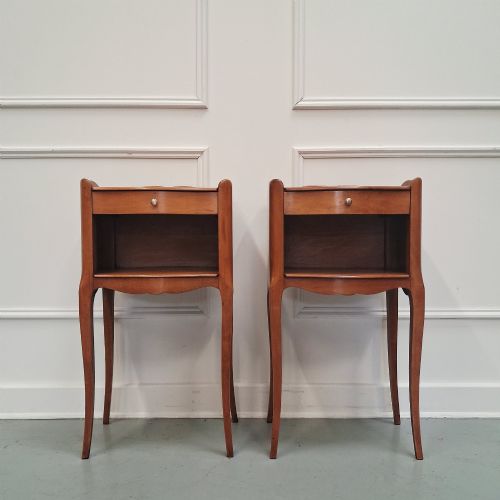
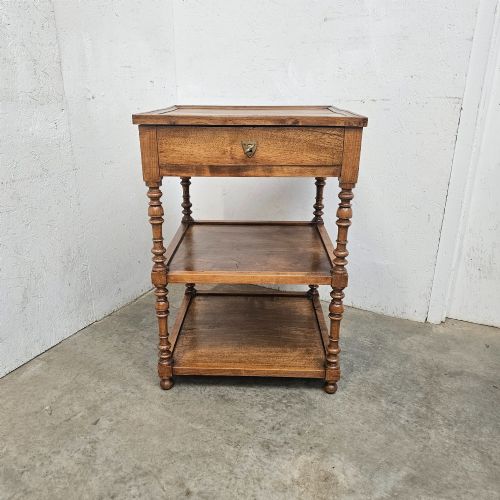
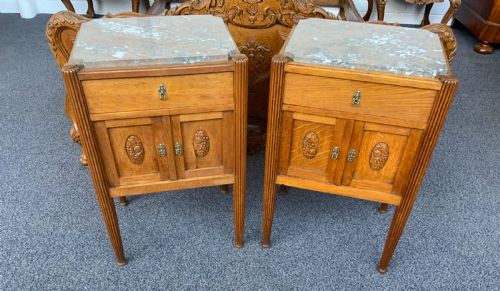
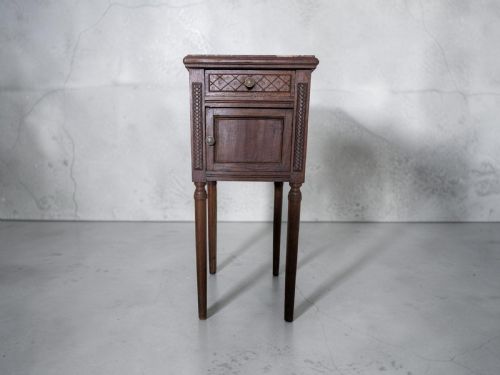
A carved french provincial cabinet encompasses practical storage forms such as bedside tables, sideboards, armoires, and commodes originating from regional France. These pieces span centuries, ranging from early examples dated to the seventeenth and eighteenth centuries through to nineteenth-century interpretations and twentieth-century revivals.
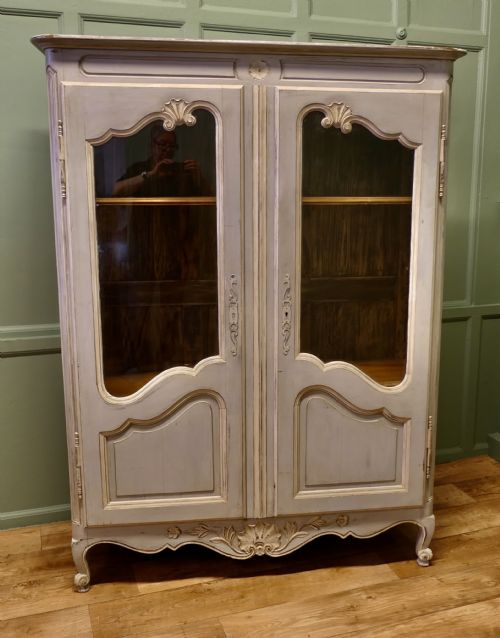
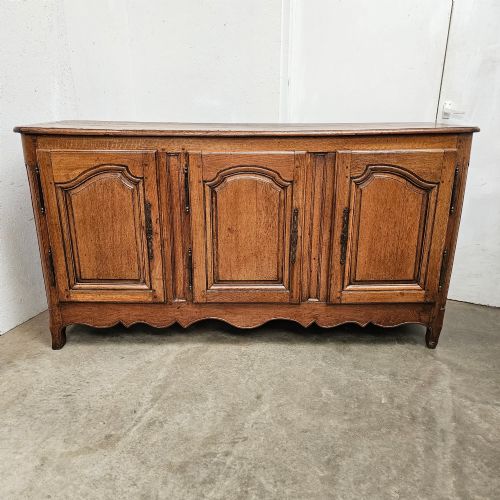
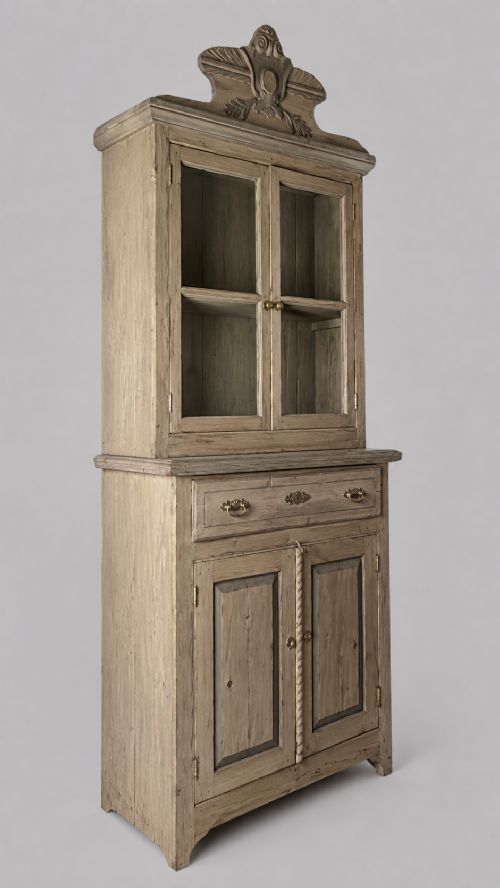
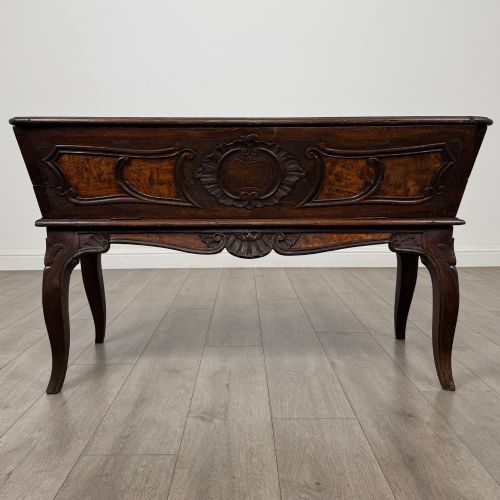
Buyers meet a diverse selection of regional furniture on this page, dominated by sturdy oak, walnut, and fruitwood constructions. Forms stretch from compact bedside cabinets and dough bins to grand double-door armoires, enfilades, and towering housekeeper cupboards.
Materials and Construction
Cabinetmakers utilised solid regional timbers including oak, walnut, chestnut, ash, elm, and fruitwood to build these provincial pieces. Surfaces frequently display visible hand-carving alongside integrated hardware like brass fittings and wrought iron details.
Certain functional iterations incorporate contrasting elements such as Belgian Sainte-Anne marble tops, glass panels in glazed cabinet doors, and original pewter cisterns and basins. Wood treatments range from natural waxed finishes and bleached oak to painted surfaces.
Listings feature oak, walnut, fruitwood, chestnut, ash, and elm timbers alongside marble and wrought iron across multiple centuries.
Standard of Craftsmanship
Quality in a carved french provincial cabinet rests upon the depth and crispness of the hand-carved ornamentation relative to the timber utilised. Regional pieces executed in dense oak or figured walnut with well-proportioned panels show superior structural integrity.
The integration of original materials, such as specific marble tops, pewter basins, or period brass hardware, separates standard regional utility items from finer examples of provincial cabinetmaking.
The Carved French Provincial Cabinet Glossary
- Enfilade
- A long sideboard or buffet featuring multiple doors, traditionally designed for dining rooms to serve food. It provides substantial storage capacity across its length.
- Armoire
- A large freestanding wardrobe or cupboard used for hanging clothes or storing linens. Provincial examples frequently feature heavy panel doors and deep cornices.
- Commode
- A low chest of drawers or cabinet designed for domestic storage. Early versions often incorporate marble tops and shaped aprons.
- Deux Corps
- A large two-piece cabinet or cupboard constructed with an upper section resting upon a lower base. These imposing pieces often combine display vitrines with enclosed storage.
- Panetiere
- A traditional regional bread cage or ventilated cupboard designed to keep loaves fresh. They typically feature turned spindles or carved wooden grilles.
Carved French Provincial Cabinet: Frequently Asked Questions
How do I date an antique cabinet?
Dating relies on examining the timber species, construction joints, and overall styling details such as hardware and carving motifs. Earlier pieces from the seventeenth and eighteenth centuries display hand-hewn joinery and regional vernacular designs.
Later nineteenth-century pieces and twentieth-century revivals often adopt formal historical styles like Louis XV or Art Deco while retaining provincial forms.
Where were these cabinets used?
These cabinets served functional roles throughout rural French homes, ranging from farmhouses to chateaux. Larger cupboards and enfilades were placed in kitchens and dining rooms for provisions and tableware.
Smaller pieces like bedside cabinets and commodes were utilised in bedrooms for personal storage and washing accessories.
How do I care for antique wood?
Maintaining antique timber requires keeping pieces away from direct heat sources and sudden humidity changes to prevent wood splitting. Regular dusting with a soft cloth preserves the natural waxed or polished finish.
Applying a traditional beeswax polish occasionally helps nourish dry fruitwood, oak, and walnut surfaces without building up heavy residues.