


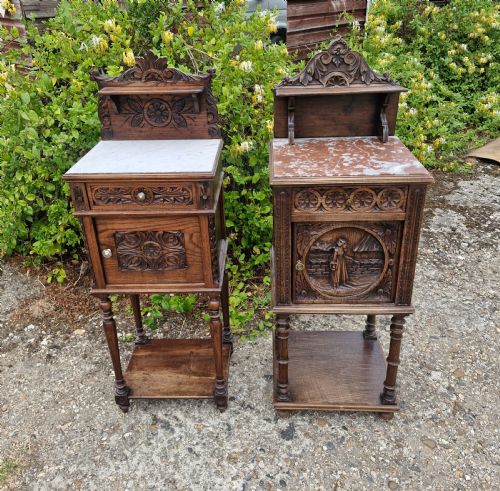
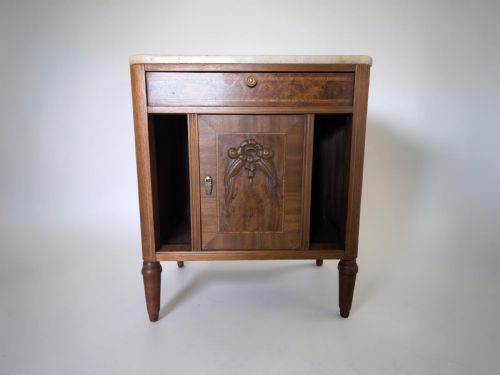
Carved French Bedside Table
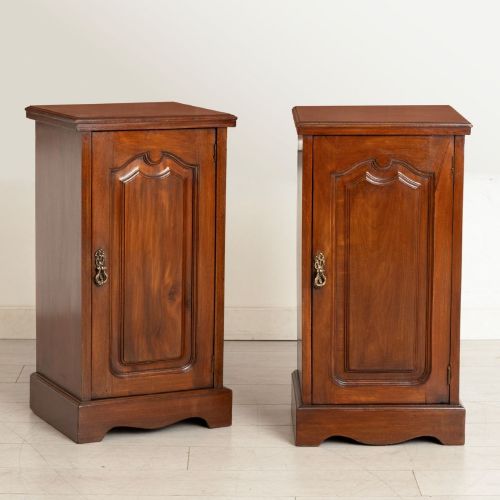
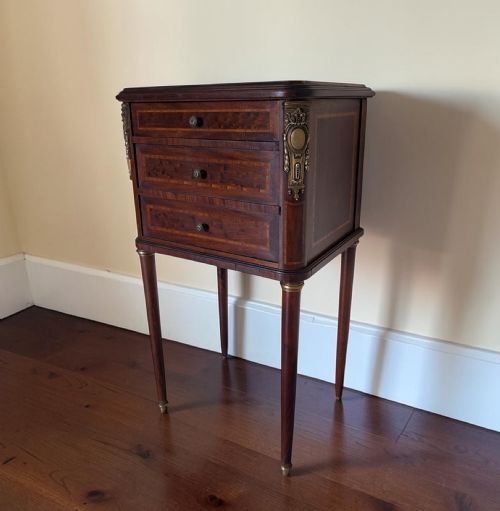
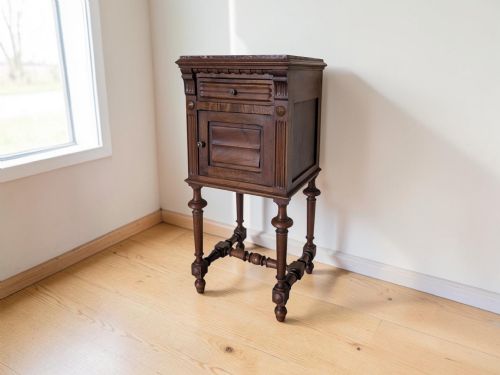
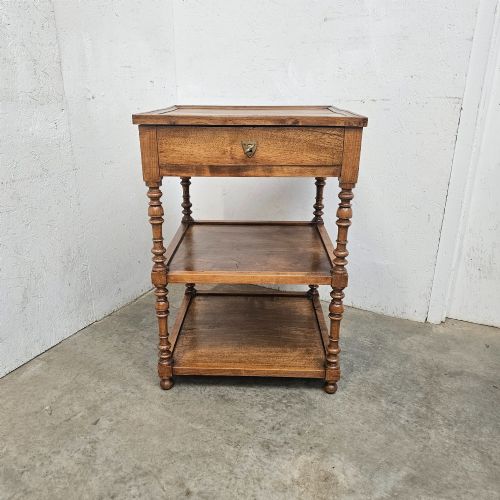
A carved french bedside table brings regional character and practical bedside storage into a room.
Carved French Bedside Table
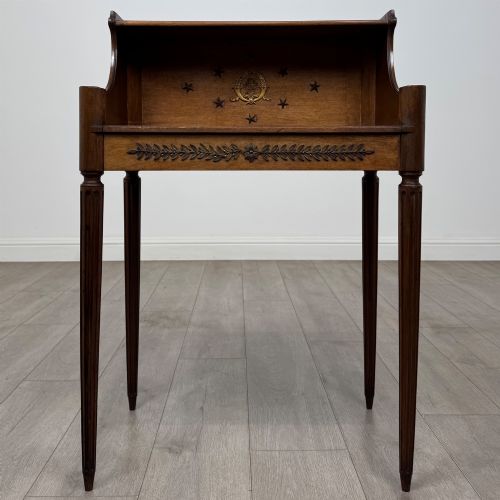
When searching for a carved french bedside table, buyers find low storage cabinets, cupboards, and small tables designed to sit beside a bed. The selection spans the nineteenth and twentieth centuries, encompassing Edwardian examples alongside pieces dated across the decades from eighteen-eighty to nineteen-thirty.
How they were made
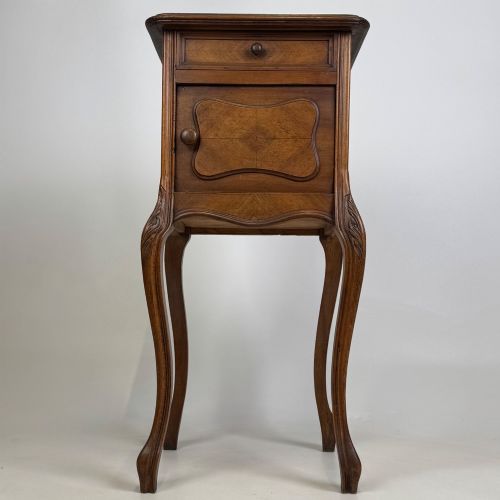
Cabinet makers utilised dense hardwoods including walnut, oak, and mahogany for the frames and bodies of these cabinets. Carving is applied directly to the timber elements, defining panels, legs, and aprons in styles ranging from provincial rustic to refined revival forms.
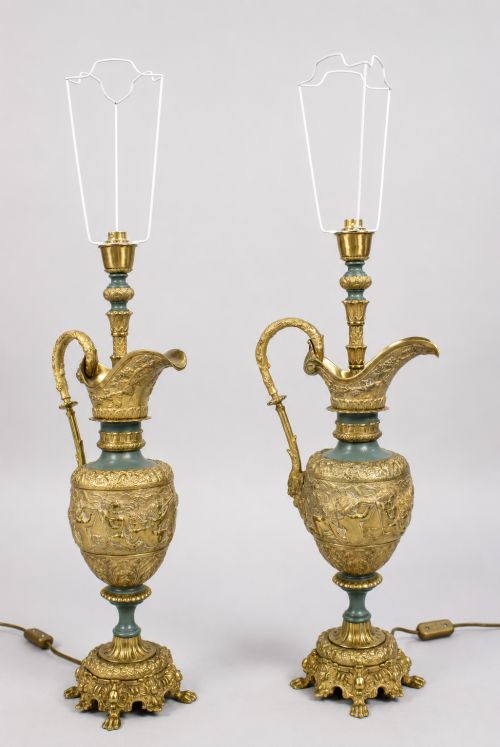
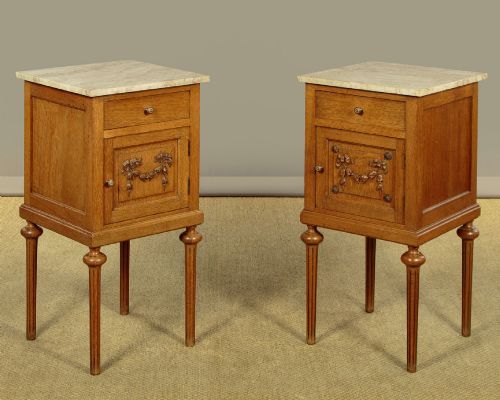
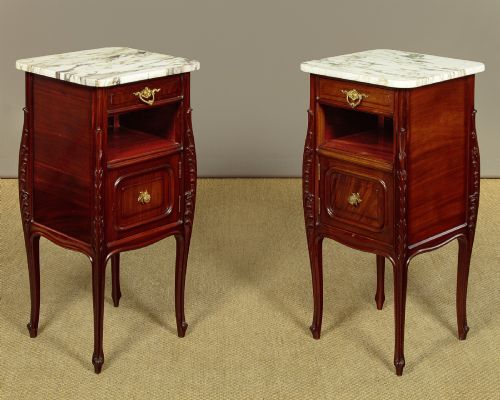
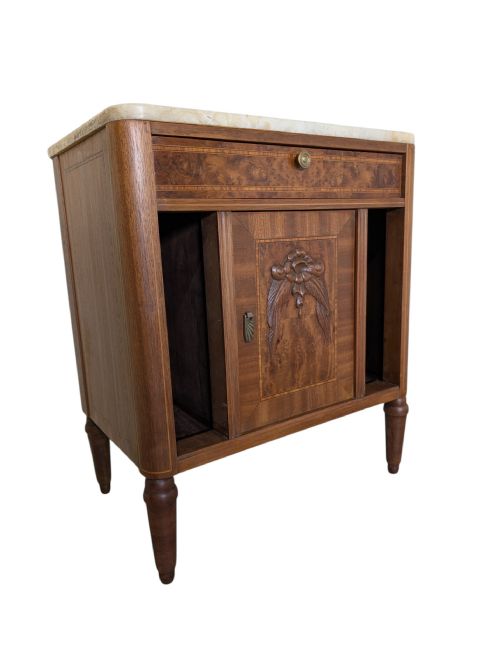
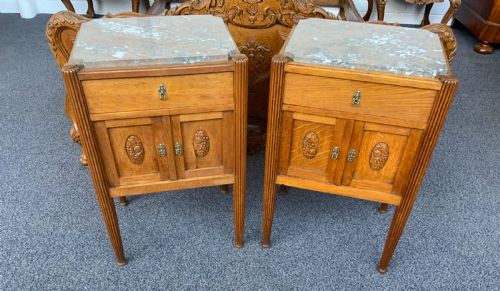
Many cabinets incorporate fitted marble tops in varieties such as Belgian Sainte-Anne marble, resting upon wooden carcases constructed with traditional joinery. Secondary treatments include painted finishes, bleaching, and gilt accents on select tables and lamps.
The listings here include bedside furniture spanning from eighteen-eighty through to the nineteen-thirties, featuring walnut, oak, and mahogany.
What varies in quality
The distinction between standard examples and finer pieces rests upon the crispness of the timber carving and the selection of materials. Superior cabinets display deeply carved ornamentation and well-figured walnut, oak, or mahogany grains.
Integration of quality components, such as heavy fitted marble slabs and substantial brass or gilt metal hardware, elevates specific pieces. The harmony between the regional style, such as French Provincial or Louis XV Revival, and the execution of the woodwork defines the upper tier.
The Carved French Bedside Table Glossary
- Bedside Cabinet
- A small enclosed piece of furniture with a door or drawer used for bedside storage. These often feature marble tops and carved wooden frames.
- Louis XV Revival
- A nineteenth-century style drawing on the curves and naturalistic ornamentation of the mid-eighteenth-century French court. It manifests in asymmetrical cartouches and cabriole legs.
- Louis XVI Revival
- A later neoclassical style characterised by straight fluted legs, symmetry, and architectural restraint. Pieces in this manner display formal carved detailing.
- Sainte-Anne Marble
- A dark grey or black limestone with white calcite veins, sourced from Belgium. It frequently tops continental walnut bedside cabinets.
- Art Deco
- A twentieth-century design movement favouring streamlined forms and geometric patterns. In bedside tables from the nineteen-twenties and thirties, this appears alongside bleached oak.
Carved French Bedside Table: Frequently Asked Questions
How do I date a bedside cabinet?
Dating relies upon stylistic markers, construction methods, and materials recorded in the specific piece. Revival styles often reflect nineteenth-century historicism, while geometric lines point to the twentieth century.
Changes in timber treatment, such as bleached oak finishes or Art Deco geometry, help narrow the decade of manufacture alongside documented periods like the Edwardian era.
Are marble tops original to these tables?
Many nineteenth and early twentieth-century French bedside cabinets were manufactured specifically to receive inset marble slabs. These stone tops provided a durable, wipe-clean surface for bedside use.
Matching the marble type, such as Belgian Sainte-Anne, to the timber carcase helps confirm the integrity of the piece.
How do I fit one into a modern bedroom?
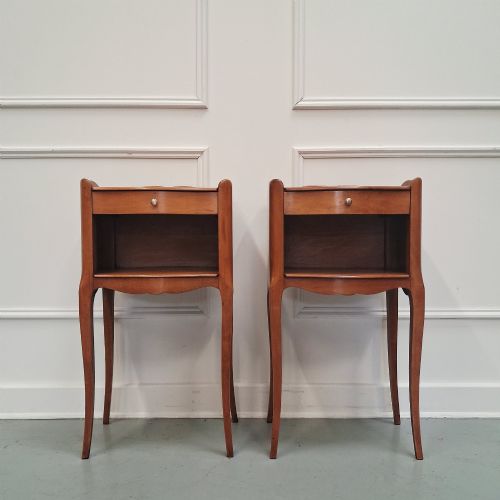
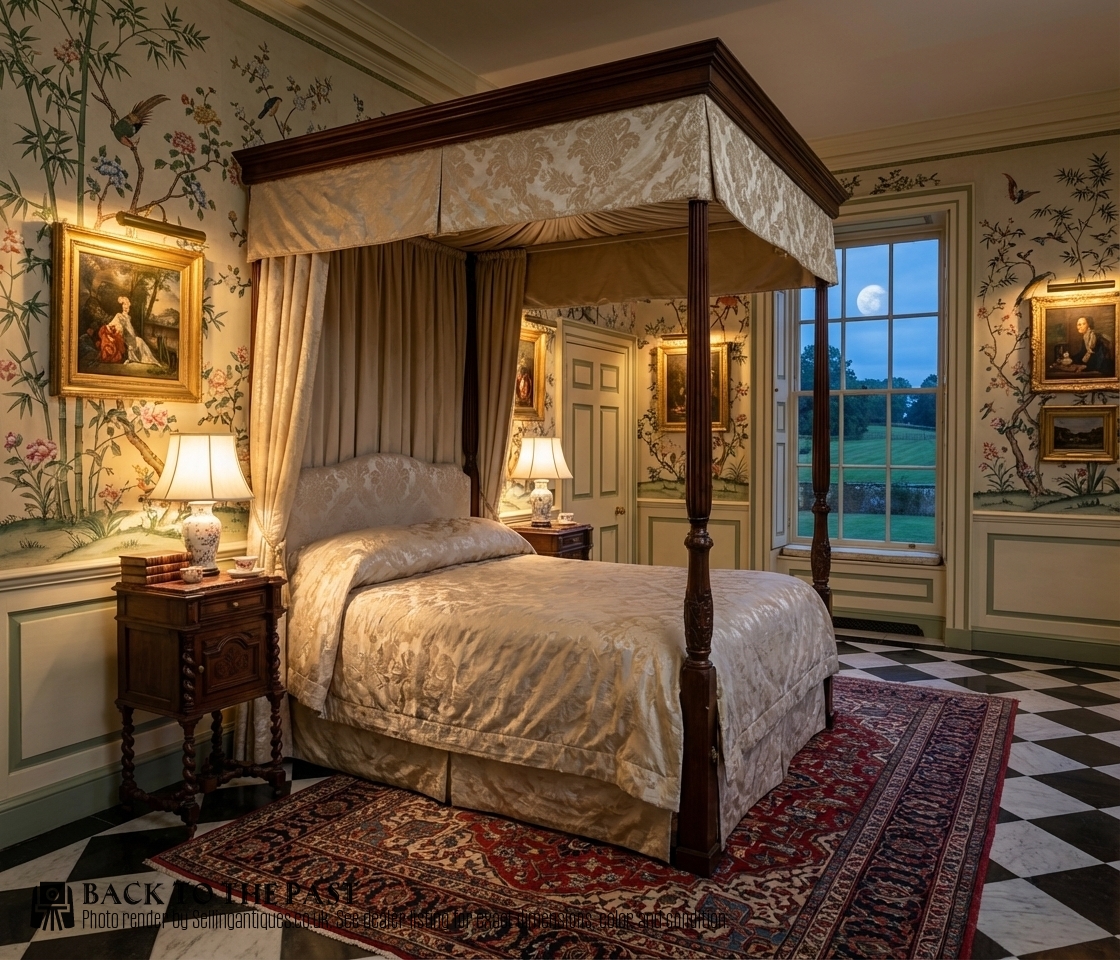
These small French tables function well as versatile accent pieces alongside contemporary low-profile beds. Their compact footprints allow them to serve as functional bedside storage or secondary side tables in a hallway.
Pairing a walnut or oak cabinet with modern interiors introduces texture and historical contrast without dominating the room layout.